
U.S. Virgin Islands Travel Guide
Group of Caribbean islands and islets that are an unincorporated territory of the United States, with the main islands of Saint Thomas, Saint John, and Saint Croix, known for their beautiful beaches, crystal-clear waters, and vibrant culture.


-400.jpg)


Places to See in U.S. Virgin Islands

St. Croix
Largest of the U.S. Virgin Islands and offers a unique blend of natural beauty, rich history, and vibrant culture. Visitors can explore pristine beaches, lush rainforests, and historic sites such as Fort Christiansvaern. The island is also known for its vibrant arts scene, with numerous galleries and studios showcasing local talent. Whether you're looking to relax on the beach, hike through nature trails, or immerse yourself in the local culture, St Croix has something for everyone.
© Pierre André, CC BY-SA 4.0, via Wikimedia Commons; Image Size Adjusted

St. John
Smallest of the three U.S. Virgin Islands, known for its stunning beaches, crystal-clear waters, and lush tropical landscapes, and is home to the Virgin Islands National Park, which covers over half of the island and offers hiking trails, snorkeling, and camping opportunities.
© Pierre André, CC BY-SA 4.0, via Wikimedia Commons; Image Size Adjusted
St. Thomas
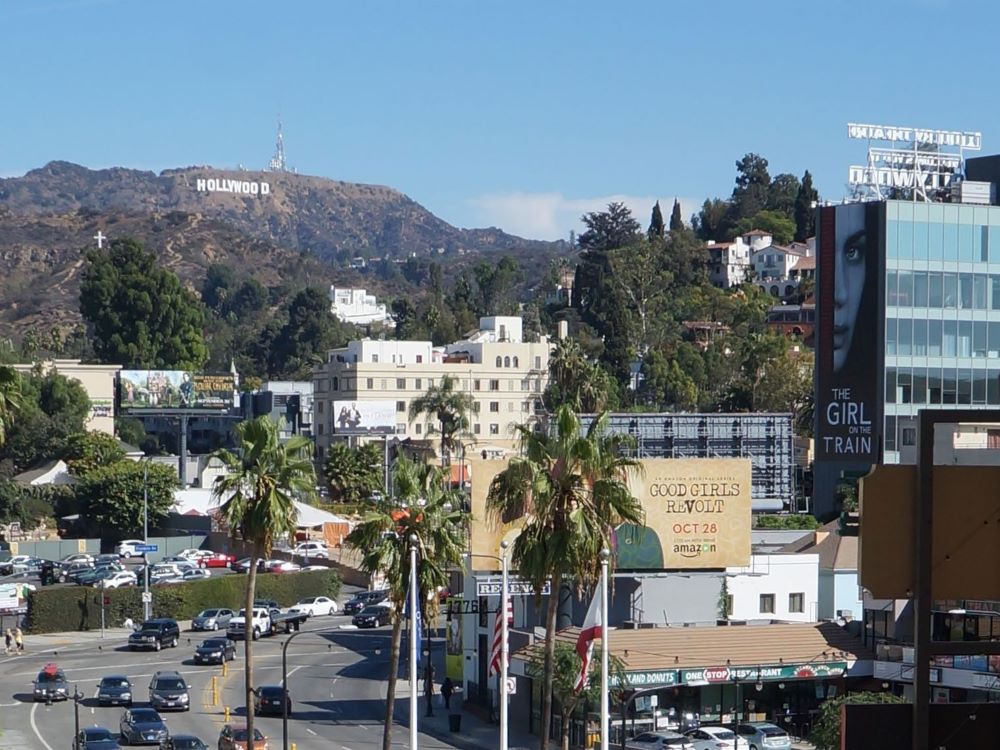
Neighborhood in the central region of Los Angeles. Its name has come to be a shorthand reference for the U.S. film industry and the people associated with it
Overview
The U.S. Virgin Islands are a Caribbean territory of about 87,000 people, made up of the islands of St. Thomas, St. John, and St. Croix and many smaller islands. Charlotte Amalie, on St. Thomas, is the capital, and the islands are known for white-sand beaches, clear water, and a blend of Danish, African, and Caribbean culture.
Visitors come for the beaches, snorkeling, sailing, and diving, and for the cruise-ship port and duty-free shopping in Charlotte Amalie. Others come to hike and swim on St. John, where much of the island is a national park, to tour the Danish colonial towns of Christiansted and Frederiksted on St. Croix, and to enjoy local rum, music, and food such as johnnycakes and fungi.
Geography
The Virgin Islands are volcanic islands in the northeastern Caribbean, about 40 miles east of Puerto Rico. St. Thomas and St. John are hilly, with Crown Mountain on St. Thomas, at 1,556 feet (474 m), the highest point, while St. Croix, the largest island, is flatter, with a rain forest in the west and a dry east end. The coastlines have bays, coral reefs, and mangroves, and the climate is tropical, with trade winds cooling the islands.
History
The Taino and Carib peoples lived on the islands when Christopher Columbus arrived in 1493. Spain, England, France, the Dutch, and Denmark all claimed parts, and Denmark developed sugar plantations worked by enslaved Africans. An uprising on St. Croix in 1848 led to emancipation, and the islands declined until the United States bought them from Denmark in 1917 for $25 million, mainly for their strategic location near the Panama Canal. Residents became U.S. citizens in 1927, and tourism has since become the main industry.
National Protected Areas
The Virgin Islands have several national park sites. Virgin Islands National Park covers about 60 percent of St. John, with beaches, coral reefs, and trails. Buck Island Reef National Monument off St. Croix protects an underwater snorkel trail, and Christiansted National Historic Site includes Fort Christiansvaern. The Salt River Bay National Historical Park and Ecological Preserve marks a site visited by Columbus, and Virgin Islands Coral Reef National Monument protects reefs off St. John.
Territorial Parks and Historic Sites
Territorial parks and historic sites include Magens Bay on St. Thomas, one of the most popular beaches in the Caribbean, and Coral World Ocean Park. Historic sites include Fort Frederik, Estate Whim, a restored sugar plantation, and Bluebeard's Castle. The Sandy Point National Wildlife Refuge is a nesting ground for leatherback turtles, and Point Udall is the easternmost point of the United States.
Seasons and When to Visit
The dry season, from December through April, is the busiest, with sunny weather and calm seas, and the shoulder months of May and November have lower prices. Hurricane season runs from June through November, and Hurricanes Irma and Maria hit the islands in 2017. Carnival takes place on St. Thomas in April, the St. John Festival is held around July 4, and St. Croix celebrates the Crucian Christmas Festival from December into January. Leatherback turtles nest from March to July.
This article uses material from the Wikipedia article "United_States_Virgin_Islands", which is released under the Creative Commons Attribution-Share-Alike License 3.0. Additional information was drawn from National Park Service, Virgin Islands Department of Planning and Natural Resources, and U.S. Virgin Islands Department of Tourism.