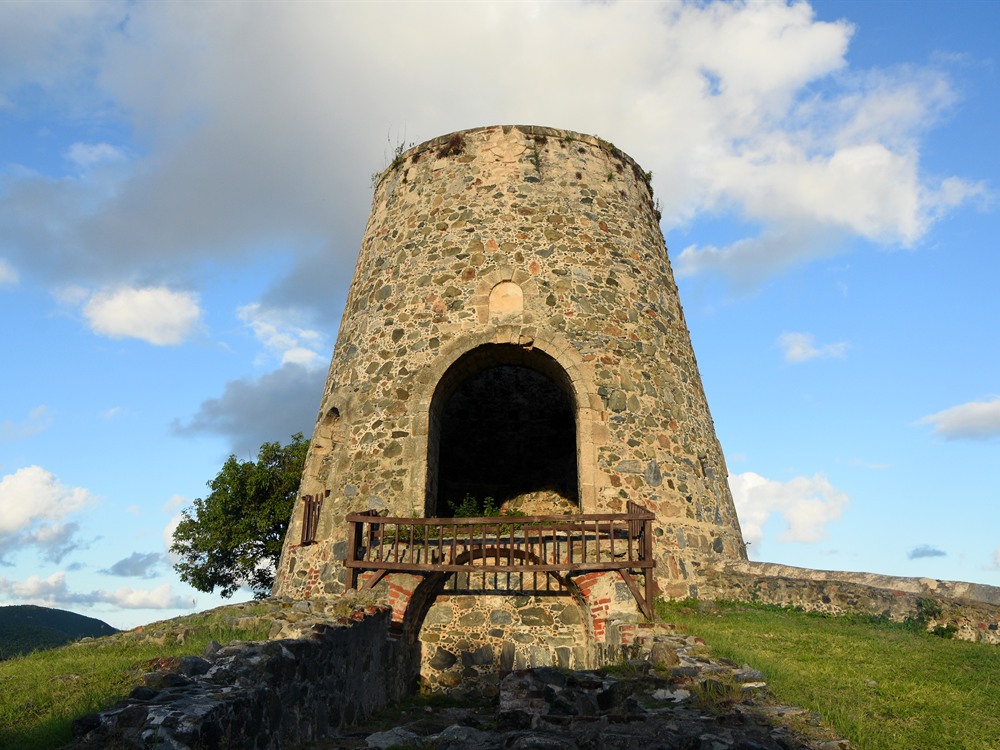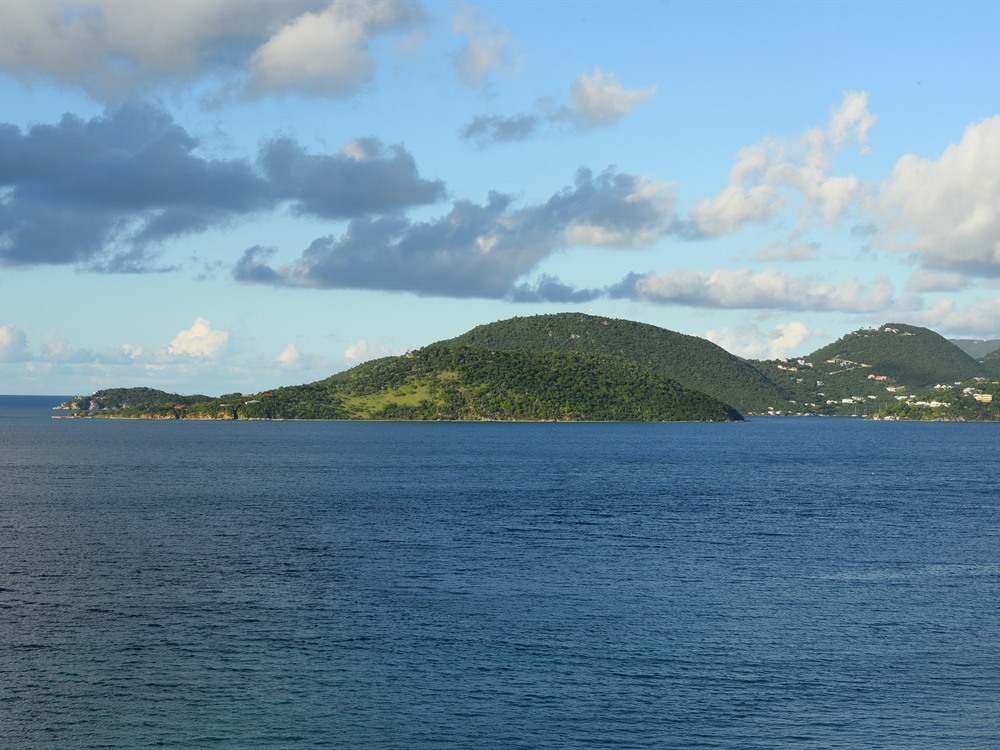
Historic plantation ruins preserving stone structures, windmill remains, and coastal views that illustrate centuries of Caribbean agricultural history.
General Information
- Hours:
- Open daily from sunrise to sunset
- Fees:
-
Free admission
National park entrance fee may apply elsewhere on the island - Pet Policy:
- Pets are not allowed
- Closest cities with hotels:
- Cruz Bay
- Seasons:
- All year; most comfortable weather from December to April
- Location:
- Annaberg, St. John, USVI
- Website:
- visitusvi.com
How to Get There
From Cruz Bay: Drive east on Centerline Road toward Coral Bay, follow signs for Annaberg, and park at the designated lot before walking the short paths through the historic ruins.
Overview
Overlooking the turquoise waters of the island’s north shore, the Annaberg Sugar Plantation stands as one of the most significant historic sites on St. John. Established in the early 18th century, the plantation once produced sugar and molasses using the forced labor of enslaved Africans. Today, stone walls, factory ruins, slave quarters, and windmill towers rise quietly above the sea, offering a powerful visual record of colonial-era industry and human endurance.
Preserved within Virgin Islands National Park, the site balances history and landscape, combining interpretive signage with open views toward the British Virgin Islands and surrounding cays. Trade winds sweep through roofless structures where cane was once crushed and boiled, allowing visitors to move freely through space and time. More than a ruin, Annaberg is a place of reflection—where Caribbean beauty and painful history coexist, inviting deeper understanding of the island’s cultural foundations.
This article uses material from the Wikipedia articles and official tourism pages for Annaberg Sugar Plantation and the U.S. Virgin Islands, which are released under the Creative Commons Attribution-Share-Alike License 3.0.