St Croix Travel Guide
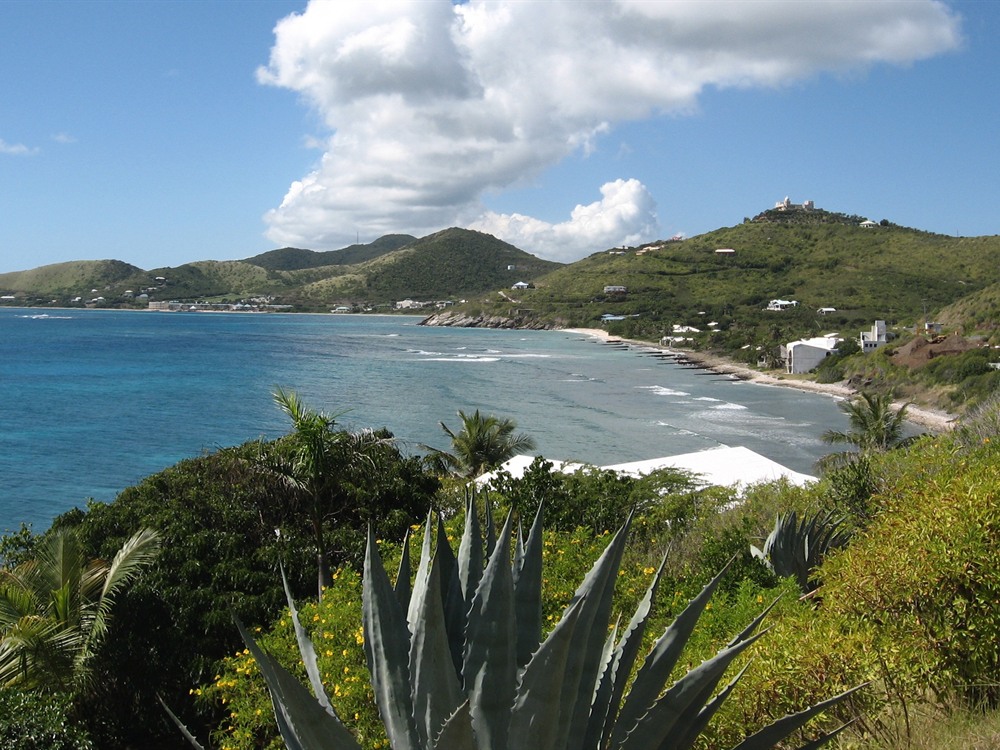
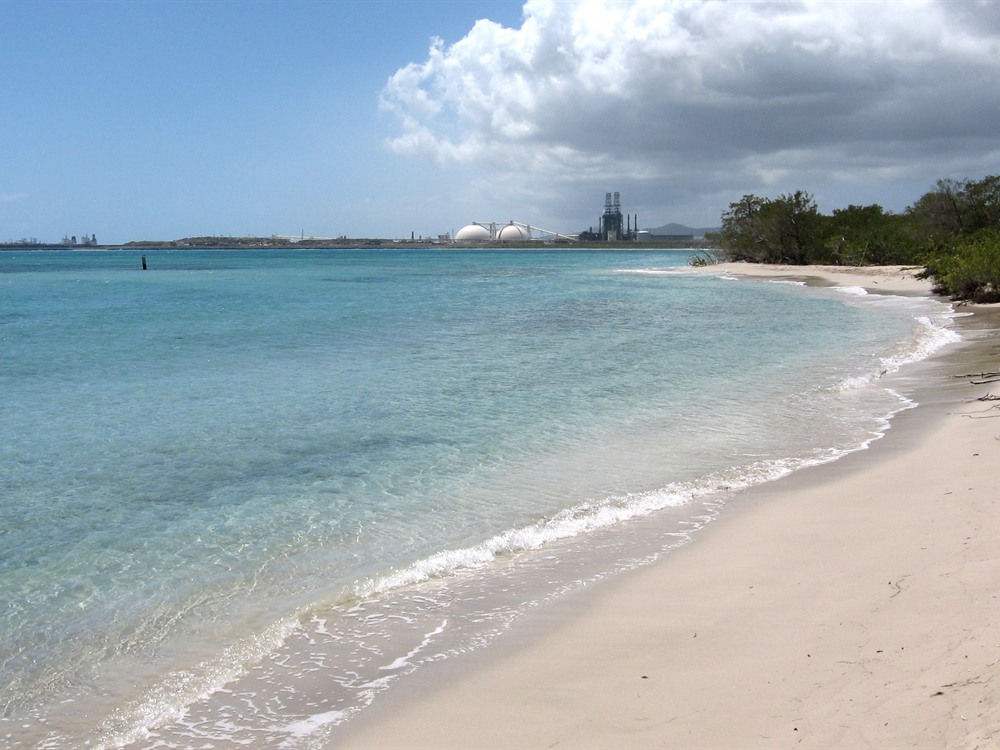
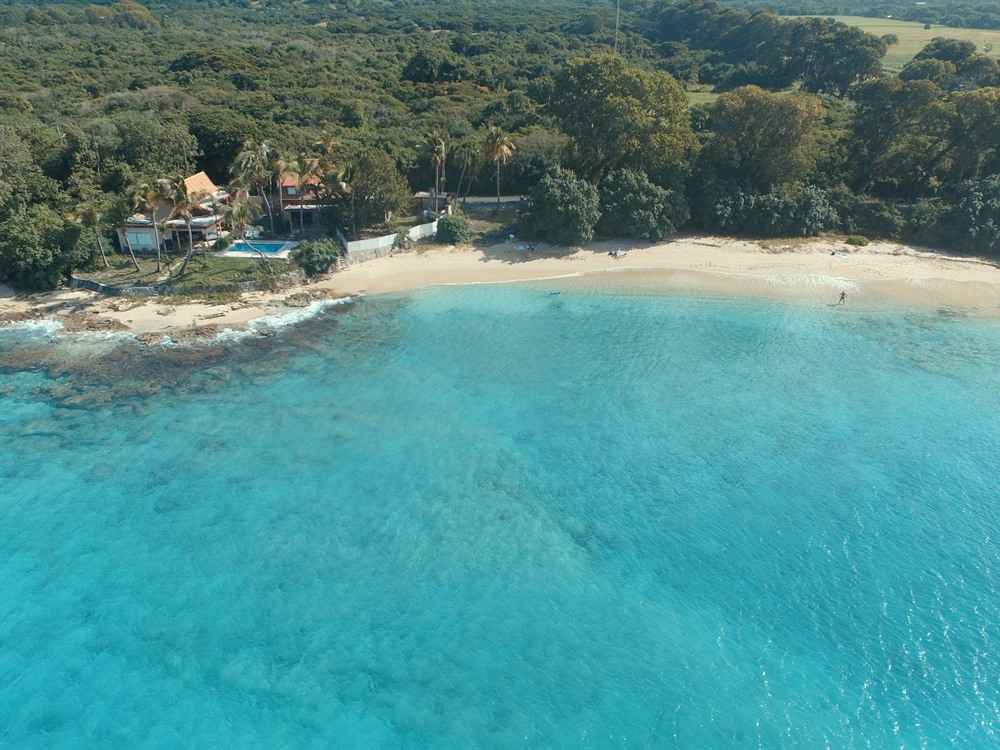
Largest of the U.S. Virgin Islands and offers a unique blend of natural beauty, rich history, and vibrant culture. Visitors can explore pristine beaches, lush rainforests, and historic sites such as Fort Christiansvaern. The island is also known for its vibrant arts scene, with numerous galleries and studios showcasing local talent. Whether you're looking to relax on the beach, hike through nature trails, or immerse yourself in the local culture, St Croix has something for everyone.
-400.jpg)

Places to See in St Croix
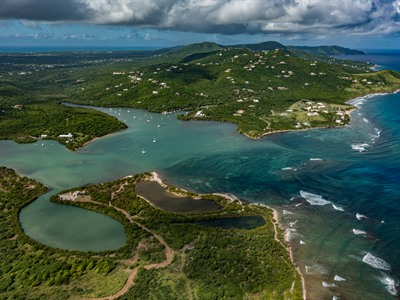
Dough4872, CC BY-SA 4.0, via Wikimedia Commons; Image Size Adjusted

Altona Lagoon
Quiet coastal lagoon surrounded by lush tropical scenery
Dough4872, CC BY-SA 4.0, via Wikimedia Commons; Image Size Adjusted
Annaly Bay
Remote bay known for tide pools and rugged coastline hikes
Dough4872, CC BY-SA 4.0, via Wikimedia Commons; Image Size Adjusted
Bio Bay
Bioluminescent bay glowing naturally in the water at night
Dough4872, CC BY-SA 4.0, via Wikimedia Commons; Image Size Adjusted
Buck Island
Protected marine island known for coral reefs and snorkeling
Dough4872, CC BY-SA 4.0, via Wikimedia Commons; Image Size Adjusted
Butler Bay Dive Site
Popular scuba diving area with reefs and shipwrecks
Dough4872, CC BY-SA 4.0, via Wikimedia Commons; Image Size Adjusted
Cane Bay Beach
Beach known for excellent snorkeling and sunset views
Dough4872, CC BY-SA 4.0, via Wikimedia Commons; Image Size Adjusted
Christiansted
Historic waterfront town with colorful colonial architecture
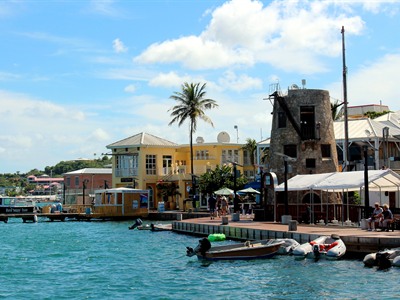
Dough4872, CC BY-SA 4.0, via Wikimedia Commons; Image Size Adjusted
Christiansted Boardwalk
Waterfront boardwalk lining Christiansted harbor with dining and culture
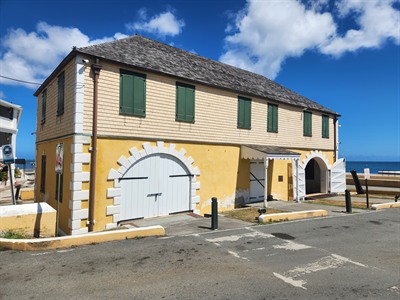
Dough4872, CC BY-SA 4.0, via Wikimedia Commons; Image Size Adjusted
Christiansted National Historic Site
Best collection of colonial-era Danish structures in the U.S. Virgin Islands
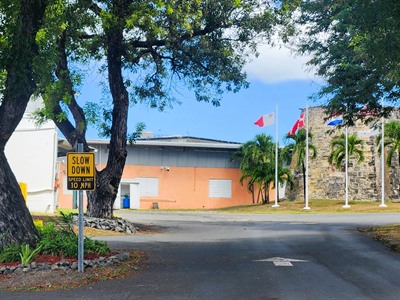
Dough4872, CC BY-SA 4.0, via Wikimedia Commons; Image Size Adjusted
Cruzan Rum Distillery
Well-known distillery offering tours and tastings
Dough4872, CC BY-SA 4.0, via Wikimedia Commons; Image Size Adjusted
Estate Whim Sugar Mill
Preserved colonial sugar plantation with restored great house and windmill
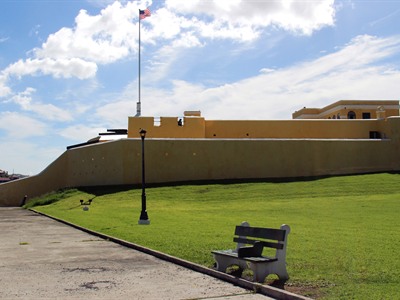
Dough4872, CC BY-SA 4.0, via Wikimedia Commons; Image Size Adjusted
Fort Christiansvaern
Danish fort built in the 1730s–1740s protecting Christiansted harbor
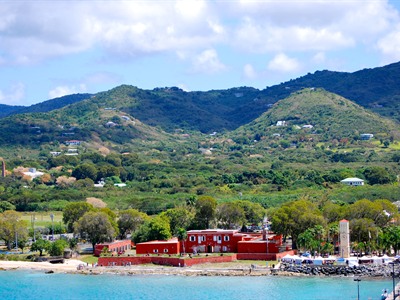
Dough4872, CC BY-SA 4.0, via Wikimedia Commons; Image Size Adjusted
Fort Frederik
Danish colonial fort overlooking the deep-water port of Frederiksted
Dough4872, CC BY-SA 4.0, via Wikimedia Commons; Image Size Adjusted
Frederiksted
Historic Danish colonial town on St. Croix's laid-back west end
Dough4872, CC BY-SA 4.0, via Wikimedia Commons; Image Size Adjusted
Frederiksted Pier
Shore-dive site with vertical reefs teeming with sponges, fish, and turtles
Dough4872, CC BY-SA 4.0, via Wikimedia Commons; Image Size Adjusted
Point Udall
Easternmost point in the US offering sunrise ocean views
Dough4872, CC BY-SA 4.0, via Wikimedia Commons; Image Size Adjusted
Salt River Bay National Historical Park
Bay with layered Indigenous, colonial, and ecological significance
Dough4872, CC BY-SA 4.0, via Wikimedia Commons; Image Size Adjusted
Sandy Point National Wildlife Refuge
Longest sandy beach in USVI and key leatherback sea turtle nesting site
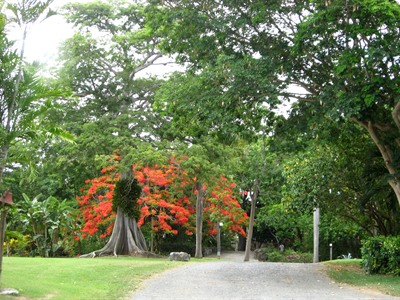
Dough4872, CC BY-SA 4.0, via Wikimedia Commons; Image Size Adjusted
St. George Village Botanical Gardens
Botanical gardens set on grounds of a former 18th-century sugar plantation
Overview
The largest of the U.S. Virgin Islands, St. Croix features rolling hills, and long coral-lined shores where the Caribbean Sea meets the Atlantic. Unlike its hillier neighbors, the island’s broad geography creates space for farmland, wetlands, and expansive beaches, while offshore reefs sustain one of the territory’s richest marine environments. From the salt ponds of the south shore to the lush rainforest rising around Mount Eagle, St. Croix presents a landscape shaped by contrast and scale.
St. Croix’s cultural fabric reflects centuries of global exchange, layered with West African, Danish, Caribbean, and American influences. The historic towns of Christiansted and Frederiksted preserve pastel arcades, stone forts, and waterfront plazas that recall the island’s colonial past and its role in sugar production and maritime trade. At the same time, Crucian culture is vividly alive—in music, food, and tradition—rooted in resilience, community, and a strong sense of place forged through both struggle and creativity.
For travelers, St. Croix offers experiences that blend heritage with adventure. World‑class snorkeling and scuba diving reveal underwater walls and shipwrecks just offshore, while hiking and cycling routes wind through rural landscapes rarely seen elsewhere in the Caribbean. Evenings settle into a slower rhythm, marked by glowing sunsets and the hum of island life rather than crowds. St. Croix invites visitors not only to explore its shores, but to understand an island that balances history, nature, and modern life on its own terms.
This article uses material from the Wikipedia articles and official tourism pages for St. Croix, U.S. Virgin Islands, which are released under the Creative Commons Attribution-Share-Alike License 3.0.