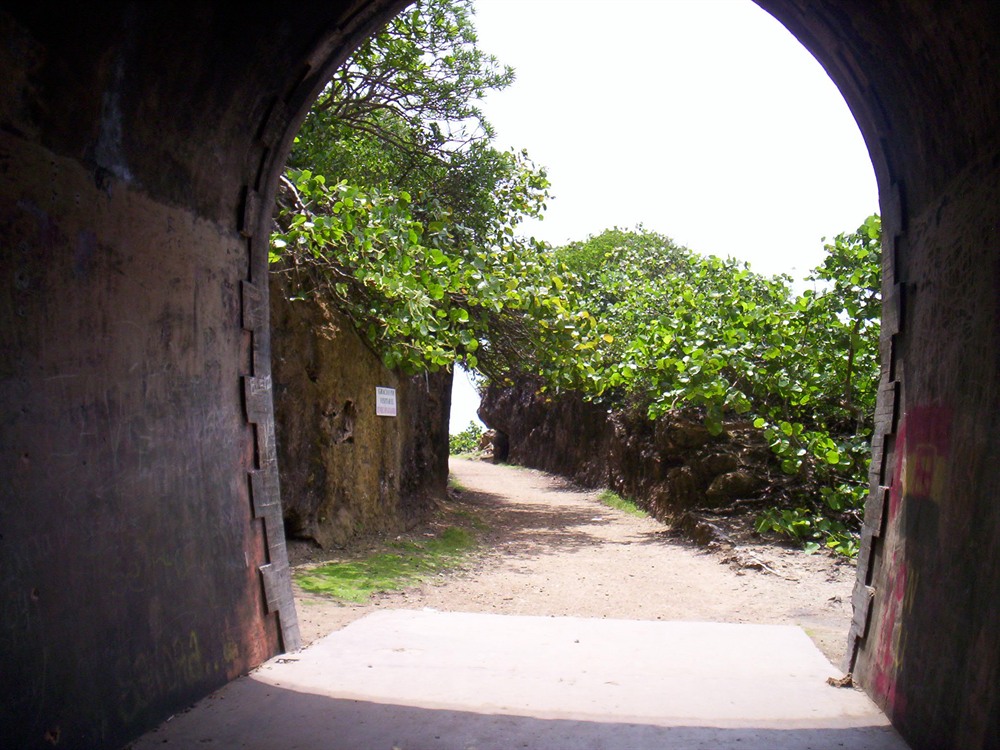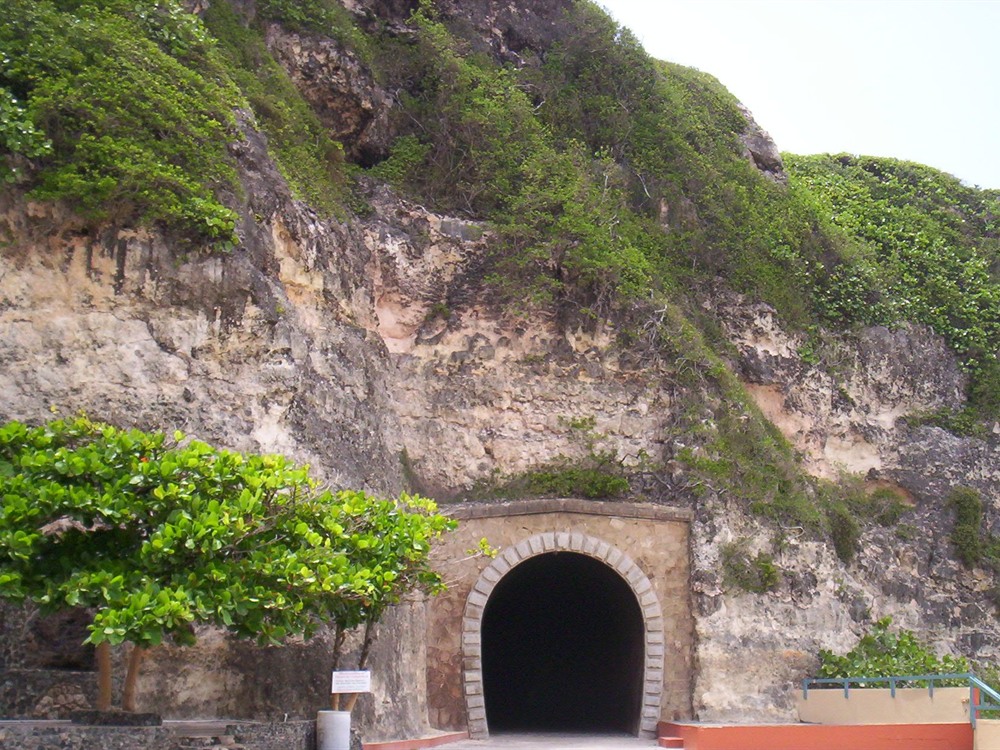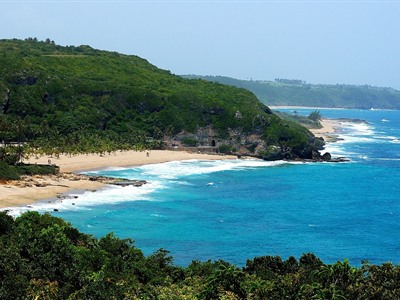
A dramatic abandoned railroad tunnel carved through coastal limestone cliffs, opening onto hidden beaches and sweeping Atlantic views on Puerto Rico’s northwest coast.
Rating:
General Information.
- Hours:
-
Open daily during daylight hours
No lighting inside the tunnel — daytime visits recommended
- Fees:
-
Free admission
- Pet Policy:
-
Dogs allowed; keep leashed and watch footing inside tunnel
- Closest cities with hotels:
-
Quebradillas, Isabela, Camuy
- Seasons:
-
Accessible year-round; best during dry weather and low tide
- Location:
- Quebradillas, Puerto Rico
- Website:
- No official site
Information available through local tourism and historical references
How to Get There
From San Juan (about 1 hour 45 minutes):
Take PR‑22 west toward Arecibo, continue onto PR‑2 west, then exit near Quebradillas. Follow signs toward Túnel de Guajataca or Playa Puerto Hermina. Parking is available near the trail entrance, followed by a short walk.
Overview
The Túnel de Guajataca is a fascinating relic of Puerto Rico’s early 20th‑century railroad system. Built around 1904, the tunnel once carried trains transporting sugarcane, goods, and passengers along the island’s northern coast. Carved directly through limestone cliffs, it linked Quebradillas with neighboring coastal areas before rail service was discontinued in the mid‑1900s.
Today, the abandoned tunnel serves as a popular walking passage and scenic viewpoint. Inside, the cool stone corridor opens at both ends to stunning views of the Atlantic Ocean, rugged cliffs, and secluded beaches below. Visitors often combine the tunnel with exploration of nearby Puerto Hermina Beach, sea caves, and the ruins of the old Fortín del Puerto Hermina. Equal parts historical landmark and natural attraction, the Túnel de Guajataca offers a rare blend of engineering history, coastal beauty, and quiet adventure away from crowded tourist routes.
This article is based on publicly available historical documentation and local tourism references related to the Guajataca railroad, northern coastal infrastructure, and Quebradillas, Puerto Rico, released under the Creative Commons Attribution-Share-Alike License 3.0.
General Information.
- Hours:
-
Open daily during daylight hours
No lighting inside the tunnel — daytime visits recommended - Fees:
- Free admission
- Pet Policy:
- Dogs allowed; keep leashed and watch footing inside tunnel
- Closest cities with hotels:
- Quebradillas, Isabela, Camuy
- Seasons:
- Accessible year-round; best during dry weather and low tide
- Location:
- Quebradillas, Puerto Rico
- Website:
- No official site
Information available through local tourism and historical references
How to Get There
From San Juan (about 1 hour 45 minutes): Take PR‑22 west toward Arecibo, continue onto PR‑2 west, then exit near Quebradillas. Follow signs toward Túnel de Guajataca or Playa Puerto Hermina. Parking is available near the trail entrance, followed by a short walk.
Overview
The Túnel de Guajataca is a fascinating relic of Puerto Rico’s early 20th‑century railroad system. Built around 1904, the tunnel once carried trains transporting sugarcane, goods, and passengers along the island’s northern coast. Carved directly through limestone cliffs, it linked Quebradillas with neighboring coastal areas before rail service was discontinued in the mid‑1900s.
Today, the abandoned tunnel serves as a popular walking passage and scenic viewpoint. Inside, the cool stone corridor opens at both ends to stunning views of the Atlantic Ocean, rugged cliffs, and secluded beaches below. Visitors often combine the tunnel with exploration of nearby Puerto Hermina Beach, sea caves, and the ruins of the old Fortín del Puerto Hermina. Equal parts historical landmark and natural attraction, the Túnel de Guajataca offers a rare blend of engineering history, coastal beauty, and quiet adventure away from crowded tourist routes.
This article is based on publicly available historical documentation and local tourism references related to the Guajataca railroad, northern coastal infrastructure, and Quebradillas, Puerto Rico, released under the Creative Commons Attribution-Share-Alike License 3.0.