American Samoa Travel Guide
Territory located in the South Pacific Ocean, consisting of five main islands and two coral atolls, known for its stunning natural beauty, including lush rainforests, pristine beaches, and vibrant coral reefs.
-400.jpg)
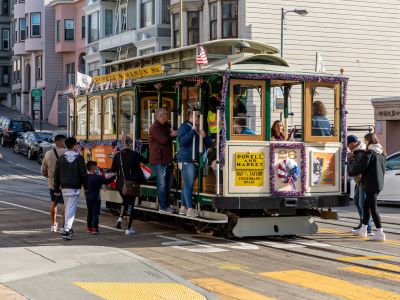

Places to See in American Samoa

© Pierre André, CC BY-SA 4.0, via Wikimedia Commons; Image Size Adjusted

American Samoa National Park
Neighborhood in the central region of Los Angeles. Its name has come to be a shorthand reference for the U.S. film industry and the people associated with it
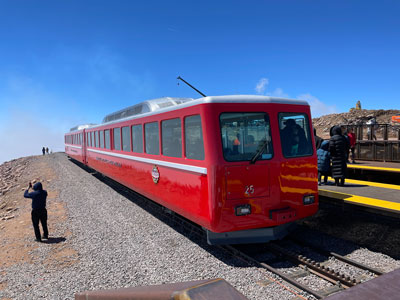
Dough4872, CC BY-SA 4.0, via Wikimedia Commons; Image Size Adjusted

Auasi Harbor
Quiet harbor area with scenic ocean views and local boats
Dough4872, CC BY-SA 4.0, via Wikimedia Commons; Image Size Adjusted
Aunuu Island National Natural Landmark
Small island known for volcanic features and tranquil lagoon
Dough4872, CC BY-SA 4.0, via Wikimedia Commons; Image Size Adjusted
Blunts Point Trail
Historic trail leading to a WWII lookout and harbor views
Dough4872, CC BY-SA 4.0, via Wikimedia Commons; Image Size Adjusted
Fatumafuti
Coastal village beneath dramatic cliffs and ocean scenery
Dough4872, CC BY-SA 4.0, via Wikimedia Commons; Image Size Adjusted
Pago Pago
Capital harbor town surrounded by lush mountains
Dough4872, CC BY-SA 4.0, via Wikimedia Commons; Image Size Adjusted
Palagi Beach
Remote beach known for clear water and peaceful setting
Dough4872, CC BY-SA 4.0, via Wikimedia Commons; Image Size Adjusted
Sadies by the Sea
Beachfront hotel and restaurant with ocean views
Dough4872, CC BY-SA 4.0, via Wikimedia Commons; Image Size Adjusted
Two Dollar Beach
Popular beach with small entrance fee and calm waters
Overview
Set deep in the South Pacific, American Samoa is the southernmost U.S. territory, a chain of volcanic islands of about 45,000 people where rainforest-covered peaks drop to coral-ringed seas. The seat of government is on Tutuila, with Pago Pago as the territory's capital and main harbor. It is an unincorporated territory, and its people are U.S. nationals.
Visitors come for the uncrowded beaches, snorkeling, and hiking, and to experience fa‘a Samoa, the Samoan way of life, centered on family, village councils, and church. Villages are organized around chiefs, or matai, and visitors are asked to respect customs such as Sunday rest and evening prayers. Samoan language and traditions remain strong, and the experience feels distinctly Polynesian.
Geography
American Samoa has five volcanic islands and two coral atolls: Tutuila and tiny Aunu‘u, the three Manu‘a islands of Ofu, Olosega, and Ta‘u, uninhabited Rose Atoll, and Swains Island. Tutuila has steep ridges and the deep harbor of Pago Pago, formed in a volcanic crater. Lata Mountain on Ta‘u, at about 3,160 feet (964 m), is the highest point. The climate is tropical year-round, and the islands lie about 2,600 miles southwest of Hawaii.
History
Polynesian voyagers settled the Samoan islands about 3,000 years ago, and Manu‘a is considered the cradle of Samoan culture. European contact began in the 1700s, and the London Missionary Society brought Christianity in the 1830s. The Treaty of Berlin in 1899 divided the Samoan islands between Germany and the United States, and the U.S. Navy took over Tutuila for a coaling station at Pago Pago in 1900. The U.S. Navy administered the islands until 1951, and the territory now has its own constitution and elected governor, while its residents are U.S. nationals, not citizens by birth.
National Protected Areas
The National Park of American Samoa is the only U.S. national park south of the equator, and it protects rainforest, coral reefs, and fruit bat habitat on Tutuila, Ofu, and Ta‘u. The Fagatele Bay area is part of the National Marine Sanctuary of American Samoa, the largest marine sanctuary in the U.S. system, and Aunu‘u Island National Natural Landmark protects a volcanic crater with a quicksand-like swamp. Rose Atoll Marine National Monument is a remote seabird and turtle sanctuary.
Territorial Parks and Historic Sites
Territorial sites and beaches add to the experience. Two Dollar Beach and Palagi Beach are popular for swimming, Blunts Point has World War II gun batteries, and Turtle and Shark in Vaitogi is a village site tied to a Samoan legend. The Jean P. Haydon Museum in Pago Pago shows Samoan history and art, Mount ‘Alava has a cable car and hiking trail, and Vatia is a remote village reached by a trail.
Seasons and When to Visit
American Samoa has a tropical climate year-round, with temperatures near 80 degrees. The drier season runs from May to October, which is the most comfortable time to visit, and the wetter season runs from November to April, with heavy rain and occasional cyclones. Flag Day in April is a cultural celebration, with longboat races and traditional dance, and Sunday is a day of rest in villages. Flights arrive from Honolulu, and travelers should plan carefully because services are limited.
This article uses material from the Wikipedia article "American_Samoa", which is released under the Creative Commons Attribution-Share-Alike License 3.0. Additional information was drawn from National Park Service, American Samoa Government, and American Samoa Visitors Bureau.
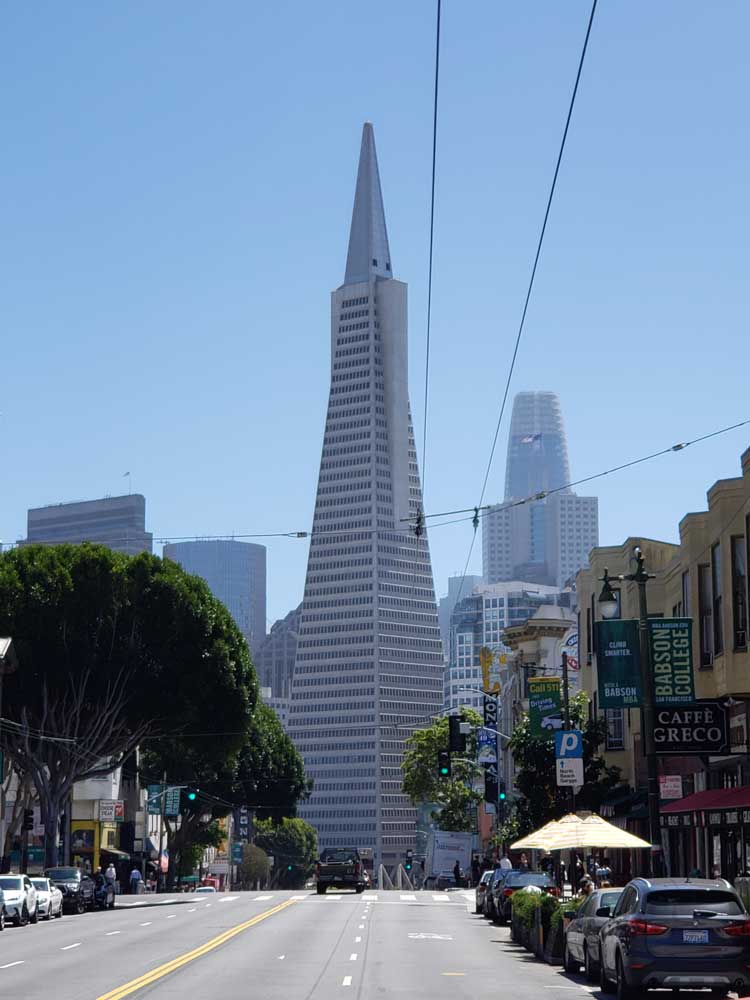
Transamerica Pyramid Building
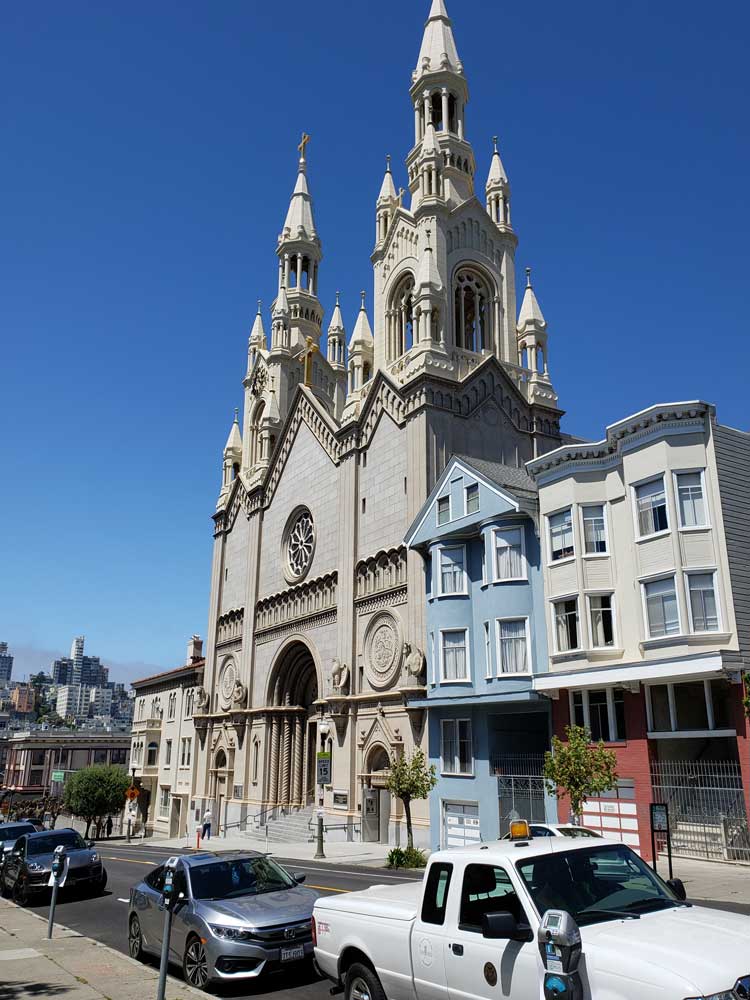
Saints Peter And Paul Church