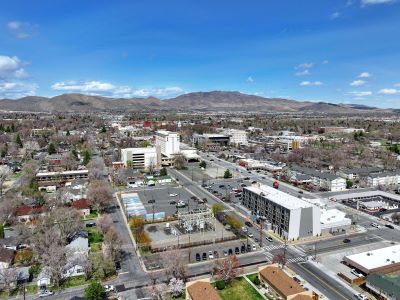

Historic mining community featuring remarkably preserved nineteenth-century architecture, museums, theaters, and cultural landmarks that showcase one of Nevada's most successful silver boomtowns.
General Information
- Hours:
- Open year-round; public streets and historic districts are accessible daily, while museums, businesses, and attractions maintain their own operating hours.
- Fees:
- No admission fee to visit the town; individual museums, tours, and attractions may charge separate fees.
- Pet Policy:
- Pets are generally permitted in public outdoor areas when leashed; individual businesses and attractions may have their own policies.
- Closest cities with hotels:
- Eureka (local lodging available)
- Seasons:
- All year; late spring through fall offers the most comfortable weather for walking tours and outdoor activities.
- Location:
- Eureka, NV
- Website:
- visiteurekanevada.net
How to Get There
From Ely (77 mi): Travel west on US-50 through the expansive basins and mountain ranges of central Nevada and continue directly into the historic downtown district along Main Street.
Overview
Eureka is a small town in central Nevada, the seat of Eureka County, set at about 6,500 feet along U.S. Route 50, the "Loneliest Road in America." Often called the "Friendliest Town on the Loneliest Road," it is one of the best-preserved mining towns in the West, with ornate brick buildings, an opera house, and a historic courthouse.
Visitors come to explore the historic district, to tour the old opera house and the museum, and to see the high desert and mountain country of central Nevada. With a population of under a thousand, Eureka offers a quiet, welcoming stop for travelers crossing the state, and it is a base for exploring ghost towns, rock art, and scenic drives.
Eureka was founded in 1864 after silver and lead ores were found in the area, and the town grew into a major smelting center, earning the nickname "the Pittsburgh of the West." At its peak in the 1870s it had thousands of residents, a railroad, and dozens of smelters. The mines declined by the 1890s, and fires destroyed some buildings, but many of the town’s brick and stone buildings survived, including the courthouse built in 1879.
The Eureka Opera House, built in 1880 and restored in the 1990s, is the town’s centerpiece, and the Jackson House Hotel, which dates to 1877, is among the oldest lodging buildings in the state. The Eureka County Courthouse and the old smelter ruins are also main landmarks, and the Hickison Petroglyph Recreation Area and other sites of central Nevada are a short drive west.
The Eureka Sentinel Museum, in the old newspaper office, displays the original printing presses and exhibits on local history, and the Eureka Opera House hosts performances and community events. The Eureka County Courthouse and historic main street give visitors a look at a 19th-century mining town, and local events celebrate the town’s heritage.
Eureka is surrounded by the Humboldt-Toiyabe National Forest and Bureau of Land Management lands, which offer hiking, camping, and backcountry driving. The nearby mountain ranges include the Diamond Mountains and the Roberts Mountains, and the area has old mining camps and ghost towns for exploring.
Eureka has a high desert climate. Summers are warm, with highs in the 80s °F and cool nights, and winters are cold, with highs in the 30s and 40s °F and regular snow. Spring and fall are mild, and the best months for travel are late spring through early fall.
This article uses material from the Wikipedia articles and official tourism pages for Eureka, Nevada, Travel Nevada - Eureka, Eureka, Nevada (Wikipedia), which are released under the Creative Commons Attribution-Share-Alike License 3.0.
Featured Locations
Eureka Opera House
Restored nineteenth-century performance venue featuring a grand auditorium, horseshoe balcony, historic stage, cultural exhibits, and architectural details that reflect the elegance of Nevada's silver mining era.
Jackson House Museum
Restored Victorian-era residence showcasing period furnishings, local artifacts, and exhibits that preserve the stories of pioneer families, mining development, and everyday life in nineteenth-century Nevada.