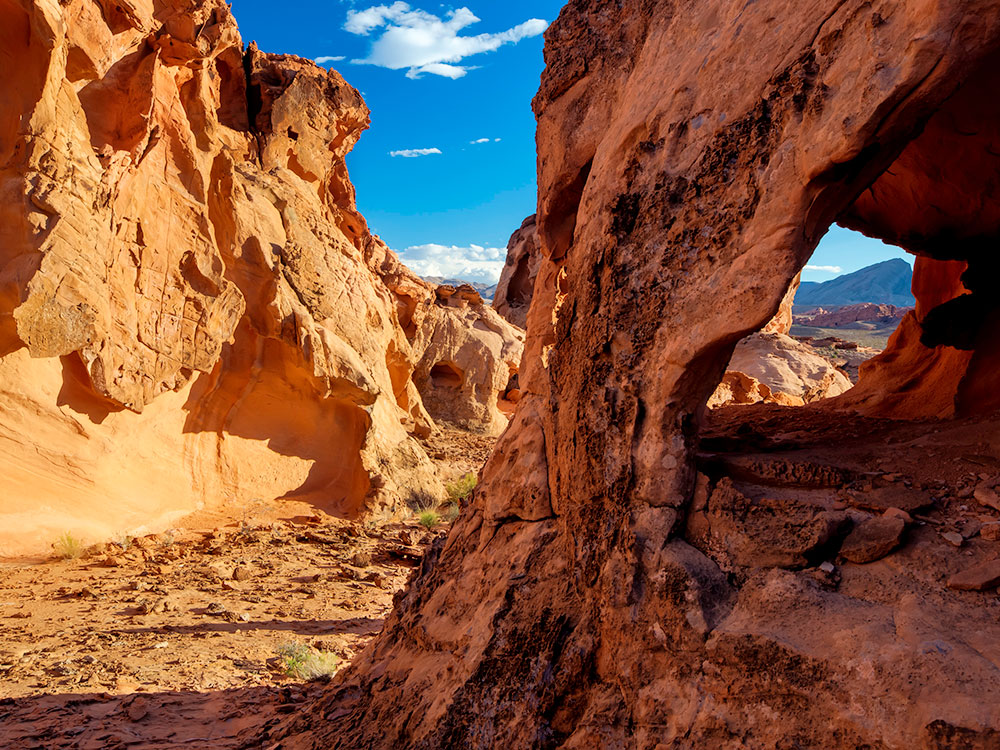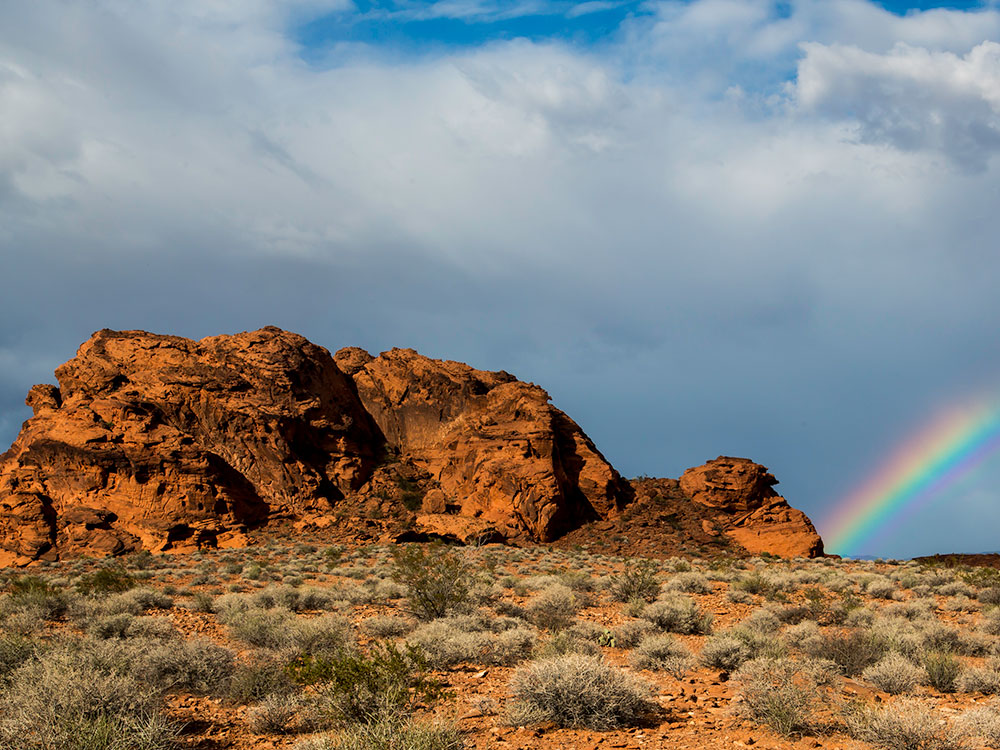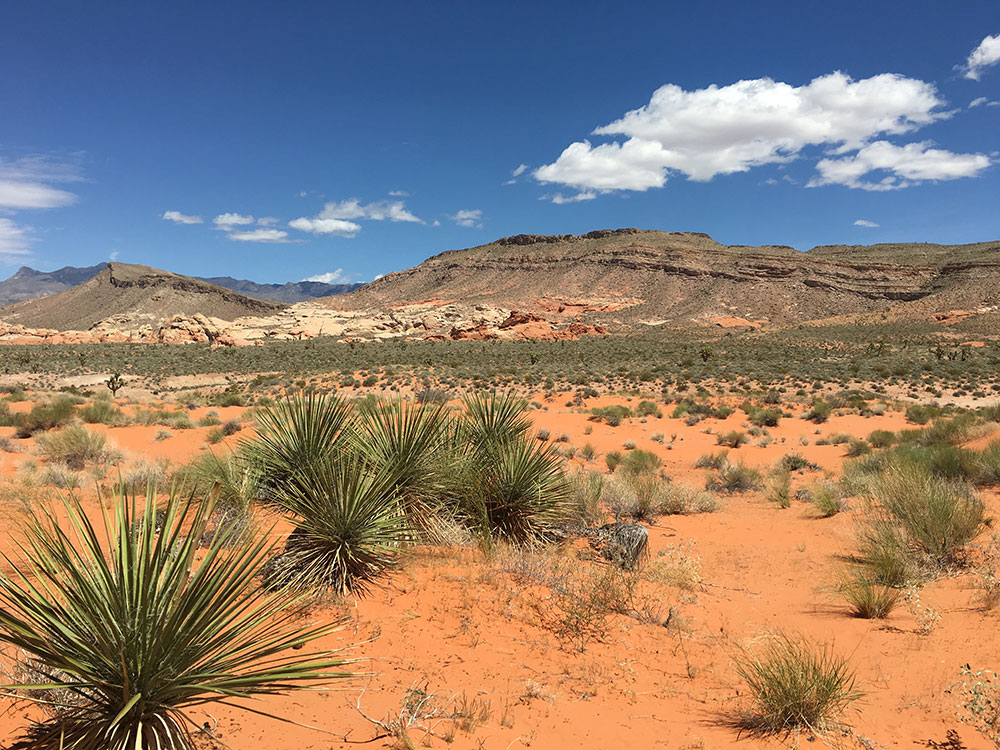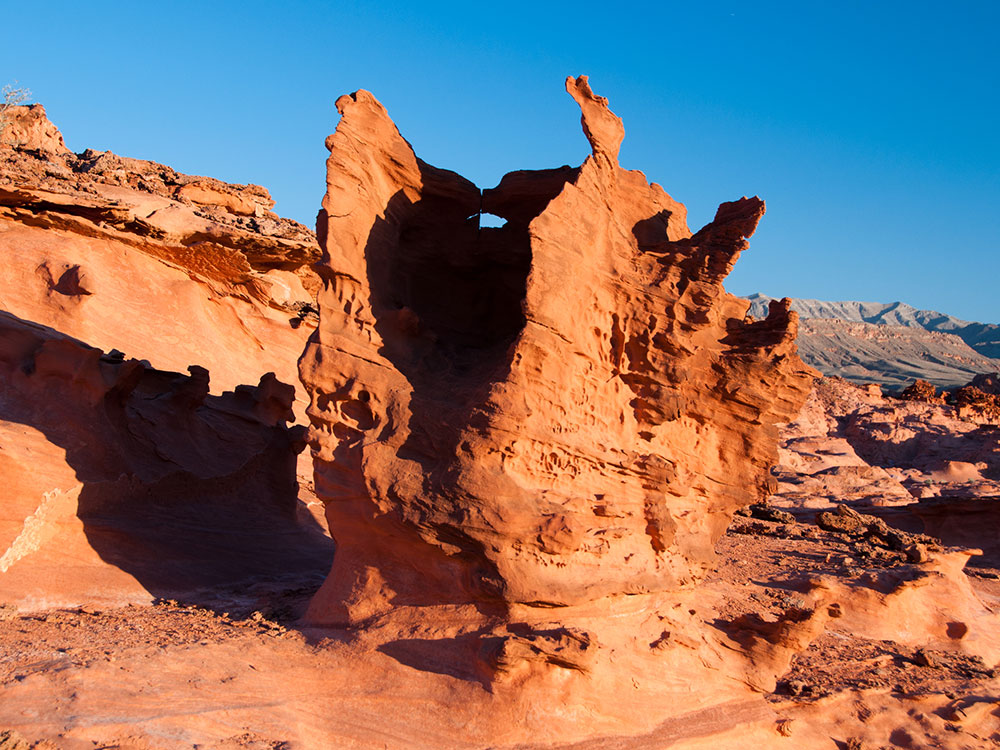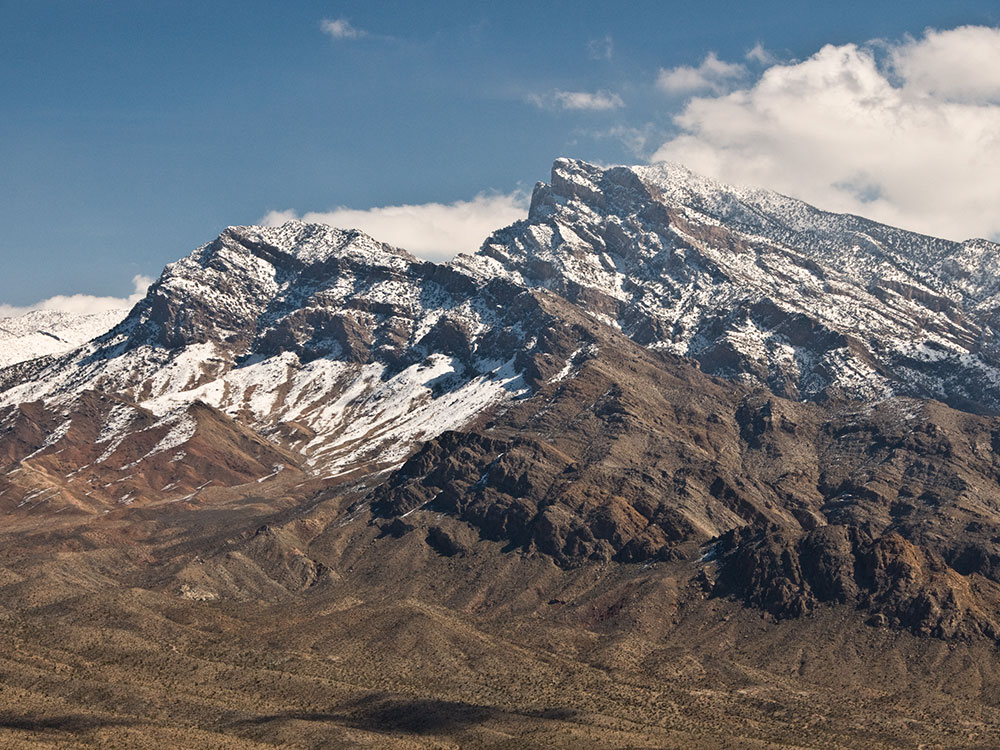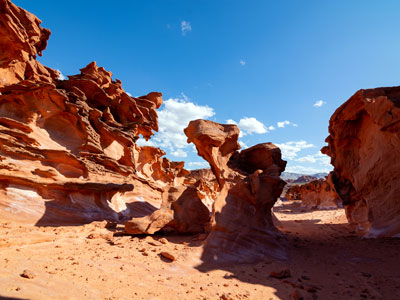

Historic community featuring preserved nineteenth-century buildings, pioneer landmarks, museums, and cultural sites that reflect the earliest years of Nevada settlement and mining history.
General Information
- Hours:
- Open year-round; public streets, historic district, and outdoor landmarks are accessible at all times, while individual businesses and attractions maintain their own operating hours.
- Fees:
- No admission fee to visit the town or historic district; fees may apply at select attractions and events.
- Pet Policy:
- Pets are generally permitted in outdoor public areas when kept on a leash; individual businesses may have their own policies.
- Closest cities with hotels:
- Carson City (12 mi)
- Seasons:
- All year; spring and fall offer the most comfortable temperatures for walking and sightseeing.
- Location:
- Dayton, NV
How to Get There
From Carson City (12 mi): Take US-50 East toward Dayton and continue along the Carson River corridor until you reach the historic downtown district centered around Pike Street and Shady Lane.
Overview
Dayton is a small historic town on the Carson River in western Nevada, at about 4,400 feet, between Carson City and Fallon and just off U.S. Route 50, the "Loneliest Road in America." It claims to be one of Nevada’s oldest settlements, where gold was first discovered in the state, and it preserves much of the character of the Old West.
Visitors come to stroll the historic downtown, to see the museum and old cemeteries, and to visit Dayton State Park along the river. The town is also a popular stop for travelers heading to Virginia City and Carson City, and its quiet streets and historic buildings offer a calm alternative to the area’s larger destinations.
Dayton began as a stopping place on the California Trail, and in 1849 Abner Blackburn discovered gold in nearby Gold Canyon, the first gold find in what would become Nevada. The town grew as a mining and milling center, then served as a Pony Express and stagecoach stop, and for a time it was a rival to Virginia City for the Comstock Lode. In 1961 the town became the backdrop for the film The Misfits, starring Marilyn Monroe and Clark Gable.
Historic Downtown Dayton contains old stores, saloons, and homes from the 1860s, and the Pony Express and stagecoach stop sites are marked. Dayton State Park preserves the Rock Point Mill and the Carson River corridor, and Fort Churchill State Historic Park, with the ruins of a Pony Express-era military post, is a short drive east.
The Dayton Museum, in an 1865 schoolhouse, displays artifacts and photographs from the area’s mining, ranching, and railroad history. The town’s historic cemeteries, old Chinese settlement site, and annual events such as the Dayton Valley Days celebration preserve the heritage of the Comstock era.
Dayton State Park offers walking trails along the Carson River and views of the old mill ruins, and the river itself is a quiet place for fishing and birdwatching. Fort Churchill State Historic Park and Lahontan State Recreation Area, a reservoir to the east, offer camping and boating.
Dayton has a high desert climate. Summers are hot and dry, with highs in the 90s °F, winters are cool, with highs in the 40s °F and light snow, and spring and fall are mild. Strong afternoon winds, known locally as the Washoe Zephyr, are common in the spring and summer.
This article uses material from the Wikipedia articles and official tourism pages for Dayton, Nevada, Historic Downtown Dayton, which are released under the Creative Commons Attribution-Share-Alike License 3.0.