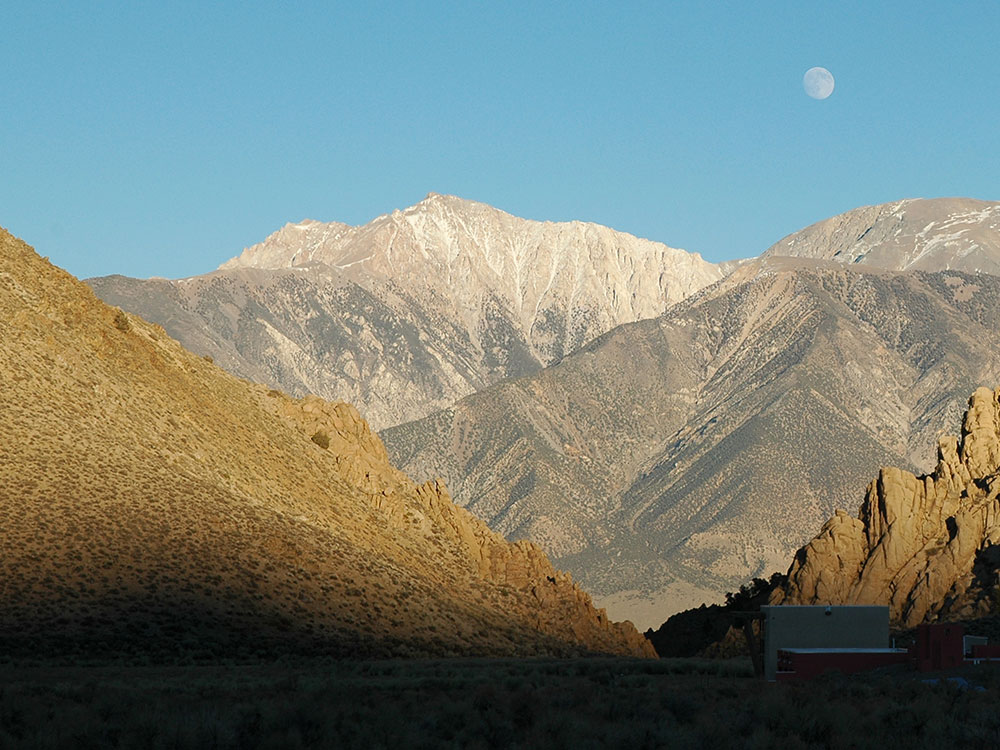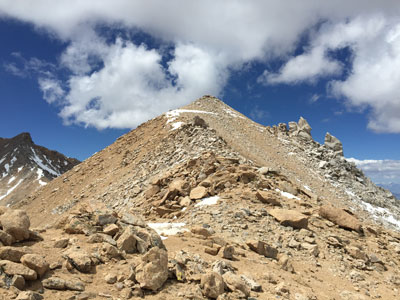
Historic mining community featuring nineteenth-century architecture, preserved churches, mountain scenery, museums, saloons, and outdoor recreation opportunities along Nevada's celebrated Highway 50 corridor.
General Information
- Hours:
- Open year-round; public streets and historic areas are accessible daily, while individual businesses, museums, and attractions maintain their own operating hours.
- Fees:
- No admission fee to visit the town; individual attractions, lodging, events, and museums may charge separate fees.
- Pet Policy:
- Pets are generally permitted in public outdoor areas when leashed; individual businesses may have their own policies.
- Closest cities with hotels:
- Austin (local lodging available)
- Seasons:
- All year; spring and fall offer the most comfortable weather for sightseeing and outdoor exploration.
- Location:
- Austin, NV
- Website:
- austinnevada.com
How to Get There
From Ely (112 mi): Follow US-50 West across central Nevada, crossing several Great Basin valleys and mountain passes before arriving in the historic community along Austin's Main Street.
Overview
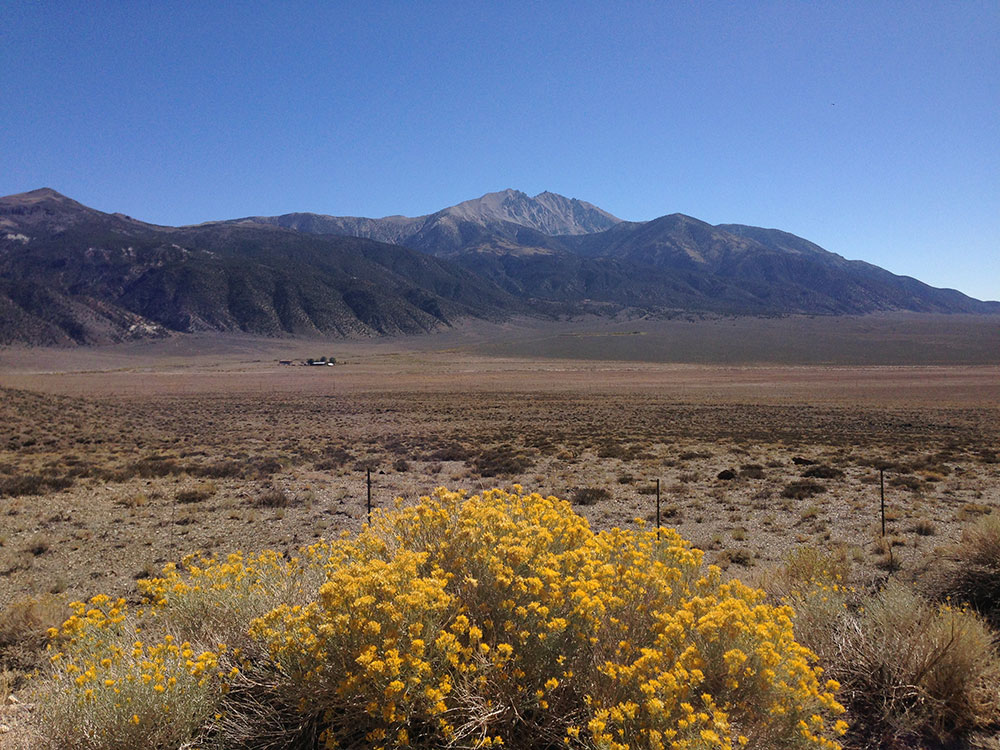
Austin is one of Nevada’s best-preserved mining towns, perched at about 6,600 feet in the Toiyabe Range along U.S. Route 50, the "Loneliest Road in America." With a population of only a couple hundred, it is a quiet outpost of old stone and brick buildings surrounded by the vast mountains and valleys of the Great Basin.
Visitors come for a taste of the historic Nevada that few tourists see, with a main street of 19th-century buildings, nearby ruins and petroglyphs, and the long, empty highway that makes the drive across central Nevada an adventure in itself. Austin is a good base for exploring Stokes Castle, Hickison Petroglyph Recreation Area, and Spencer Hot Springs.
Austin was founded in 1862 after silver was discovered in the Reese River district, and it grew quickly into one of the state’s most important mining centers, with thousands of residents and a bustling main street. It was a stop on the Pony Express and the Overland Stage route and the seat of Lander County until 1979. The mines declined in the 1880s, but the town continued as a mining and ranching community, and many original buildings remain.
The town’s most famous landmark is Stokes Castle, a three-story stone tower built in 1897 and modeled on a Roman villa, which sits on a hillside above town. Austin’s historic churches, including St. George’s Episcopal Church, and the old brick and stone buildings along Main Street date to the 1860s, and the road over Austin Summit offers views across the valley.
Austin’s small local museums and historic buildings preserve mining equipment, photographs, and stories of the silver boom. The hospitality of the town’s few shops and cafes gives visitors a sense of community life in the rural West.
Austin is surrounded by the Humboldt-Toiyabe National Forest. The Spencer Hot Springs area offers natural soaking pools in an open valley, Kingston Canyon has hiking, camping, and fishing, and Hickison Petroglyph Recreation Area, east of town, features ancient rock art and a campground.
Austin has a high desert climate with cold winters and warm summers. Summer highs are in the 80s °F with cool nights, winters have highs in the 30s and 40s °F with snow at times, and spring and fall are mild. Services are limited, so travelers should plan ahead, especially in winter.
This article uses material from the Wikipedia articles and official tourism pages for Austin, Nevada, Travel Nevada - Austin, which are released under the Creative Commons Attribution-Share-Alike License 3.0.