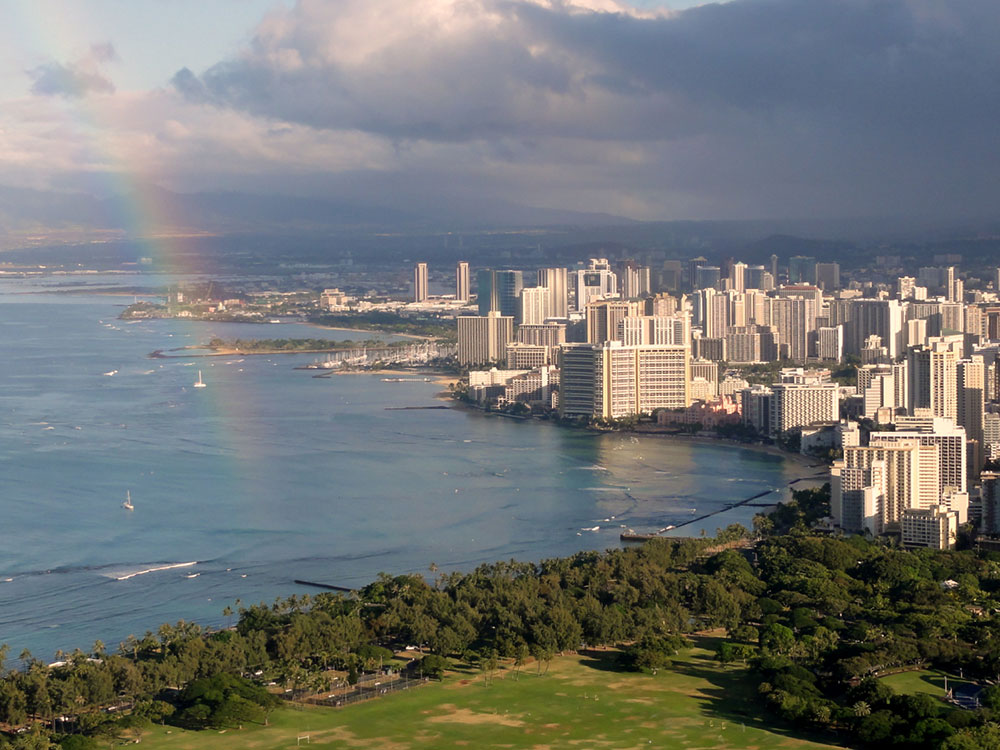
Volcanic crater offering a historic hiking trail through tunnels and bunkers with panoramic views of Honolulu and the Pacific Ocean.
General Information
- Length:
- 1.6 miles roundtrip (summit trail)
- Elevation Gain:
- 560 feet
- Difficulty:
- Moderate
- Hours:
-
Daily: 6:00 AM to 6:00 PM
Last entry at 4:00 PM
Closed Christmas and New Year’s Day - Fees:
-
Hawaii Residents: Free with ID
Non-Residents: $5 per person
Children 3 and under: Free
Parking (Non-Residents): $10 per vehicle - Pet Policy:
- Pets are not allowed
- Closest cities with hotels:
- Honolulu, HI
- Seasons:
- All year
- Location:
- Diamond Head Rd, Honolulu, HI 96815
- Website:
- dlnr.hawaii.gov
How to Get There
From Honolulu, HI (5 mi): Take H-1 E to 6th Ave, continue onto Monsarrat Ave, then follow Diamond Head Rd to the park entrance.
Overview
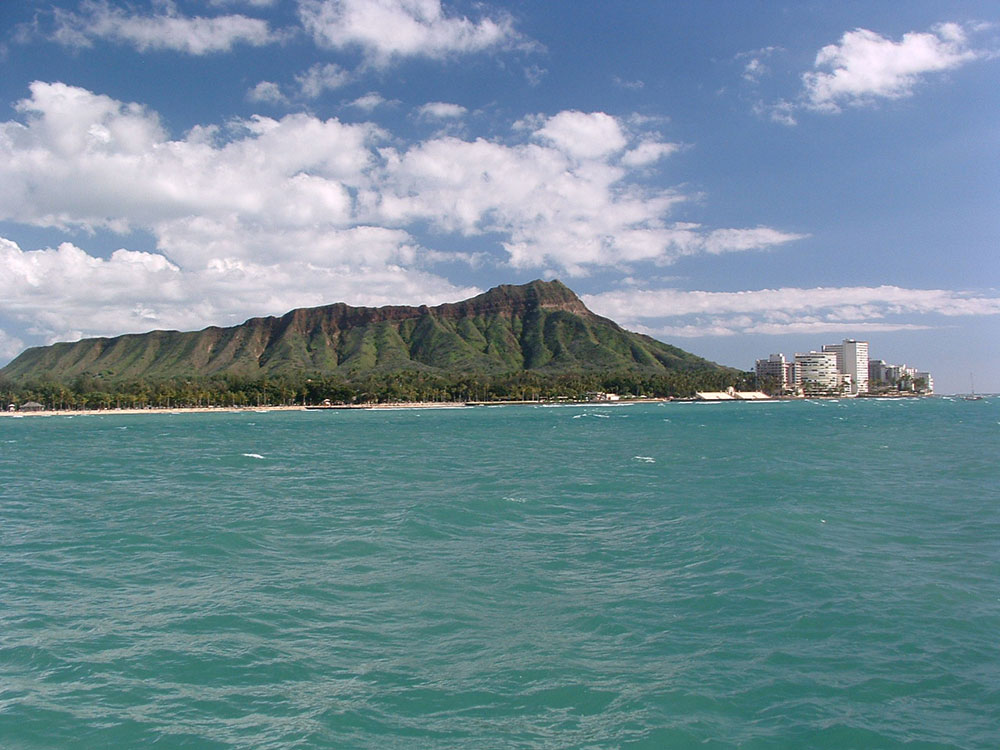
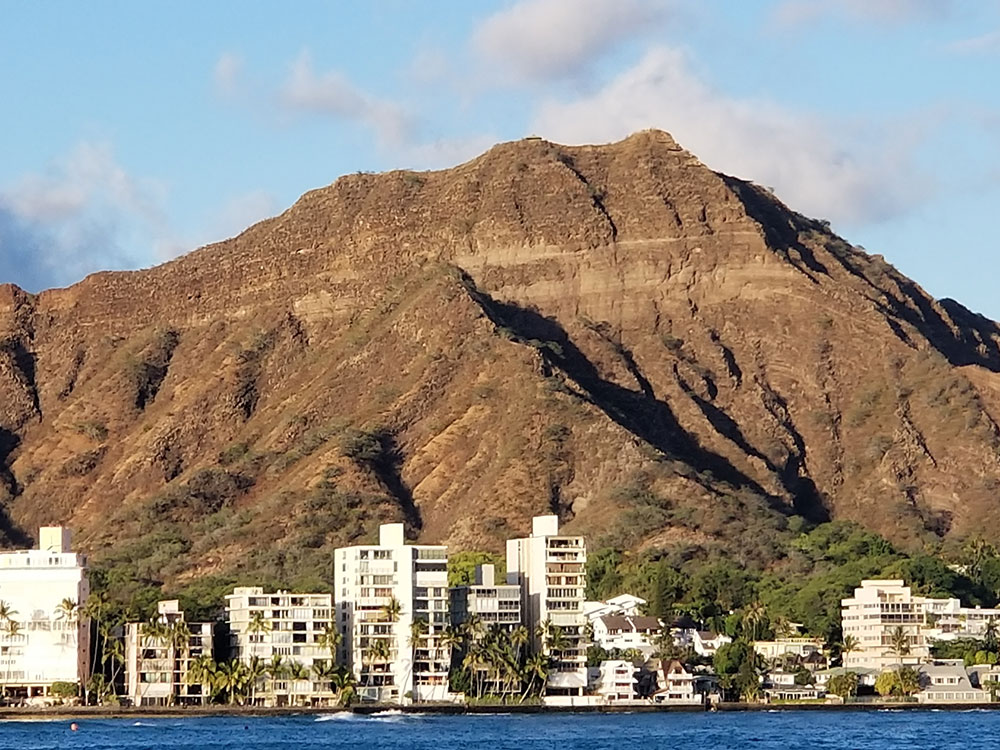
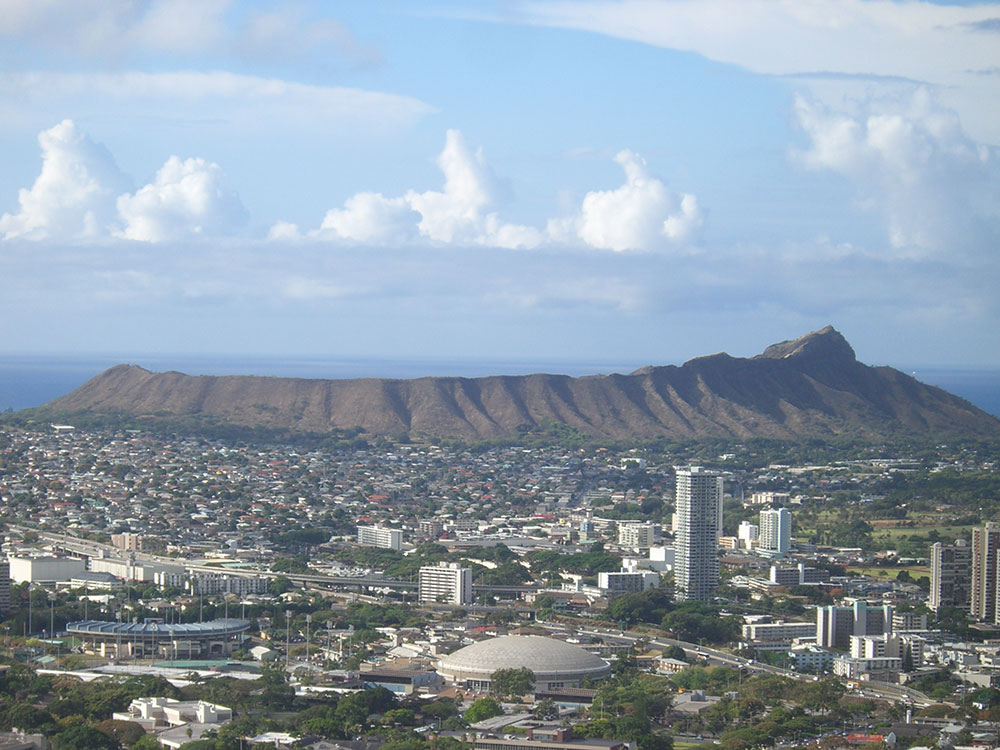
Diamond Head, known in Hawaiian as Lēʻahi, is a volcanic tuff cone that rises about 760 feet above the shore at the eastern end of Waikīkī and is one of the best-known landmarks in Hawaiʻi. The crater formed about 300,000 years ago in a short, explosive eruption and was later used by the U.S. military as a coastal defense site, with tunnels, bunkers and a fire control station still visible near the summit. Protected as Diamond Head State Monument, it has a popular trail to the summit that rewards hikers with sweeping views of Waikīkī, Honolulu and the Pacific. People come for the short but steep hike, the history and one of the island's most iconic panoramas.
Access
Diamond Head is about 5 miles east of Honolulu's center and only a few minutes from Waikīkī. The entrance is on the crater's inland side, reached by Diamond Head Road and Monsarrat Avenue, through a tunnel into the crater. Visitors can drive, take a taxi or rideshare, or use public transit and tour shuttles from Waikīkī. Non-resident visitors need a reservation for entry and parking, which should be made well in advance on the state parks website, because limited spots fill quickly.
Seasons
The monument is open year-round, with the trail open from early morning until the afternoon. The hike is exposed and hot in midday, so go early for cooler temperatures, softer light and the best views. Winter and spring bring clearer air, while summer afternoons can be hot and humid. Trade winds provide a breeze at the summit, and rain showers are brief. The trail can be crowded on weekends and holidays, and the park is closed on some holidays such as Christmas and New Year's Day.
Things to Do
Hike to the Summit of Diamond Head
The Summit Trail is one of the most popular hikes in Hawaiʻi, climbing the crater wall to the top. The hike takes about 1.5 to 2 hours round trip and ends at a viewing platform with sweeping views.
See Waikīkī and Honolulu From Above
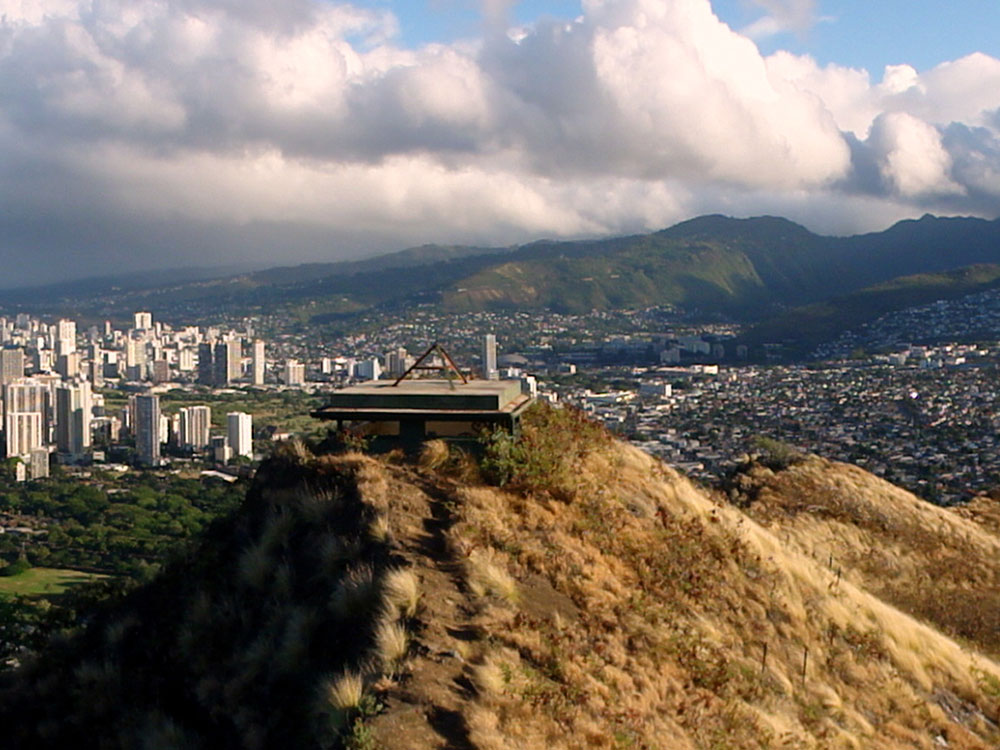
From the summit, visitors can see Waikīkī Beach, downtown Honolulu, the Koʻolau Mountains and the open ocean. It is one of the best photo spots on the island.
Explore Historic Military Features
Trail features include a 225-foot tunnel, steep stairways and a fire control station, which show how the crater was used for coastal defense. Interpretive signs describe the history of the structures.
Learn About Diamond Head's Geology
Displays explain how the cone formed and why it is called Lēʻahi, as well as how the crater has changed over time. The crater floor is a unique landscape of grasses and dry-forest plants.
Walk Around Diamond Head Lighthouse and Coast
Outside the crater, the Diamond Head Road lookouts and shoreline offer views of surfers, ships and the lighthouse. It is a pleasant addition to the hike.
Top Trails
Diamond Head Summit Trail
Length: Approximately 1.6 miles round trip
Elevation Gain: Approximately 560 feet
Difficulty: Moderate
This paved and rocky trail climbs from the crater floor through switchbacks, a tunnel and steep stairs to the summit. It is steep in places and exposed to the sun, so bring water and start early.
Diamond Head Coastal Lookout Walk
Length: Approximately 0.5 miles round trip
Elevation Gain: Minimal
Difficulty: Easy
A short walk along Diamond Head Road leads to lookouts over the shoreline and lighthouse. It is a nice option for those who prefer an easier outing.
Visitor Centers
Diamond Head State Monument has an entrance area and visitor information near the crater floor, with restrooms, a small snack stand, interpretive displays and staff who can answer questions. There is also a visitor center with exhibits about the volcano's geology and history. Reservations, fees and current conditions are listed on the Hawaiʻi State Parks website, and the entrance station verifies reservations for non-residents.
Camping and Lodging
There is no camping or lodging inside the monument. Waikīkī, only minutes away, has the island's largest range of hotels, including the Royal Hawaiian, Moana Surfrider, Halekulani, Hilton Hawaiian Village, Sheraton Waikiki and many mid-range and budget options, as well as condos and vacation rentals. Kāhala, just east, has the luxury Kāhala Hotel and Resort, and Downtown Honolulu and Ala Moana have more choices. About 35 to 40 minutes away, Ko Olina has resorts such as Aulani. Camping is available at several state and county parks on the island by permit. Check each property's website for current availability.
This article uses material from the Wikipedia article and official pages for Diamond Head State Monument (Lēʻahi), Hawaii State Parks: Diamond Head State Monument, released under the Creative Commons Attribution-Share-Alike License 3.0.