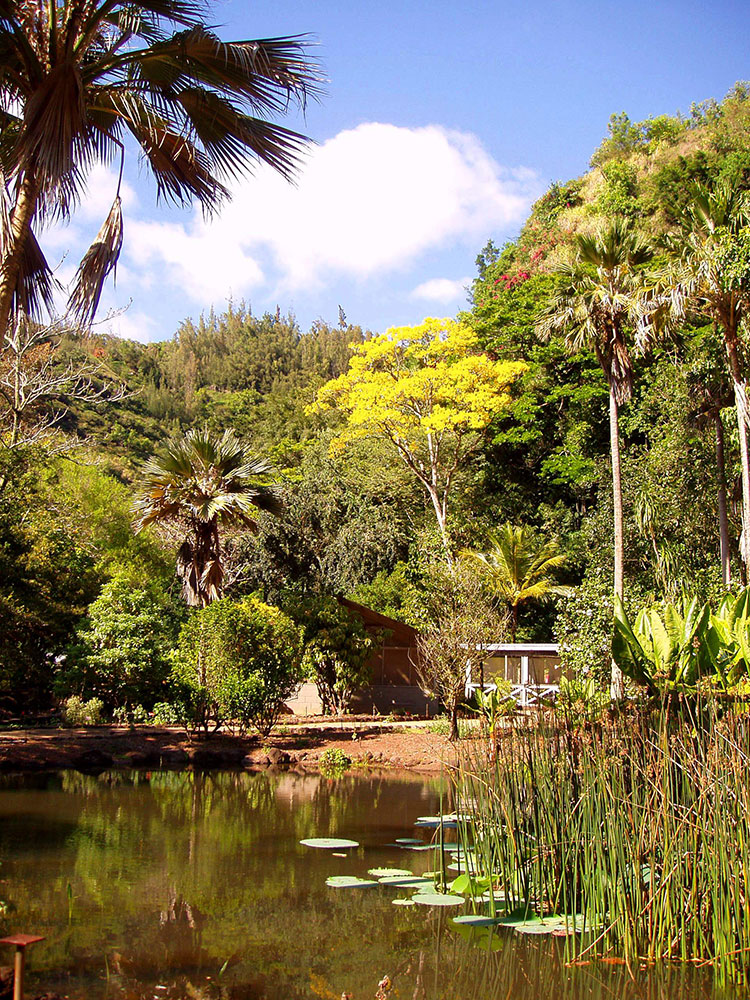
Lush cultural and botanical sanctuary featuring a scenic waterfall hike, native Hawaiian gardens, and immersive cultural experiences.
General Information
- Hours:
-
Daily: 9:00am – 5:00pm
Waterfall swim access: 9:00am – 4:00pm - Fees:
-
Adults: $25
Seniors/Students: $20
Children (4–12): $15
Kamaʻāina/Military: $10 adults, $6 children
Shuttle to waterfall: $10 one-way - Pet Policy:
- Pets are not allowed
- Closest cities with hotels:
- Haleiwa (5 mi)
- Seasons:
- All year; best visited early morning or late afternoon for fewer crowds
- Location:
- 59-864 Kamehameha Hwy, Haleiwa, HI 96712
- Website:
- waimeavalley.net
How to Get There
From Honolulu, HI (33 mi): Take H-1 W to H-2 N, then follow HI-99 and HI-83 N to the entrance across from Waimea Bay.
Overview
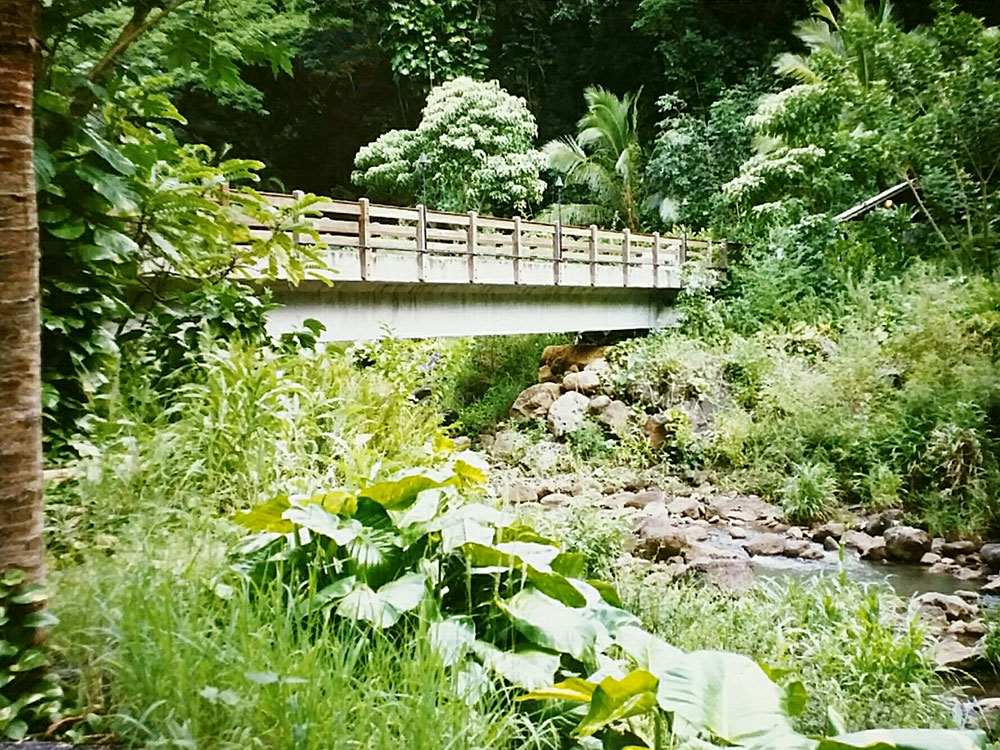
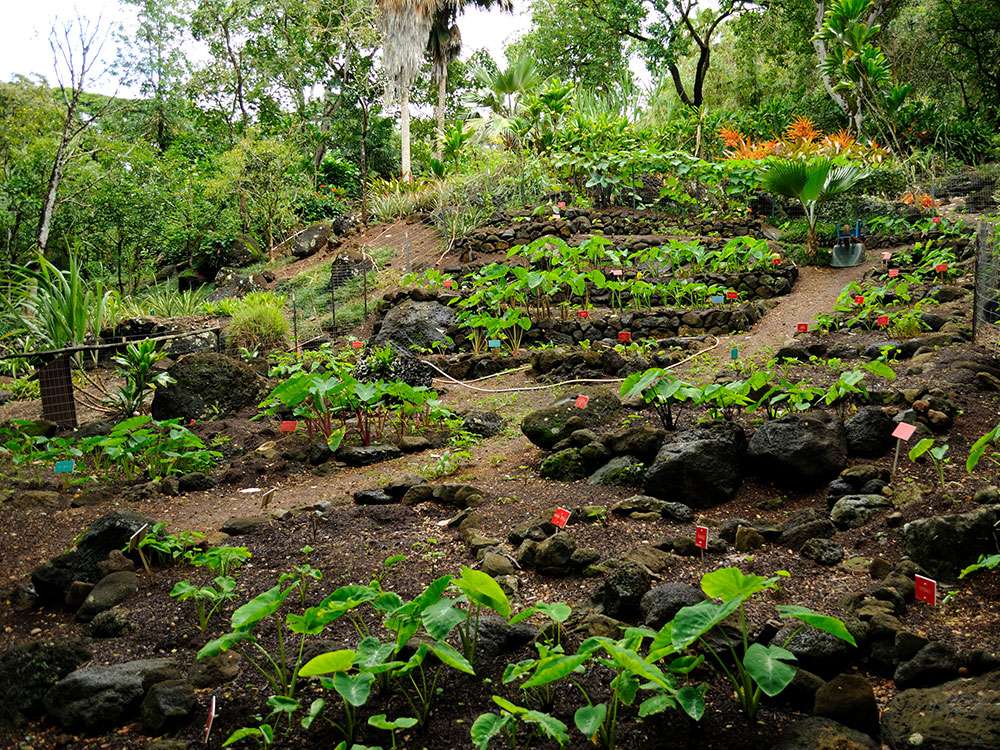
Waimea Valley on Oahu’s North Shore is a historical nature park and botanical garden in a valley of major cultural and spiritual importance. Once one of Polynesia’s most prosperous farming communities, it was famous for its pink taro and was known as “the valley of the priests.” The garden runs about three-quarters of a mile up the valley to a small waterfall and swimming hole at the back.
What to See
- Botanical collections: 35 collections with some 5,000 taxa, including one of the finest collections of Polynesian plants, very rare Hawaiian plants, endangered species of Lord Howe Island, and gardens for Guam, Madagascar, the Mascarenes, the Ogasawara Islands and the Seychelles.
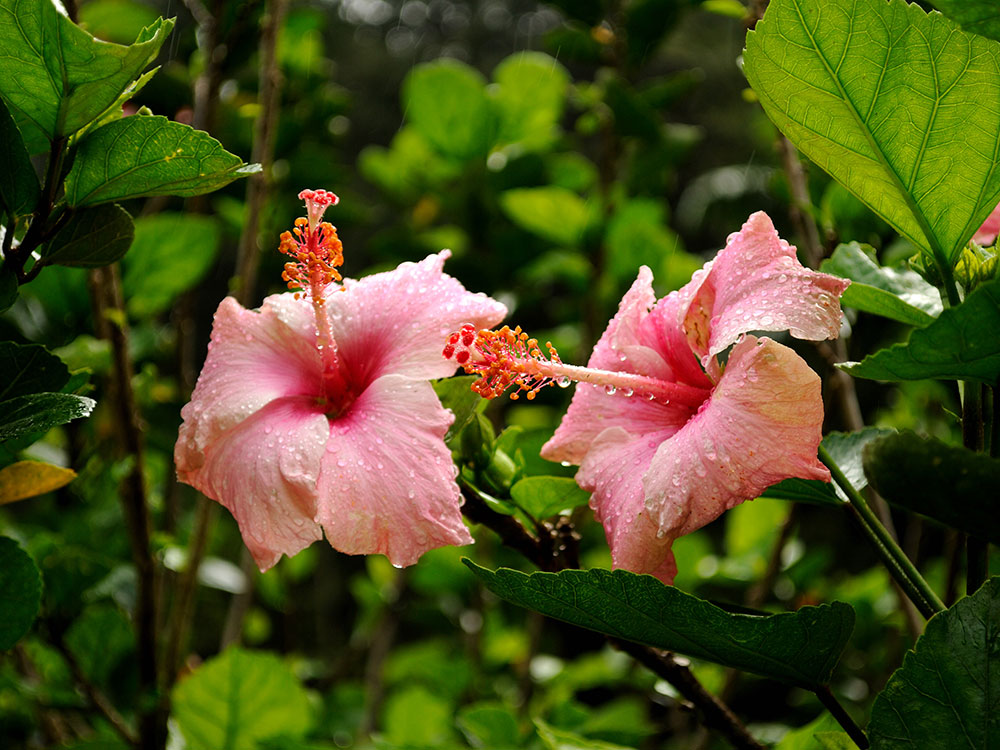
- Other gardens: hibiscus, heliconia, bamboo, begonia, ferns and tropical fruit.
- Cultural sites: stone terraces and walls from the monarchy period. Oahu’s largest heiau overlooks the valley.
- Waterfall and swimming hole at the valley’s end.
History
- In 1092, the valley was given to the high priests, eventually becoming the home of the Paʻao priesthood. After Kamehameha conquered Oahu, he gave the valley to Hewahewa to maintain its sacred importance.
- The crews of the Resolution and Discovery were the first Europeans to land on Oahu, shortly after Captain Cook’s death in 1779.
- The park was managed by the city until 2003, the National Audubon Society until 2008, and then by Hiʻipaka LLC, created by the Office of Hawaiian Affairs.
This article uses material from the Wikipedia article "Waimea Valley", which is released under the Creative Commons Attribution-Share-Alike License 3.0