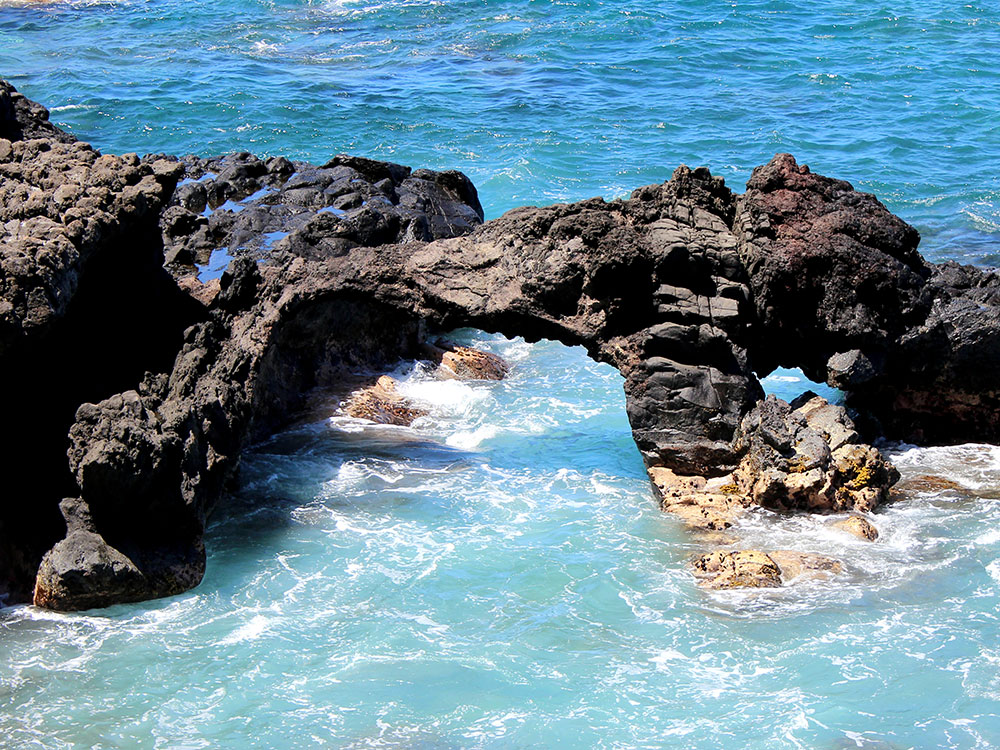
Remote coastal park featuring rugged trails, dramatic cliffs, native seabird sanctuaries, and panoramic views of Oʻahu’s northwestern tip.
General Information
- Hours:
- Daily: 6:00am – 7:00pm
- Fees:
- Free public access
- Pet Policy:
- Pets are not allowed in the Natural Area Reserve section
- Closest cities with hotels:
- Waianae (6 mi)
- Seasons:
- All year; best visited November to May for wildlife viewing
- Location:
- Kaena Point, Waianae, HI
- Website:
- hawaiistateparks.org
How to Get There
From Honolulu, HI (44 mi): Take H-1 W to Farrington Hwy and continue to the end of the road at Kaʻena Point State Park.
Overview
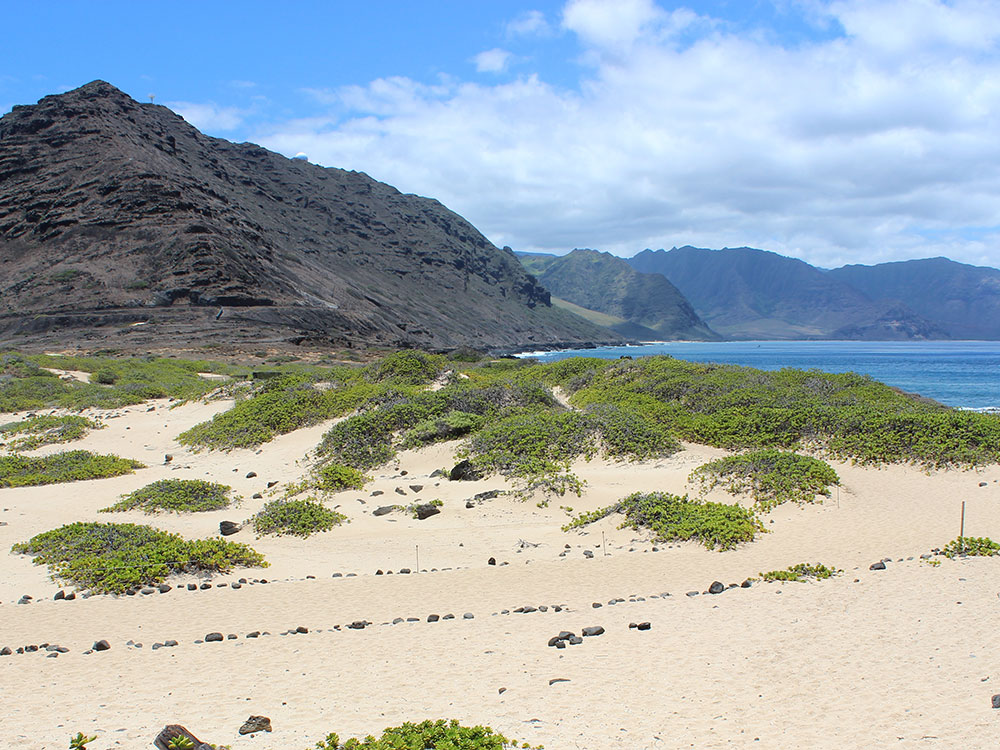
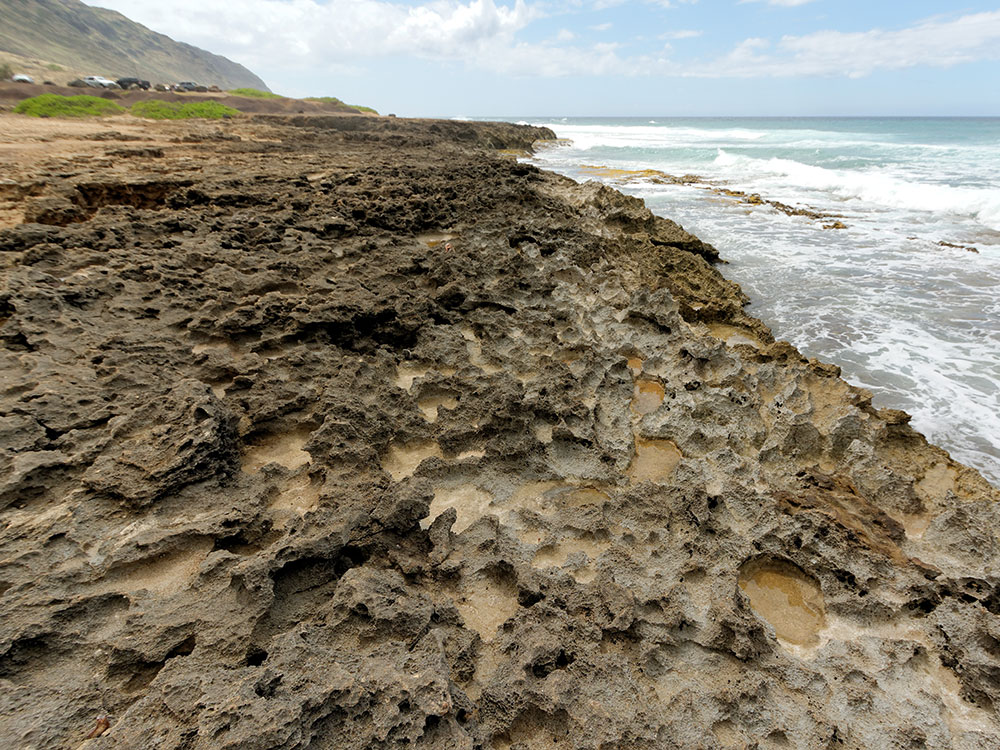
Kaʻena Point is the westernmost tip of Oʻahu, a wild and windswept coastal reserve of sand dunes, lava shoreline and native plants that is protected as Kaʻena Point State Park and the Kaʻena Point Natural Area Reserve. It is one of the last intact coastal dune ecosystems in Hawaiʻi and a vital nesting area for seabirds such as the Laysan albatross and the wedge-tailed shearwater, and for Hawaiian monk seals that haul out on the beaches. In Hawaiian tradition, the point is Leina a ka ʻUhane, a place where souls leap into the next world. Visitors come for the coastal hike, the wildlife and the feeling of reaching the end of the island.
Access
Kaʻena Point can be reached on foot from two sides. From the Waiʻanae side, visitors drive to the end of Farrington Highway beyond Mākaha, and from the North Shore side they drive to the end of the road past Mokulēʻia. Both trailheads are about 45 to 60 minutes from Honolulu, and the two routes do not connect by road. The trails are unpaved, so most visitors arrive by car and walk or hike about 2.5 miles to the point. There is no public transportation, and car break-ins are a known problem, so do not leave valuables in the vehicle.
Seasons
The reserve is open year-round during the day. The seabird nesting season, when Laysan albatrosses are most visible, runs from roughly November through July, with chicks hatching in winter and fledging in summer. Winter also brings huge North Shore swells that crash on the coast, so stay well away from the water. Summers are hot, dry and exposed, so hike early in the morning with plenty of water. Dogs and bikes are not allowed in the reserve to protect the wildlife, and visitors should keep a safe distance from seals and nests.
Things to Do
Hike to the Westernmost Tip of Oʻahu
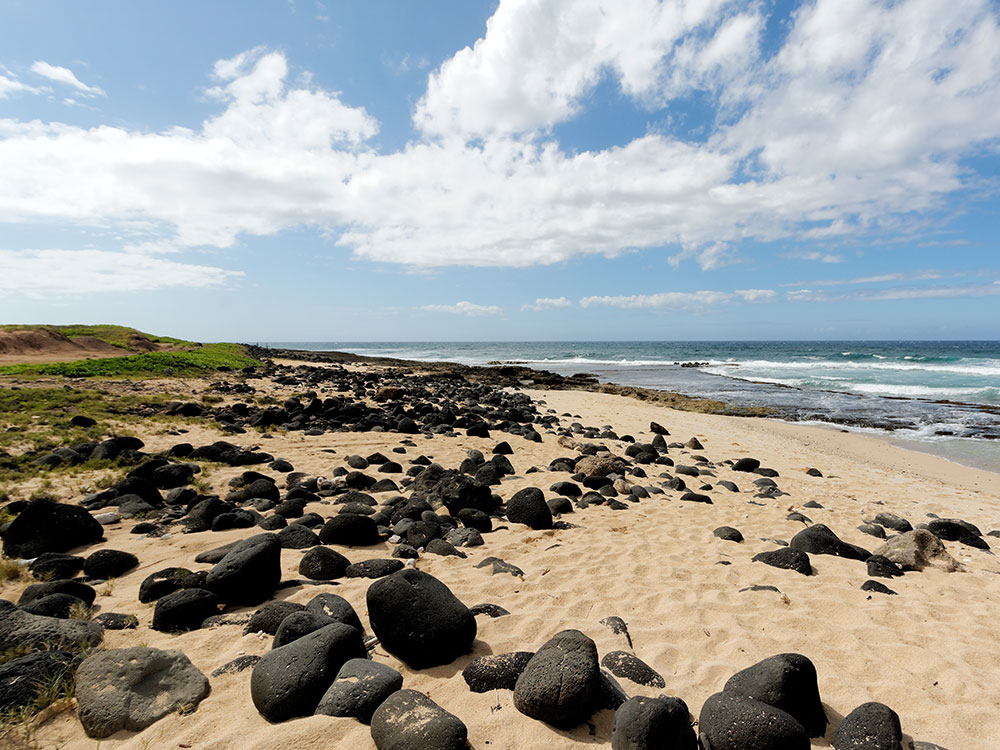
Kaʻena Point is a rugged and remote place that feels far from the city. The hike, along a coastal path with surf on one side and cliffs on the other, is one of the island's classic walks.
Watch for Laysan Albatross and Seabirds
Inside the predator-proof fence, albatross, shearwaters and other seabirds nest on the ground. Visitors should keep a respectful distance and stay on the path.
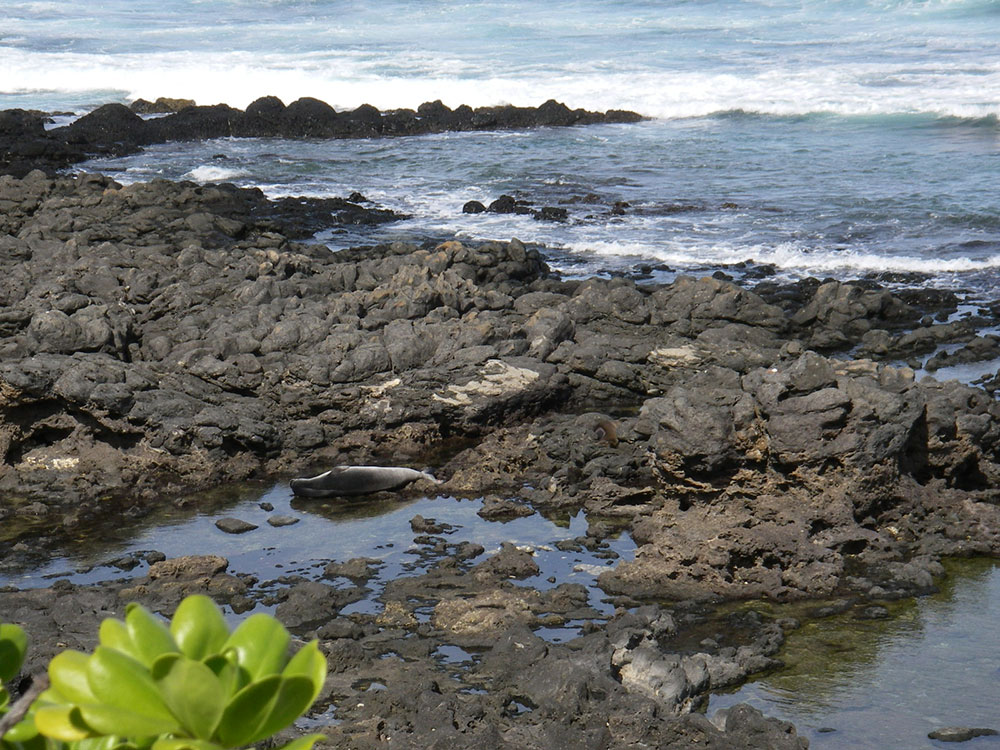
See Hawaiian Monk Seals and Green Sea Turtles
Seals are often seen resting on the beaches along the route, and turtles feed in the waters. Observe quietly and stay at least 50 feet away.
Experience a Native Coastal Ecosystem
The dune system is home to native plants such as naupaka and ʻākulikuli that have almost disappeared elsewhere. The reserve shows what Oʻahu's coast was like before development.
Reflect on Hawaiian Culture
The point is considered a sacred place associated with the journey of souls. Visitors should treat it with respect and follow posted guidance.
Top Trails
Kaʻena Point Trail from Mākua (Leeward Side)
Length: Approximately 5 miles round trip
Elevation Gain: Minimal
Difficulty: Easy to Moderate
This trail follows an old railroad bed and coastline from the Mākua end of Farrington Highway to the point. It is mostly flat and exposed, with sections of rock and sand, so bring water and sun protection.
Kaʻena Point Trail from Mokulēʻia (North Shore Side)
Length: Approximately 5 miles round trip
Elevation Gain: Minimal
Difficulty: Easy to Moderate
This route starts at the end of the road in Kaʻena Point State Park near Mokulēʻia and follows the coast to the reserve. It is popular with hikers and offers views of the North Shore cliffs and the Waiʻanae Range.
Visitor Centers
Kaʻena Point does not have a visitor center, but signs at both trailheads describe the reserve's rules, wildlife and history, and volunteers from conservation groups sometimes offer guidance or lead walks. The Hawaiʻi State Parks and Natural Area Reserves websites provide current information and regulations. Because services are limited, bring water, food and sun protection.
Camping and Lodging
There is no camping or lodging at Kaʻena Point. The nearest hotels are in the Ko Olina resort area, about 35 minutes from the Waiʻanae-side trailhead, with resorts such as Aulani, A Disney Resort and Spa and the Four Seasons Resort Oʻahu at Ko Olina. On the North Shore, the Turtle Bay Resort is about 40 minutes away, and Haleʻiwa has small inns and vacation rentals. Waikīkī and Honolulu offer the largest range of hotels about an hour away. County and state beach parks in the area, such as Mākua and Mokulēʻia, may offer camping with permits. Check each property's website for current availability.
This article uses material from the Wikipedia article and official pages for Kaʻena Point State Park and Natural Area Reserve, Hawaii State Parks: Kaʻena Point State Park, Hawaii Natural Area Reserves System, released under the Creative Commons Attribution-Share-Alike License 3.0.