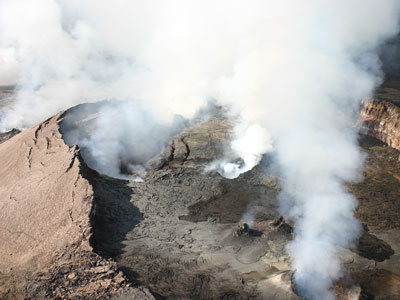

Hawaii (Big Island) Travel Guide
Geologically diverse island featuring active volcanoes, black and white sand beaches, lush rainforests, and high-altitude observatories.
Places to See in Hawaii (Big Island)
Ken and Nyetta, CC BY 2.0, via Wikimedia Commons; Image Size Adjusted

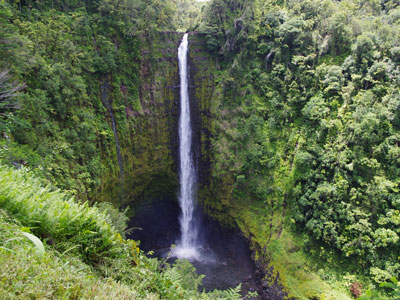
Akaka Falls State Park
0.4 mile loop, 100 feet elevation gain, Easy
Scenic rainforest park featuring a paved loop trail with panoramic views of two waterfalls, including a 442-foot free-falling cascade.
niksnut, CC BY-SA 2.0, via Wikimedia Commons; Image Size Adjusted

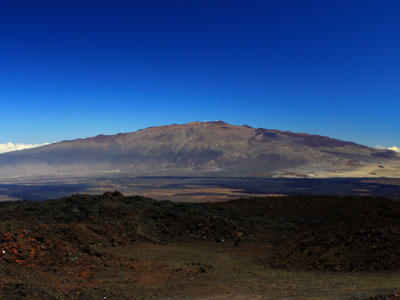
East Hawaii
Lush, rainforest-covered region known for its waterfalls, botanical gardens, volcanic landscapes, and a slower-paced, culturally rich lifestyle.
George. Edit by User:Muhammad Mahdi Karim, CC BY-SA 3.0, via Wikimedia Commons; Image Size Adjusted

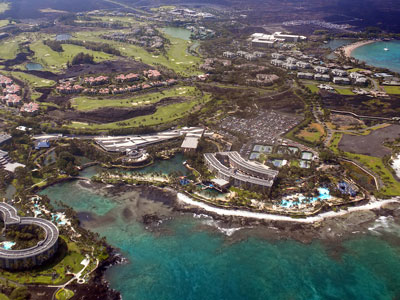
Kohala
Scenic region featuring dramatic coastlines, historic sites, white sand beaches, and a blend of rugged lava fields and lush pasturelands.
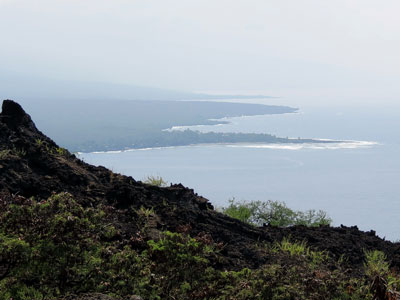
Jeff P from Berkeley, CA, USA, CC BY 2.0, via Wikimedia Commons; Image Size Adjusted

Kona Coast
Coastal region offering sunny weather, historic landmarks, marine sanctuaries, and world-renowned coffee farms amid volcanic landscapes.
Overview
The Island of Hawaiʻi, known as the Big Island, is the largest island in the United States, with more than 4,000 square miles, nearly twice the size of all the other Hawaiian Islands combined. It is a land of extremes: two active volcanoes, snowcapped Mauna Kea, black, white and green sand beaches, rainforest waterfalls, lava deserts and sunny resort coasts. Visitors come to watch volcanic activity at Hawaiʻi Volcanoes National Park, snorkel with manta rays and sea turtles, sample world-famous Kona coffee, and explore ancient Hawaiian temples and royal sites. The island is also nicknamed “The Orchid Isle,” and its Mauna Kea Observatories are among the world’s most important astronomical sites.
The island is said to be named for Hawaiʻiloa, the legendary Polynesian navigator who discovered it, and it was the birthplace of Kamehameha the Great, who united the Hawaiian Islands in 1795. Captain James Cook was killed at Kealakekua Bay in 1779. Sugarcane dominated the economy for more than a century until the last plantation closed in 1995, and today tourism, ranching, astronomy and diversified agriculture, from macadamia nuts and papaya to coffee, drive it. Only coffee grown in the Kona district may be sold as Kona coffee, and Parker Ranch near Waimea is one of the nation’s largest cattle ranches.
The island was built by five volcanoes (Kohala, Mauna Kea, Hualālai, Mauna Loa and Kīlauea), and Mauna Loa and Kīlauea are still active, so the island continues to grow. Lava has destroyed several communities over the years, and volcanic fog (“vog”) can drift over the Kona side when Kīlauea is active. Hilo, on the rainy east side, is the largest city; Kailua-Kona, on the sunny west side, is the center of the resort area.
Top attractions include Hawaiʻi Volcanoes National Park, ʻAkaka Falls, Waipiʻo Valley, Mauna Kea Observatories, Puʻuhonua o Hōnaunau National Historical Park, Puʻukoholā Heiau National Historic Site, Huliheʻe Palace, Ka Lae (South Point), the ʻImiloa Astronomy Center, the Pacific Tsunami Museum and the botanical gardens along the Hāmākua Coast.
Two airports, Hilo (ITO) and Kona (KOA), serve the island, and a rental car is essential for exploring. Highways 19 and 190 (via Waimea), Highway 11 (via the national park) and the Saddle Road connect Hilo and Kailua-Kona, and cruise ships often stop at both. The University of Hawaiʻi at Hilo fields the Vulcans in NCAA Division II.
This article uses material from the Wikipedia article "Hawaii (island)", which is released under the Creative Commons Attribution-Share-Alike License 3.0.