Remote coastal trail traversing rugged lava fields and sea cliffs to secluded beaches and ancient Hawaiian sites.
General Information
- Hours:
-
Open daily from sunrise to sunset
Trailhead at Puʻu Loa Petroglyphs parking area - Fees:
-
Included with Hawaiʻi Volcanoes National Park entrance fee
Private Vehicle: $30 (valid for 7 days) - Pet Policy:
- Pets are not allowed on trails or in wilderness areas
- Seasons:
- All year
- Location:
- Puna Coast Trail, Hawaii Volcanoes National Park, HI
- Website:
- bigislandhikes.com/puna-coast-trail
How to Get There
Drive southeast on Crater Rim Drive, turn onto Chain of Craters Road, and park at the Puʻu Loa Petroglyphs lot near mile marker 16.5.
Overview
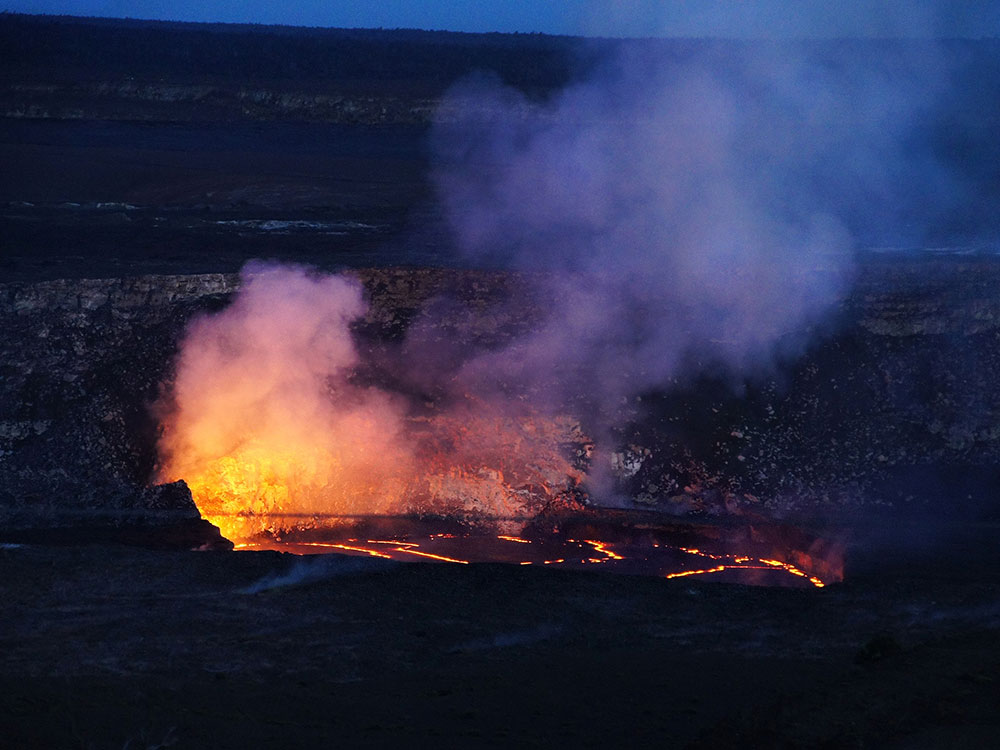
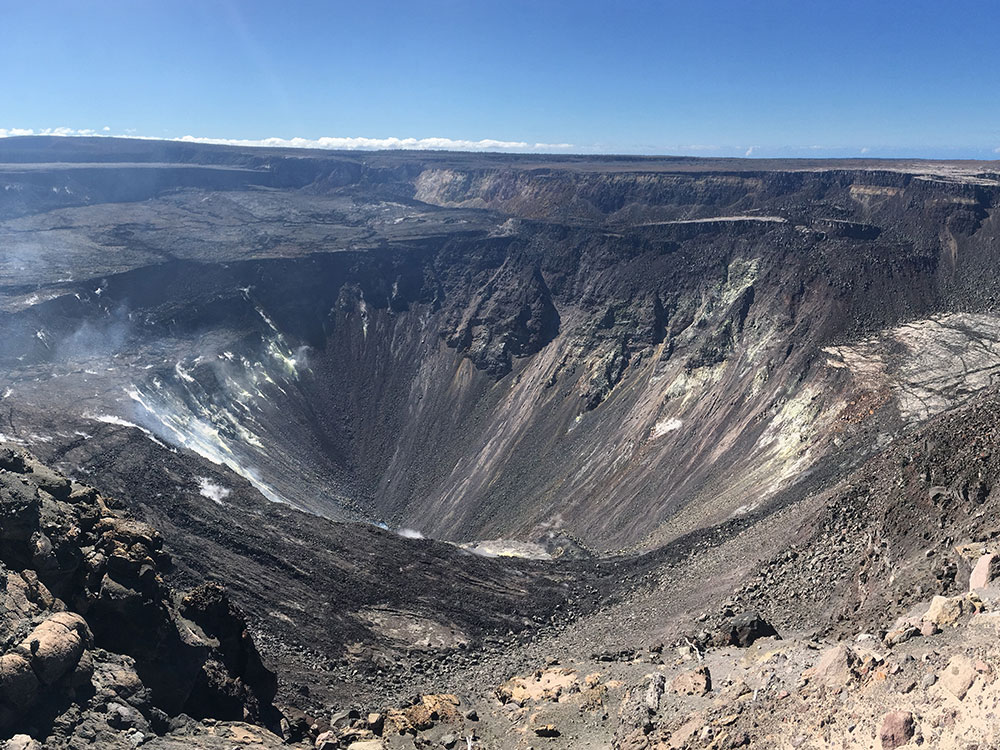
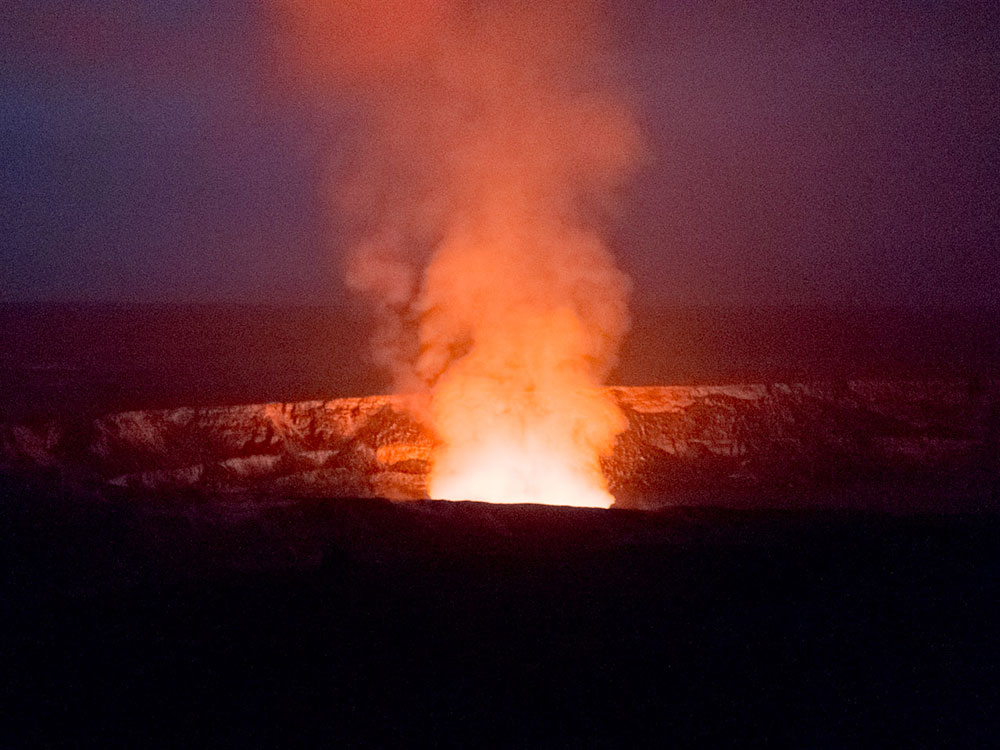
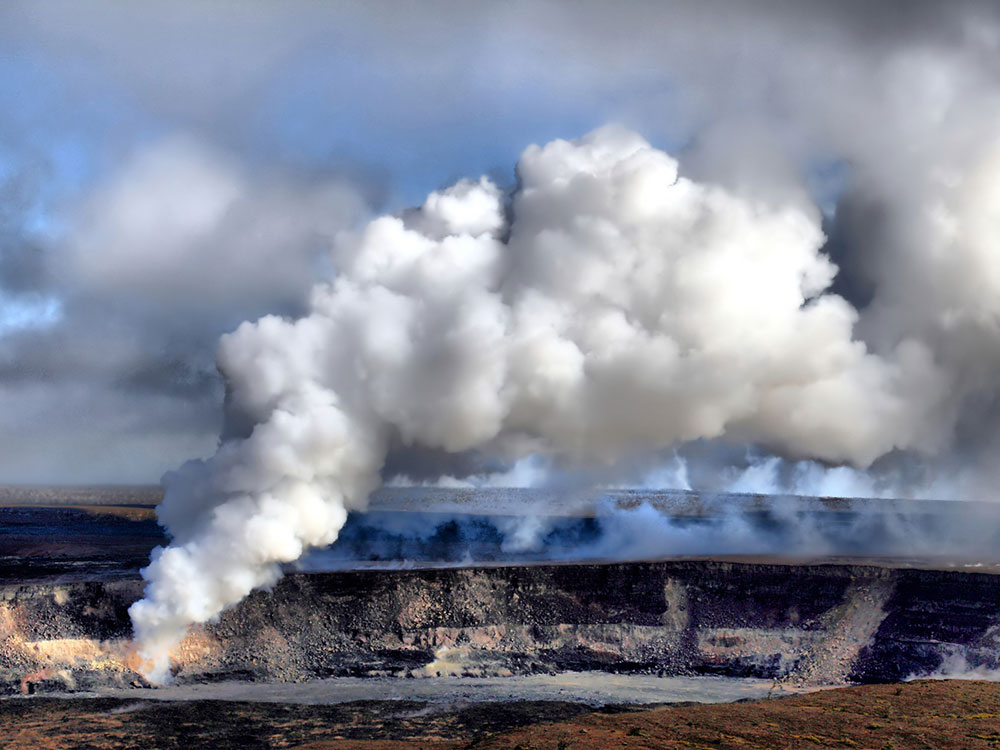
The Puna Coast Trail follows the rugged southeastern shoreline of Hawaiʻi Volcanoes National Park, crossing ancient lava flows above dramatic sea cliffs where powerful waves crash against the rocks. The trail leads toward remote coastal areas such as ʻĀpua Point, offering solitude and raw natural beauty. Hikers come for the coastal scenery, the lava landscape, and the chance to see sea turtles and seabirds. Overnight trips require a backcountry permit from the park.
Getting to the Trailhead
Hawaiʻi Volcanoes National Park is on Highway 11, about 30 miles southwest of Hilo. The main park roads, Crater Rim Drive and Chain of Craters Road, are paved and accessible to all vehicles, and an entrance fee is required. Volcanic activity, gas, and earthquake damage can close roads and trails at any time, so check the park's current conditions before you go. From the park entrance, follow Crater Rim Drive and turn onto Chain of Craters Road, which descends about 19 miles from the summit to the coast. The trailhead is at the Puʻu Loa Petroglyphs parking area, near mile marker 16.5 on Chain of Craters Road.
Trail Description
From the trailhead, the trail heads west across pāhoehoe and ʻaʻā lava flows, marked by stone cairns, roughly parallel to the coast. The trail continues across the lava, with views of the sea cliffs and the ocean, toward ʻĀpua Point. Hikers can turn around at any point; a typical out-and-back covers about 10.8 miles round trip. Watch carefully for the cairns, since the route across the lava can be hard to follow.
Trail Conditions and Difficulty
The hike is strenuous because of its length and the rough, uneven lava, especially the jagged ʻaʻā. Stay away from the edges of the sea cliffs, which can collapse, and from the ocean, where waves are powerful. The lava landscape offers almost no shade or water, and the sun, wind, and rain can change within the same hour, so carry plenty of water, sun protection, and rain gear. Sharp lava rock can cut skin and shoes, so wear sturdy footwear, and stay on marked trails, since lava can hide thin crusts and deep cracks. Volcanic gas can be hazardous for people with heart or breathing conditions.
This article uses material from the Wikipedia articles and official tourism pages for the Puna Coast Trail, which are released under the Creative Commons Attribution-Share-Alike License 3.0.