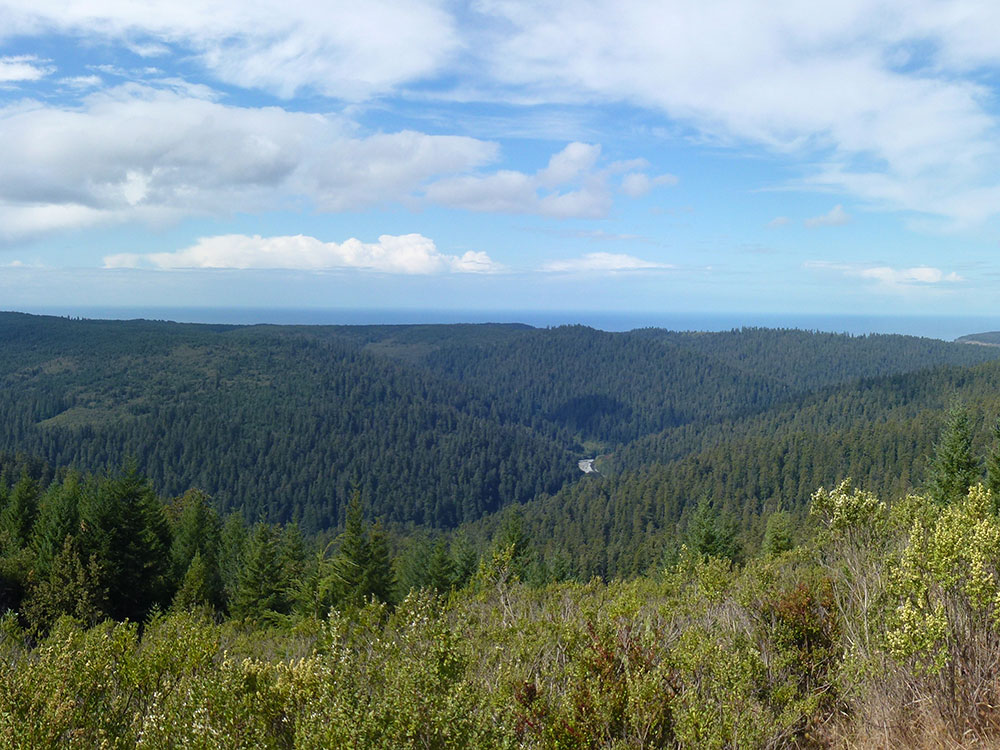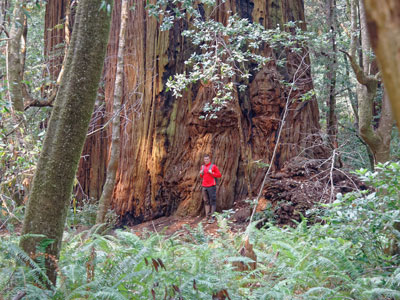

Creek winding from forested uplands to the Pacific past towering redwoods, gravel bars, and shifting channels, forming one of Northern California's most dynamic ecosystems.
General Information
- Hours:
- Accessible year-round; most access points open from sunrise to sunset depending on location
- Fees:
-
No general fee for river access
Some nearby developed recreation areas may charge day-use or parking fees - Pet Policy:
- Pets allowed in most accessible areas if kept on a leash; restrictions may apply in protected zones
- Closest cities with hotels:
- Orick (0–5 mi)
Klamath (10 mi)
Crescent City (30 mi) - Seasons:
- All year, with spring and early summer best for water activities and fall for scenic views and fishing
- Location:
- Redwood Creek, CA
- Website:
- nps.gov/redw
How to Get There
From Crescent City (30 mi): Take US-101 south toward Orick, then use signed turnoffs along the highway and Bald Hills Road to reach designated Redwood Creek access points and trailheads.
Overview
The Redwood Creek flows quietly through a landscape shaped by towering redwoods, gravel bars, and shifting channels, creating one of the most dynamic ecosystems in Northern California. As it winds from forested uplands to the Pacific Ocean, the creek nourishes a rich habitat where ancient trees cling to riverbanks and seasonal floods reshape the terrain. Walking alongside its waters, visitors encounter a mosaic of environments—from shaded groves where sunlight filters through massive canopies to open floodplains where driftwood and wild grasses stretch toward the horizon.
Wildlife thrives along this ever-changing corridor, making the creek a vital artery for salmon runs and a refuge for birds, mammals, and countless smaller species. Roosevelt elk graze nearby in meadows, while the quiet rustle of leaves and the steady flow of water create a sense of isolation that feels far removed from modern life. Whether explored through riverside hikes, scenic overlooks, or simply standing at the edge of its slow-moving waters, the experience captures a raw and evolving landscape where nature continues to shape itself over time.
History
Redwood National Park was created in 1968 to protect old-growth redwoods along Redwood Creek, including the Tall Trees Grove. Logging upstream continued to send mud and debris into the creek, and in 1978 Congress expanded the park to protect more of the watershed and began a long effort to restore the logged land.
Things to Do
Hike the Redwood Creek Trail
This trail follows the creek upstream; seasonal footbridges are put in place in summer.
Visit the Tall Trees Grove
Some of the tallest trees in the world grow along the creek; a permit is required to drive the access road.
Walk the Estuary at Orick
Near the creek's mouth, a trail follows the levee along the estuary.
Fish for Steelhead
The creek is known for its winter steelhead run; check current fishing regulations.
This article uses material from the Wikipedia articles and official tourism pages for the Redwood Creek, which are released under the Creative Commons Attribution-Share-Alike License 3.0.