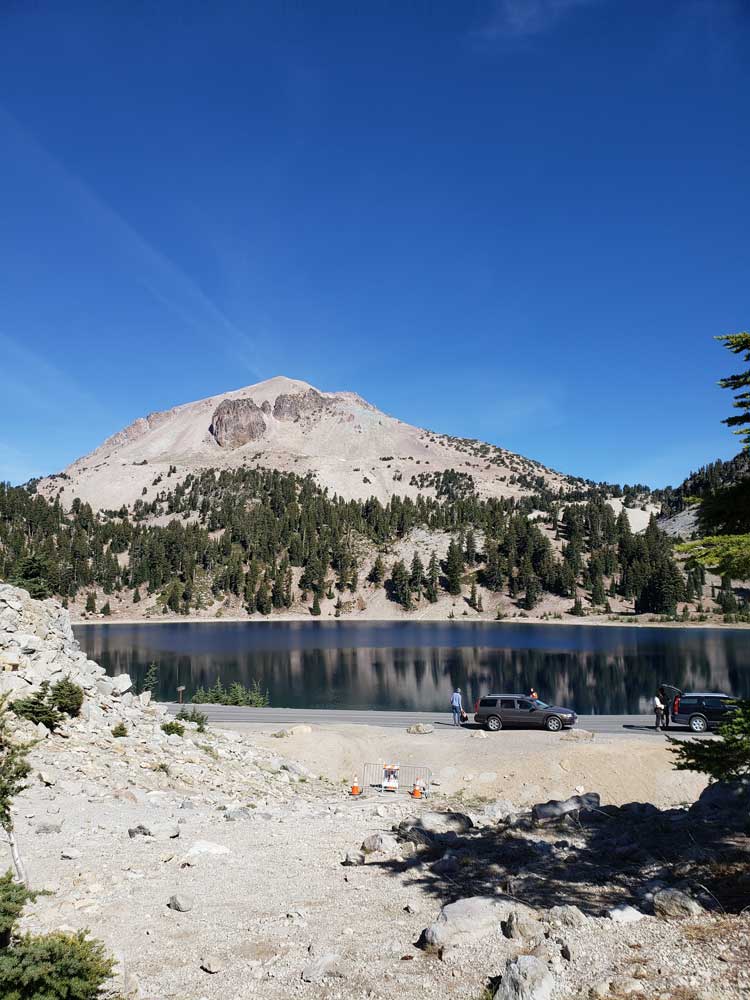
Southernmost active volcano in the Cascade Range of the Western United States, reaching an elevation of 10,457 ft.
General Information
- Length:
- 5 miles roundtrip
- Elevation Gain:
- 1,957 feet
- Difficulty:
- Strenuous
- Pet Policy:
- Pets not allowed on trails
- Seasons:
- Late summer
- Trailhead:
- Large parking area by the summit of the scenic drive
- Location:
- Lassen Peak, Lassen Volcanic National Park, CA
- Website:
- nps.gov/lavo/index.htm
How to Get There
Overview
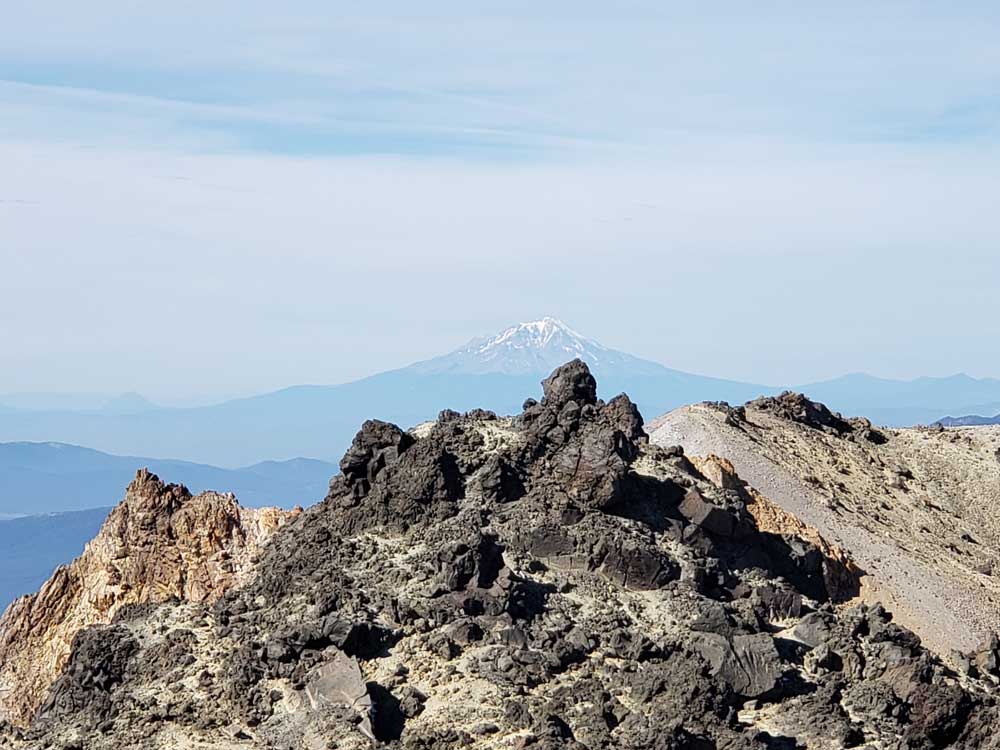
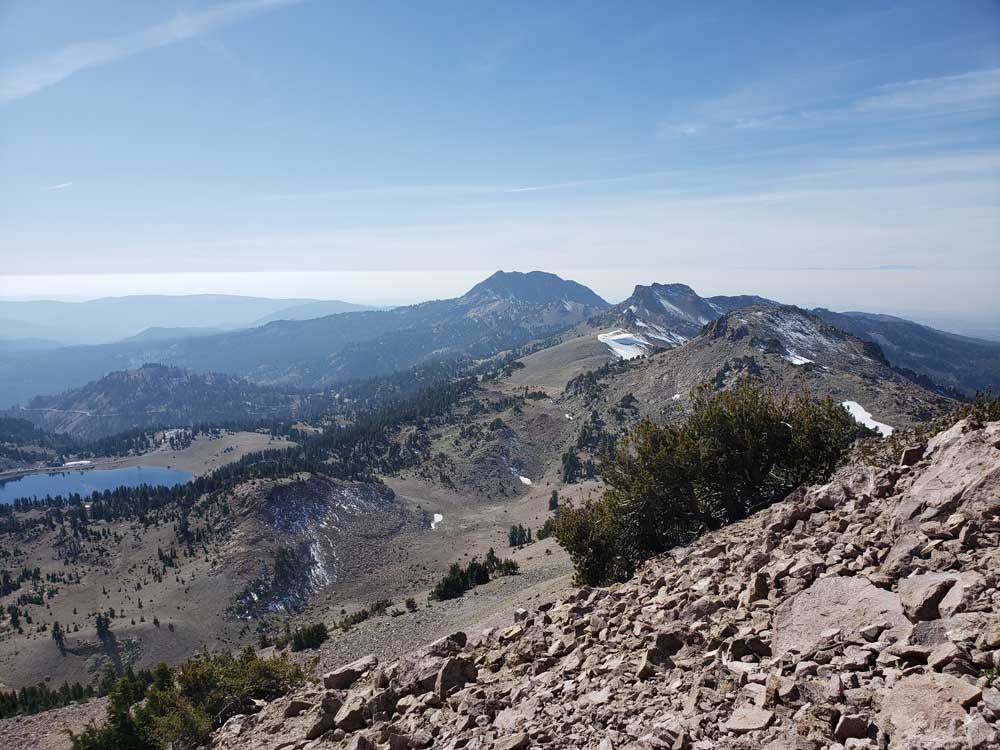
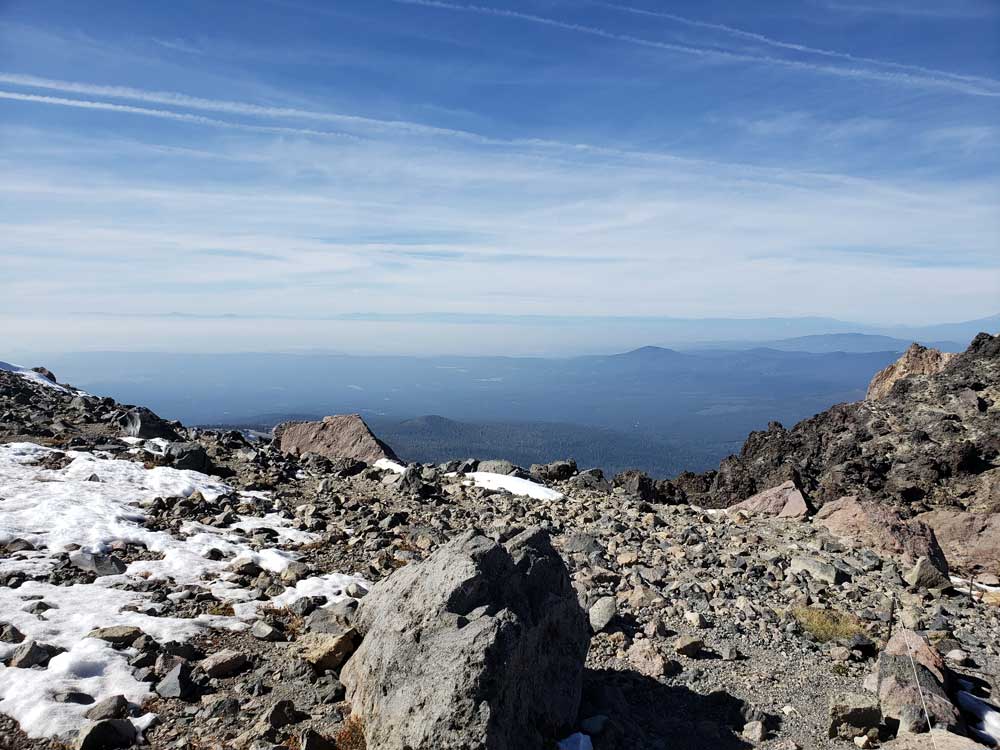
Lassen Peak, at 10,457 feet, is one of the largest plug dome volcanoes in the world and the centerpiece of Lassen Volcanic National Park. It last erupted between 1914 and 1917, and the trail to its summit is one of the most popular in the park. The summit offers sweeping views of the park's volcanic landscape, Mount Shasta to the north, and the devastated area left by the eruptions. Hikers come for the challenge of climbing an active volcano and the spectacular views. No permit is required for a day hike.
Getting to the Trailhead
Lassen Volcanic National Park is in northeastern California, east of Redding and Red Bluff. The Lassen National Park Highway (CA-89) crosses the park between the Southwest Entrance and the Manzanita Lake Entrance; it is paved and accessible to all vehicles but is closed by snow in winter, typically reopening in June or July, so check road status before visiting. An entrance fee is required. The trailhead is at the Lassen Peak parking area on CA-89, the highest point on the park highway. The parking lot fills quickly on summer weekends, so arrive early.
Trail Description
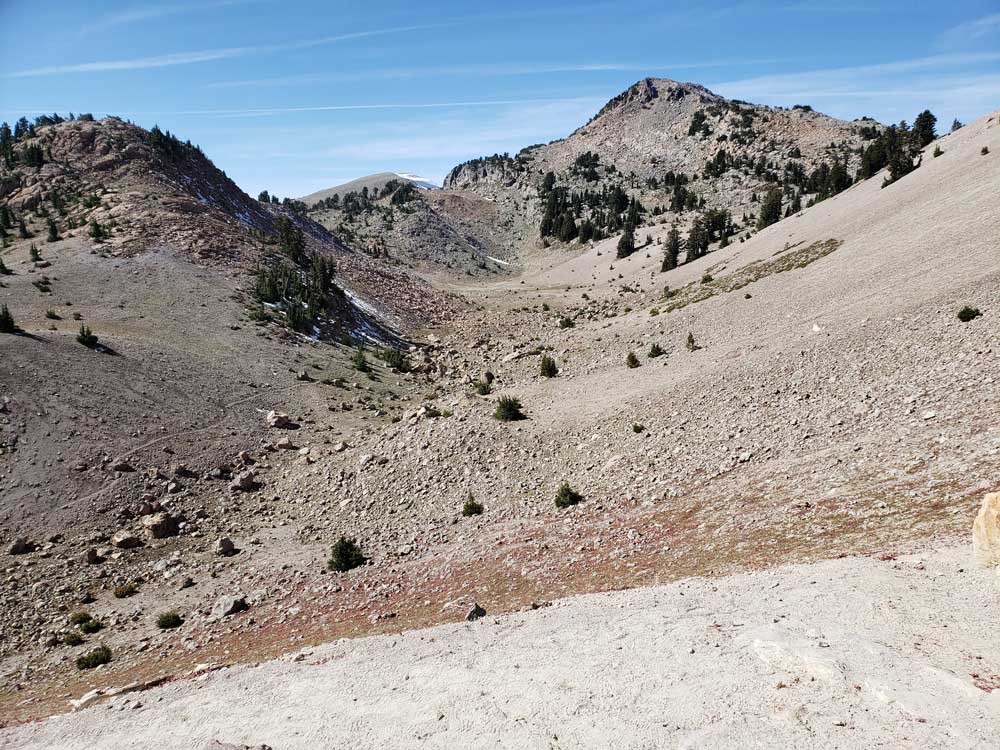
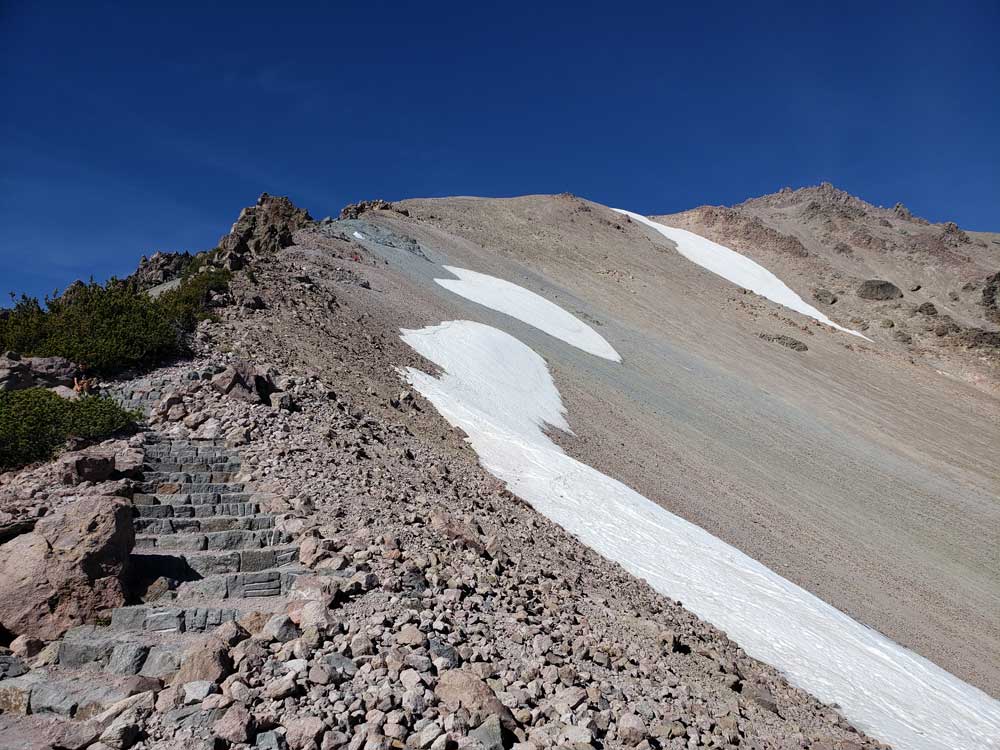
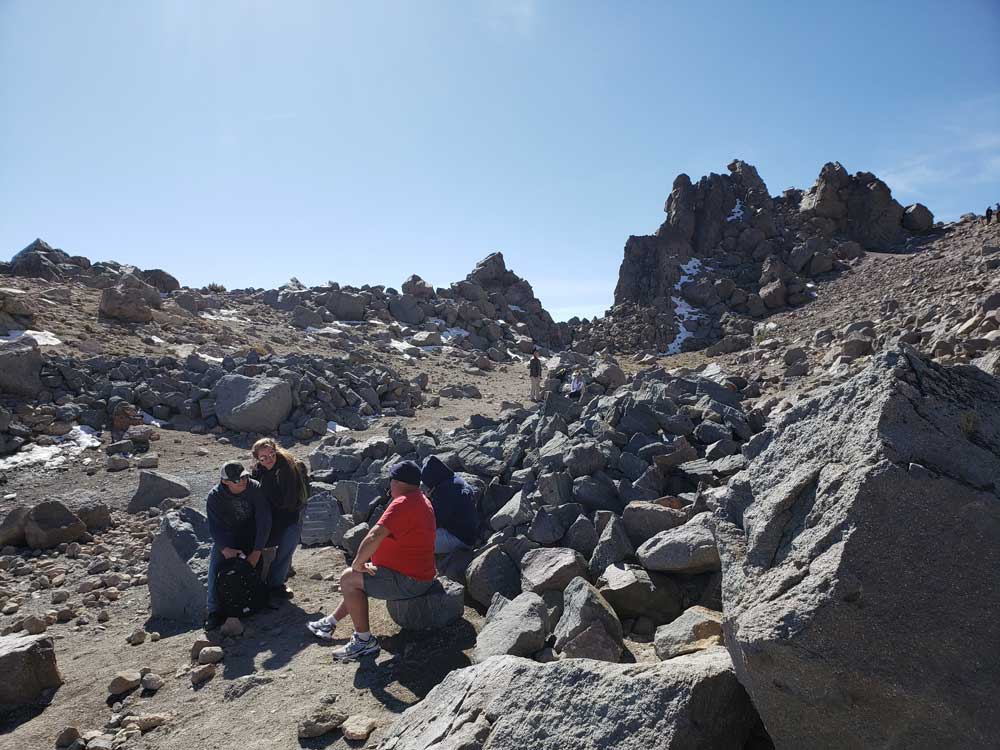
From the trailhead, the trail climbs steadily up a long series of switchbacks through mountain hemlock and then across open volcanic slopes, with views opening up across the park. The trail continues up rocky switchbacks to the crater rim and the summit, about 2.5 miles from the trailhead. Hikers return the same way, for a total of about 5 miles round trip.
Trail Conditions and Difficulty
The hike is strenuous, with about 2,000 feet of elevation gain at high altitude. No scrambling is required, but the trail is rocky and steep. Above treeline, hikers are exposed to strong winds, cold temperatures, and intense sun. Afternoon thunderstorms are common in summer, and the summit is extremely dangerous during lightning, so start early. Snow often covers the trail into midsummer, when traction devices may be needed.
This article uses material from the Wikipedia articles "Lassen Peak ", which are released under the Creative Commons Attribution-Share-Alike License 3.0