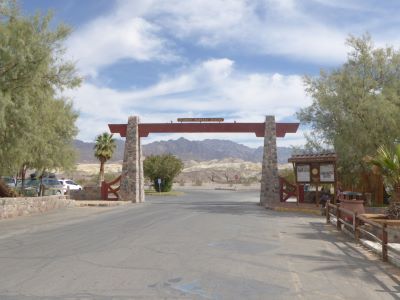

Desert outpost offering visitor services, exhibits, and ranger programs amid one of the most extreme environments on Earth.
General Information
- Hours:
-
Furnace Creek Visitor Center: Open daily, 8am to 5pm
Park grounds: Open 24 hours a day, year-round - Fees:
-
Private Vehicle (7-day pass): $30
Motorcycle (7-day pass): $25
Individual (on foot or bicycle, 7-day pass): $15
Annual Death Valley Pass: $55
America the Beautiful Pass: $80 (discounts available for seniors, military, disabled, and 4th graders) - Pet Policy:
-
Pets are allowed in developed areas such as roads, parking lots, and campgrounds, but not on trails or in buildings.
Must be leashed (max 6 feet) and never left unattended in vehicles. - Seasons:
-
Spring: Most popular, wildflowers bloom (March–April)
Summer: Extremely hot, limited activity
Autumn: Pleasant temperatures, fewer crowds (October–November)
Winter: Cool days, scenic views, least crowded (December–February) - Location:
- Furnace Creek, Death Valley National Park, CA
- Website:
- nps.gov/deva
How to Get There
From Las Vegas (120 mi): Take NV-160 W to Pahrump, then Bell Vista Ave west to Death Valley Junction; turn right on CA-127 and left on CA-190 to reach the visitor center at Furnace Creek.
Overview
The Furnace Creek Visitor Center serves as the main hub for exploring Death Valley National Park, offering exhibits, ranger programs, and essential visitor services. Located 190 feet below sea level, it is one of the hottest inhabited places on Earth and holds the world record for the highest air temperature ever recorded—134°F in 1913. The center provides a gateway to the park’s dramatic landscapes, including salt flats, sand dunes, and colorful badlands, and is a vital stop for orientation, hydration, and safety information.
Historically, Furnace Creek was the site of Greenland Ranch, established in the 1880s by the Pacific Coast Borax Company. It later became a center for borax mining and the iconic 20-Mule Team wagons. Today, it is home to the Timbisha Shoshone Tribe and features a resort, golf course, and campground. Despite its extreme climate, Furnace Creek remains a vibrant oasis where visitors can experience the stark beauty and geological wonders of Death Valley.
History
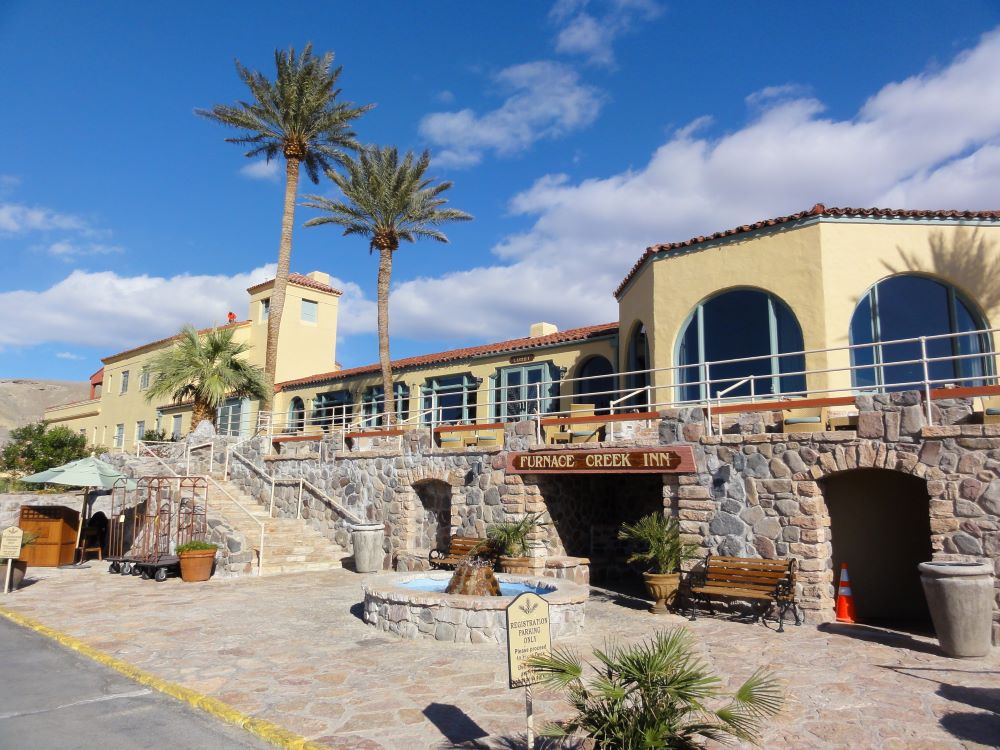
The Timbisha Shoshone have lived at the Furnace Creek springs for centuries, and their village is still located here. In the 1880s the Pacific Coast Borax Company developed Greenland Ranch to grow food and hay for its borax operations, and in 1927 the company opened the Furnace Creek Inn to attract tourists, helping lead to the creation of Death Valley National Monument in 1933. On July 10, 1913, the ranch recorded a temperature of 134°F, still recognized as the hottest air temperature ever measured on Earth.
Things to Do
Visit the Furnace Creek Visitor Center
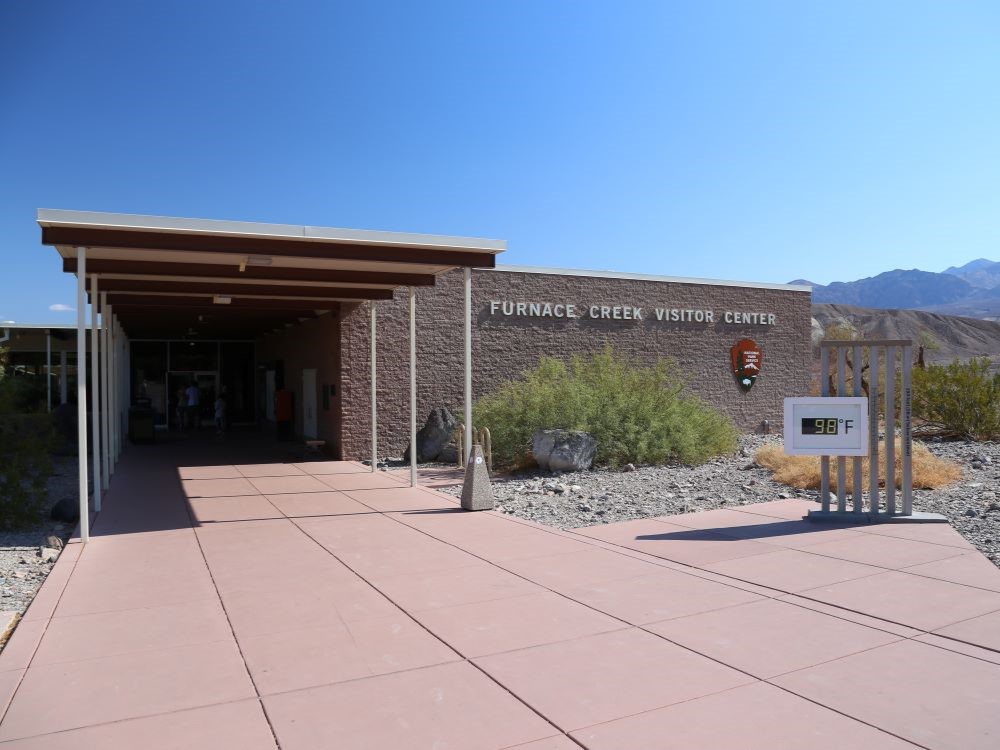
Exhibits, a park film and ranger staff make the visitor center the best place to start a trip; check the thermometer outside and get current road and safety information.
Explore the Borax Museum
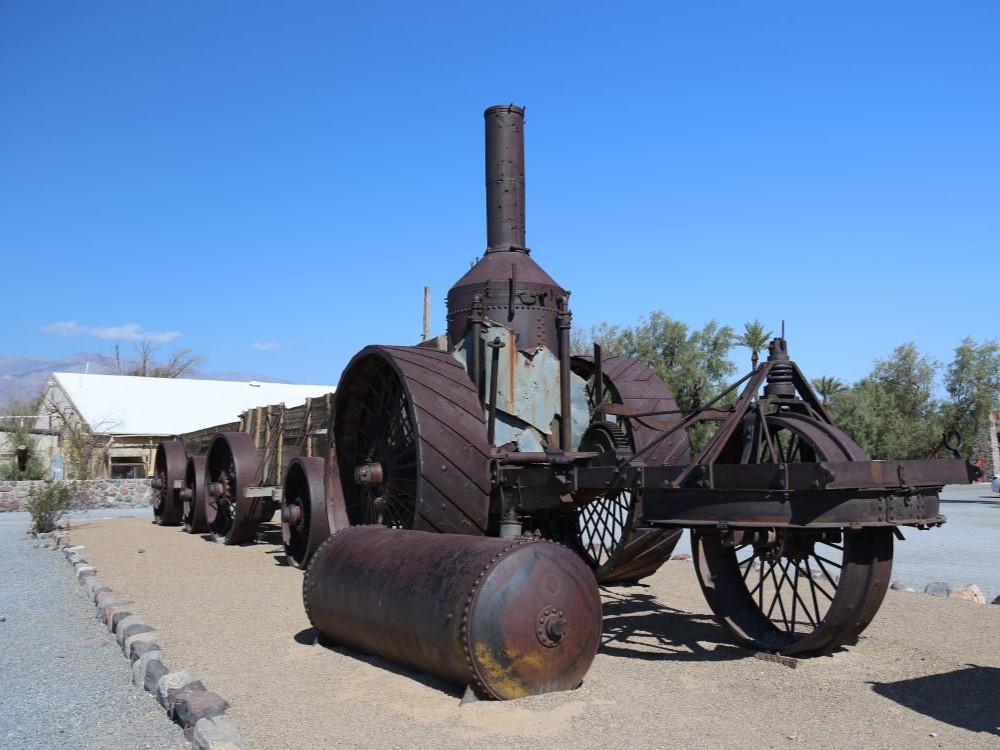
The free Borax Museum at The Ranch at Death Valley displays mining equipment, wagons and a locomotive from the borax era.
Tour Harmony Borax Works
Just north of Furnace Creek, an easy interpretive trail leads past the ruins of the borax refinery and an original twenty-mule-team wagon.
Stay, Dine and Play Golf
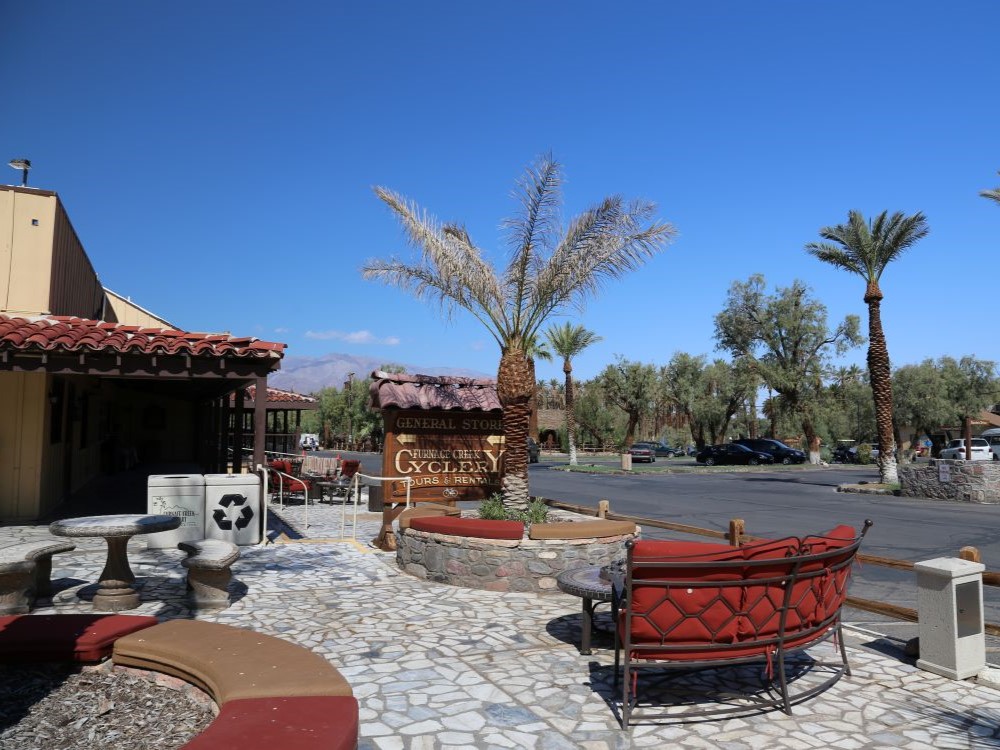
The Inn at Death Valley, The Ranch at Death Valley and nearby campgrounds offer lodging and dining, and the Furnace Creek Golf Course is one of the lowest-elevation courses in the world.
Join a Ranger Program
In the cooler months, rangers lead walks, talks and night-sky programs from Furnace Creek.
This article uses material from the Wikipedia articles and official tourism pages for the Furnace Creek, California, which are released under the https://creativecommons.org/licenses/by-sa/3.0/.