
Preserved site featuring reconstructed barracks, exhibits, and memorials that interpret the forced relocation and incarceration of Japanese Americans during World War II.
General Information
Visitor Center: Friday to Monday, 9:00am to 4:30pm
Closed Tuesday to Thursday and on December 25
Block 14 Buildings: Open daily from 9:00am to 4:15pm
How to Get There
From Lone Pine, CA (14 mi): Drive north on US-395 for approximately 14 miles; the site is located on the west side of the highway.
Overview
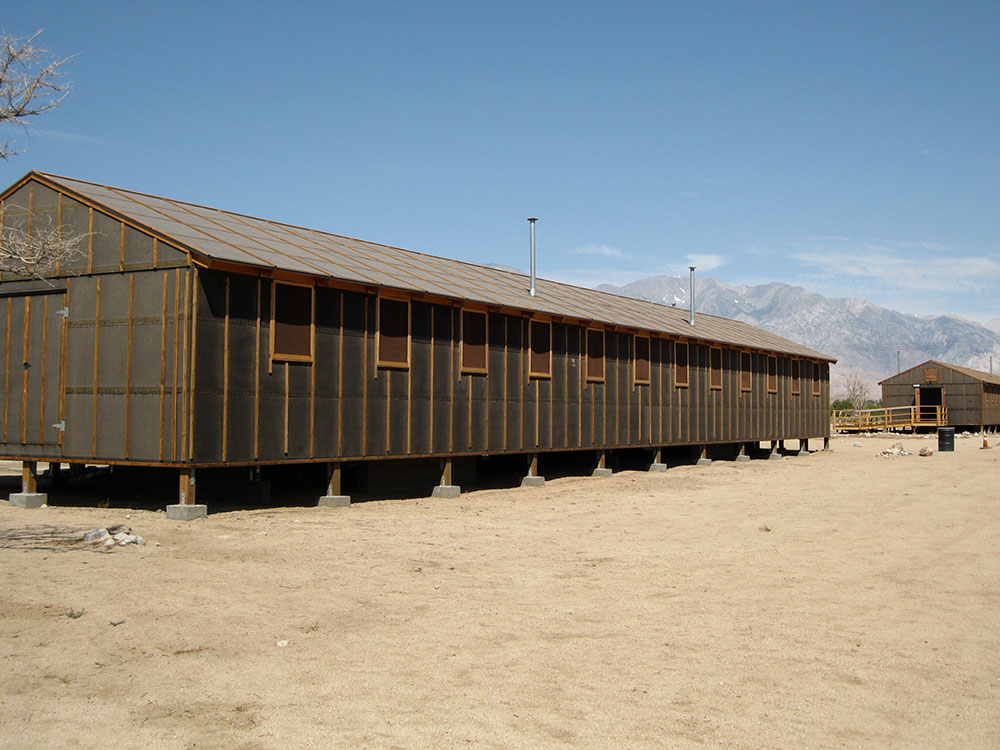
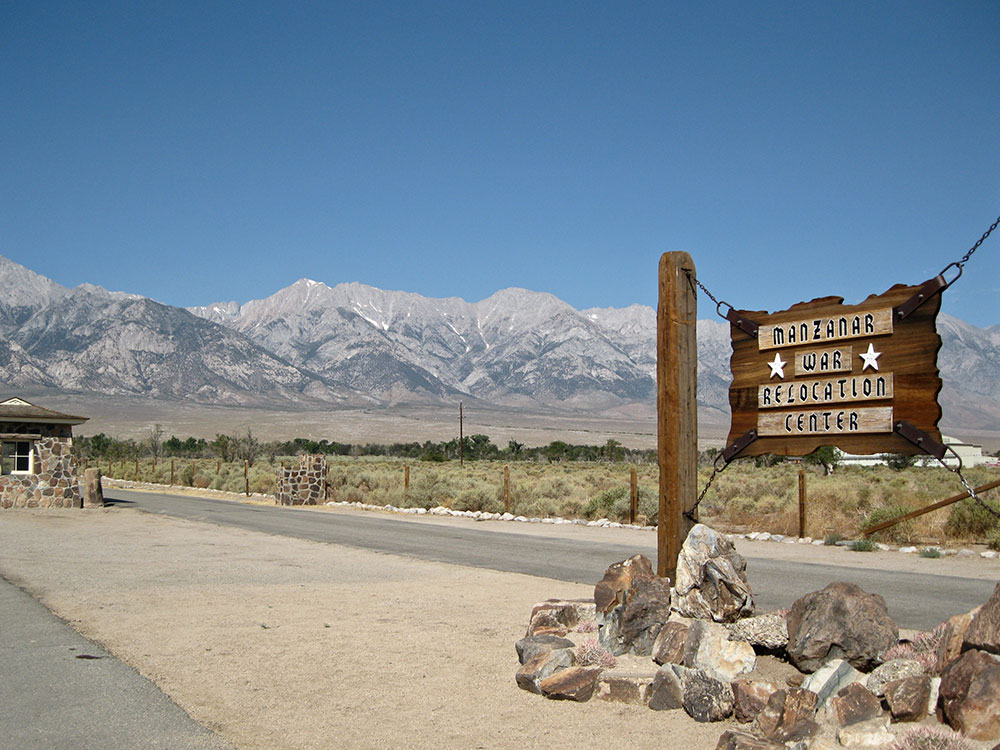
The Manzanar National Historic Site offers a powerful and reflective experience in the shadow of the Sierra Nevada mountains. Once one of ten internment camps where Japanese Americans were forcibly relocated during World War II, the site now preserves the stories of over 10,000 individuals who lived behind barbed wire fences. Visitors can explore reconstructed barracks, a mess hall, and a guard tower, as well as a museum filled with photographs, artifacts, and personal accounts that bring this chapter of American history to life. The surrounding landscape, stark and beautiful, adds to the solemnity of the experience.
Designated as a National Historic Site in 1992, Manzanar serves as a reminder of the fragility of civil liberties in times of crisis. The site not only commemorates the injustices faced by Japanese Americans but also honors their resilience and community spirit. Educational programs, ranger-led tours, and annual pilgrimages deepen the understanding of this history. Whether you're drawn by its historical significance or its scenic location, Manzanar invites reflection and dialogue about tolerance, justice, and the enduring strength of the human spirit.
Things to Do
Explore a Powerful Chapter of American History
Manzanar National Historic Site preserves one of the ten camps where Japanese Americans were forcibly incarcerated during World War II. Located in California's Owens Valley between the Sierra Nevada and Inyo Mountains, the site serves as a place of remembrance, education, and reflection on the impact of wartime policies and civil liberties in the United States.
Visit the Manzanar Visitor Center
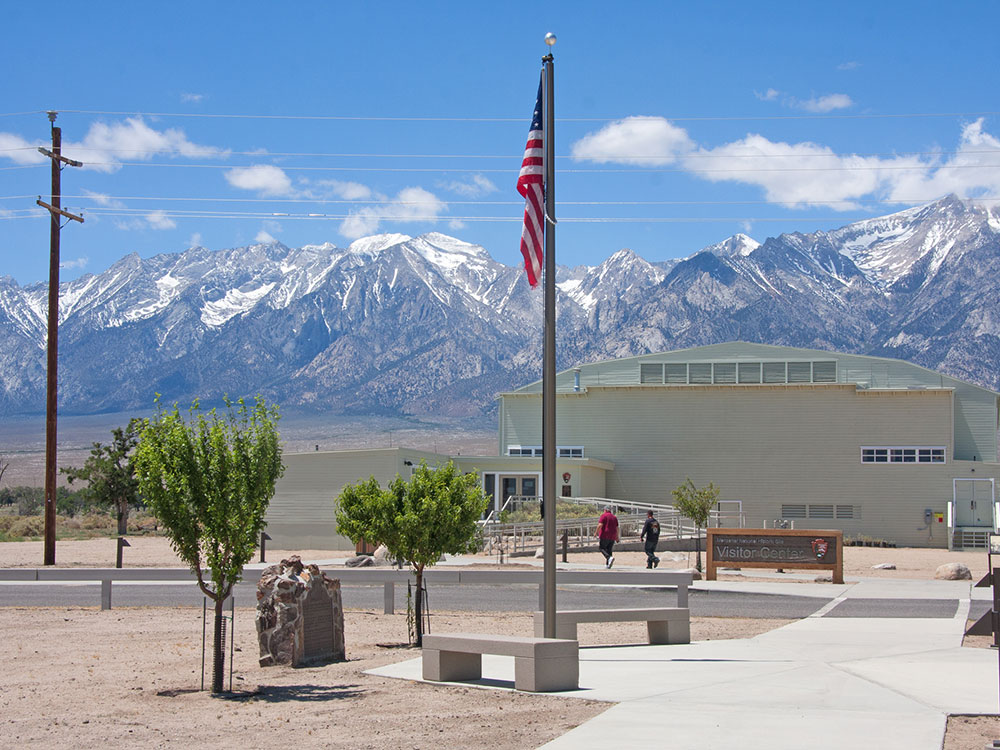
The Visitor Center, housed in the former camp high school auditorium, features exhibits, photographs, artifacts, oral histories, and interpretive displays that tell the stories of the more than 10,000 Japanese Americans who lived at Manzanar. Visitors can gain a deeper understanding of daily life in the camp and the historical events that led to its creation.
Take the Self-Guided Auto Tour
A popular way to explore the site is the self-guided auto tour route, which passes reconstructed and historic features including residential blocks, gardens, the cemetery, guard tower, and remnants of camp infrastructure. Interpretive signs along the route provide historical context and personal stories from former incarcerees.
Visit the Manzanar Cemetery Monument
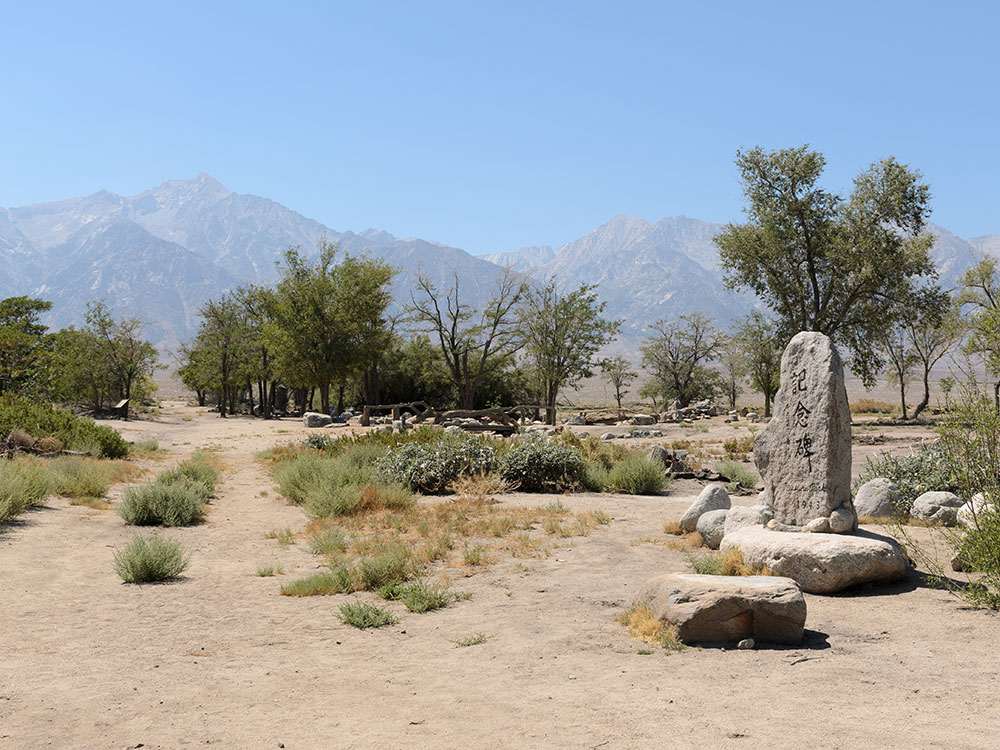
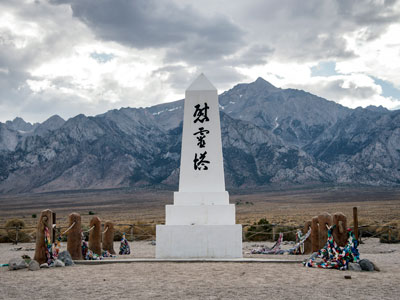
One of the most significant landmarks at the site is the Manzanar Cemetery Monument, originally constructed by camp residents in 1943. The monument remains a symbol of remembrance and resilience and is the focal point of the annual Manzanar Pilgrimage.
Learn About Life Inside the Camp
Throughout the site, visitors can explore reconstructed barracks, gardens, and exhibits that illustrate daily life during incarceration. These features highlight the efforts of camp residents to create a sense of community despite difficult circumstances.
Enjoy Scenic Views of the Owens Valley
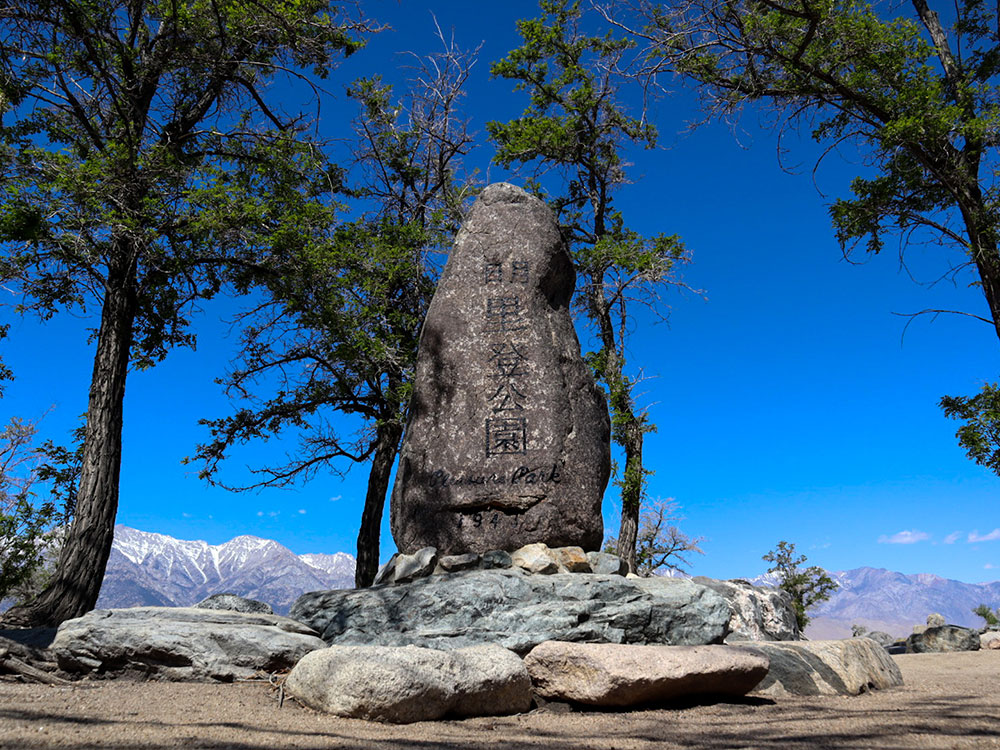
In addition to its historical significance, Manzanar is surrounded by dramatic natural scenery. The snow-capped Sierra Nevada rises to the west, while the Inyo Mountains tower to the east, creating a striking backdrop that enhances the visitor experience.
Top Trails
Manzanar Interpretive Trail
Length: Approximately 1 mile round trip
Elevation Gain: Minimal
Difficulty: Easy
This accessible walking route connects key features near the visitor center and provides interpretive information about camp life, historic structures, and the experiences of Japanese American incarcerees.
Manzanar Auto Tour Stops
Length: Approximately 3.2 miles driving route
Elevation Gain: Minimal
Difficulty: Easy
Although primarily a driving tour, visitors can stop and walk at numerous locations throughout the site, including reconstructed barracks, gardens, the cemetery, and historic residential areas.
Cemetery Monument Walk
Length: Approximately 0.5 miles round trip
Elevation Gain: Minimal
Difficulty: Easy
This short walk leads to the iconic cemetery monument and offers opportunities for reflection while learning about the history and significance of the site.
Camp Grounds Exploration Route
Length: Varies by visitor
Elevation Gain: Minimal
Difficulty: Easy
Visitors can explore portions of the former camp grounds on foot, viewing foundations, reconstructed features, historic gardens, and interpretive exhibits that help tell the story of Manzanar and its residents.
Sources: National Park Service official Manzanar National Historic Site information, including details on camp history, the Visitor Center, self-guided tours, cemetery monument, reconstructed barracks, educational exhibits, and visitor amenities. National Park Service Manzanar National Historic Site
This article uses material from the Wikipedia articles and official tourism pages for the Manzanar National Historic Site, which are released under the Creative Commons Attribution-Share-Alike License 3.0