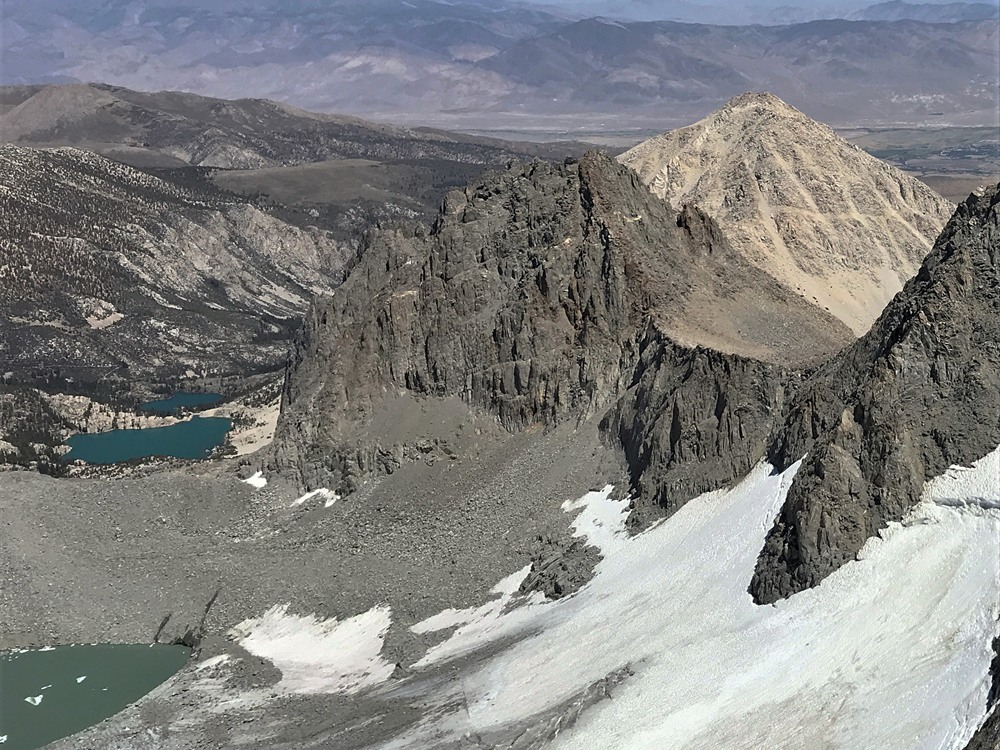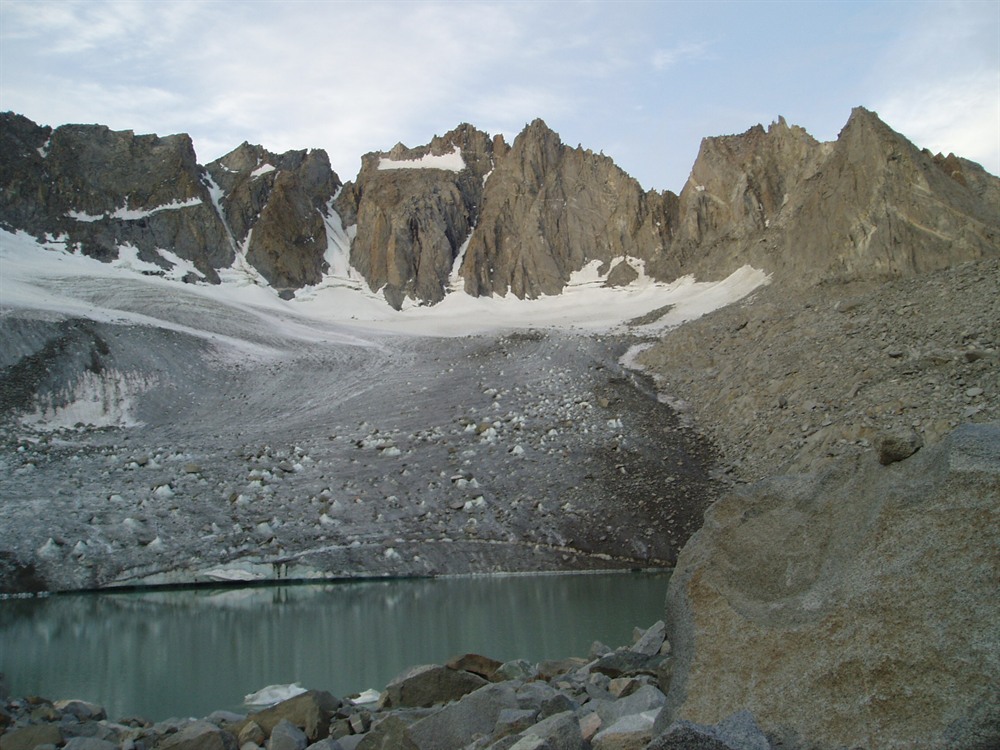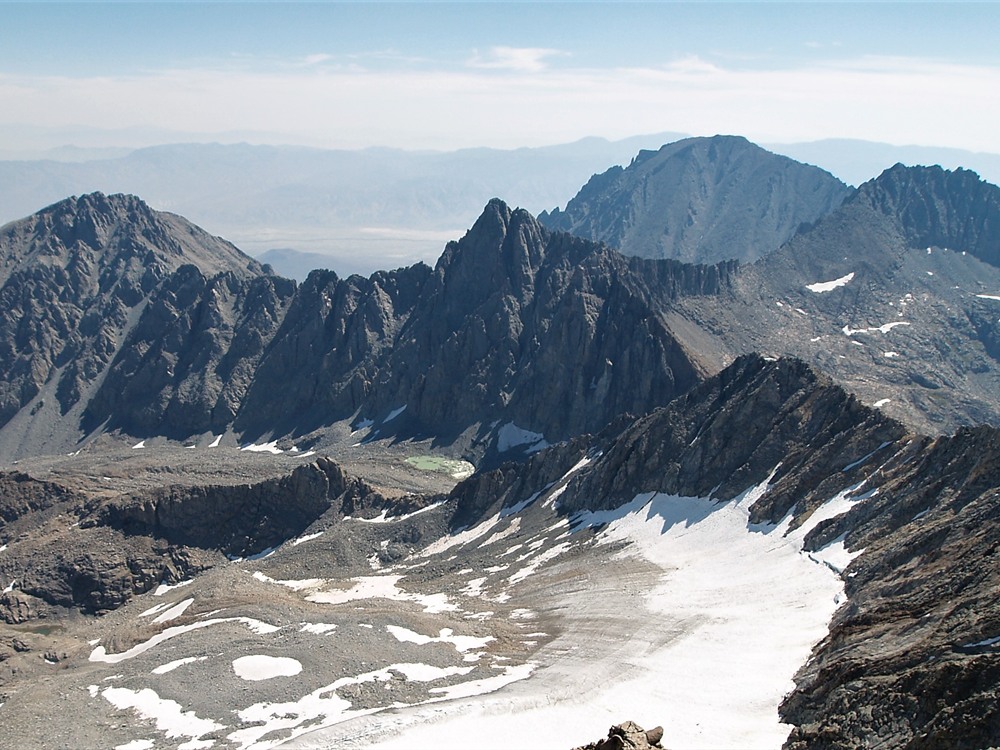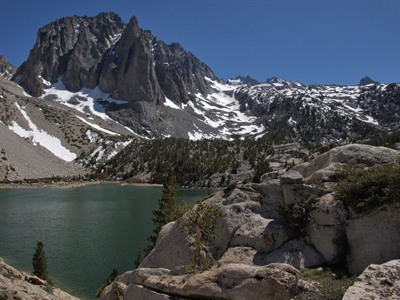

Located between Sierra Nevada and White Mountains, area leads high up Big Pine Creek into the Sierra, to lakes, hiking trails, fishing, and rock climbing underneath the Palisades Range and the Palisade Glacier.
General Information
- Length:
- 13 miles roundtrip (to Second and Third Lakes)
- Elevation Gain:
- 3,200 feet
- Difficulty:
- Strenuous
- Hours:
- Open year-round; trail access is seasonal (snow can close roads in winter)
- Fees:
-
Free for day hiking
Wilderness permit required for overnight backpacking - Pet Policy:
- Dogs allowed on trails; follow wilderness rules
- Closest cities with hotels:
- Big Pine, Bishop, CA
- Seasons:
- Best from June–September; spring/fall possible depending on snow
- Location:
- Big Pine Creek Trailhead (Glacier Lodge Rd), Big Pine, CA
- Website:
- fs.usda.gov
How to Get There
From Lone Pine/US‑395: Drive north to Big Pine, turn west onto Glacier Lodge Road, and follow it ~10 miles to the trailhead at the end of the road.
Overview
The Big Pine Lakes are a chain of seven glacial lakes above the town of Big Pine in the Eastern Sierra, famous for their brilliant turquoise color, created by fine rock flour from the Palisade Glacier, the largest glacier in the Sierra Nevada. The North Fork Big Pine Creek Trail climbs through canyons and forest to the lakes, with views of the jagged Palisades, some of the highest peaks in the range. Hikers come for the lakes, the glacier views, and the dramatic alpine scenery. No permit is required for a day hike, but overnight trips in the John Muir Wilderness require a wilderness permit, which is subject to quotas from spring through fall and should be reserved in advance on Recreation.gov; bear-resistant food canisters are required.
Getting to the Trailhead
From Big Pine on US-395, turn west onto Crocker Avenue, which becomes Glacier Lodge Road, and follow it about 10 miles to the trailhead near the end of the road. The road is paved and accessible to all vehicles. Day hikers park in the overnight and day-use lots below the end of the road, which fill on summer weekends.
Trail Description
From the trailhead, the trail climbs switchbacks along the North Fork of Big Pine Creek, passing First and Second Falls, then follows the creek through a forested canyon past Lon Chaney's former stone cabin. The trail continues to First Lake, about 4.5 miles from the trailhead, and then Second Lake and Third Lake, with views of Temple Crag and the Palisades. Hikers return the same way, for a total of about 10 to 13 miles round trip, depending on how many lakes they visit. Hikers wanting to see the Palisade Glacier up close can continue on a longer route past Sam Mack Meadow.
Trail Conditions and Difficulty
The hike is strenuous, with about 2,500 feet of elevation gain to the lakes and more for the glacier viewpoint. No scrambling is required on the main trail. At high altitude, the thin air makes climbing harder than many visitors expect, and altitude sickness is possible, so acclimatize before longer hikes. Afternoon thunderstorms are common in summer, and snow can linger on the trail into early summer.
History
The Paiute people lived in the Owens Valley and used the mountains for thousands of years. The Palisade Glacier is the largest glacier in the Sierra Nevada, and it gives the lakes their color. In 1929 silent film star Lon Chaney built a stone cabin along the trail, designed by architect Paul R. Williams. The area is part of the John Muir Wilderness, established in 1964.
Things to Do
Hike to the Lakes
The trail climbs to First, Second and Third lakes, with turquoise water and views of the Palisades.
See Lon Chaney's Cabin
The stone cabin built by Lon Chaney stands along the trail.
View the Palisade Glacier
Higher up, the trail offers views of the Palisade Glacier.
Backpack Overnight
Campsites near the lakes make a good overnight trip. A permit is required.
This article uses material from the Wikipedia article "Big Pine, California", "Big Pine Creek (California)", "Big Pine volcanic field", "Palisades (California Sierra)", "North Palisade", and "Palisade Glacier", which is released under the Creative Commons Attribution-Share-Alike License 3.0.