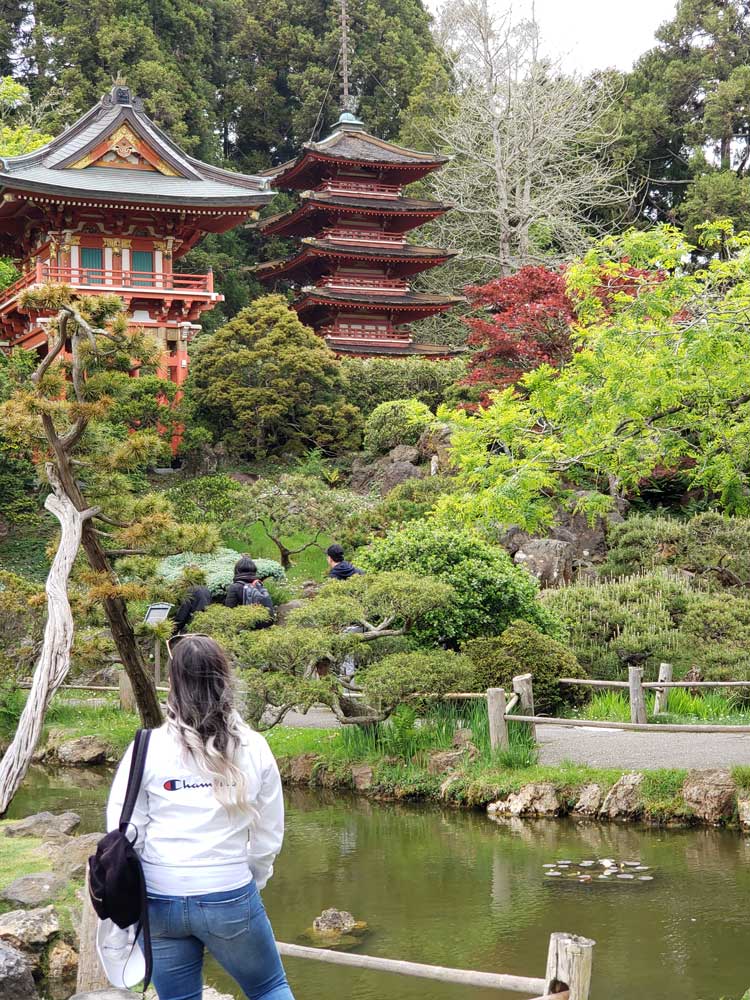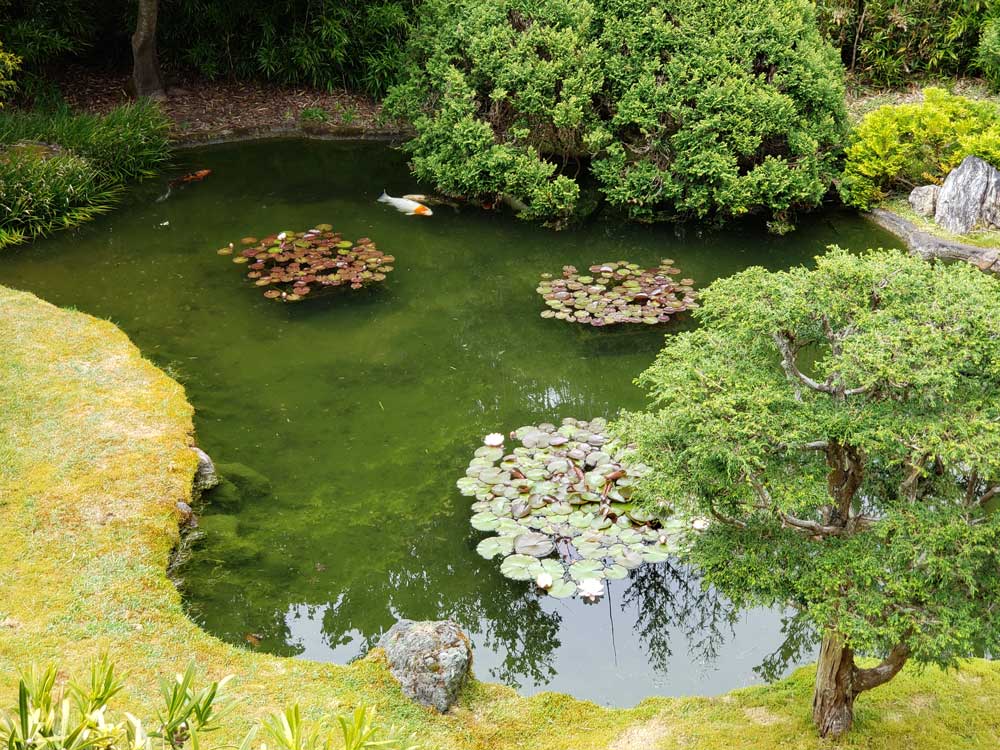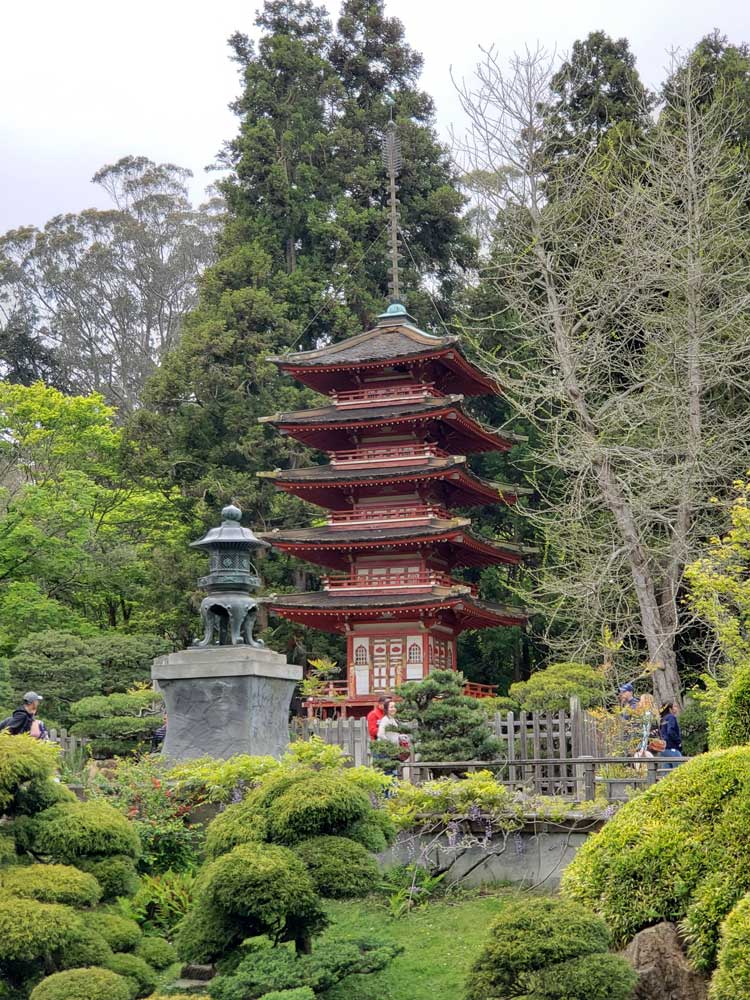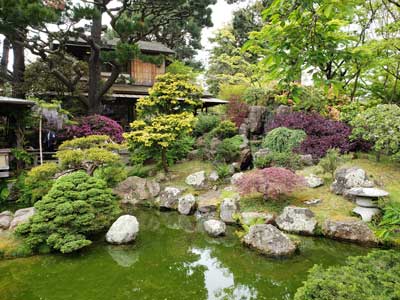
Five-acre landscaped garden featuring traditional Japanese architecture, koi ponds, stone lanterns, and seasonal cherry blossoms.
General Information
- Hours:
-
Open daily: 9am to 5:45pm (March–October)
Open daily: 9am to 4:45pm (November–February)
Last entry is 30 minutes before closing
Free admission hour: Monday, Wednesday, Friday from 9am to 10am - Fees:
-
Adults: $16
Seniors (65+): $10
Youth (12–17): $10
Children (5–11): $6
Children under 5: Free
San Francisco residents with ID: Free - Pet Policy:
- Pets are not allowed
- Closest cities with hotels:
- San Francisco (0 mi)
- Seasons:
- Spring for cherry blossoms and Fall for vibrant foliage; open year-round
- Location:
- 75 Hagiwara Tea Garden Dr, San Francisco, CA 94118
- Website:
- japaneseteagardensf.com
How to Get There
From San Francisco (0 mi): Head into Golden Gate Park via Fulton Street or Lincoln Way, then follow signs to the Music Concourse; the garden is located near the de Young Museum and California Academy of Sciences.
Overview
The Japanese Tea Garden in San Francisco is the oldest public Japanese garden in the United States, originally created as part of the 1894 California Midwinter International Exposition. Spanning five acres, the garden showcases traditional Japanese landscaping with features such as arched drum bridges, pagodas, stone lanterns, and serene koi ponds. Seasonal highlights include cherry blossoms in spring and vibrant foliage in fall, offering visitors a tranquil retreat in the heart of Golden Gate Park. The garden also includes a tea house where guests can enjoy authentic Japanese refreshments while overlooking the picturesque surroundings.
Maintained for decades by Japanese immigrant Makoto Hagiwara, the garden reflects a deep cultural heritage and historical significance. Despite the Hagiwara family's forced removal during World War II, the garden has endured as a symbol of peace and resilience. Today, it remains a beloved destination for locals and tourists alike, providing a meditative space for reflection and appreciation of Japanese aesthetics. Whether you're drawn by its botanical beauty or its cultural legacy, the Japanese Tea Garden offers a unique and enriching experience year-round.
History
The garden was created as a Japanese Village exhibit for the 1894 California Midwinter International Exposition. Makoto Hagiwara, a Japanese immigrant gardener, expanded and cared for the garden, and his family lived there until they were forced to leave in 1942 when Japanese Americans were incarcerated during World War II. The garden's pagoda came from the 1915 Panama-Pacific International Exposition.
Things to Do
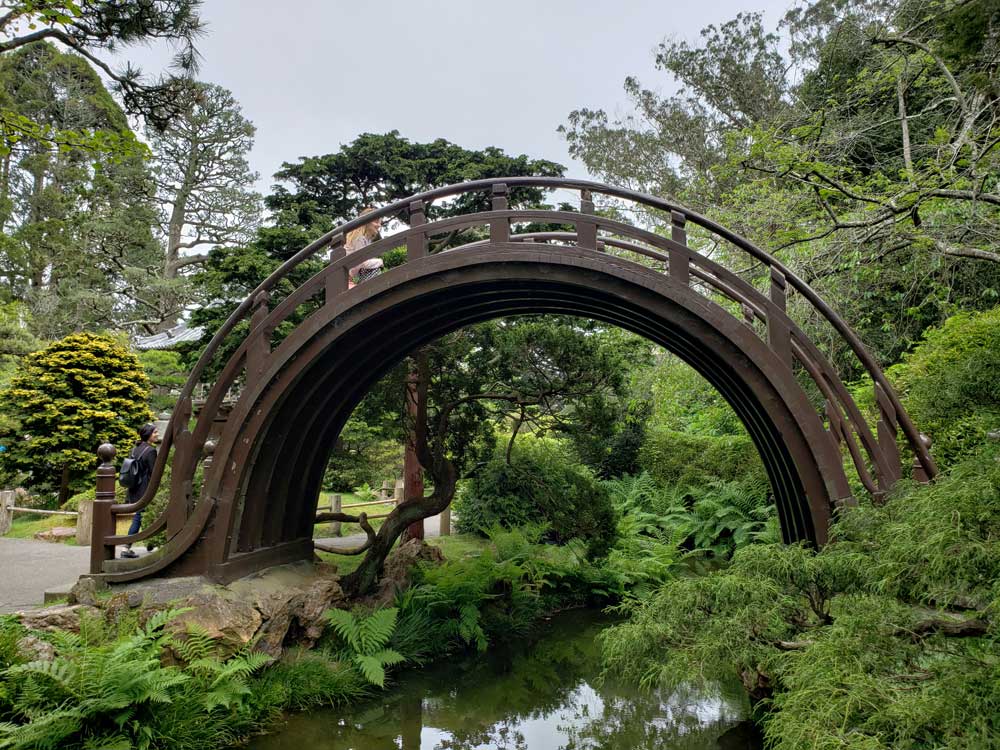
Cross the Drum Bridge
The steeply arched Drum Bridge is one of the garden's most photographed features.
Have Tea at the Tea House
The tea house serves tea and Japanese snacks.
See the Cherry Blossoms
In spring, the garden's cherry trees bloom.
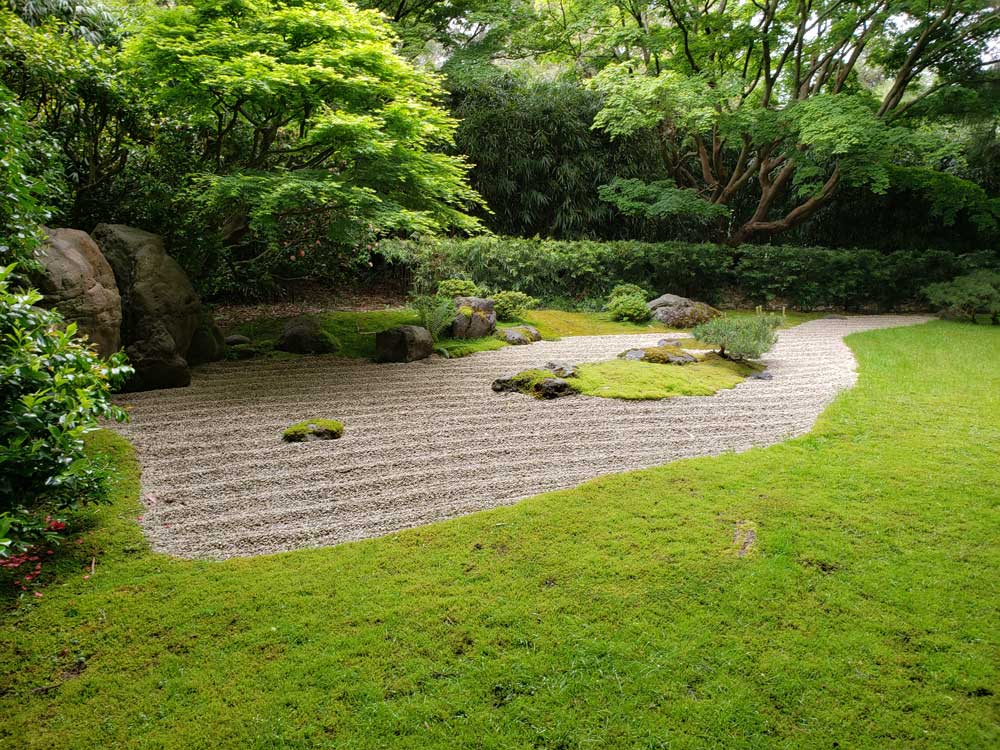
Visit the Zen Garden
The garden's dry rock garden is a quiet place for reflection.
Explore Golden Gate Park
The garden is near the de Young Museum.
This article uses material from the Wikipedia articles and official tourism pages for the Japanese Tea Garden, which are released under the Creative Commons Attribution-Share-Alike License 3.0.