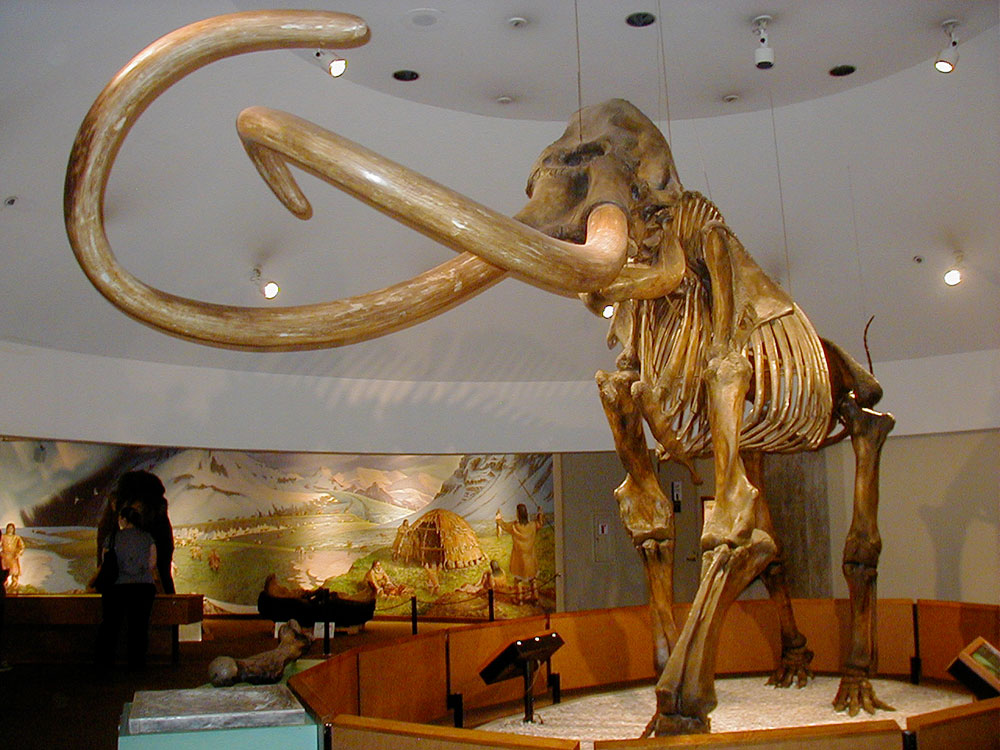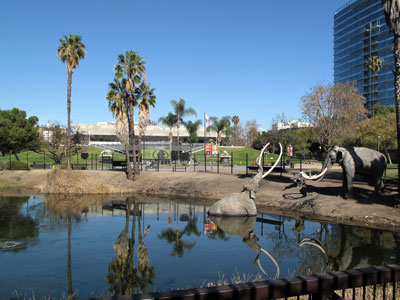

Group of tar pits formed in urban Los Angeles where tar has preserved the bones of trapped animals. The George C. Page Museum is dedicated to researching the tar pits and displaying specimens from the animals that died there.
General Information
- Hours:
-
Museum Hours:
Wednesday to Monday: 9:30am to 5pm
Tuesday: Closed
Park Hours:
6am to 10pm - Fees:
-
Museum:
Adult: $15.00
Senior: $12.00
Child (3-12): $7.00
Child 2 and Under: Free
Parking
$15 FLAT RATE
The museum's parking lot is located at the corner of Curson Avenue and 6th Street, directly behind the museum. Enter from the western side of Curson Avenue. - Pet Policy:
- Pets allowed
- Closest cities with hotels:
- Los Angeles
- Seasons:
- All year
- Location:
- 350 South Grand Avenue, Los Angeles 90071
- Website:
- tarpits.org
How to Get There
Take W 1st St, CA-110 and Exit 21 to W 17th St. Take 3rd Ave to W Olympic Blvd. Turn left onto W Olympic Blvd. Turn right onto S Curson Ave.
Overview
The La Brea Tar Pits in Hancock Park on Museum Row in Los Angeles are an active Ice Age fossil site where natural asphalt has trapped animals for tens of thousands of years, including mammoths, saber-toothed cats, and dire wolves. The La Brea Tar Pits Museum displays fossils, a working fossil lab, and the Lake Pit with life-size mammoths. Visitors can watch the ongoing excavations at Project 23 and see bubbling tar in the park.
History
For thousands of years, the Tongva and Chumash peoples used the sticky asphalt here to waterproof baskets and canoes. Spanish explorers noted the tar pits in 1769, and the land later became part of Rancho La Brea. Scientists began excavating fossils in the early 1900s, and in 1924 G. Allan Hancock donated the land to Los Angeles County. The George C. Page Museum opened in 1977 to display the fossils, and it is now known as the La Brea Tar Pits Museum. In 2006, construction of a parking garage for LACMA uncovered a huge new fossil deposit, which became Project 23.
Things to Do
See the Lake Pit
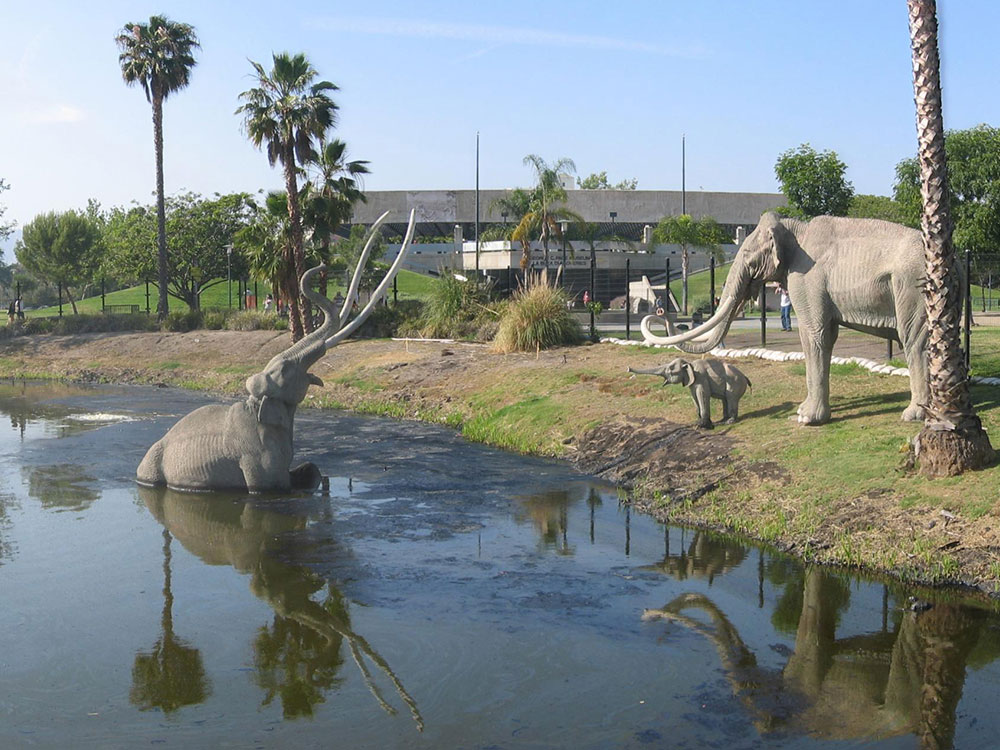
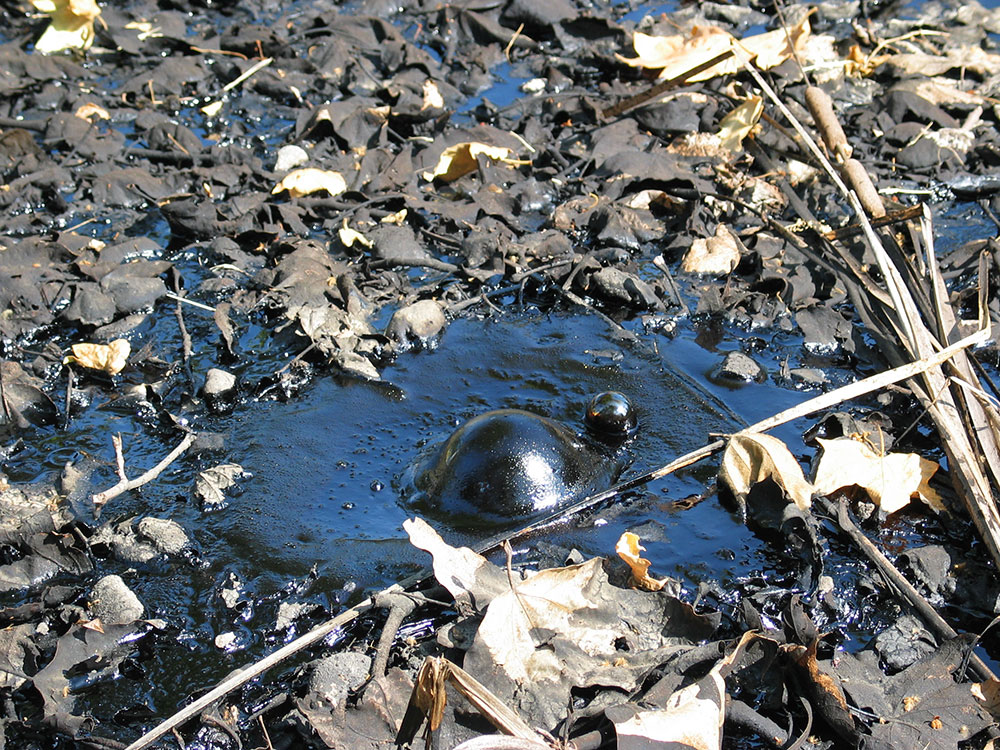
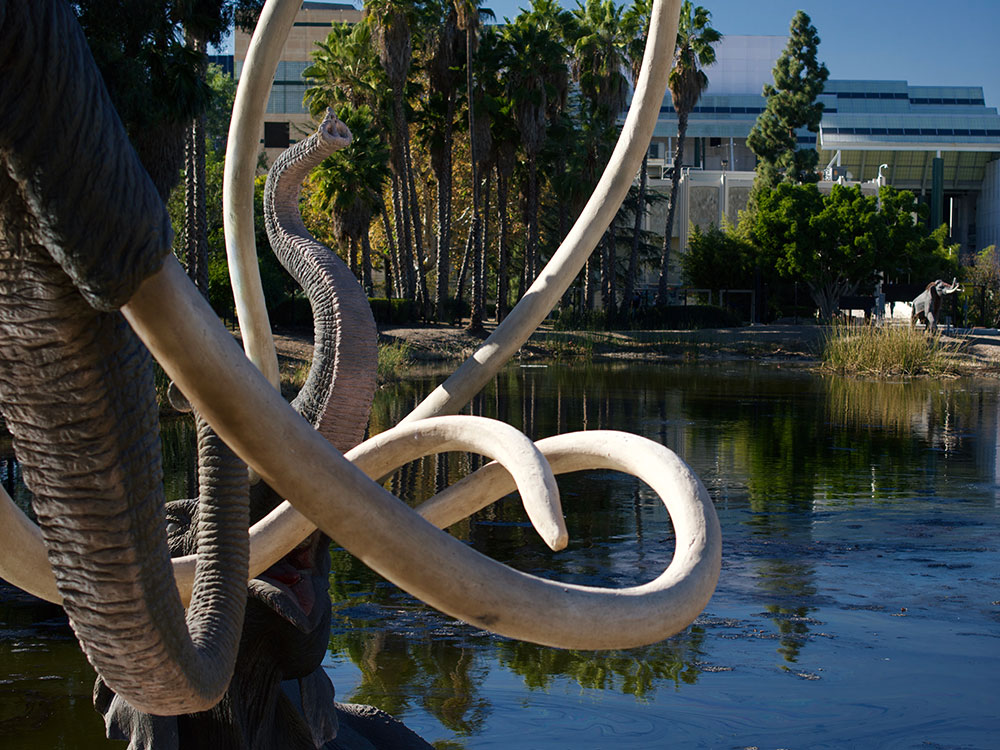
Life-size models of a mammoth family stand at the edge of the Lake Pit, where bubbles of methane rise through the tar.
Watch Scientists at Work
Through the windows of the museum's Fossil Lab, visitors can watch paleontologists clean and study fossils.
Explore the Museum
Exhibits display skeletons of saber-toothed cats, mammoths and giant ground sloths, along with a wall of hundreds of dire wolf skulls.
Visit Project 23
At Project 23, visitors can watch scientists excavate fossils from the deposits found in 2006.
Visit Museum Row
The tar pits sit next to LACMA and near the Petersen Automotive Museum.
This article uses material from the Wikipedia article "La Brea Tar Pits", which is released under the Creative Commons Attribution-Share-Alike License 3.0. Additional information from La Brea Tar Pits.