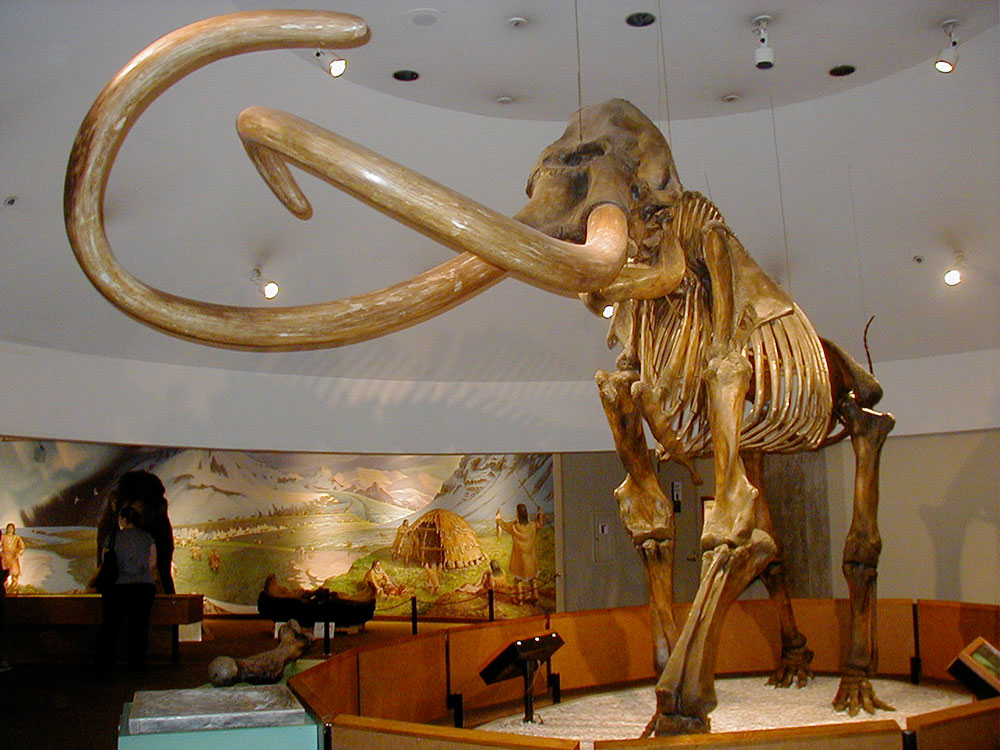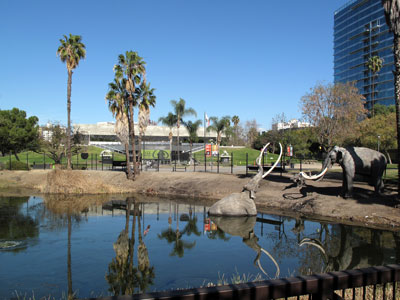
Group of tar pits formed in urban Los Angeles where tar has preserved the bones of trapped animals. The George C. Page Museum is dedicated to researching the tar pits and displaying specimens from the animals that died there
Wednesday to Monday: 9:30am to 5pm
Tuesday: Closed
Park Hours:
6am to 10pm
Adult: $15.00
Senior: $12.00
Child (3-12): $7.00
Child 2 and Under: Free
Parking
$15 FLAT RATE
The museum's parking lot is located at the corner of Curson Avenue and 6th Street, directly behind the museum. Enter from the western side of Curson Avenue.
Take W 1st St, CA-110 and Exit 21 to W 17th St. Take 3rd Ave to W Olympic Blvd. Turn left onto W Olympic Blvd. Turn right onto S Curson Ave.
Overview
La Brea Tar Pits are a group of tar pits around which Hancock Park was formed in urban Los Angeles. Natural asphalt (also called asphaltum, bitumen, pitch, or tar—brea in Spanish) has seeped up from the ground in this area for tens of thousands of years. The tar is often covered with dust, leaves, or water. Over many centuries, the tar preserved the bones of trapped animals. The George C. Page Museum is dedicated to researching the tar pits and displaying specimens from the animals that died there. La Brea Tar Pits is a registered National Natural Landmark.
Formation
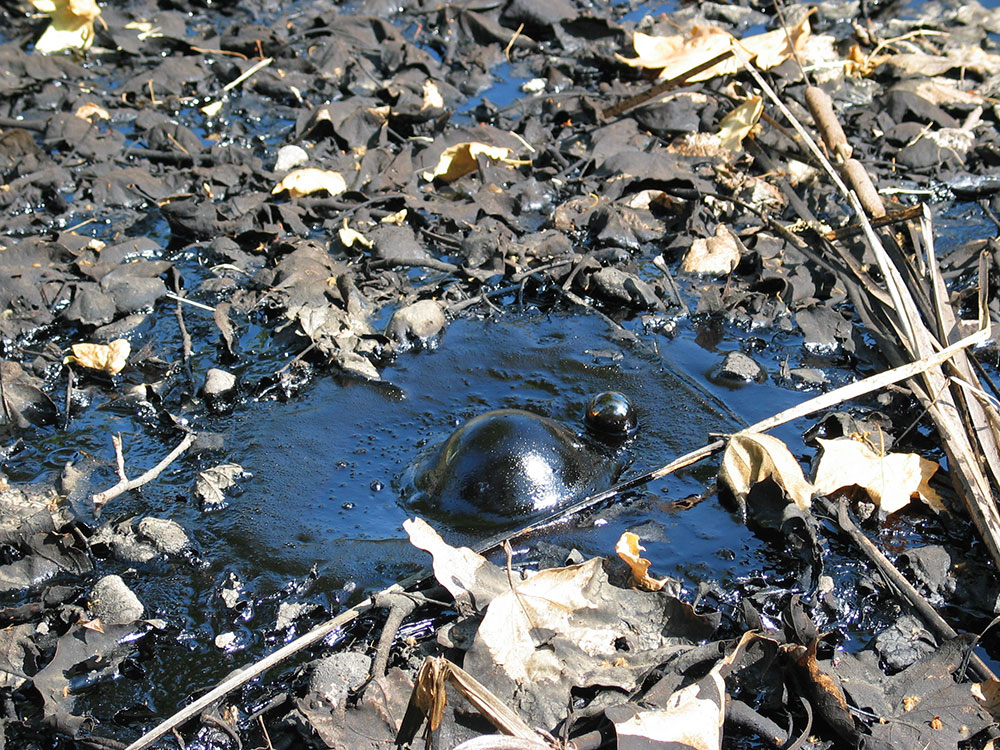
Tar pits are composed of heavy oil fractions called gilsonite, which seeps from the Earth as oil. In Hancock Park, crude oil seeps up along the 6th Street Fault from the Salt Lake Oil Field, which underlies much of the Fairfax District north of the park. The oil reaches the surface and forms pools, becoming asphalt as the lighter fractions of the petroleum biodegrade or evaporate. The asphalt then normally hardens into stubby mounds. The pools and mounds can be seen in several areas of the park.
The tar pits visible now were all created by human excavations: the lake pit was originally an asphalt mine; and the other visible pits were produced as a result of explorers excavating more than 100 sites between 1913 and 1915 in search of large mammal bones. (Since then, these excavations have gradually been filled in by an accumulation of asphaltum, dust, leaves, and water, but the tar pits they produced remain.)
Origin
This seepage has been happening for tens of thousands of years, during which the asphalt sometimes formed a deposit thick enough to trap animals. The deposit would become covered over with water, dust, or leaves. Animals would wander in, become trapped, and die. Predators would enter to eat the trapped animals and would also become stuck. As the bones of a dead animal sink, the asphalt soaks into them, turning them dark-brown or black in color. Lighter fractions of petroleum evaporate from the asphalt, leaving a more solid substance, which then encases the bones. Dramatic fossils of large mammals have been extricated from the tar, but the asphalt also preserves microfossils: wood and plant remnants, rodent bones, insects, mollusks, dust, seeds, leaves, and even pollen grains. Examples of some of these are on display in the George C. Page Museum. Radiometric dating of preserved wood and bones has given an age of 38,000 years for the oldest known material from the La Brea seeps. The pits still ensnare organisms today, so most of the pits are fenced to protect humans and animals.
George C. Page Museum
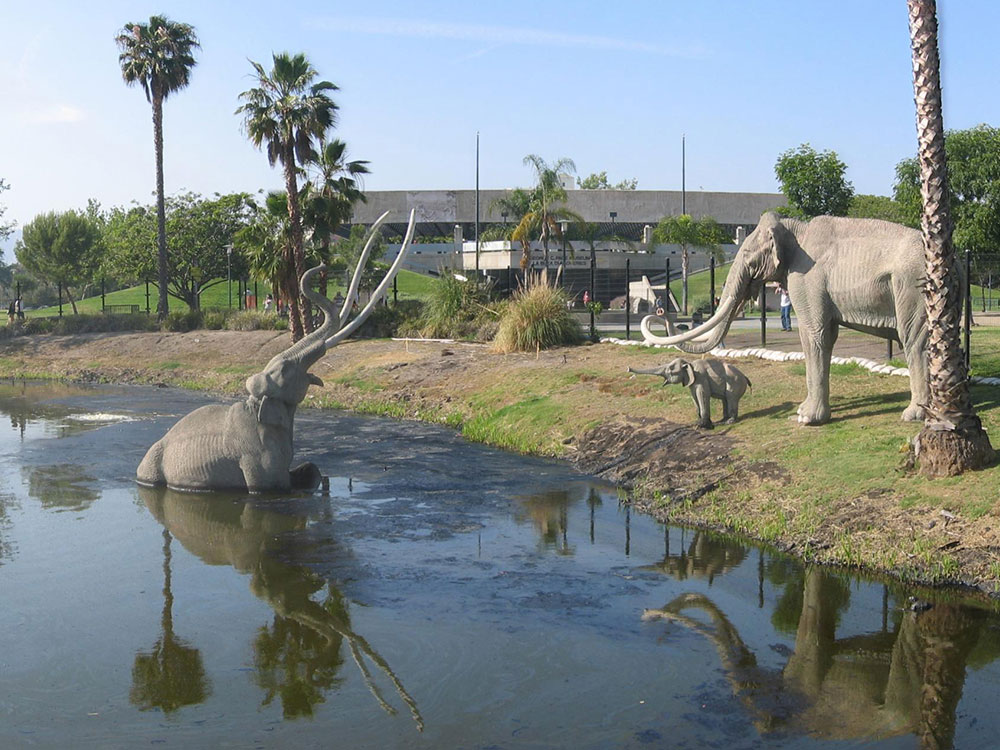
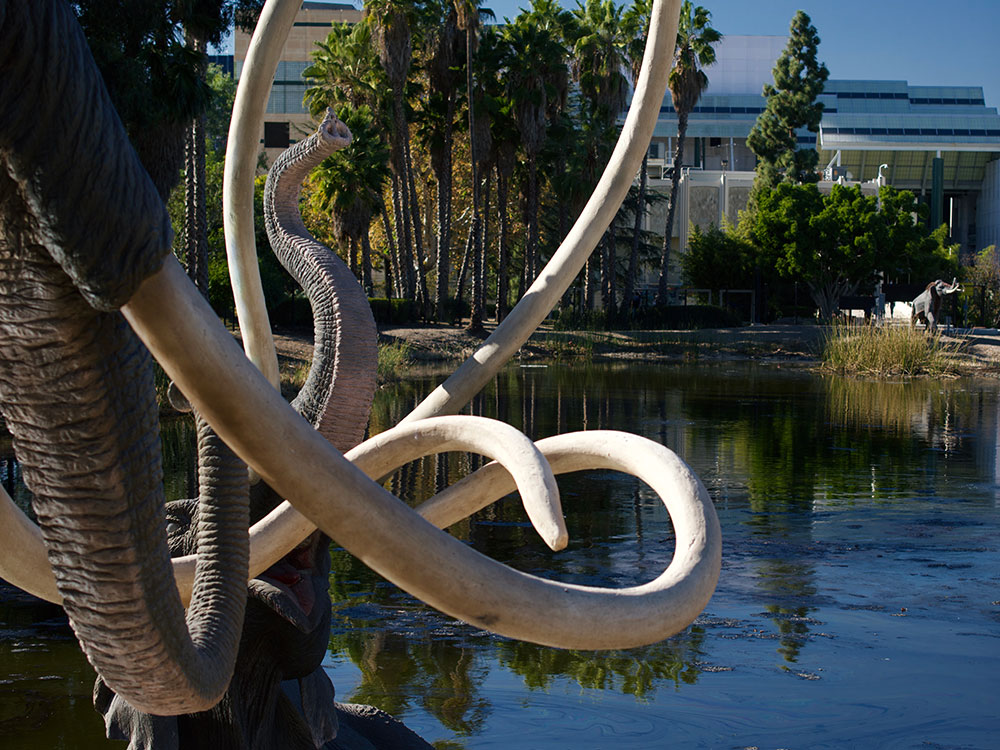
The George C. Page Museum of La Brea Discoveries, part of the Natural History Museum of Los Angeles County, was built next to the tar pits in Hancock Park on Wilshire Boulevard. Construction began in 1975, and the museum opened to the public in 1977. The museum tells the story of the tar pits and presents specimens excavated from them. Visitors can walk around the park and see the tar pits. On the grounds of the park are life-sized models of prehistoric animals in or near the tar pits. Of more than 100 pits, only Pit 91 is still regularly excavated by researchers and can be seen at the Pit 91 viewing station. In addition to Pit 91, the one other ongoing excavation is called "Project 23". Paleontologists supervise and direct the work of volunteers at both sites.
Flora and fauna
Among the prehistoric species associated with the La Brea Tar Pits are Pleistocene mammoths, dire wolves, short-faced bears, American lions, ground sloths, and, the state fossil of California, the saber-toothed cat (Smilodon fatalis). The park is known for producing myriad mammal fossils dating from the last glacial period. While mammal fossils generate significant interest, other fossils, including fossilized insects and plants, and even pollen grains, are also valued. These fossils help define a picture of what is thought to have been a cooler, moister climate in the Los Angeles basin during the glacial age. Among these fossils are microfossils, which are retrieved from a matrix of asphalt and sandy clay by washing with a solvent to remove the petroleum, then picking through the remains under a high-powered lens.
This article uses material from the Wikipedia article "La Brea Tar Pits", which is released under the Creative Commons Attribution-Share-Alike License 3.0