Iconic Hollywood 21-mile (34 km) long mostly two-lane, minor arterial road that loosely follows the ridgeline of the eastern Santa Monica Mountains and the Hollywood Hills and is featured in a significant number of movies, songs, and novels.
General Information
- Length:
- 21 miles (34 km)
- West end:
- US 101 (Ventura Fwy) in Woodland Hills
- East end:
- US 101 (Hollywood Fwy)/Cahuenga Blvd in the Hollywood Hills
- Hours:
- 24/7
- Fees:
- n/a
- Pet Policy:
- Pets allowed
- Closest cities with hotels:
- Hollywood
- Seasons:
- All year
- Location:
- 6714-6700 Mulholland Dr, Los Angeles, CA 90068
How to Get There
Head northwest on W 1st St toward N Spring St. Turn right onto N Grand Ave. Turn left onto the US-101 N ramp. Keep left at the fork, follow signs for US-101 N and merge onto US-101 N. Take exit 9B toward Highland Ave/Hollywood Bowl. Slight left onto Cahuenga Blvd. Turn right onto Lakeridge Rd. Turn left onto Lakeridge Pl. Turn left onto Mulholland Dr. Turn left to stay on Mulholland Dr.
Overview
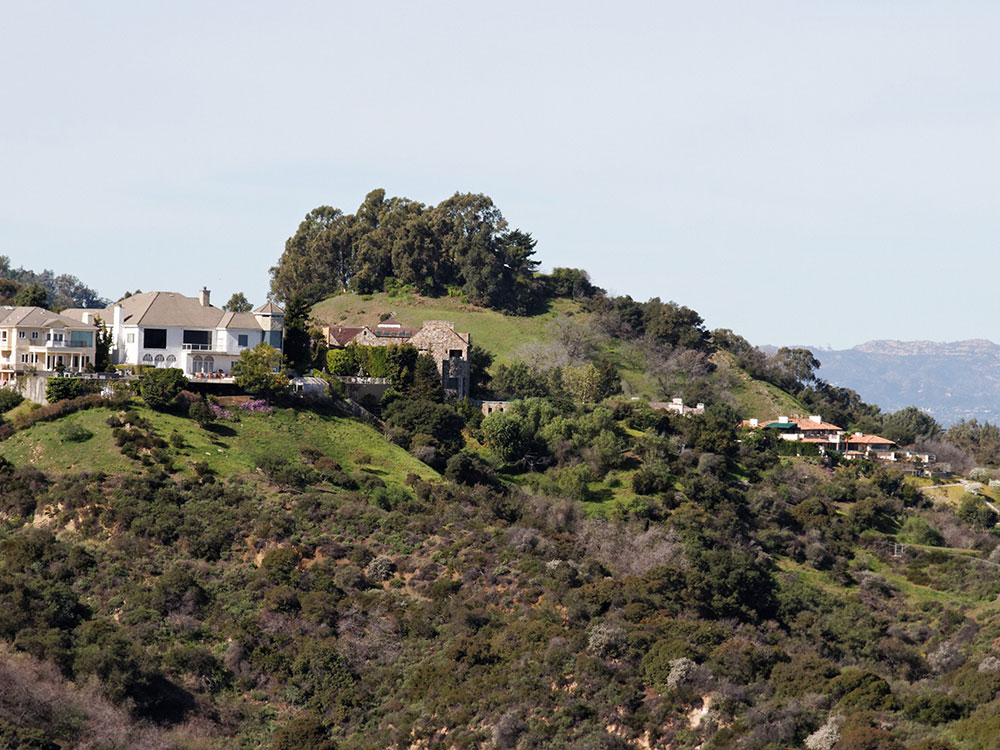
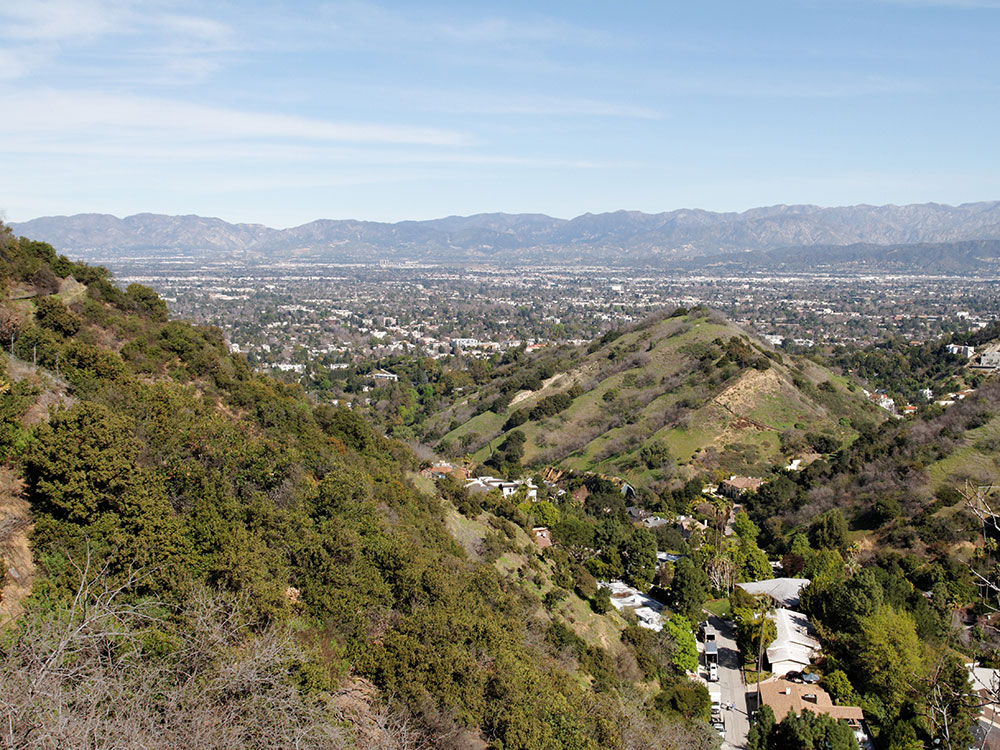
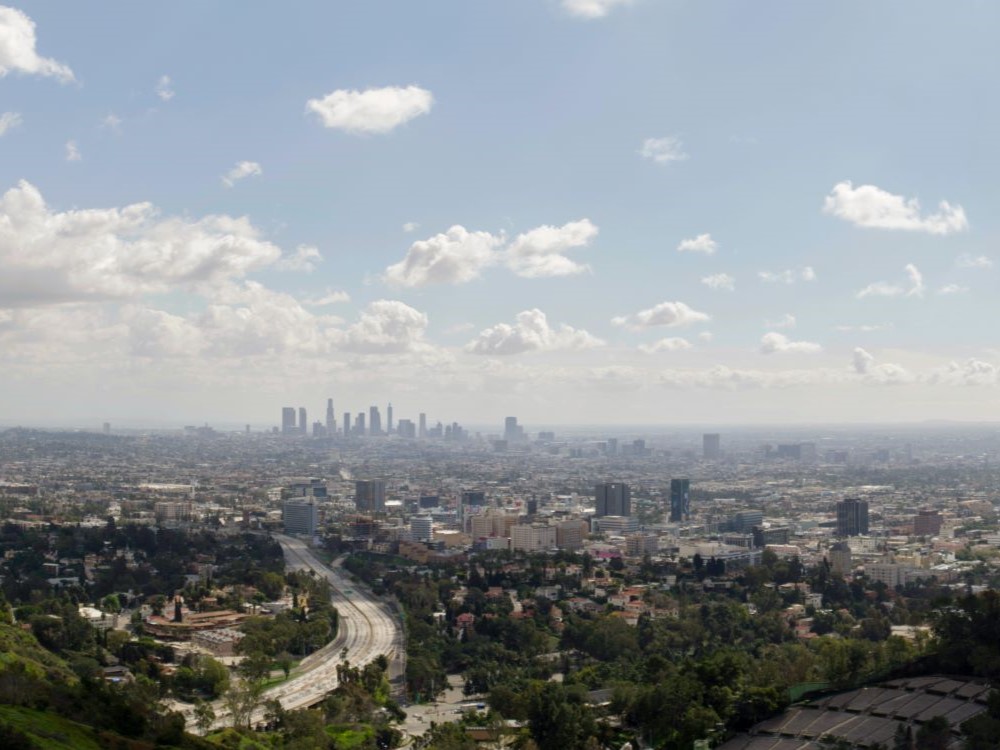
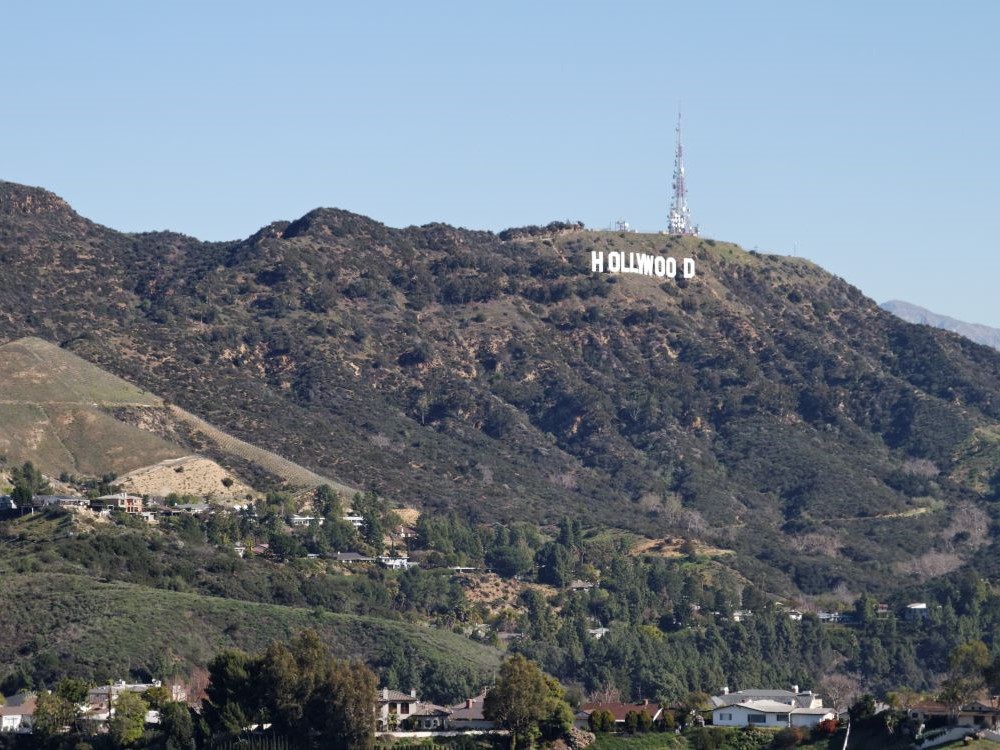
Mulholland Drive is the winding ridge-top road across the Santa Monica Mountains, named for water engineer William Mulholland, with sweeping views of the San Fernando Valley on one side and the Los Angeles Basin on the other. It passes overlooks that include the Hollywood Bowl Overlook and Fryman Canyon, plus celebrity estates, and it appears in many films, including David Lynch’s Mulholland Drive. West of the 405 it continues as Mulholland Highway.
History
The road is named for William Mulholland, chief engineer of the Los Angeles water department, who oversaw the Los Angeles Aqueduct that made the city's growth possible. Mulholland Drive opened in 1924, following the crest of the Santa Monica Mountains to open the hills to development and give drivers a scenic route above the city. Through the 20th century the ridge became home to celebrities, and the road became famous in films, including David Lynch's 2001 film Mulholland Drive. A section in the western Santa Monica Mountains was never paved and is known as Dirt Mulholland, now closed to cars and open to hikers and cyclists.
Things to Do
Stop at the Scenic Overlooks
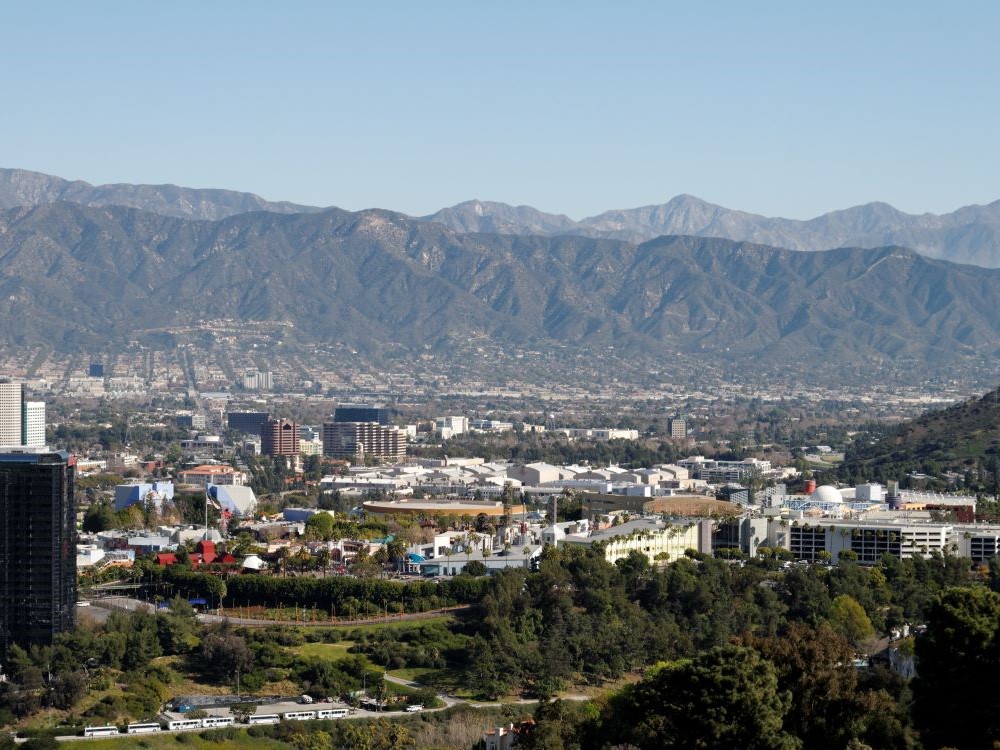
Pullouts along the road, including the Hollywood Bowl Overlook and Universal City Overlook, offer views over the Los Angeles Basin and the San Fernando Valley.
Drive at Sunset
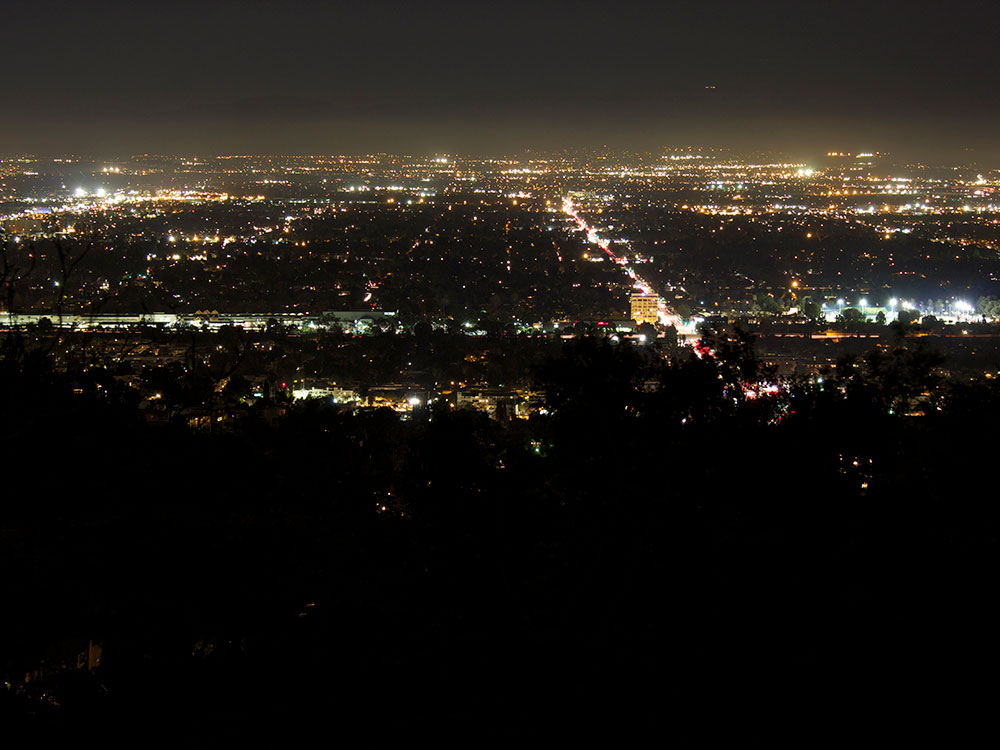
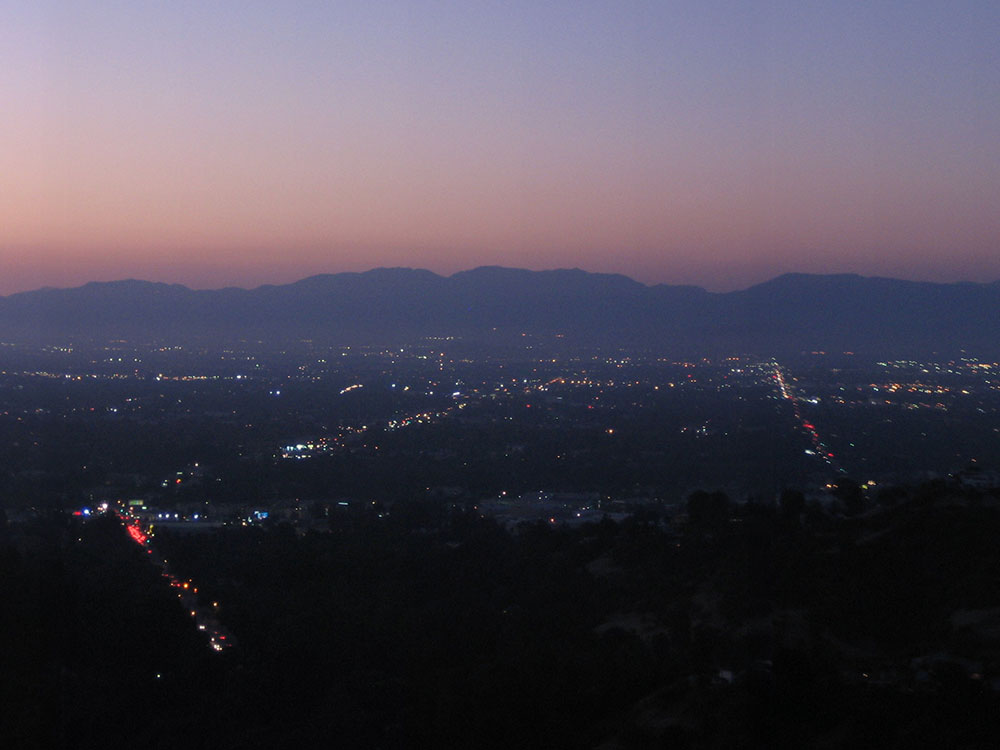
The winding road is best driven in the late afternoon, when the sun sets over the hills and the city lights begin to appear below.
Hike Fryman Canyon and Runyon Canyon
Trailheads along the road include Fryman Canyon Park and the upper entrance to Runyon Canyon Park, both with hillside trails and city views.
Explore Dirt Mulholland
The unpaved section of Mulholland west of the 405 is closed to cars and is popular with hikers and mountain bikers.
This article uses material from the Wikipedia article "Mulholland Drive", which is released under the Creative Commons Attribution-Share-Alike License 3.0