Olvera Street

Visitor7, CC BY-SA 3.0, via Wikimedia Commons; Image Size Adjusted

Neighborhood on the eastern edge of Downtown Los Angeles where new art galleries have increased recognition of the area amidst the entire downtown where other art museums are found.

General Information
Closest cities with hotels:
Los Angeles
Seasons:
All year
Location:
532 S Olive St, Los Angeles, CA 90013
Website:
Rating:
5.0
Los Angeles, CA Weather Forecast

How to Get There

Head northwest on W 1st St toward N Spring St. Turn left onto S Olive St. Turn right onto W 2nd St. Destination will be on the left.

Overview

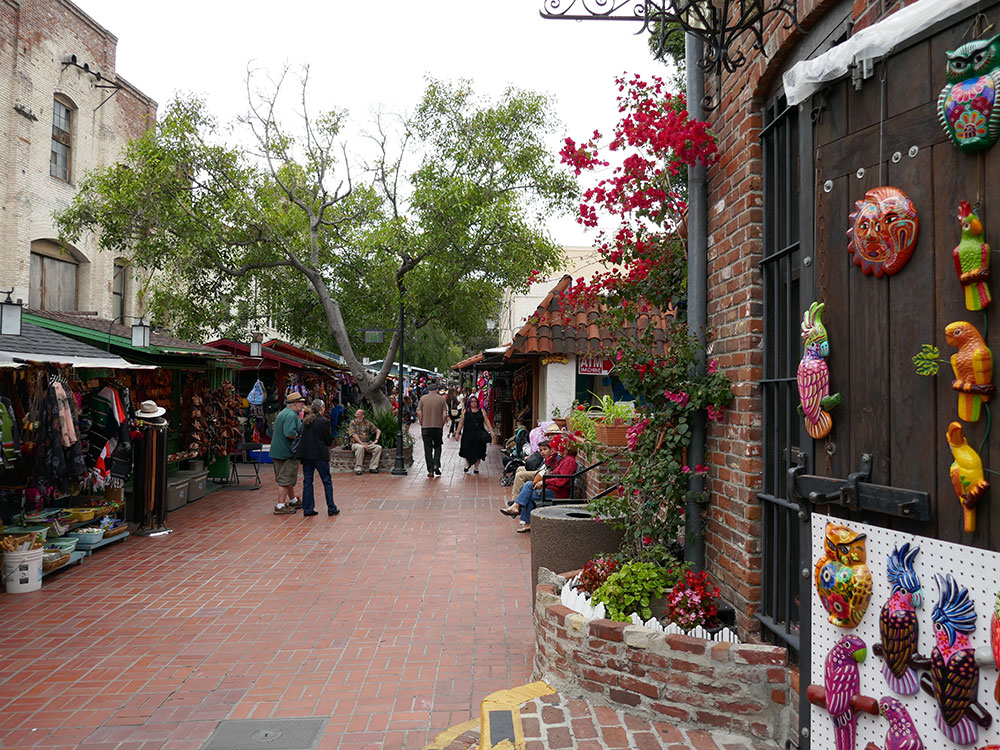
Olvera Street (also Calle Olvera or Placita Olvera, originally Calle de los Vignes, Vine Street, and Wine Street) is a historic street in downtown Los Angeles, and a part of El Pueblo de Los Angeles Historic Monument, the area immediately around the 19th-century Los Angeles Plaza, which has been the main square of the city since the early 1820s, when California was still part of Mexico, and was the center of community life until the town expanded in the 1870s. Many of the Plaza District's historic buildings are on Olvera Street, including its oldest one, the Avila Adobe, built in 1818; the Pelanconi House built in 1857; and the Sepulveda House built in 1887.

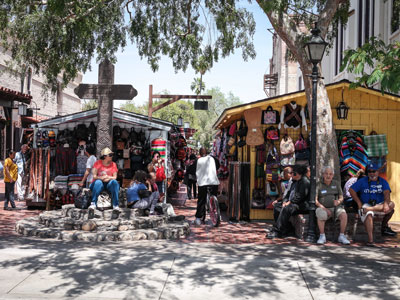
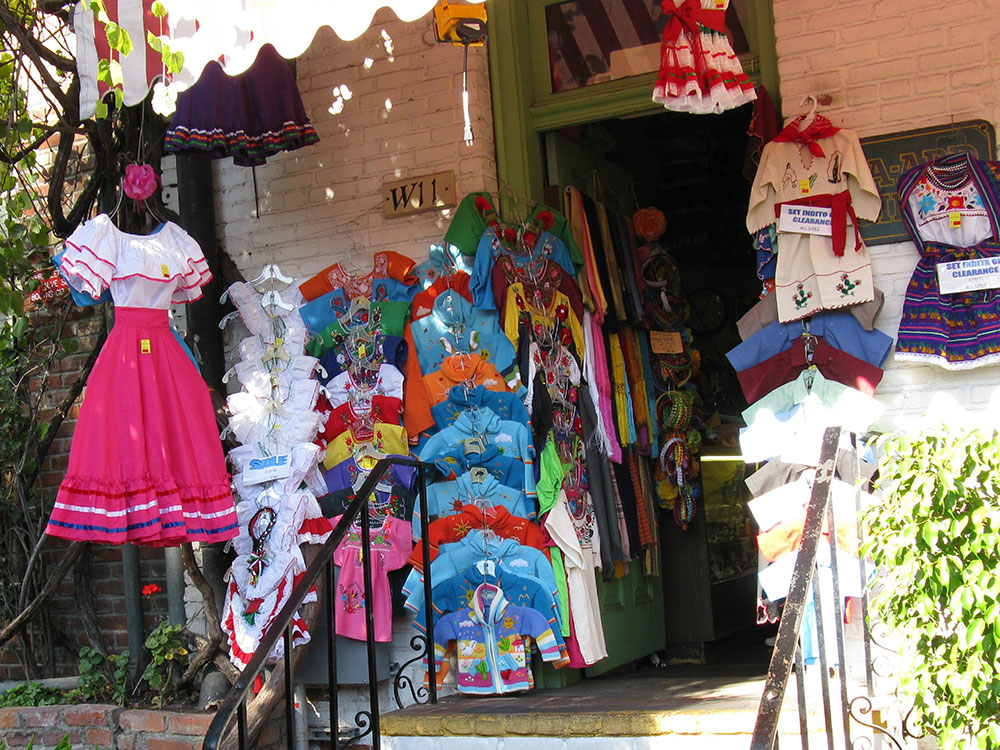
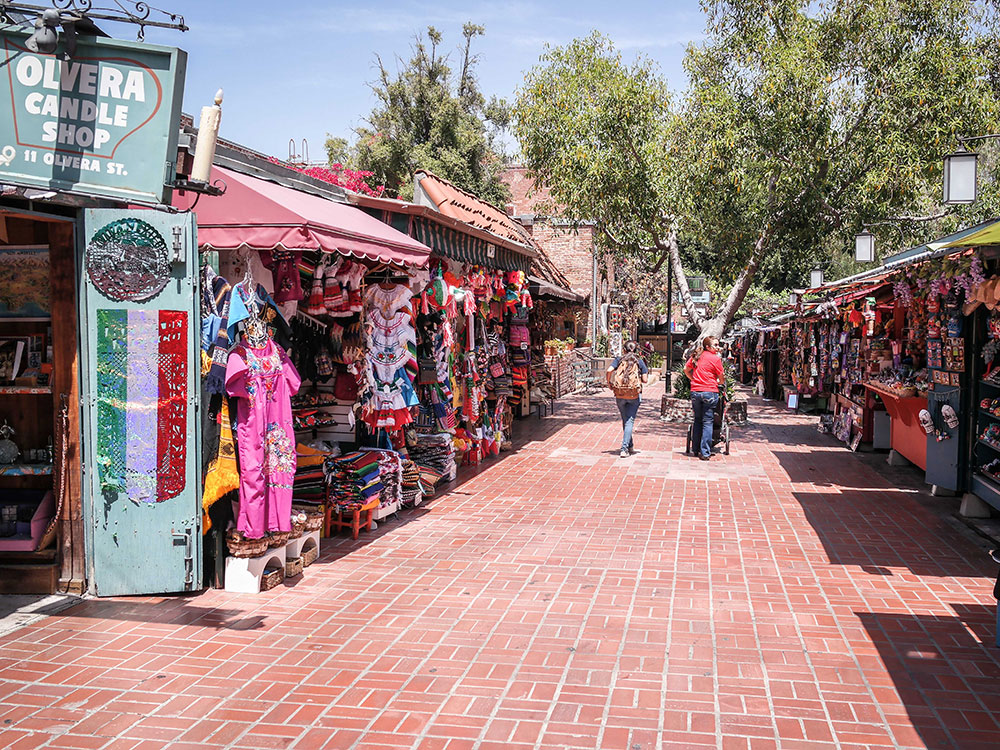
Restaurants, vendors, and public establishments are along the pedestrian mall, a block-long narrow, tree-shaded, brick-lined marketplace where some merchants are descended from the original vendors who opened shops when a then-decrepit Olvera Street was recreated as a tourist attraction in 1930, a romanticized version with the theme of a Mexican marketplace. The exterior facades of the brick buildings enclosing Olvera Street and on the small vendor stands lining its center are colorful piñatas, hanging puppets in white peasant garb, Mexican pottery, serapes, mounted bull horns, and oversized sombreros. Olvera Street attracts almost two million visitors per year who can find, while not an authentic Mexican or Mexican-American market, an homage to the history and traditions of the pueblo's early settlers and the city's Mexican heritage.

Geography

Olvera Street is in the northeast of modern-day Downtown Los Angeles, between Main and Alameda streets, running north from the Los Angeles Plaza to Cesar Chavez Avenue. It is part of El Pueblo de Los Ángeles Historical Monument, the area immediately around the Plaza. This is west of Union Station and southeast of Chinatown. Though Los Angeles was founded in 1781, this Plaza dates to the 1820s, and is approximately a block east and south of the original 18th-century Plaza.

Avila Adobe

The Avila Adobe at 10 Olvera Street was built in 1818 and is the oldest surviving residence in Los Angeles. It was built by Francisco Ávila, a wealthy cattle rancher. Its adobe walls are 2½ to 3 feet (0.91 m) thick. U. S. Navy Commodore Robert Stockton took it over as his temporary headquarters when the United States first occupied the city in 1846. Listed on the National Register of Historic Places, the adobe is also designated as California State Landmark No. 145. It was restored starting 1926 through efforts by Christine Sterling, and now stands as a museum.

Sepulveda House

The Sepulveda House at 12 Olvera Street is a historic residence built in 1887 by Señora Eloisa Martinez de Sepulveda in the Eastlake architectural style. The original structure included two commercial businesses and three residences

This article uses material from the Wikipedia article "Olvera Street", which is released under the Creative Commons Attribution-Share-Alike License 3.0
broad-night
Jllm06, CC BY-SA 4.0, via Wikimedia Commons ; Image Size Adjusted
broad-escalator
Visitor7, CC BY-SA 3.0, via Wikimedia Commons ; Image Size Adjusted
broad-escalator
NewtonCourt, CC BY-SA 4.0, via Wikimedia Commons; Image Size Adjusted
broad-escalator
Los Angeles, CC BY-SA 3.0, via Wikimedia Commons ; Image Size Adjusted
broad-escalator
Pedro Szekely from Los Angeles, USA, CC BY-SA 2.0, via Wikimedia Commons ; Image Size Adjusted