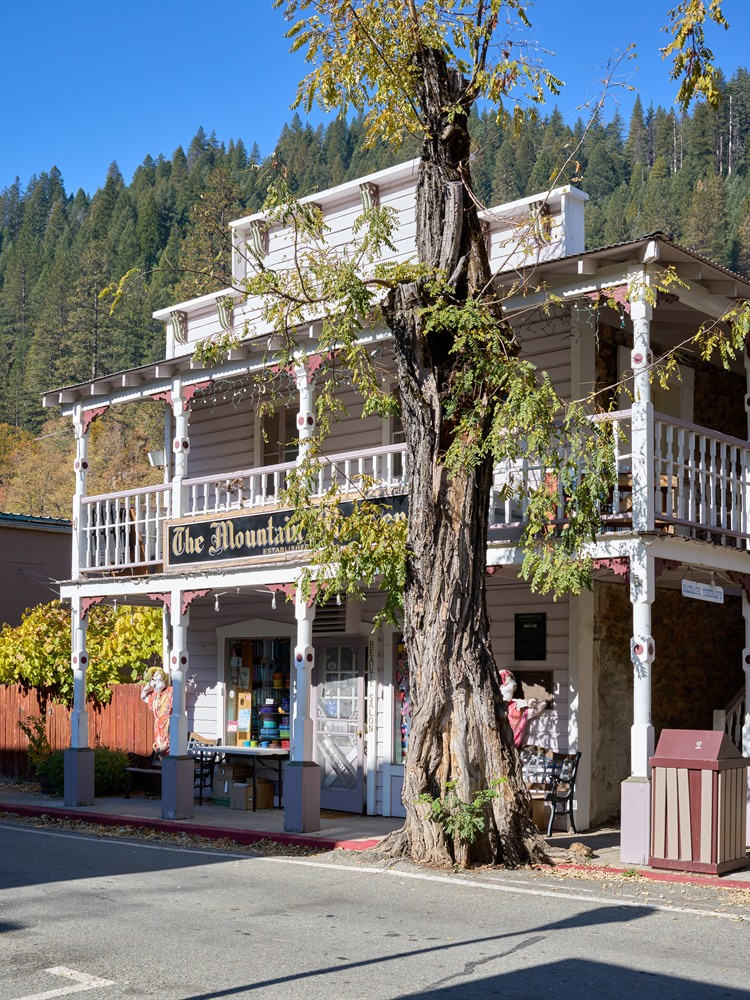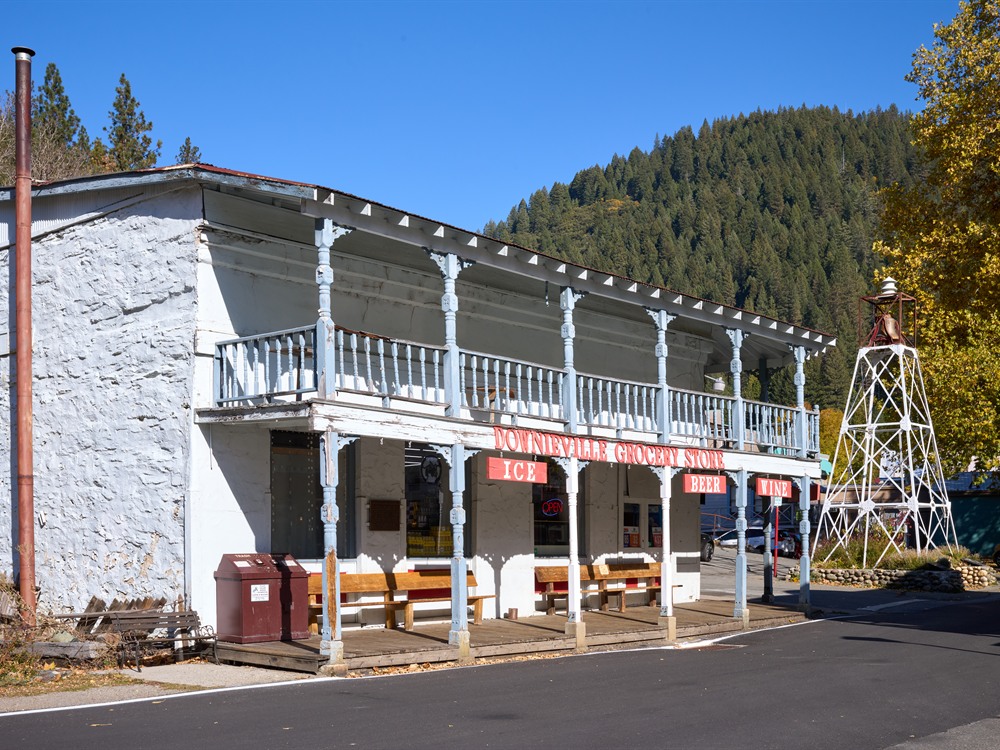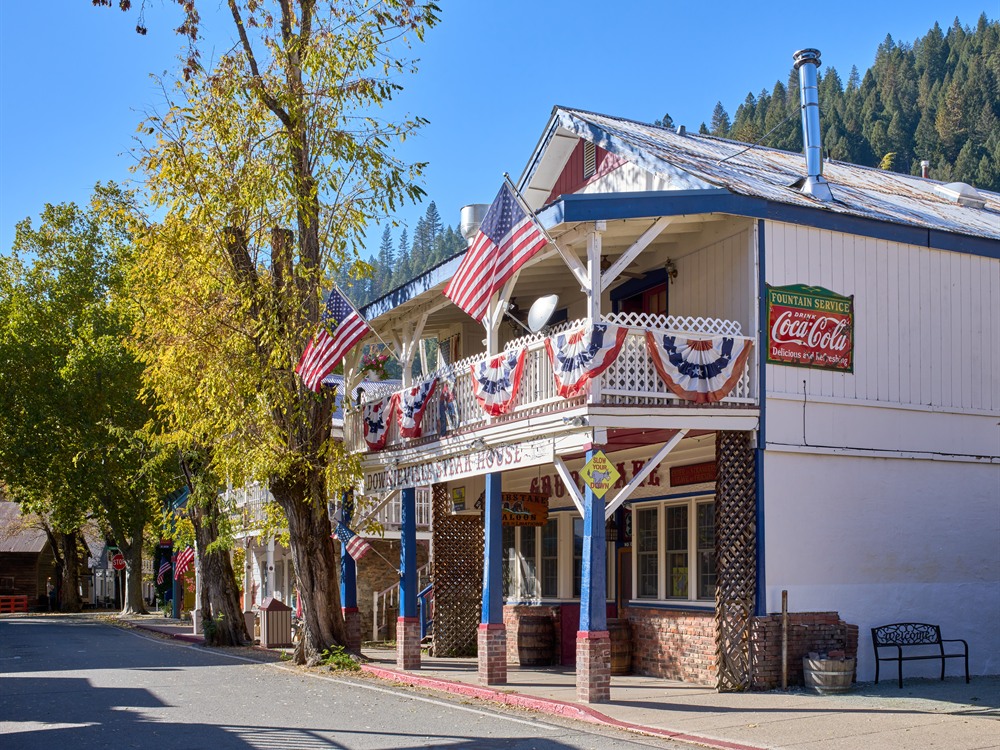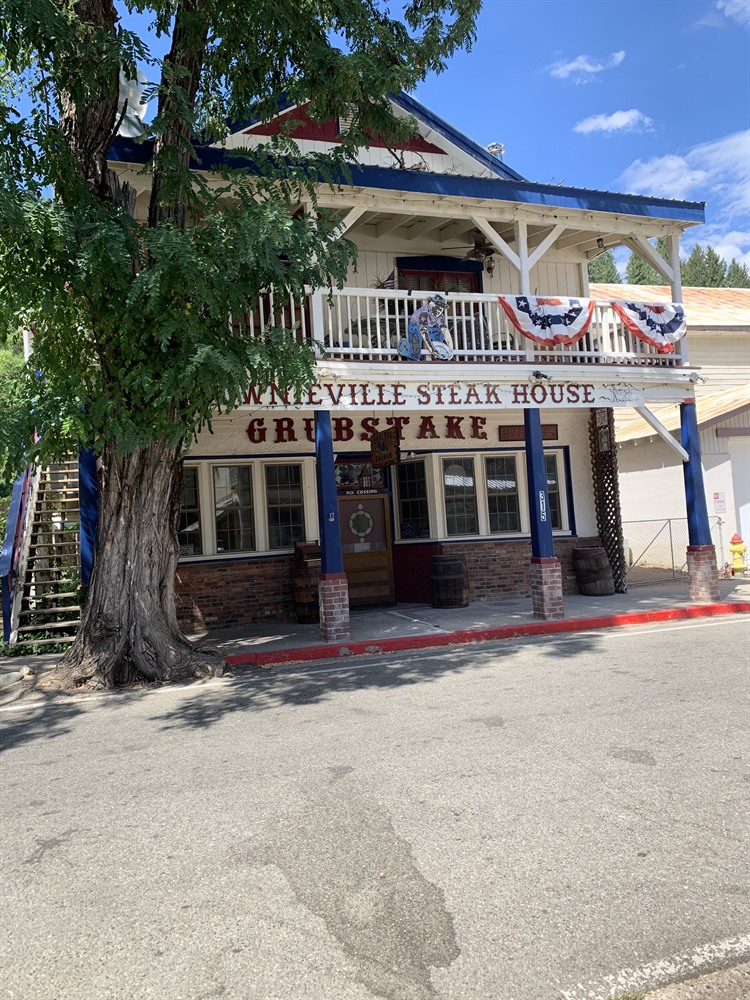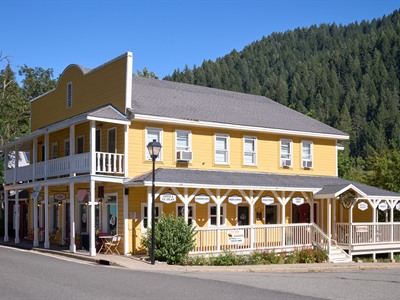

Historic Gold Rush-era riverfront district featuring preserved nineteenth-century buildings, heritage landmarks, and mountain town streetscapes that reflect California's early mining history.
General Information
- Hours:
- Historic district accessible daily, 24 hours
Individual museums, shops, restaurants, and attractions maintain their own operating hours - Fees:
-
Free to explore the historic district
Admission fees may apply at individual museums and attractions - Pet Policy:
- Pets are generally permitted in outdoor public areas when leashed; restrictions vary by business and attraction
- Closest cities with hotels:
- Downieville, California
- Seasons:
- Late spring through fall offers the most favorable weather for sightseeing and outdoor recreation, though the district can be visited year-round
- Location:
- Downieville Historic District, Downieville, CA 95936
- Website:
- historicdownieville.com
How to Get There
From Downieville: Travel along Main Street and Commercial Street through the town center at the confluence of the Downie and North Yuba Rivers to reach the historic buildings and landmarks that make up the district.
Overview
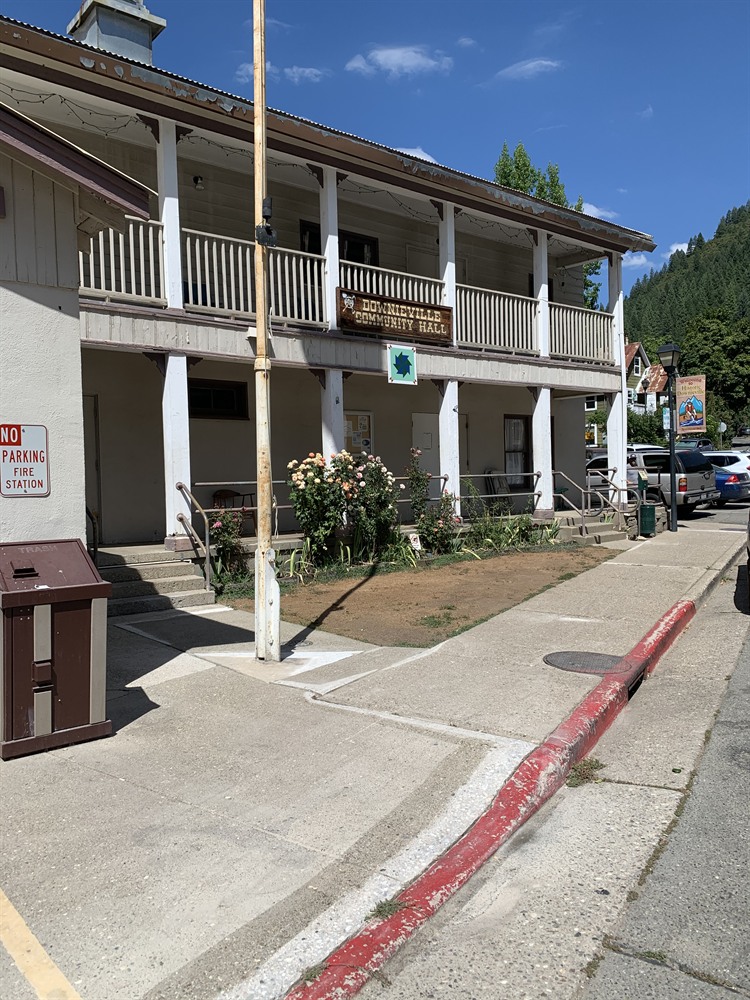
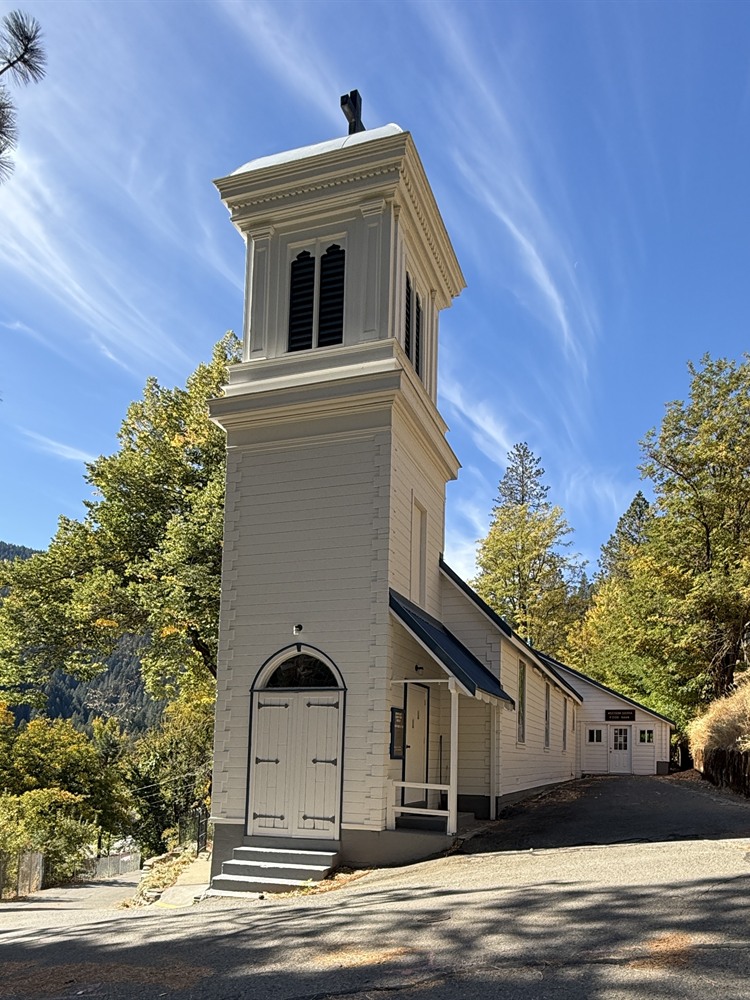
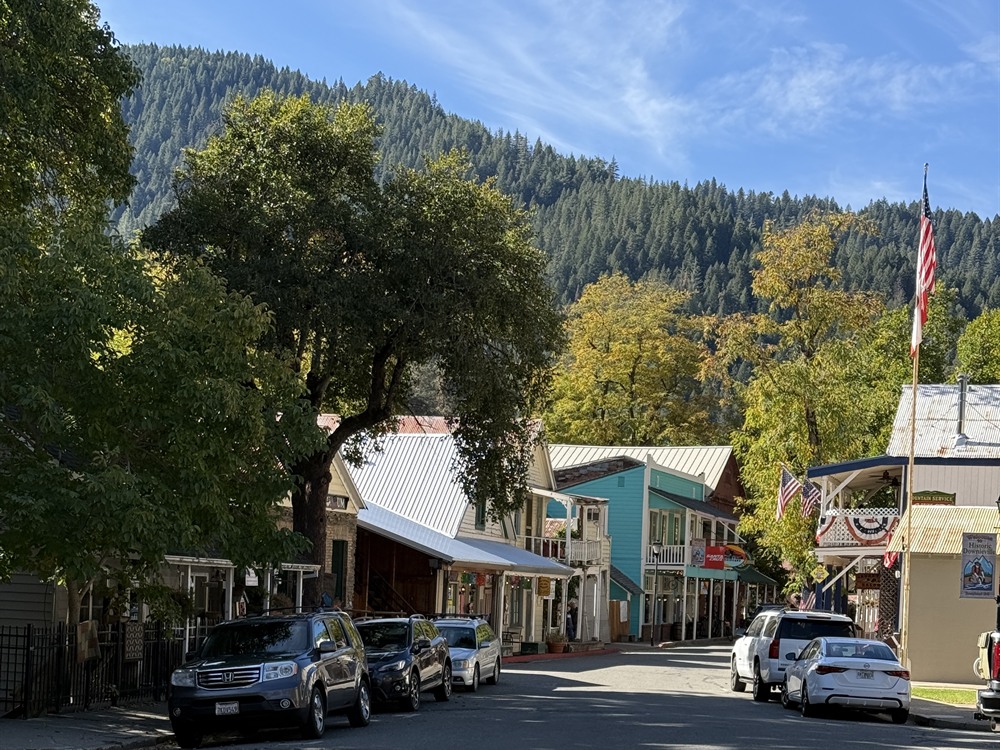
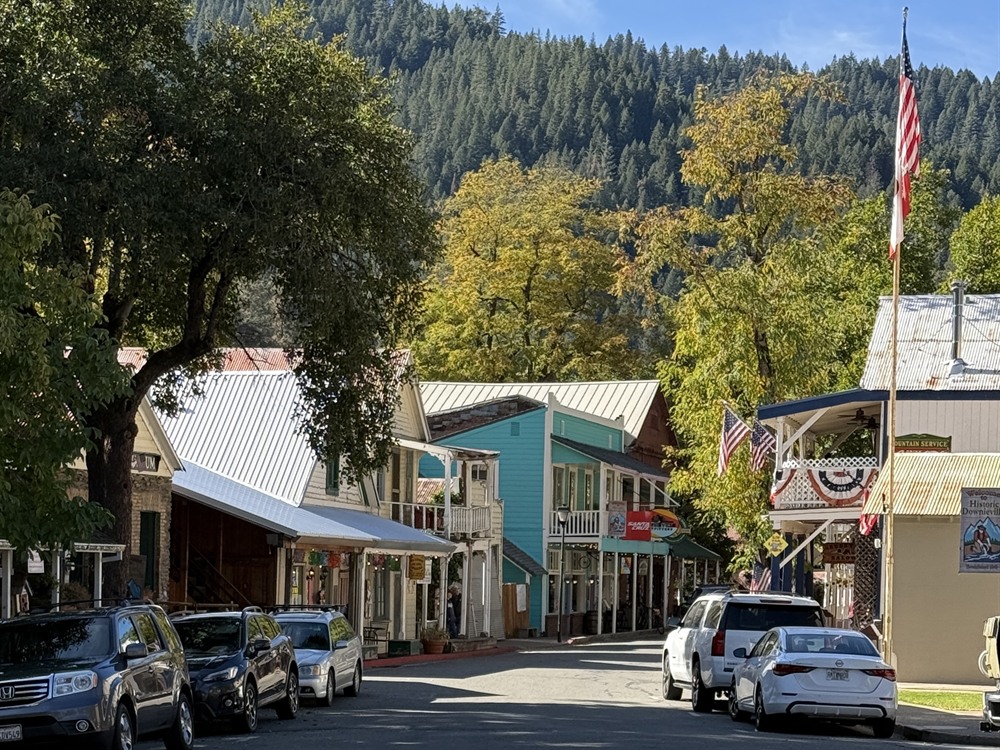
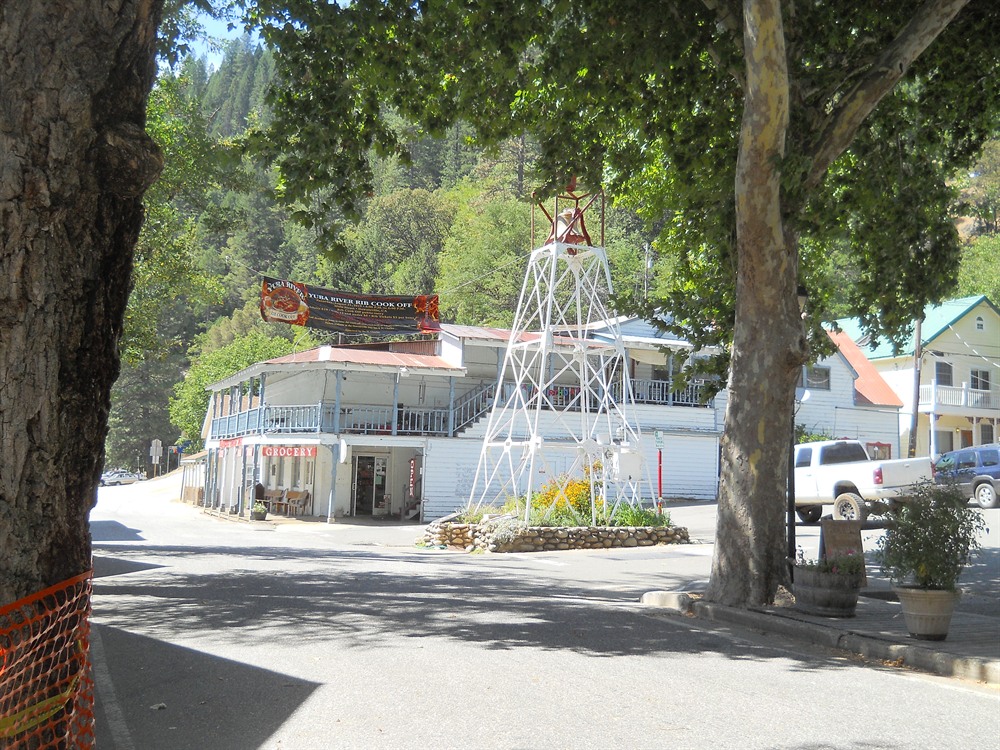
Downieville is a small Gold Rush town of about 300 people in the northern Sierra Nevada, at the meeting of the North Yuba River and Downie River, and the county seat of Sierra County. Surrounded by steep, forested mountains, it is one of the best-preserved mining towns in California, with brick storefronts, a historic courthouse and a classic Main Street.
Visitors come to Downieville for its Gold Rush atmosphere and its outdoor recreation, especially mountain biking on the Downieville Downhill, tubing and swimming in the river, fishing, and hiking in the Lakes Basin and Sierra Buttes. It is a quiet, remote stop on Highway 49, far from big cities, and its small hotels and cafes serve cyclists and history lovers.
History
Major William Downie and a group of prospectors found gold here in 1849, and the camp, first called The Forks, grew to several thousand miners within a few years, becoming a trading center for the Northern Mines. The 1851 lynching of a Mexican woman, Juanita, is a dark chapter in its history. Gold mining declined by the late 19th century, and the town is now a quiet destination for outdoor recreation and heritage tourism.
Sightseeing and Popular Landmarks
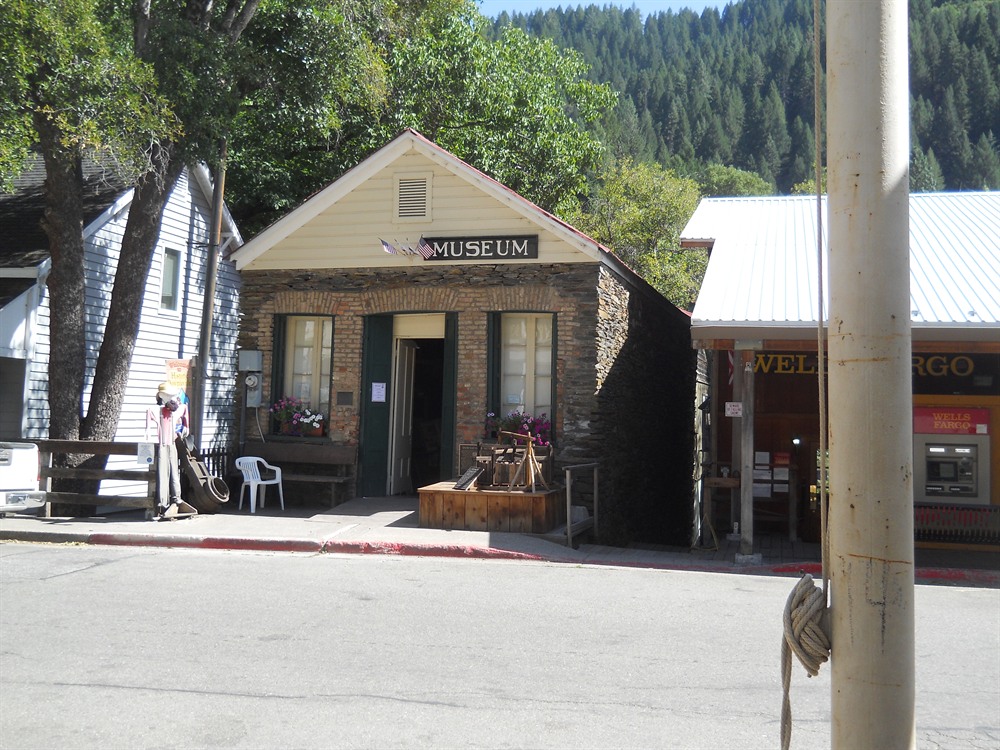
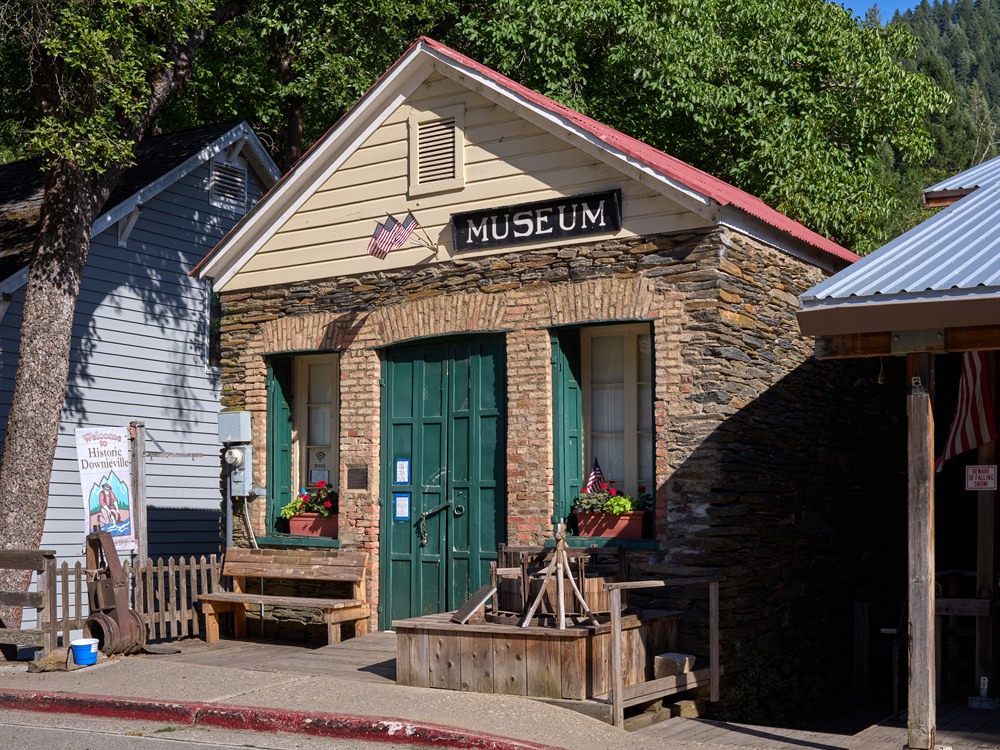
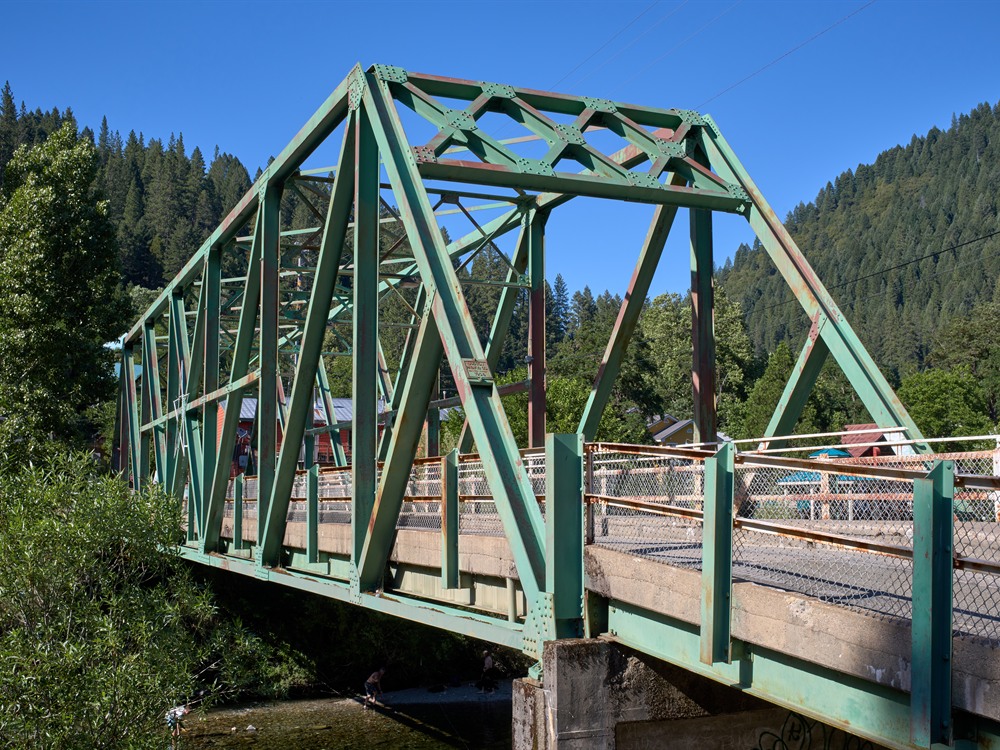
Historic landmarks include the Sierra County Courthouse (1854), the Downieville Museum in the former Craycroft building, the Downieville Gallows, the old brick storefronts of Main Street, and the Downieville Bridge. Nearby, the Sierra Buttes, Sierra City and the Lakes Basin Recreation Area offer mountain scenery and old mining sites.
Culture and Museums
The Downieville Museum displays mining tools, photographs and artifacts from the Gold Rush, and the Sierra County Courthouse is among the oldest in the state still in use. The Downieville Classic, a mountain bike race held each summer, draws riders from around the country, and the town's old hotels and bars keep its Gold Rush character alive.
Parks
The town sits within the Tahoe National Forest, with the Yuba River offering swimming holes, fishing and gold panning. The Lakes Basin Recreation Area has alpine lakes and hiking trails, the Sierra Buttes are a popular peak climb, and the Downieville Downhill is considered one of the best mountain bike descents in the country.
Seasons and Weather
Downieville is at about 2,900 feet, with hot, dry summers when highs often reach the 90s°F and cool, wet winters with about 50 inches of precipitation and occasional snow. Spring brings high river flows and wildflowers, and fall is a pleasant season for cycling and foliage.
This article uses material from Wikipedia as well as information from official tourism and institutional sources. Key references include Downieville Historic District, Sierra County, Tahoe National Forest, Visit California, and National Weather Service Sacramento. Wikipedia material is from the article "Downieville, California", released under the Creative Commons Attribution-Share-Alike License 3.0.