
Historic park preserving the site of California's gold discovery through museums, reconstructed Gold Rush-era buildings, mining exhibits, and riverside landscapes that transformed American history.
General Information
- Hours:
- Day Use Areas: 8am to 5pm
Visitor Center and Museum: 9am to 4pm
Store Hours: 10am to 4pm
Closed Thanksgiving, Christmas, and New Year's Day - Fees:
-
Vehicle day-use fee required
Fees vary by vehicle type and special events - Pet Policy:
- Dogs on leash allowed on trails and in the river area; dogs are not allowed in buildings
- Closest cities with hotels:
- Placerville, California (approximately 10 mi)
- Seasons:
- All year, with spring and fall offering the most pleasant weather for exploring the historic district and riverfront
- Location:
- 310 Back Street, Coloma, CA 95613
- Website:
- parks.ca.gov
How to Get There
From Placerville (10 mi): Take CA-49 north from Placerville, follow the highway through the foothills of El Dorado County, and continue into Coloma where Marshall Gold Discovery State Historic Park is located on Back Street.
Overview
Marshall Gold Discovery State Historic Park preserves the site where James W. Marshall found gold on January 24, 1848, while building a sawmill for John Sutter on the South Fork of the American River. The discovery set off the California Gold Rush, bringing hundreds of thousands of people to California and transforming it from a remote frontier into a state. The state park was established in 1942, covers about 576 acres, and includes much of the town of Coloma, which is a National Historic Landmark district. Visitors come to see the replica of Sutter’s Mill, the Marshall Monument, the museum and the historic buildings, and to try gold panning on the river.
Access
The park is in Coloma, in the Sierra Nevada foothills on Highway 49 between Placerville and Auburn, about 10 miles north of Placerville. From US 50 or Interstate 80, follow Highway 49 to Coloma, where the visitor center, parking and day-use areas are signed. Nearly all visitors arrive by car, and a day-use fee of $10 per vehicle applies ($9 for seniors 62 and older). Highway 49 is a winding two-lane road that can be slow on weekends.
Seasons
The park is open year-round, with hours that vary slightly by season. Spring and fall offer the most comfortable weather for walking the historic district and the riverbank, and spring high water can make gold panning unavailable. Summers are hot, gold panning is not offered above 100 degrees, and the guided Gold Discovery Tour is not offered above 95 degrees. Special events include Coloma Gold Rush Live and Christmas in Coloma, and the visitor center is closed on Thanksgiving and Christmas.
Things to Do
Visit the Museum and Historic Buildings
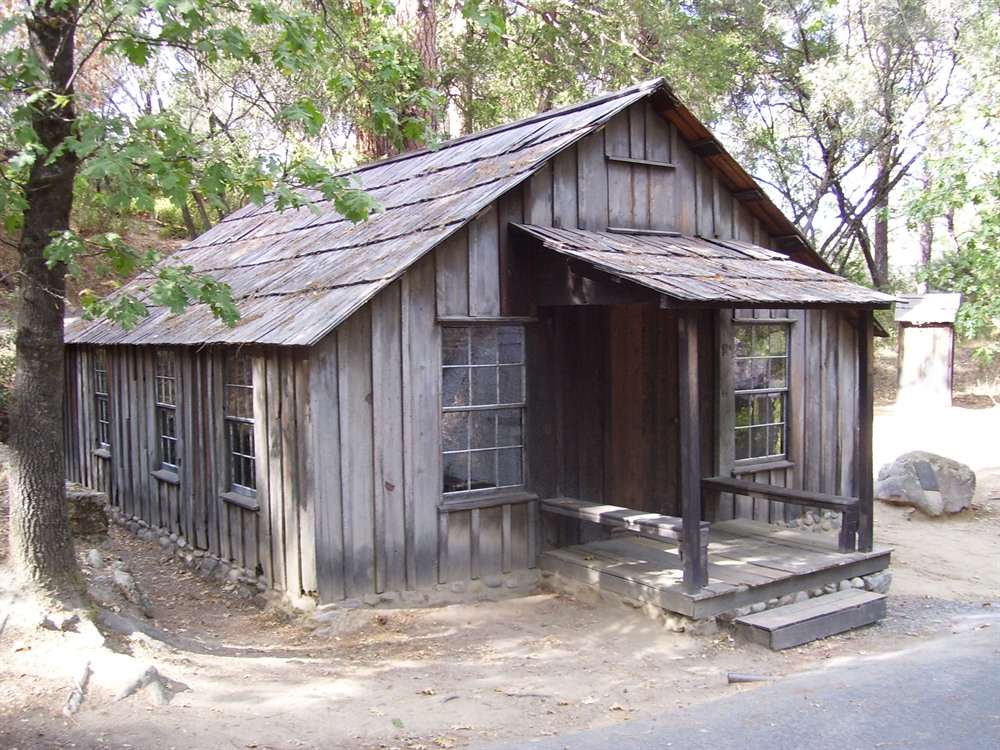
The visitor center and museum cover Gold Rush history, the area’s Native American heritage and agriculture, and the park has more than 20 historic buildings, including a blacksmith shop.
See Sutter’s Mill and the Discovery Site
A replica of Sutter’s Mill stands near the place where Marshall found gold. A 45-minute guided Gold Discovery Tour is offered daily at 11am and 1pm for a small fee, weather permitting.
Pan for Gold
Park staff offer a short lesson followed by about 30 minutes of panning, usually several times a day. Panning is not offered in extreme heat or when the river is too high.
Climb to the Marshall Monument
The monument, California’s first historic monument and Marshall’s burial place, sits on a hill above the town. A statue of Marshall on top points to the discovery site.
Top Trails
Marshall Monument Trail
Length: Approximately 0.5 miles
Elevation Gain: Short uphill climb
Difficulty: Easy to Moderate
This short trail climbs from the park to the Marshall Monument, with views over Coloma and the river canyon. Leashed dogs are allowed on the trails.
Gam Saan Trail
Length: Approximately 2.5 miles
Elevation Gain: Varies
Difficulty: Easy to Moderate
The Gam Saan Trail links the state park with Hennigsen Lotus Park, honoring the Chinese community that was part of Coloma’s Gold Rush history.
Visitor Centers
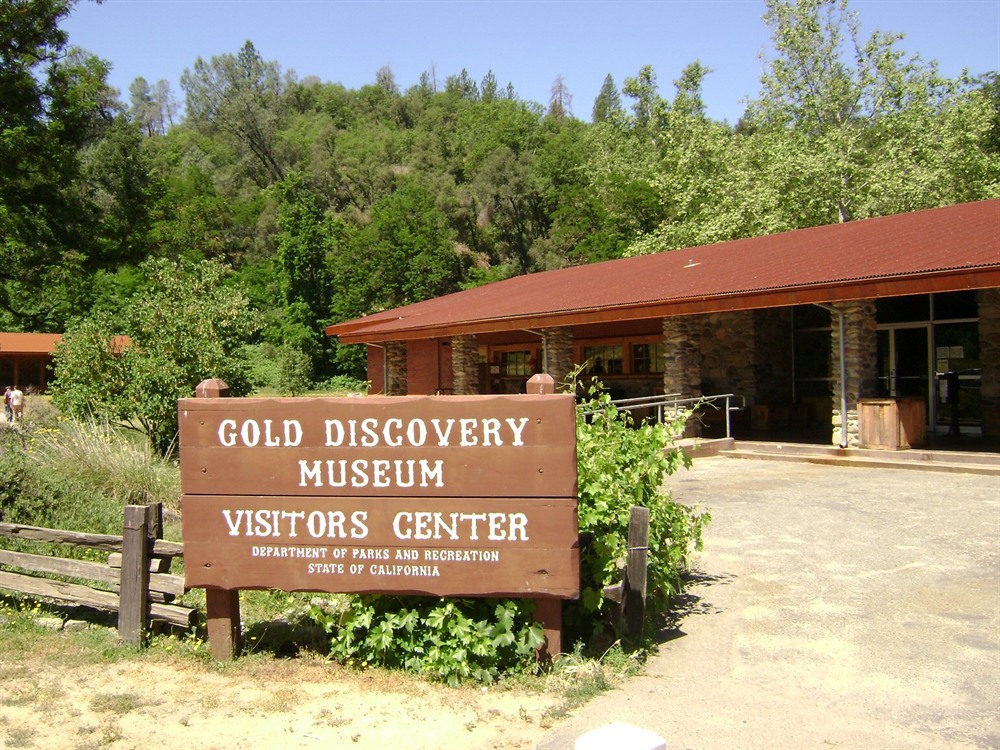
The Gold Discovery Visitor Center and Museum is the park’s main information stop, with exhibits on the Gold Rush, Native American history and local agriculture, plus tour information. State Parks lists it as open daily from 9am to 4pm from November through February and 9am to 5pm from March through October, and it is closed on Thanksgiving and Christmas. Gold-panning lessons and guided tours start from the museum area.
Camping and Lodging
There is no camping in the park itself. The closest large town with hotels, motels and inns is Placerville (about 10 miles south), with more lodging in Auburn, Cameron Park and Folsom. Small inns and bed-and-breakfasts are also found elsewhere in the foothills along Highway 49. Rooms fill quickly during summer and fall weekends, so book ahead.
This article uses material from the Wikipedia articles and official tourism pages for the https://www.parks.ca.gov/?page_id=484Marshall Gold Discovery State Historic Park, which are released under the Creative Commons Attribution-Share-Alike License 3.0. Additional information from California State Parks.