
Historic Mormon fort and natural spring site featuring pioneer-era structures, cultural exhibits, and seasonal living history programs.
General Information
Closed: Thanksgiving, Christmas, and New Year’s Day
Children under 16: Free
Federal passes accepted
Not permitted in historic buildings or on Ridge Trail
Must be leashed (max 6 ft) and cleaned up after
How to Get There
From Page, AZ (115 mi): Take US-89 S to Kanab, then follow US-89A E to AZ-389 E and continue to the monument entrance near Fredonia.
Overview
Pipe Spring National Monument, located in Northwest Arizona, is rich with American Indian, early explorer, and Mormon pioneer history.
History
The water of Pipe Spring has made it possible for plants, animals, and people to live in this dry desert region. Ancestral Puebloans and Kaibab Paiute Indians gathered grass seeds, hunted animals, and raised crops near the springs for at least 1,000 years.
Antonio Armijo discovered the springs when he passed through the area in 1829, when he established by the Armijo Route of the Old Spanish Trail.
Pipe Spring was named by the 1858 Latter-day Saint missionary expedition to the Hopi mesas led by Jacob Hamblin. In the 1860s Mormon pioneers from St. George, Utah, led by James M. Whitmore brought cattle to the area, and a large cattle ranching operation was established. In 1866 the Apache, Navajo and Paiute tribes of the region joined the Utes for the Black Hawk War, and, after they raided Pipe Spring, a protective fort was constructed by 1872 over the main spring. The following year the fort and ranch was purchased by Brigham Young for The Church of Jesus Christ of Latter-day Saints (LDS Church). The LDS Bishop of nearby Grafton, Utah, Anson Perry Winsor, was hired to operate the ranch and maintain the fort, soon called Winsor Castle. This isolated outpost served as a way station for people traveling across the Arizona Strip, that part of Arizona separated from the rest of the state by the Grand Canyon. It also served as a refuge for polygamist wives during the 1880s and 1890s. The LDS Church lost ownership of the property through penalties involved in the federal Edmunds-Tucker Act of 1887.
Although their way of life was greatly impacted by Mormon settlement, the Paiute Indians continued to live in the area and by 1907 the Kaibab Paiute Indian Reservation was established, surrounding the privately owned Pipe Spring ranch. In 1923, the Pipe Spring ranch was purchased and set aside as a national monument to be a memorial to western pioneer life.
The site today
Today the Pipe Spring National Monument, Kaibab Band of Paiute Indians Visitor Center, and Museum explain the human history of the area over time. Daily tours of Winsor Castle, summer "living history" demonstrations, an orchard and garden, and a half-mile trail offer a glimpse of American Indian and pioneer life in the Old West. The Paiute tribe runs a small adjoining campground.
Things to Do
Explore a Historic Oasis on the Arizona Strip
Pipe Spring National Monument preserves the historic Pipe Spring oasis and Fort Winsor, a nineteenth-century ranching outpost located on the Arizona Strip near the Utah border. The monument tells the stories of the Kaibab Band of Paiute Indians, Mormon settlers, ranchers, and travelers who depended upon the reliable spring water that made life possible in this arid landscape.
Tour Historic Fort Winsor
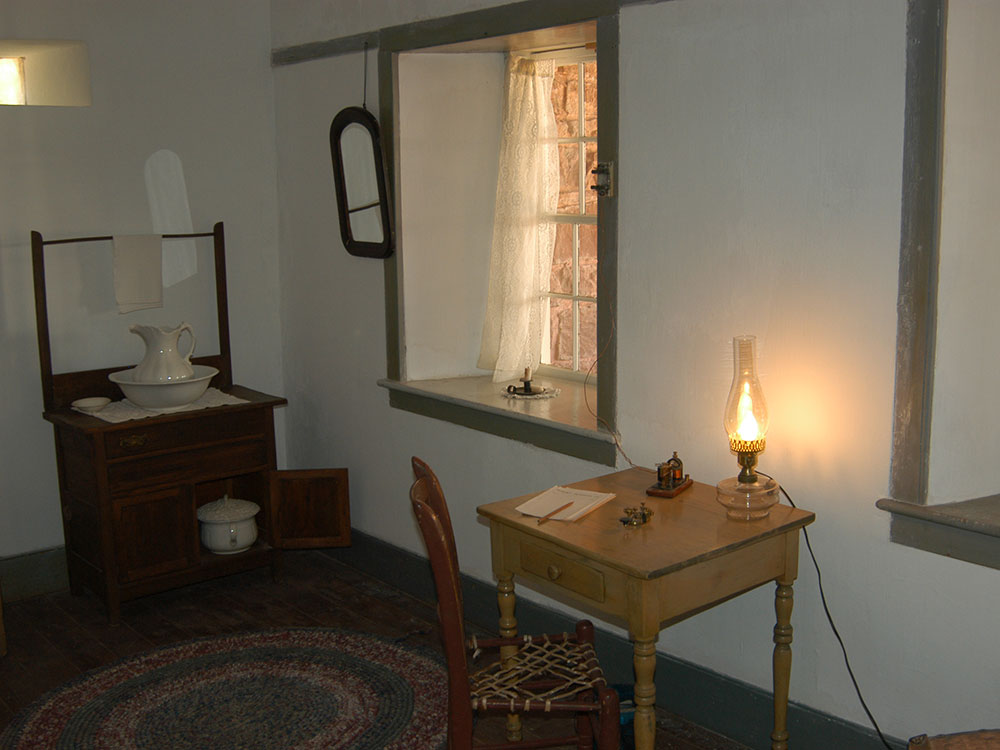
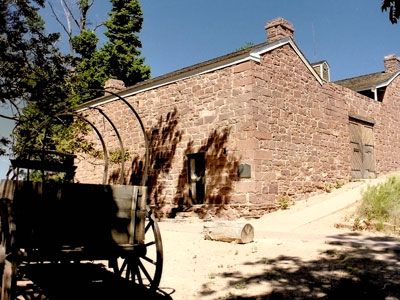
The centerpiece of the monument is Fort Winsor, a fortified stone ranch house constructed in the 1870s. Visitors can tour furnished rooms, historic exhibits, and interpretive displays that illustrate frontier life, ranching operations, and the cultural history of the region.
Learn About Kaibab Paiute Culture
Pipe Spring has been an important gathering place for Indigenous peoples for centuries. Exhibits and interpretive programs highlight the history, traditions, and ongoing presence of the Kaibab Band of Paiute Indians, whose homeland includes the lands surrounding the monument.
Visit the Historic Springs and Gardens
The monument's natural springs transformed the surrounding desert into a valuable oasis. Visitors can explore historic orchards, gardens, and water features while learning how water shaped settlement, agriculture, and daily life in the region.
Experience Living History Demonstrations
Seasonal programs often feature demonstrations of traditional ranching practices, blacksmithing, cooking, livestock care, and other activities that help bring the site's history to life.
Enjoy Scenic Views of the Arizona Strip
The monument sits within a beautiful high-desert landscape surrounded by mesas, grasslands, and distant mountain views. Visitors can enjoy photography, wildlife observation, and peaceful exploration of this unique corner of northern Arizona.
Top Trails
Ridge Trail
Length: Approximately 0.5 miles round trip
Elevation Gain: Minimal
Difficulty: Easy
This short trail climbs to an overlook above the monument, providing scenic views of Pipe Spring, Fort Winsor, the surrounding desert landscape, and nearby Vermilion Cliffs country.
Mesa Trail
Length: Approximately 1 mile round trip
Elevation Gain: Minimal to Moderate
Difficulty: Easy
The trail traverses desert grasslands and provides opportunities to observe native plants, wildlife, and scenic views of the monument's surroundings while learning about the area's geology and ecology.
Spring and Garden Walk
Length: Approximately 0.5 miles round trip
Elevation Gain: Minimal
Difficulty: Easy
This interpretive walk explores the historic spring system, orchards, gardens, and agricultural features that supported generations of Indigenous peoples and settlers in the region.
Fort Winsor Historic Grounds Tour
Length: Approximately 0.3 miles round trip
Elevation Gain: Minimal
Difficulty: Easy
Visitors can explore the historic fort grounds, livestock areas, water systems, and museum exhibits while learning about ranching history, frontier settlement, and the cultural significance of Pipe Spring.
Sources: National Park Service official Pipe Spring National Monument information, including details on Fort Winsor, Kaibab Paiute history, historic springs, ranching heritage, interpretive programs, and visitor amenities.
https://www.nps.gov/pisp/index.htmhttps://www.nps.gov/pisp/index.htm
Additional information verified through National Park Service visitor resources covering historic tours, trails, cultural history, water resources, educational exhibits, and recreational opportunities within Pipe Spring National Monument.
https://www.nps.gov/pisp/planyourvisit/index.htmhttps://www.nps.gov/pisp/planyourvisit/index.htm
This article uses material from the Wikipedia article "Pipe Spring National Monument", which is released under the Creative Commons Attribution-Share-Alike License 3.0.