Massive impact site formed by a meteorite 50,000 years ago, featuring a mile-wide crater, museum exhibits, guided rim tours, and space science displays.
General Information
- Hours:
-
Daily: 8:00am to 5:00pm
Extended summer hours may apply; check website for updates
Closed on Thanksgiving and Christmas Day - Fees:
-
Adults (13–59): $22.00
Seniors (60+): $20.00
Children (6–12): $13.00
Children under 6: Free
Active Duty Military: Free with ID
Veterans and Non-Active Military: $13.00 - Pet Policy:
- Pets are not allowed inside the crater or buildings; a shaded Pet Ramada is available outside the visitor center
- Closest cities with hotels:
- Flagstaff, AZ (35 mi); Winslow, AZ (20 mi)
- Seasons:
- Spring and Fall for mild weather and clear views; open year-round
- Location:
- Meteor Crater
- Website:
- meteorcrater.com
How to Get There
From Flagstaff, AZ (35 mi): Take I-40 E for about 30 miles to Exit 233, then follow Meteor Crater Road south for 6 miles to the visitor center and parking area.
Overview
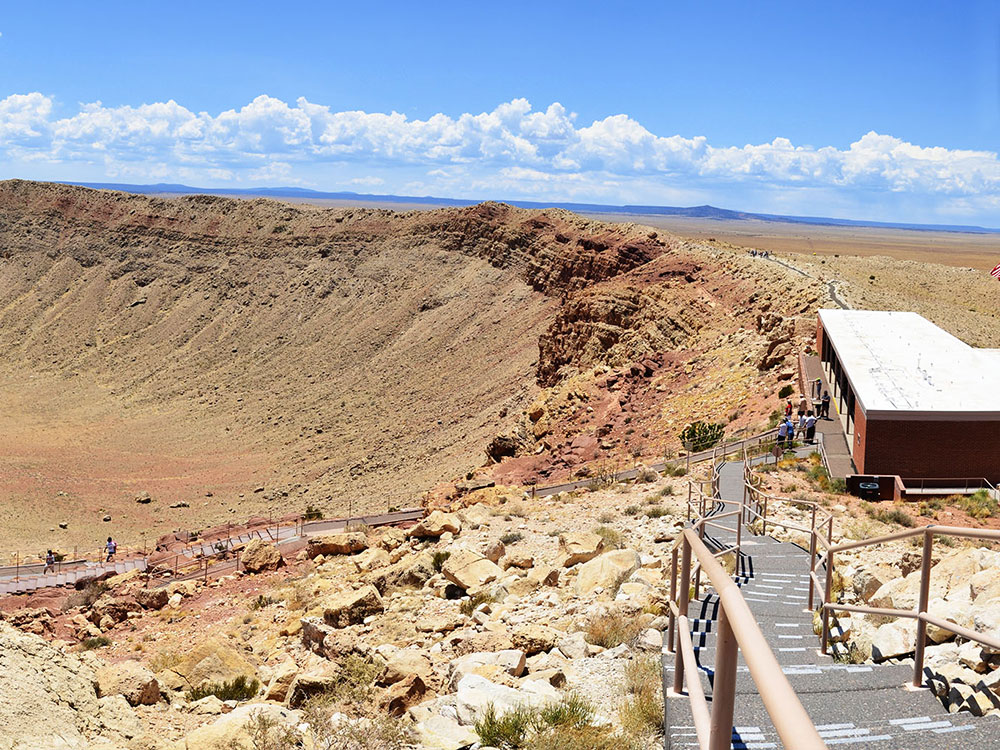
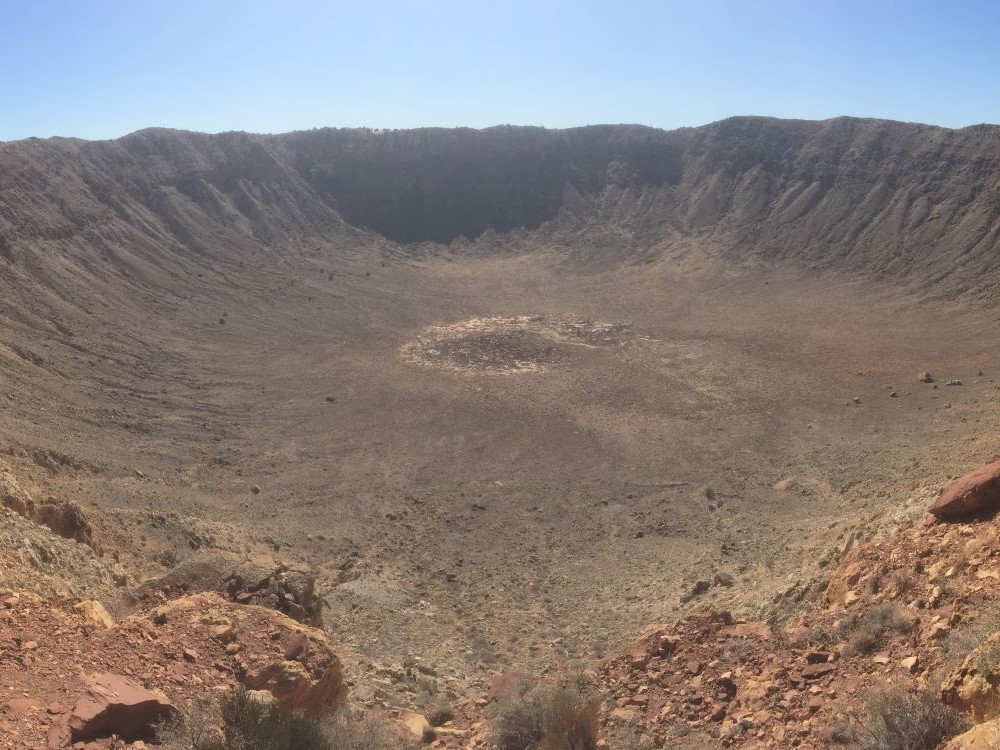
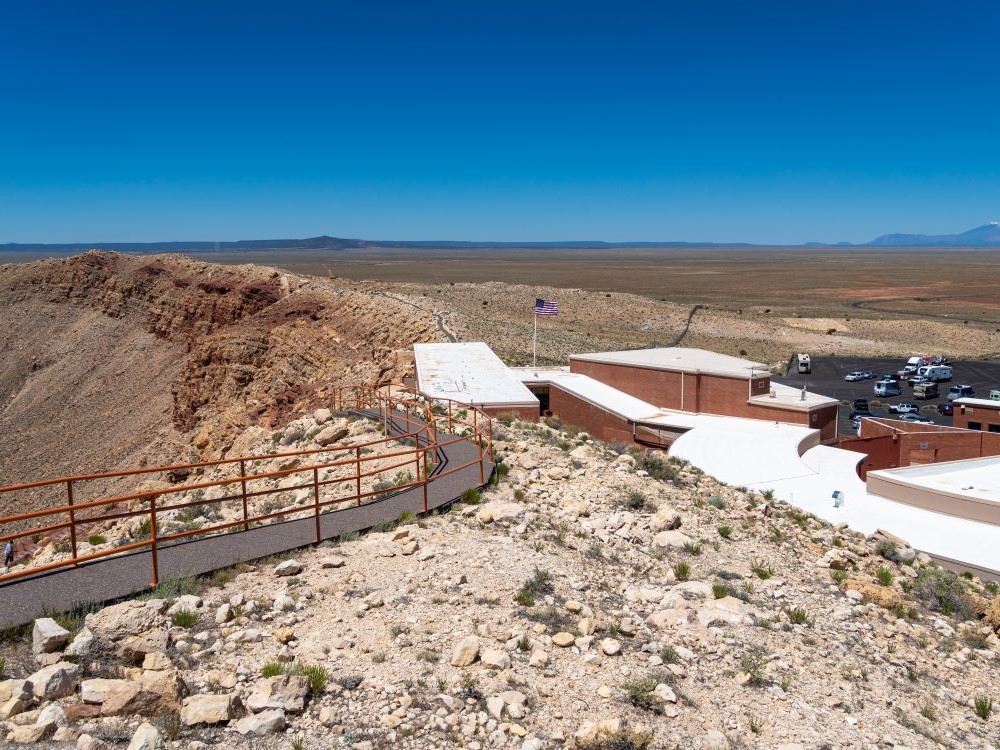
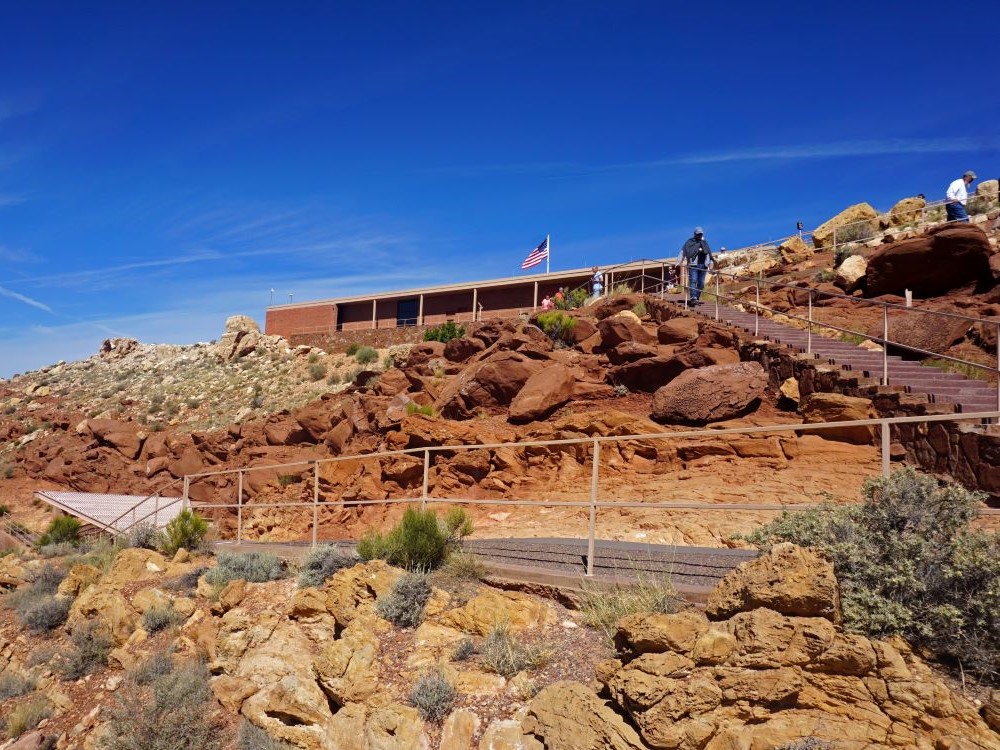
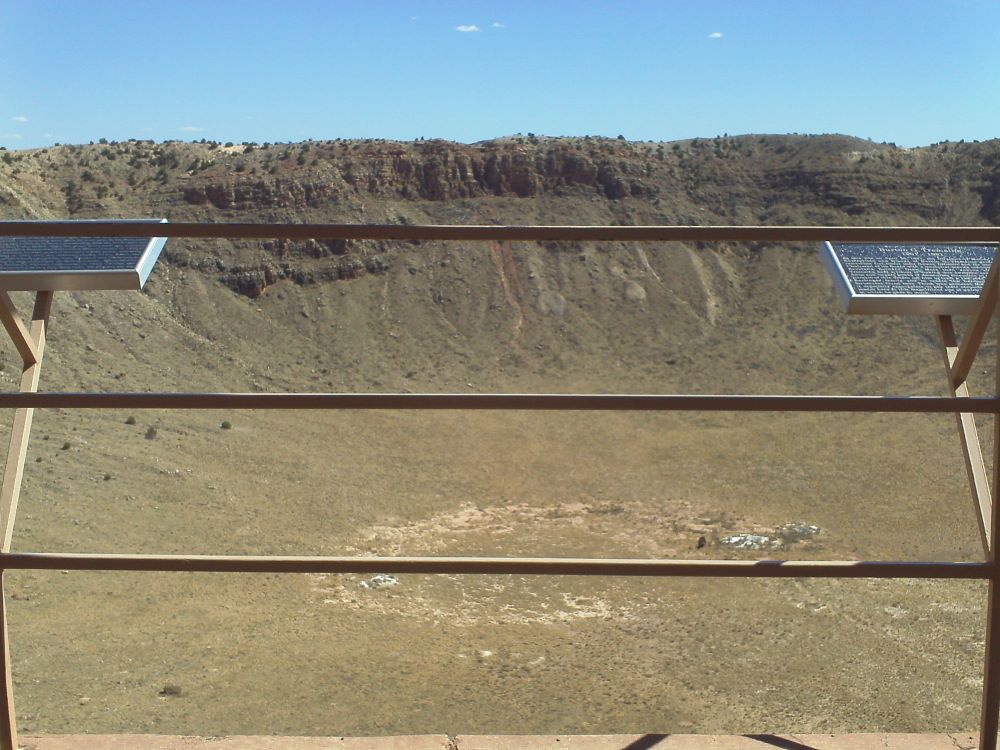
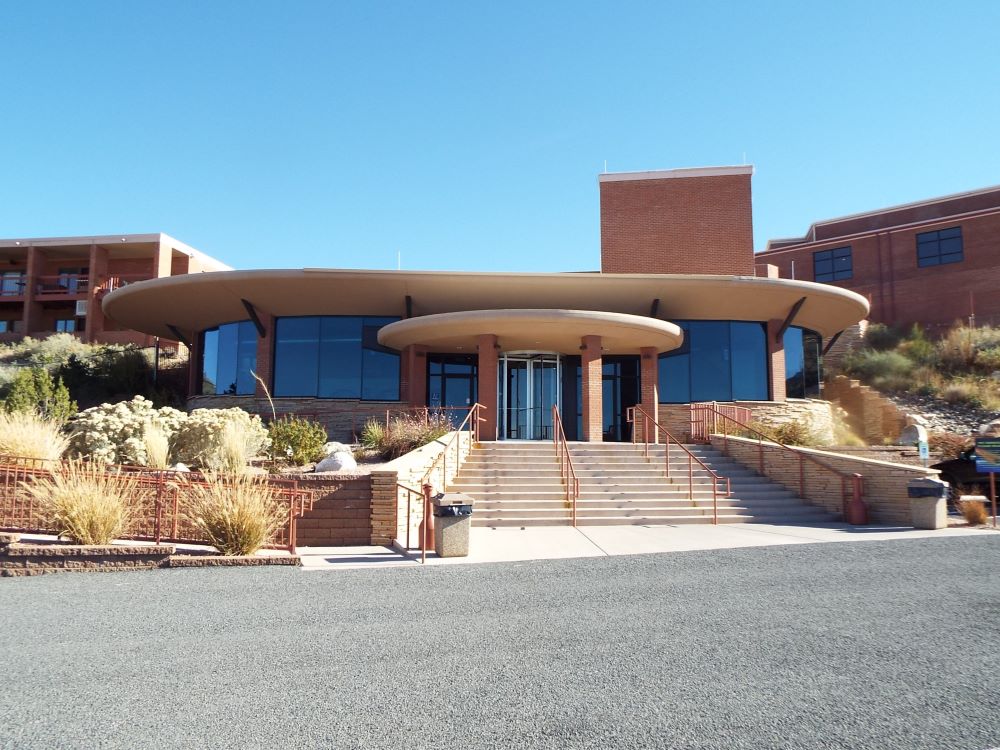
Meteor Crater is the best-preserved meteorite impact site on Earth, a nearly mile-wide, 560-foot-deep bowl in the northern Arizona desert about 37 miles east of Flagstaff and 18 miles west of Winslow. A visitor center on the north rim has interactive exhibits on meteorites, asteroids and space, an Astronaut Wall of Fame, an Apollo command module and a movie theater. Guided rim tours are offered daily, weather permitting.
The crater is privately owned by the Barringer family, so it is not a national monument, and an admission fee is charged. It was designated a National Natural Landmark in 1967. During the 1960s and 1970s, NASA astronauts trained here for the Apollo missions to the Moon. The impact flipped the rock layers around the rim upside down.
History
The crater formed about 50,000 years ago when an iron-nickel meteorite roughly 150 feet across struck the desert. In 1903 mining engineer Daniel Barringer argued that it was an impact crater and spent years drilling in search of the meteorite, and his family still owns the site. NASA astronauts trained here for the Apollo missions in the 1960s, and it became a National Natural Landmark in 1967.
Things to Do
Take In the View
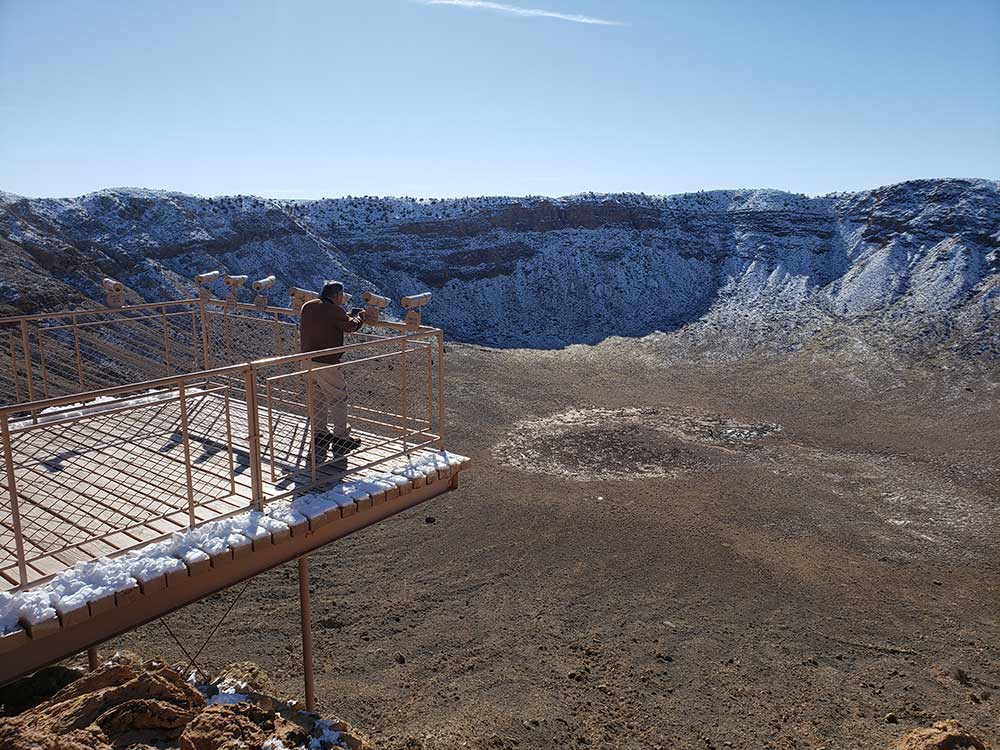
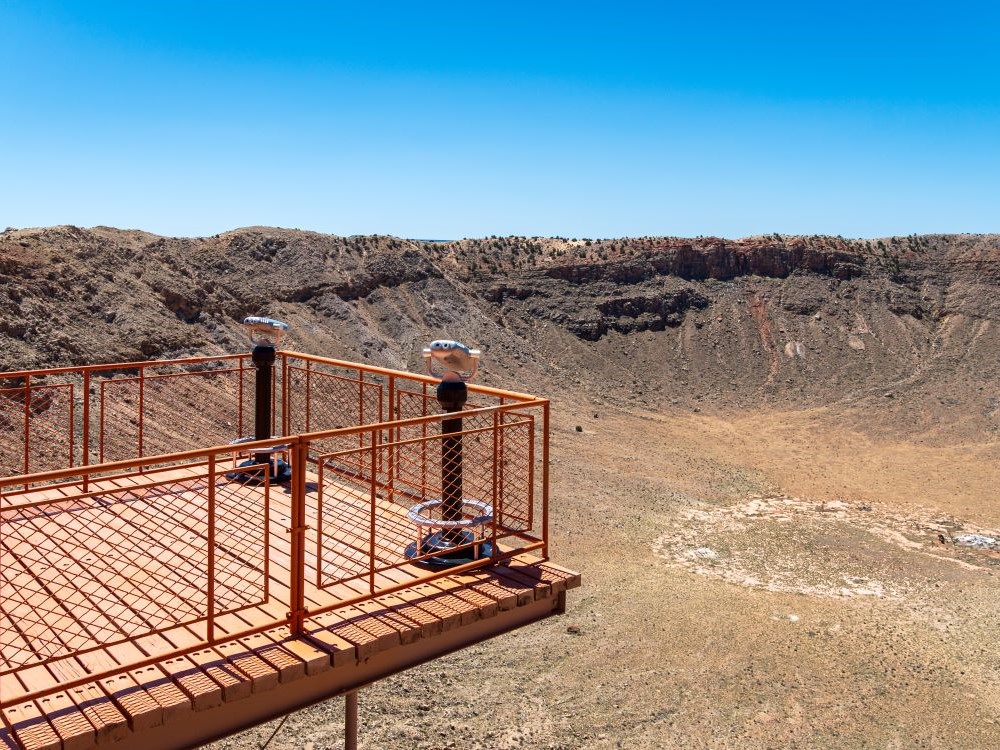
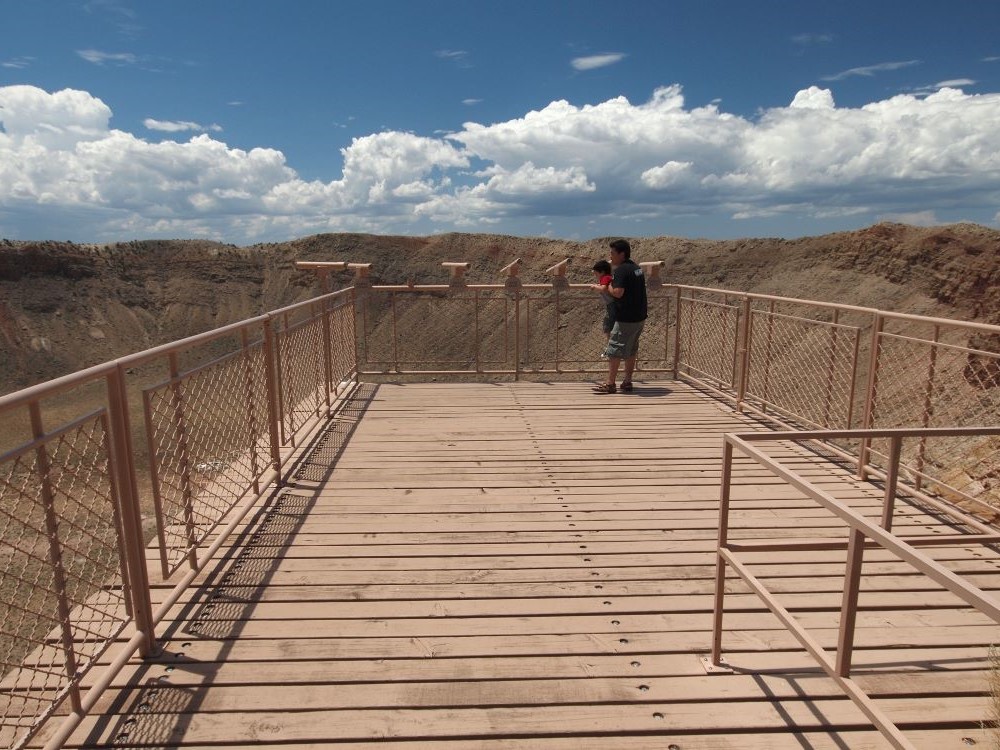
Indoor and outdoor observation decks look across the crater.
Join a Rim Tour
Guided rim tours, offered daily when the weather allows, walk along part of the crater's edge.
Explore the Visitor Center
Exhibits and a film explain meteorites, impacts and the crater's history.
See the Apollo Capsule
An Apollo test capsule and an astronaut wall of fame recall the crater's role in space training.
This article uses material from the Wikipedia article "Meteor Crater (National Landmark)", which is released under the Creative Commons Attribution-Share-Alike License 3.0