-400.jpg)
.jpg)
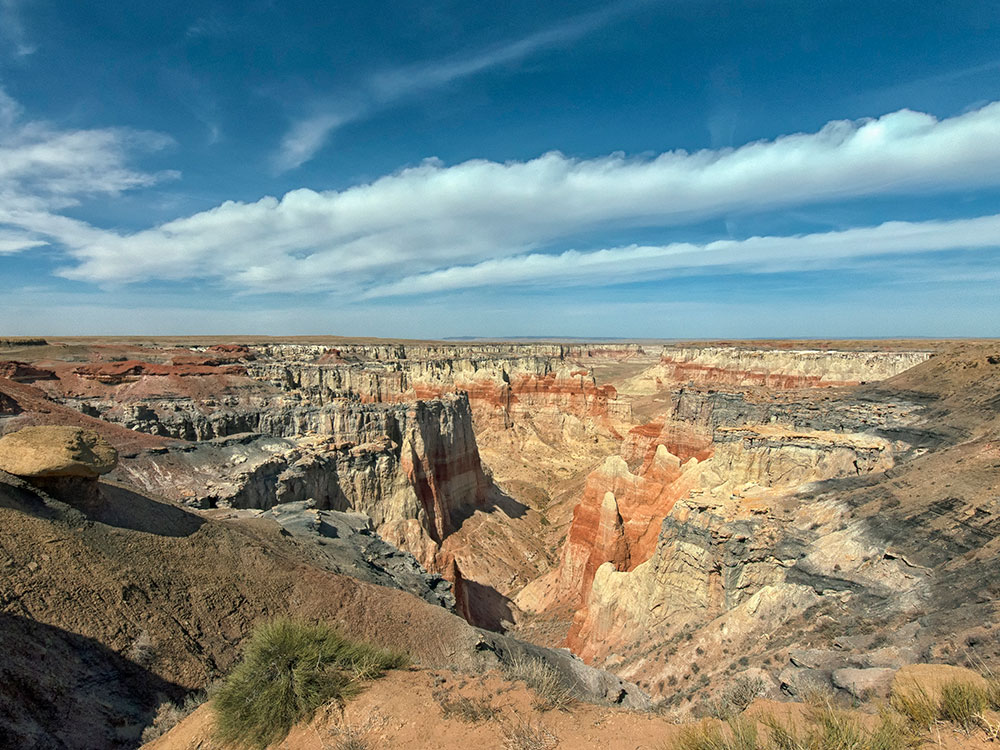
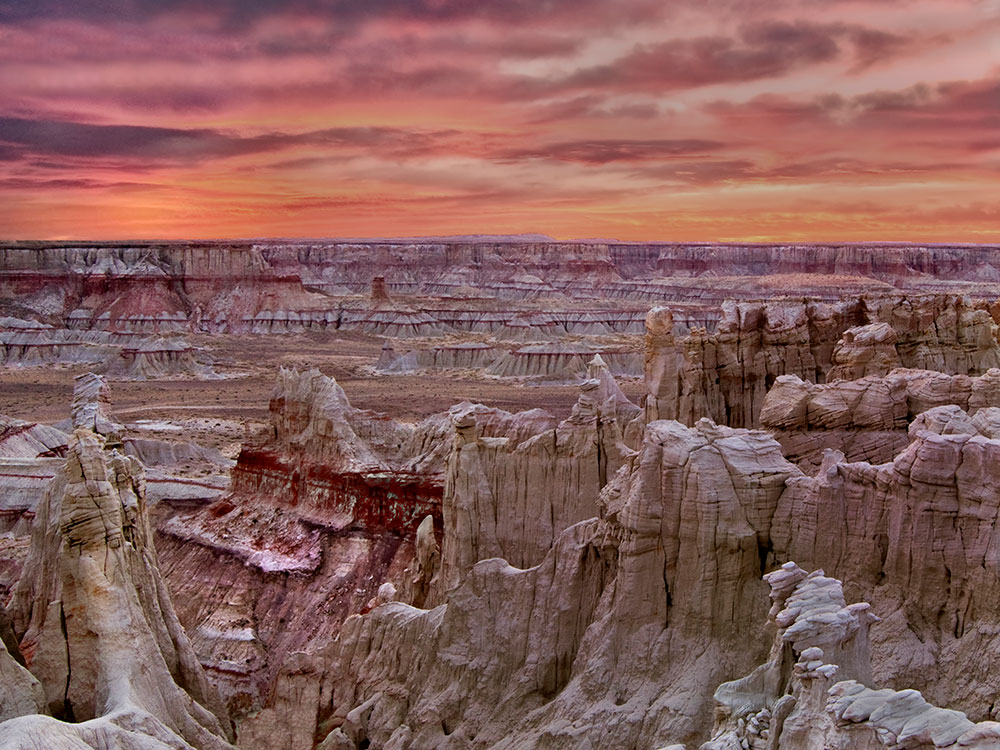
A remote desert canyon showcasing multicolored badlands, eroded spires, and layered rock formations shaped into intricate textures by centuries of wind and water.
Permits and access availability may vary by tribal regulations
Approximately $12–$15 per person for a day permit
Additional guide fees required to access certain areas
How to Get There
From Tuba City (16 mi): Take AZ-264 southeast from Tuba City for about 15 miles, then turn onto a dirt access road near mile marker 337 and follow it to the canyon rim parking area.
Overview
The Coal Mine Canyon landscape unfolds as a hidden tapestry of layered sediment carved into delicate formations that shift in both color and shape across the horizon. Soft bands of black, gray, red, and pale white run through the canyon walls, creating a striking visual contrast that reflects the varied mineral composition of the terrain. From the rim, the canyon appears as a vast network of ridges and gullies, where slender hoodoos rise from the valley floor and narrow ravines wind between sculpted formations. Unlike more prominent desert landmarks, the appeal here lies in the fine detail—textures etched into the rock and subtle color gradients that change with the light.
Venturing closer reveals an environment that feels both fragile and immense, where quiet dominates and human presence is minimal. The absence of marked trails adds to the sense of exploration, as visitors navigate along the rim or down into the canyon using faint paths and natural contours. With no developed facilities and only a handful of visitors each year, the area retains an unaltered quality that emphasizes its isolation. The interplay of light and shadow across the formations creates a constantly evolving landscape, offering a contemplative experience defined more by nuance than scale.
This article uses material from the Wikipedia articles and official tourism pages for the Coal Mine Canyon and Navajo Nation resources, which are released under the Creative Commons Attribution-Share-Alike License 3.0.
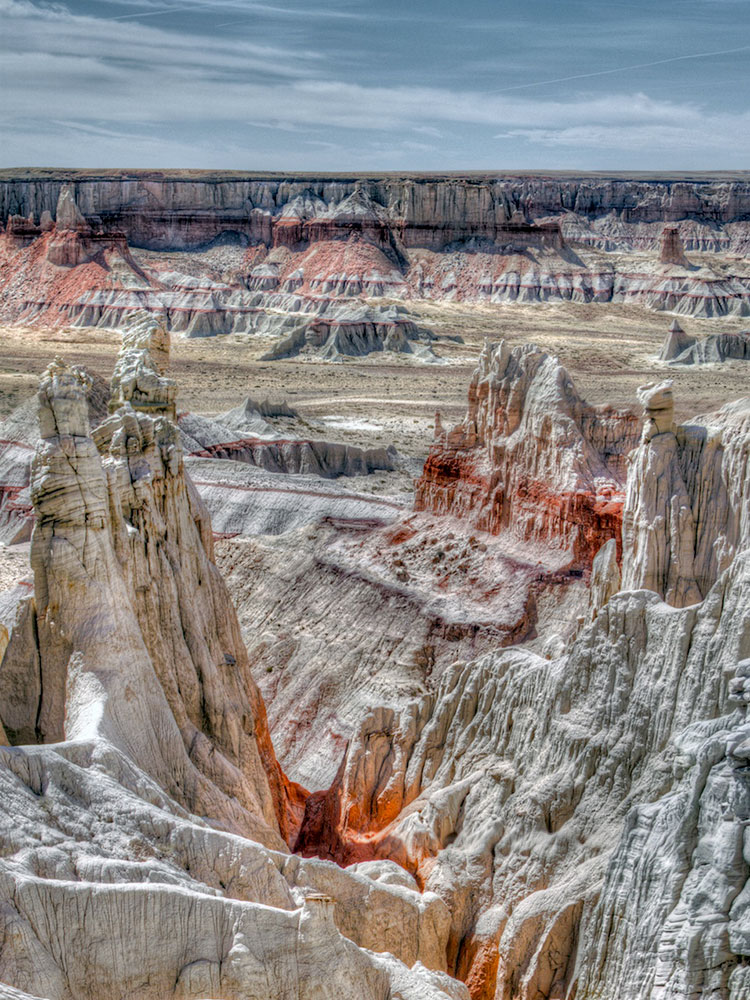

-1000.jpg) Elitemedia.network, CC BY 4.0, via Wikimedia Commons ; Image Size Adjusted
Elitemedia.network, CC BY 4.0, via Wikimedia Commons ; Image Size Adjusted

.jpg)