
Historic museum and courtyard attraction featuring the world’s largest rose tree alongside exhibits and artifacts showcasing early pioneer life and family history from the Old West era.
General Information
- Hours:
-
Monday to Saturday: 9am to 5pm
Sunday: 10:30am to 5pm
Closed Thanksgiving and Christmas Day - Fees:
-
Adults: $6
Children under 12: Free
Family rate available - Pet Policy:
- Pets are not allowed inside the museum
- Closest cities with hotels:
- Sierra Vista (24 mi)
- Seasons:
- Open year-round; best time to visit is mid-March through April when the rose is in bloom
- Location:
- 118 S 4th St, Tombstone, AZ 85638
- Website:
- tombstonerosetree.com
How to Get There
From Sierra Vista (24 mi): Take AZ-90 E toward Tombstone, merge onto AZ-80 E, follow signs into the historic district, then turn onto 4th Street just south of Allen Street where the museum sits a short walk from the main attractions.
Overview
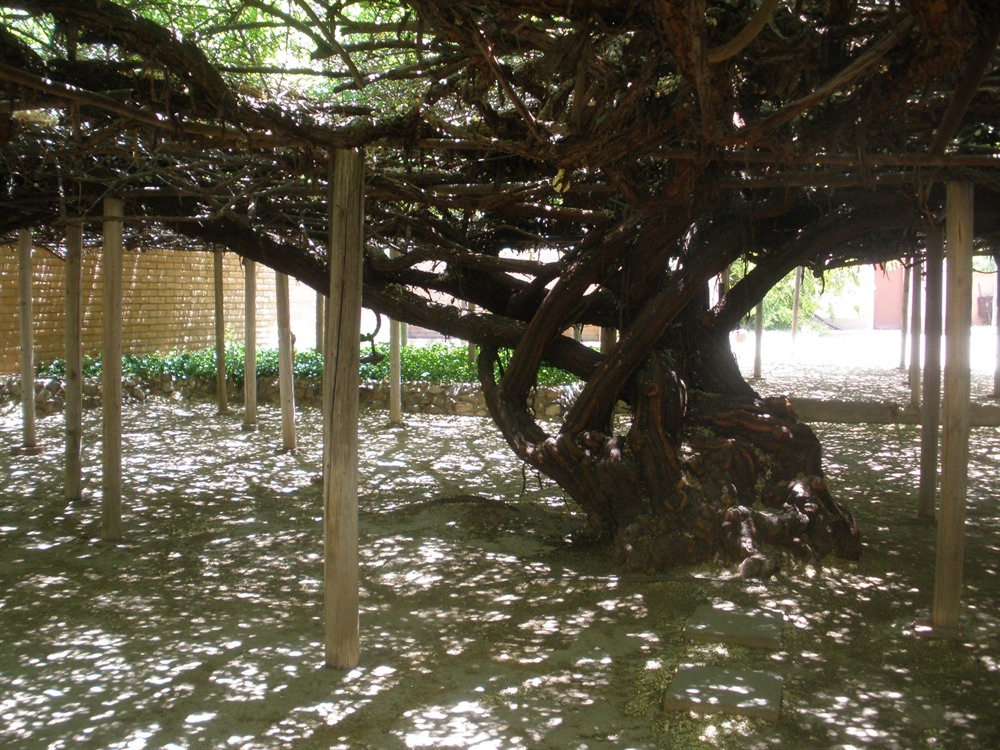
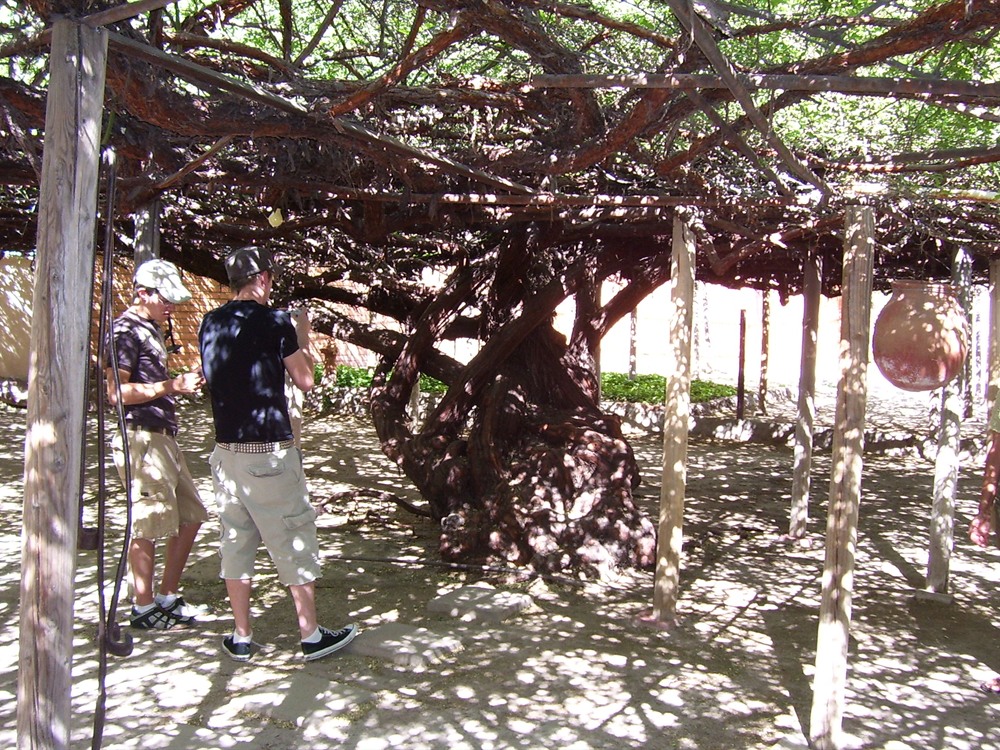
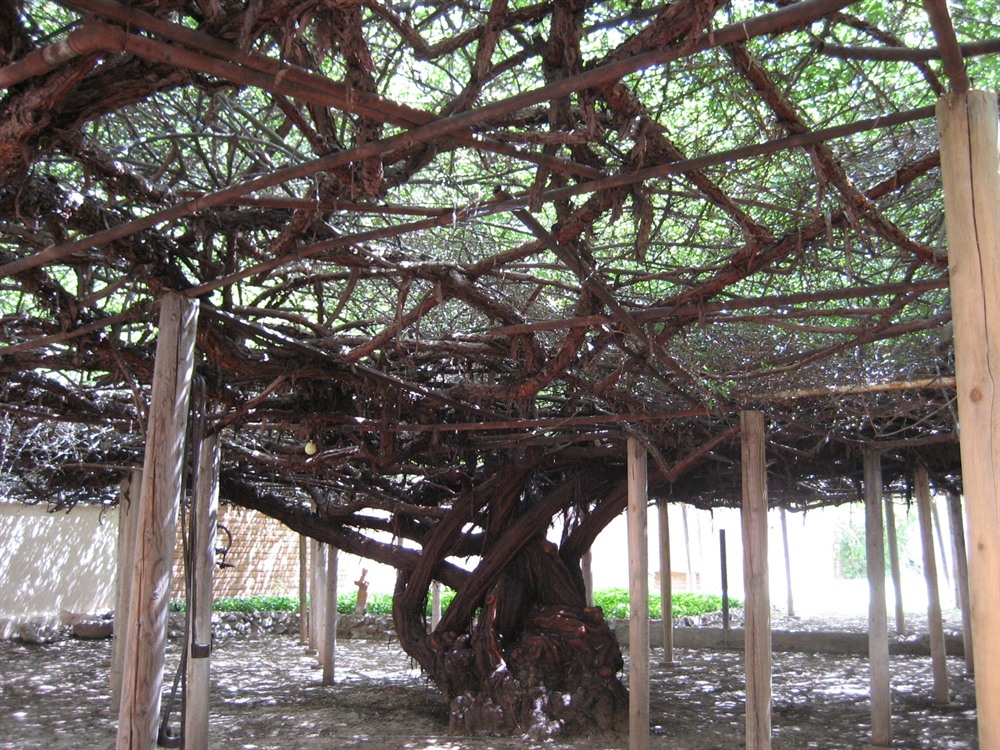
The Rose Tree Museum offers a quietly remarkable contrast to Tombstone’s gunfighter legends, preserving both botanical wonder and frontier history within a single courtyard. At its heart stands the famed “Lady Banksia” rose, planted in 1885 from a cutting brought from Scotland and now recognized as the largest of its kind in the world. Spreading across thousands of square feet, the sprawling canopy creates a shaded oasis in the desert, transforming what began as a modest garden into one of the town’s most distinctive and enduring landmarks.
Inside the museum, visitors are introduced to the lives of the Robertson–Macia family and other early settlers who shaped the community during its mining boom years. Exhibits include photographs, artifacts, and detailed displays that recreate both domestic life and major events of the era, offering a more personal perspective on the Old West beyond its famous shootouts. Together, the living rose tree and preserved memorabilia form a unique blend of nature and history, revealing a softer but equally compelling side of Tombstone’s past.
History
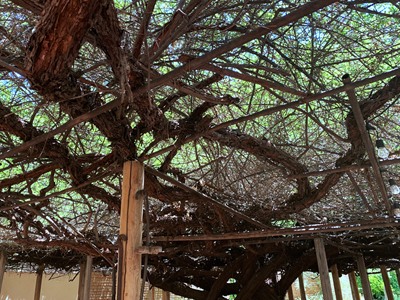
In 1885 Mary Gee, a young bride from Scotland, planted a cutting of a Lady Banksia rose sent from her homeland behind the boarding house where she lived. The rose grew into an enormous canopy supported by a trellis, and it has been recognized as the world's largest rose bush. The building that houses the museum, once the Cochise House boarding house, displays furniture and belongings from early Tombstone families.
Things to Do
See the Rose in Bloom
The rose is at its most spectacular in April, when it is covered with tiny white blossoms.
Explore the Museum
Rooms display historic furnishings, photographs and artifacts from Tombstone's early years.
Attend the Rose Festival
Tombstone celebrates the rose's bloom with an annual festival in April.
Walk to Allen Street
The museum is a short walk from Tombstone's historic main street.
This article uses material from the Wikipedia articles and official tourism pages for the Rose Tree Museum, which are released under the Creative Commons Attribution-Share-Alike License 3.0.