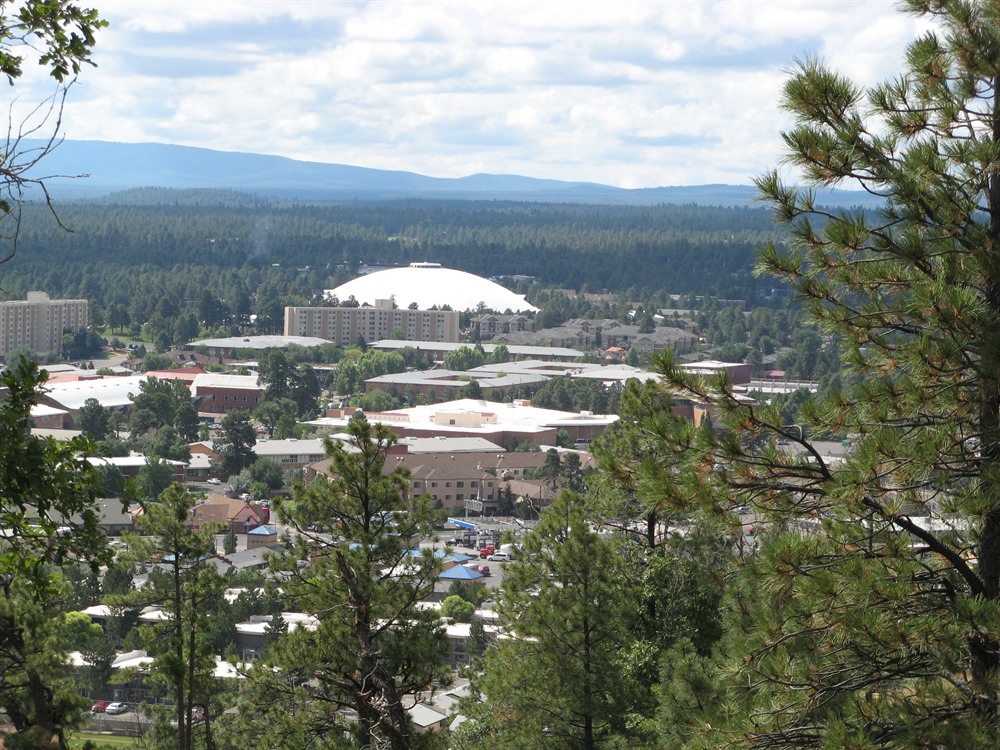

Historic hilltop research facility featuring powerful telescopes, interactive exhibits, and guided stargazing experiences that explore the mysteries of the universe.
General Information
- Hours:
-
Wednesday to Monday: 12pm to 10pm
Closed Tuesdays
Hours may extend later on weekends depending on season - Fees:
-
Adults (18+): $35
Children (6–17): $20
Seniors (55+): $30
Children 5 and under: Free - Pet Policy:
- Pets are not allowed on campus
- Closest cities with hotels:
- Flagstaff (within city)
- Seasons:
-
All year
Best in spring, summer, and fall for clear nighttime skies - Location:
- 1400 W Mars Hill Rd, Flagstaff, AZ 86001
- Website:
- lowell.edu
How to Get There
From Downtown Flagstaff (1 mi): Head west on Route 66 or Santa Fe Ave, then follow Mars Hill Rd uphill to the observatory entrance and parking area.
Overview
The Lowell Observatory stands as one of the most significant astronomical research centers in the United States, where science and exploration converge beneath some of the country’s darkest skies. Founded in the late 19th century, the facility has played a pivotal role in shaping humanity’s understanding of the cosmos, most famously serving as the site where Pluto was discovered in 1930. Today, visitors can walk through historic domes housing century-old telescopes, explore cutting-edge interactive exhibits, and participate in guided tours that bridge the past and present of space exploration.
As night falls, the observatory transforms into an immersive stargazing destination, where powerful telescopes reveal planets, star clusters, and distant galaxies in extraordinary clarity. The high elevation and pristine atmospheric conditions create ideal viewing opportunities, allowing guests to experience the universe in a way rarely possible elsewhere. Combined with engaging science talks and modern facilities like the Astronomy Discovery Center, the experience offers both inspiration and education, making it a compelling stop for curious travelers and astronomy enthusiasts alike.
History
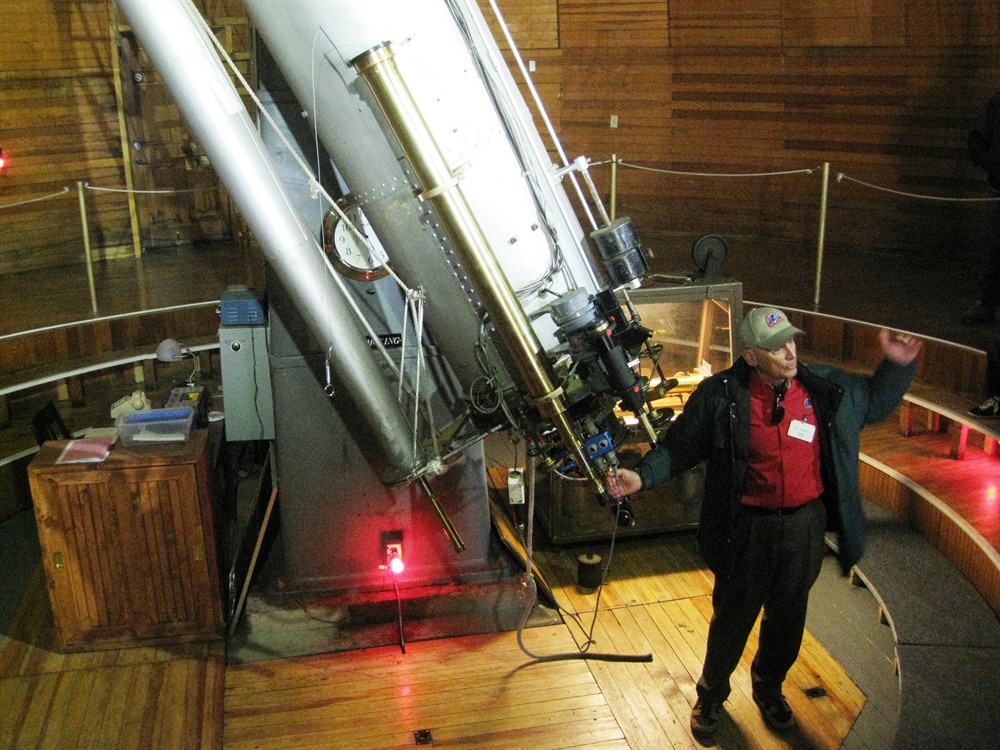
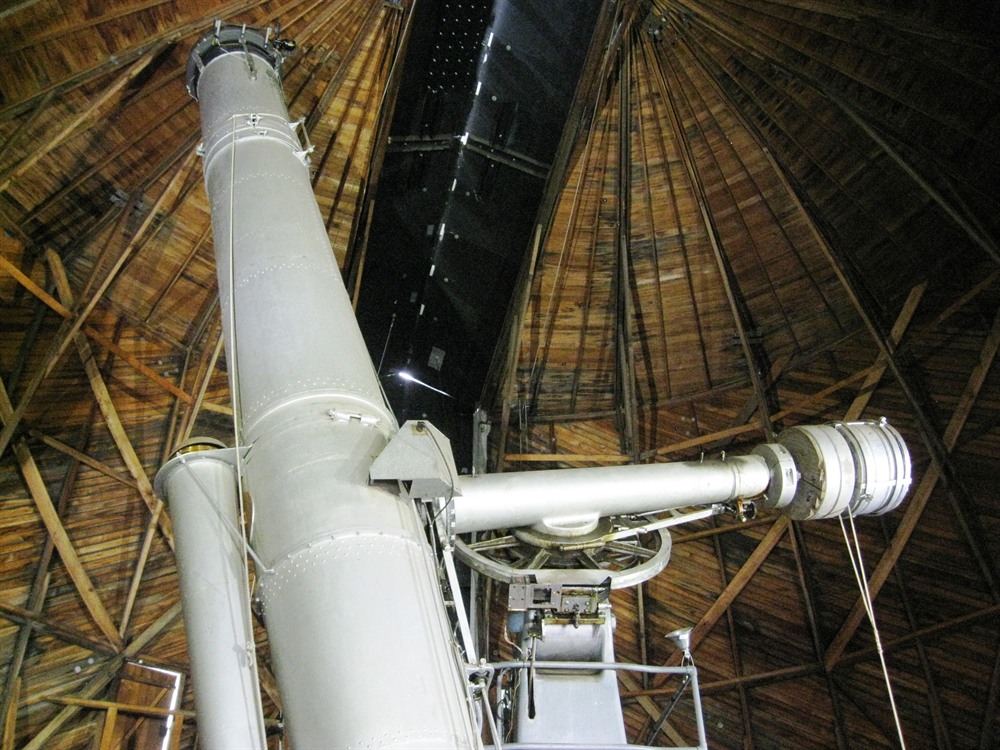
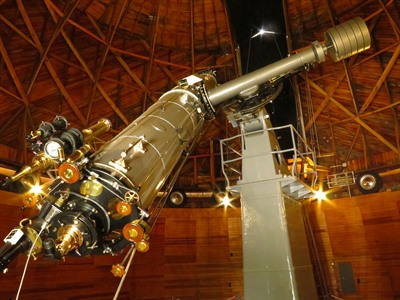
Percival Lowell founded the observatory on Mars Hill in 1894 to study Mars, and the 24-inch Clark Telescope was installed in 1896. In 1930 Clyde Tombaugh discovered Pluto here, and the observatory has continued as a private research center, while also welcoming visitors.
Things to Do
Tour the Historic Campus
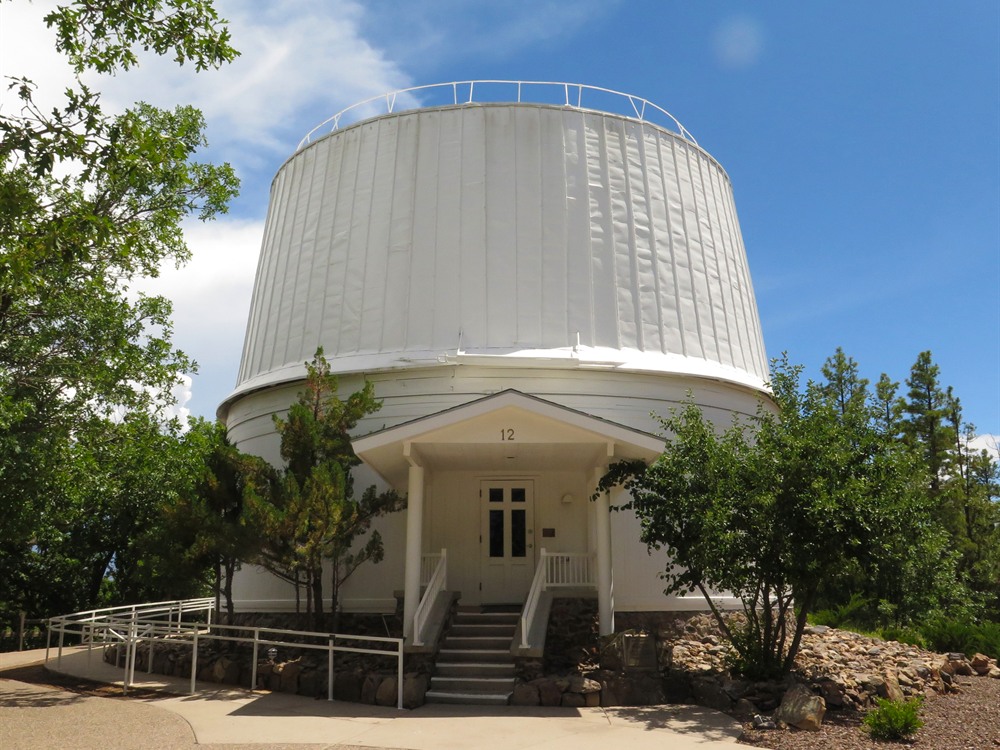
See the Clark Telescope dome and the telescope used to discover Pluto.
Stargaze at Night
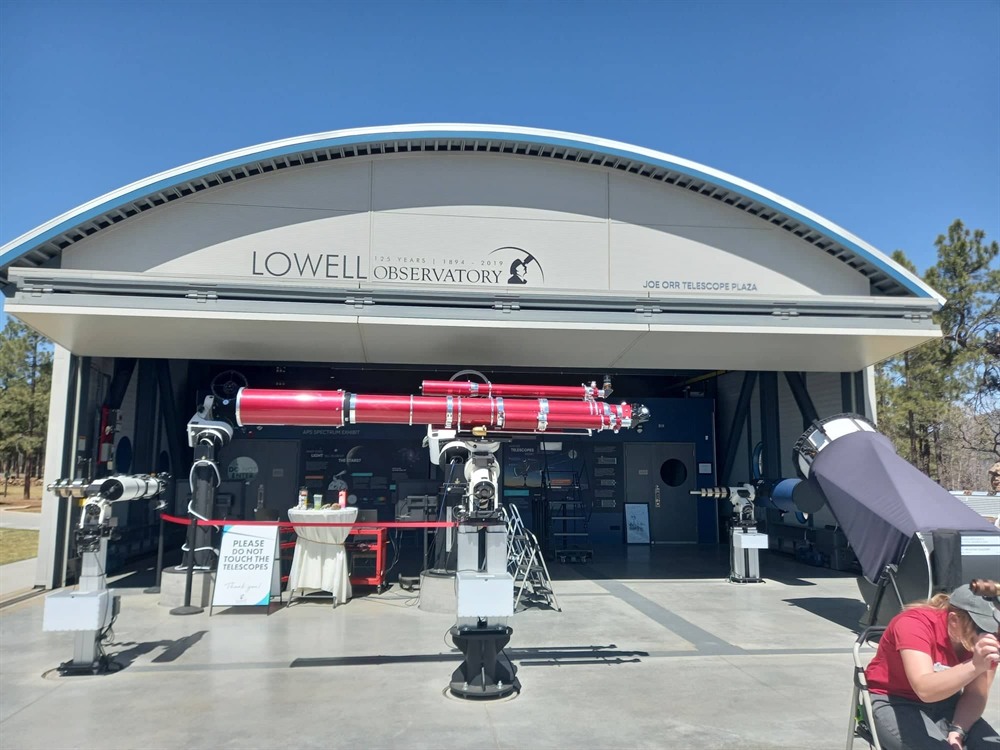
Evening programs offer views through telescopes at the Giovale Open Deck Observatory.
Explore the Exhibits
Exhibits explore astronomy and the observatory's discoveries.
Visit the Lowell Mausoleum
Percival Lowell is buried in a mausoleum on Mars Hill.
This article uses material from the Wikipedia articles and official tourism pages for the Lowell Observatory, which are released under the Creative Commons Attribution-Share-Alike License 3.0.