
Galveston Travel Guide
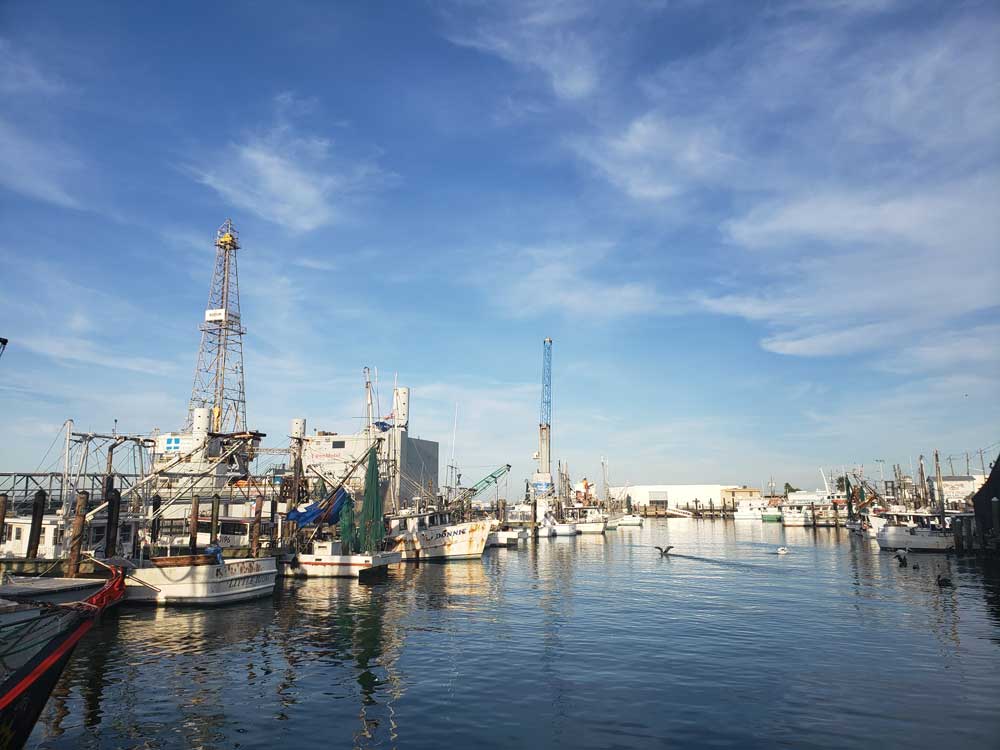
Coastal city located on Galveston Island, known for its beautiful beaches, historic architecture, and vibrant culture. Visitors can explore the city's rich history at the Galveston Island Historic Pleasure Pier, relax on the sandy shores of Galveston Beach, or discover marine life at the Ocean Star Offshore Oil Rig & Museum. With its unique blend of natural beauty and cultural attractions, Galveston offers something for every traveler.
Places to See in Galveston
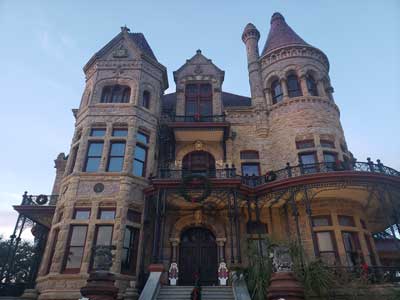
1892 Bishop's Palace
Ornate 19,082 square feet Victorian-style house, located in the East End Historic District of Galveston, Texas
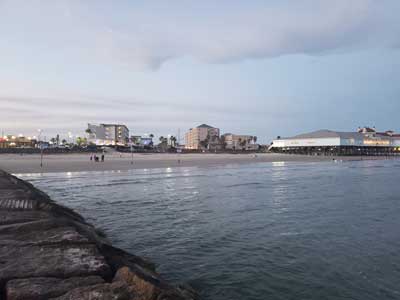
Galveston Beach
Wide sandy shoreline offering swimming, sunbathing, fishing, beachcombing, and Gulf views along a popular recreational waterfront.
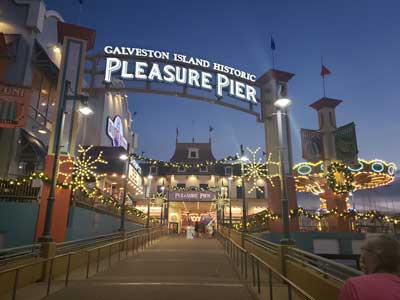
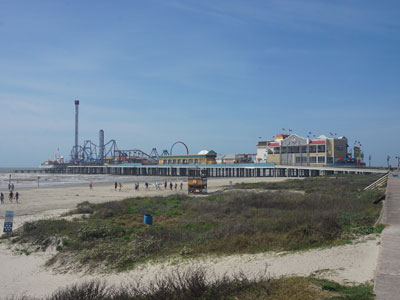
Galveston Island Historic Pleasure Pier
Pier in Galveston, Texas, has 1 roller coaster, 15 rides, carnival games and souvenir shops
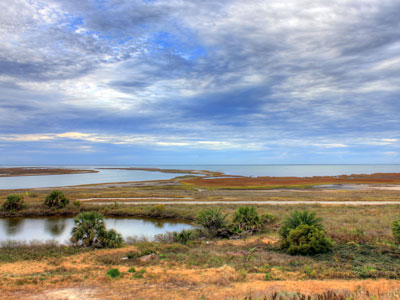
Jeff P from Berkeley, CA, USA, CC BY 2.0, via Wikimedia Commons; Image Size Adjusted

Galveston Island State Park
Park preserves coastal prairie, wetlands, beaches, and bay habitats that support wildlife viewing, paddling, fishing, hiking, and camping.
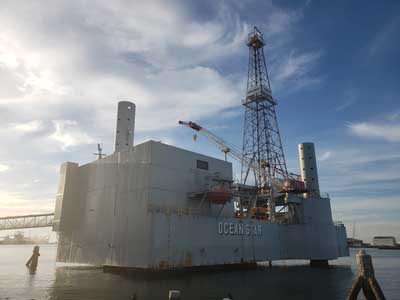
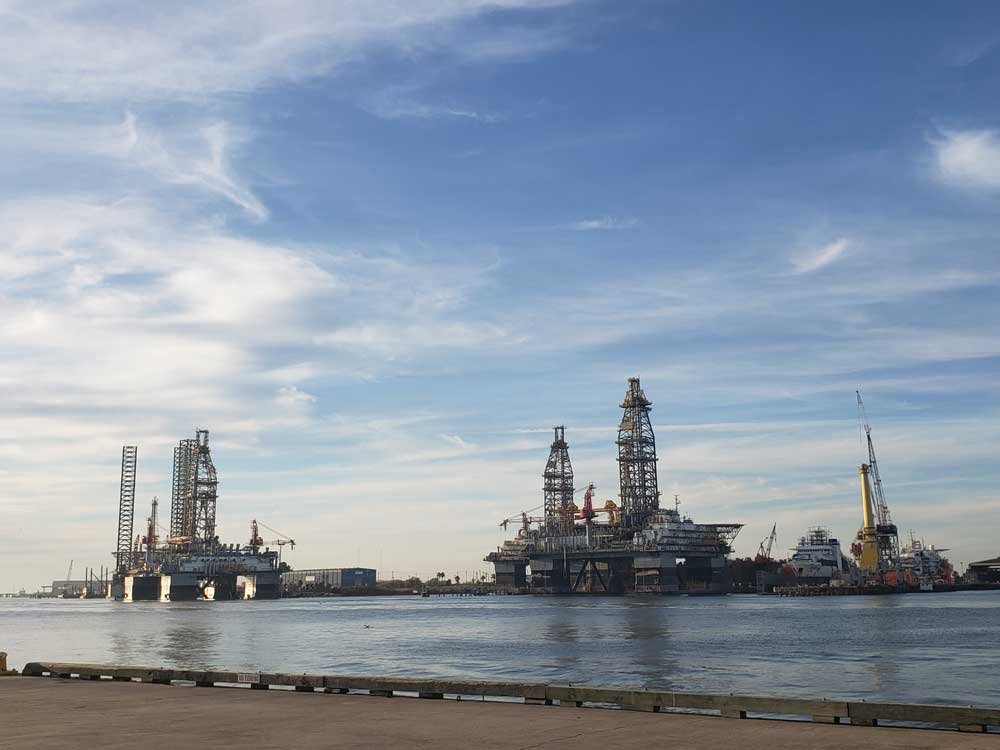
Ocean Star Offshore Oil Rig & Museum
Museum dedicated to the offshore oil and gas industry, housed on a retired jack-up rig set up in the Galveston harbor
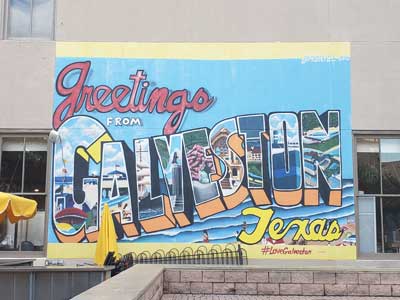
Saengerfest Park
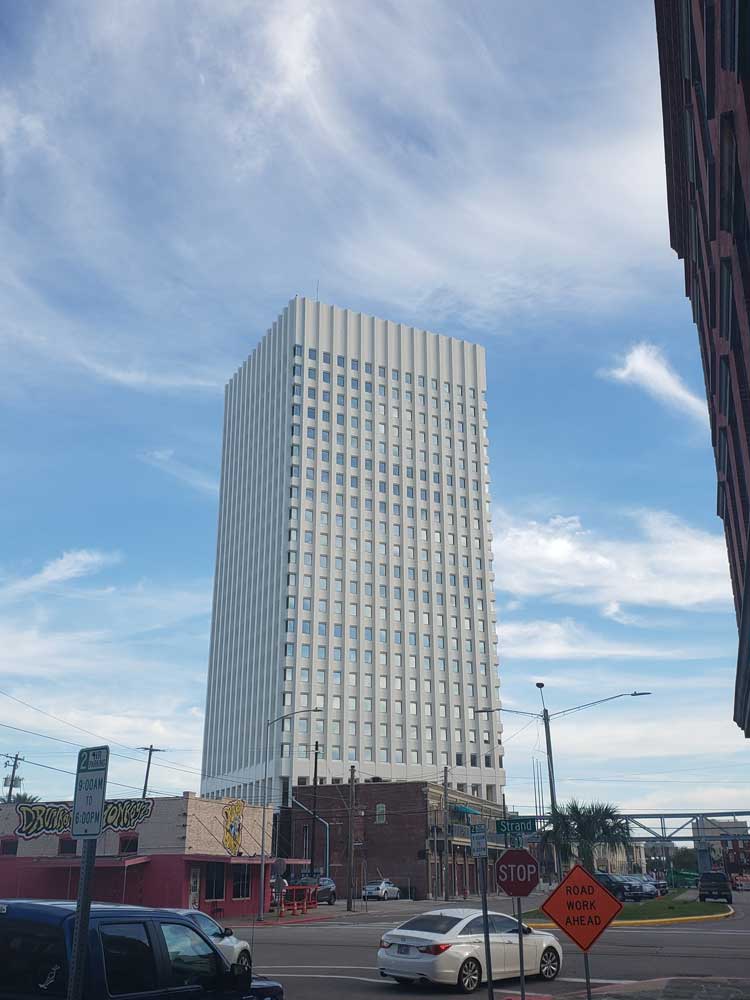
Small square park located in the Strand Historic District of Galveston
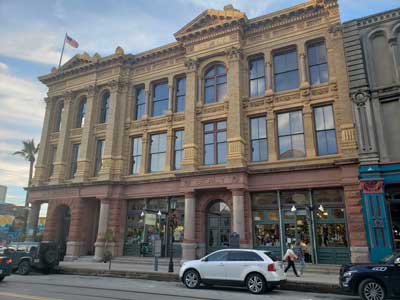
Strand Historic District
National Historic Landmark District of mainly Victorian era buildings that now house restaurants, antique stores, and curio shops
Texas Seaport Museum
A waterfront maritime museum centered on a fully restored 1877 iron-hulled tall ship, paired with galleries exploring immigrant arrivals and centuries of seafaring commerce.
Overview
Galveston is a historic city on a barrier island off the Texas Gulf Coast, about 50 miles southeast of Houston, and it is known for its beaches, its Victorian architecture, and its role in American history. In the nineteenth century it was one of the busiest ports and wealthiest cities in Texas, and the Great Storm of 1900, the deadliest natural disaster in U.S. history, devastated it and led to the construction of a seawall. It is also the place where "Juneteenth" began, when enslaved people in Texas learned of their freedom on June 19, 1865.
Visitors come to Galveston for its beaches, for the Galveston Island Historic Pleasure Pier, and for the historic Strand District. They also come for Bishop's Palace, for Moody Gardens, for the Texas Seaport Museum and its tall ship Elissa, and for seafood and Mardi Gras, one of the largest in Texas, and it is an easy day trip or weekend getaway from Houston.
History
The Karankawa people lived on the island when Spanish explorers arrived, and the pirate Jean Lafitte used it as a base in the early 1800s. The city was founded in 1836 and quickly became the leading port and financial center of Texas, known as the "Wall Street of the Southwest." On June 19, 1865, Union General Gordon Granger announced the end of slavery in Texas at Galveston, which is celebrated as Juneteenth. On September 8, 1900, a hurricane killed an estimated 6,000 to 12,000 people and destroyed much of the city, and afterward the city built a 17-foot seawall and raised the island's grade. Houston's ship channel later took much of its trade, and Galveston has since become a tourism and medical center.
Sightseeing and Popular Landmarks
The Strand Historic District has Victorian buildings with shops, galleries, and restaurants, and Bishop's Palace, a Victorian mansion built in 1892, is one of the most important in the country. The Pleasure Pier is an amusement park on the Gulf with rides and games, and Galveston Beach stretches along the seawall. The Ocean Star is an offshore drilling rig museum, and Saengerfest Park has Victorian bandstand and events.
Culture and Museums
The Texas Seaport Museum is home to the 1877 tall ship Elissa, which is still seaworthy, and the Galveston Railroad Museum and the Galveston County Historical Museum cover local history. Moody Gardens has a large pyramid-shaped aquarium, rain forest, and discovery museum, and the Grand 1894 Opera House hosts concerts and shows. The city hosts Mardi Gras Galveston in February and the Dickens on The Strand festival in December.
Parks
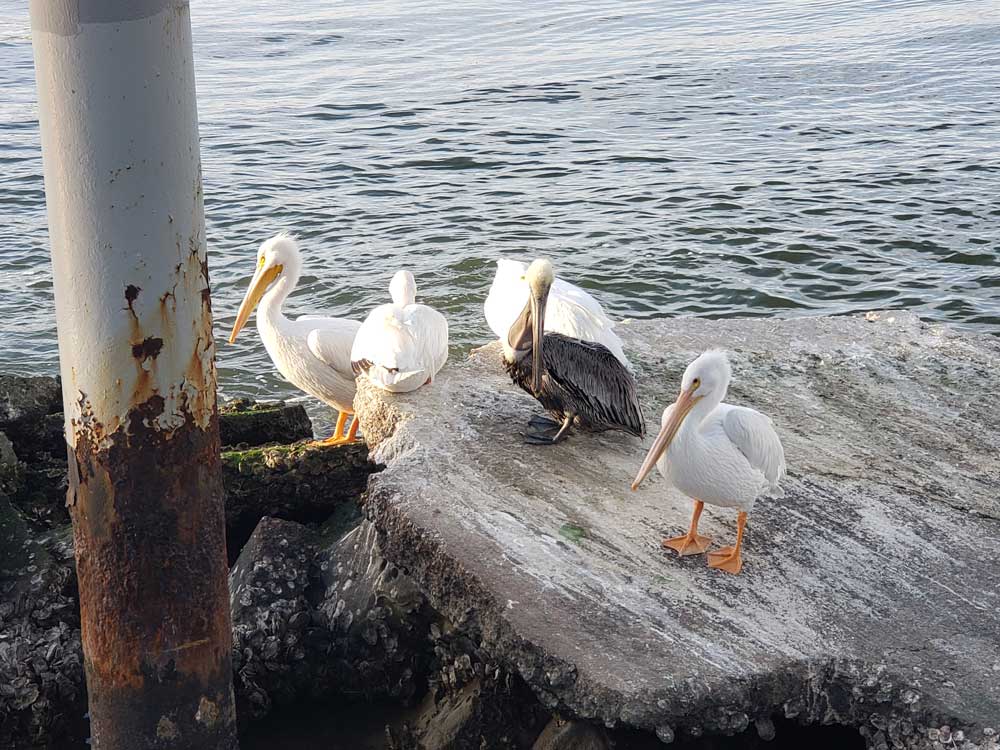
Galveston Island has 32 miles of Gulf beaches, and Galveston Island State Park has beaches, wetlands, and a nature trail on both the Gulf and bay sides. Stewart Beach and East Beach have facilities and events, and the Seawall Boulevard runs along the beach for 10 miles. Birders come to the island in spring and fall, when migrating birds stop at places such as Lafitte's Cove Nature Preserve, and Bolivar Peninsula, reached by a free ferry, has more beaches.
Seasons and Weather
Galveston has a humid subtropical climate. Summers are hot and humid, with highs in the 90s°F, and winters are mild, with highs in the 60s°F and almost no snow. The beach season runs from April through October, and hurricane season runs from June to November. The Gulf breeze helps keep summer a bit cooler than inland Texas.
This article uses material from Wikipedia as well as information from official tourism and institutional sources. Key references include Visit Galveston, Galveston Historical Foundation, Moody Gardens, Galveston Island State Park, Texas Tourism, and National Weather Service Houston/Galveston. Wikipedia material is from the articles "Galveston, Texas" and "1900 Galveston hurricane", and is available under the Creative Commons Attribution-Share-Alike License 3.0.