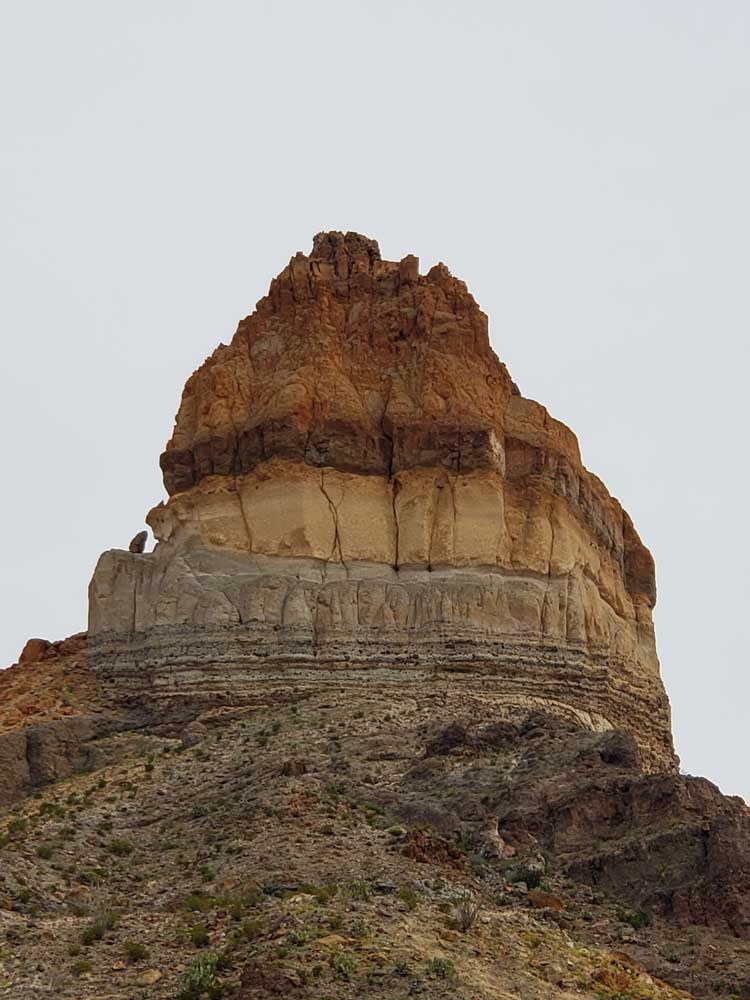
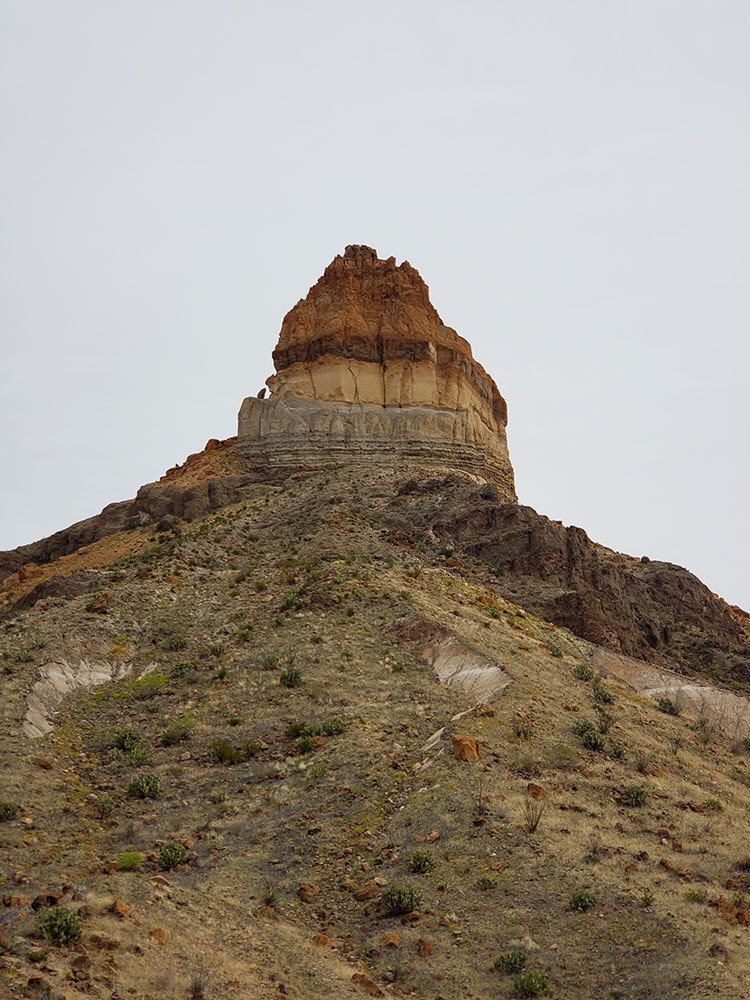
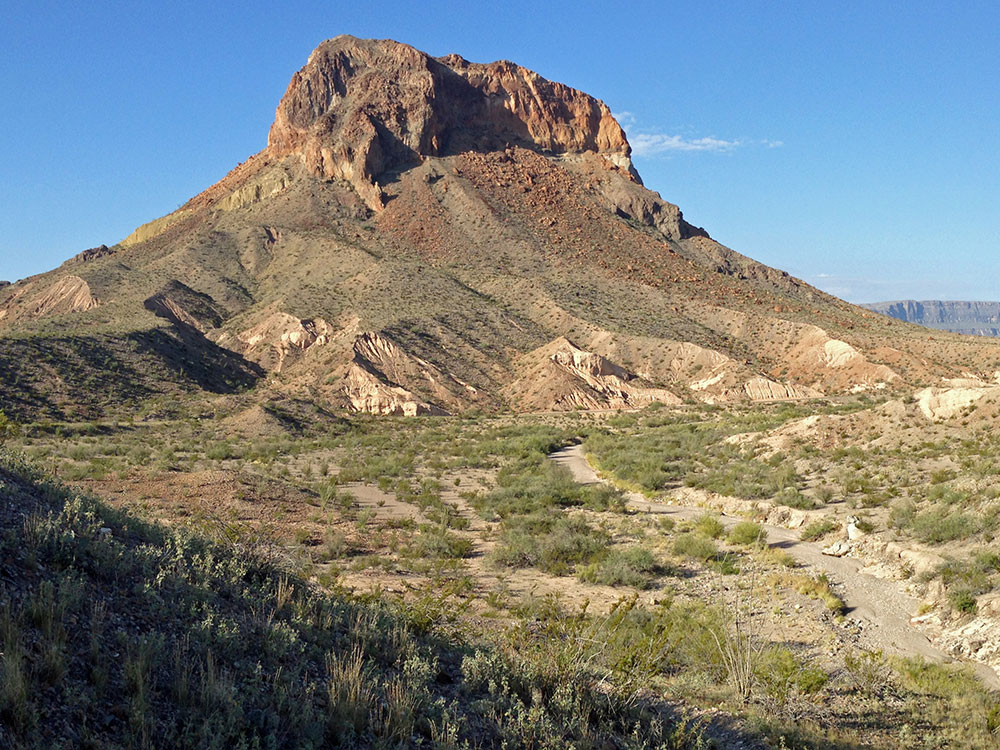
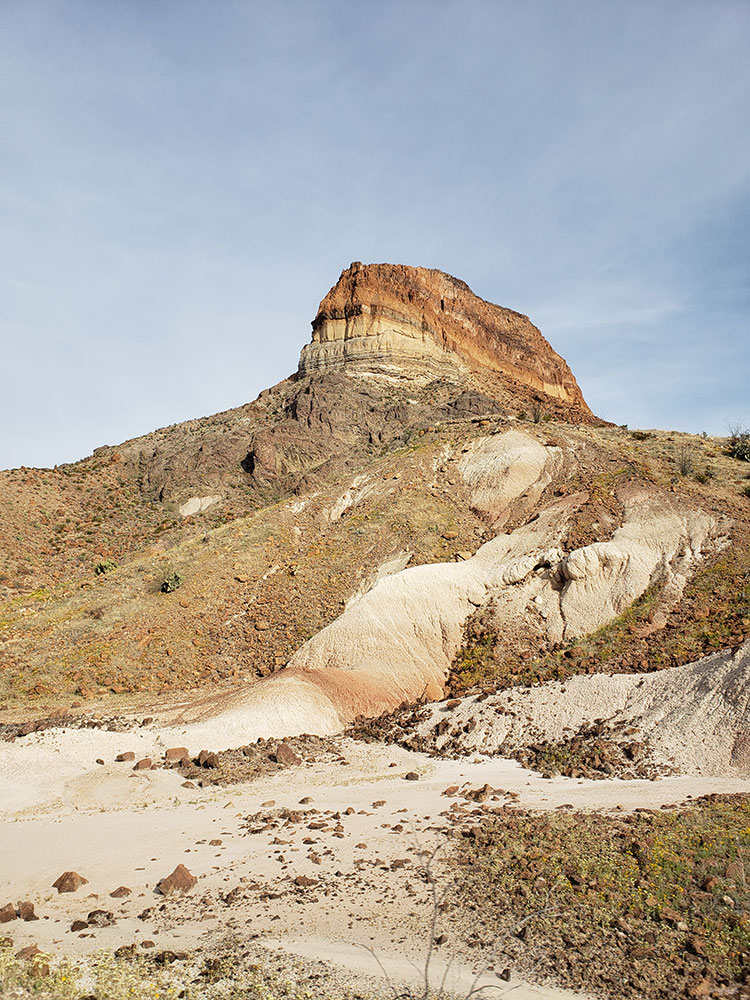
Prominent volcanic peak rising dramatically above the desert floor, recognized for its distinctive shape and striking views across rugged wilderness landscapes.
General Information
- Hours:
- Viewable year-round, 24 hours a day from park roads and overlooks
Best photographed during sunrise and sunset
Access to nearby viewpoints subject to park conditions - Fees:
-
Private Vehicle Entrance Pass (7 days): $30
Motorcycle Entrance Pass (7 days): $25
Individual Entrance Pass (7 days): $15
America the Beautiful Pass accepted - Pet Policy:
- Pets are allowed in developed areas and along roads but are not permitted on most park trails or in the backcountry
- Closest cities with hotels:
- Study Butte / Terlingua (approximately 15 mi)
- Seasons:
- Open year-round; Fall, Winter, and Spring provide the clearest views and most comfortable temperatures
- Location:
- Cerro Castellan, Big Bend National Park, TX
- Website:
- nps.gov/bibe
How to Get There
From Study Butte / Terlingua (15 mi): Take TX-118 east into Big Bend National Park, continue toward Maverick Junction, then follow the Ross Maxwell Scenic Drive where numerous pullouts and overlooks provide excellent views of Cerro Castellan.
Overview
The Cerro Castellan is one of the most recognizable landmarks in Big Bend National Park, rising prominently above the desert landscape near the western portion of the park. This imposing volcanic mountain, with its steep slopes and distinctive profile, dominates the skyline along the Ross Maxwell Scenic Drive and serves as a visual anchor for travelers exploring the surrounding wilderness. Its rugged form reflects the powerful geological forces that shaped the region millions of years ago, when volcanic activity transformed the landscape into the mosaic of mountains, canyons, and desert basins seen today.
The mountain is particularly impressive during sunrise and sunset, when changing light casts dramatic shadows across its rocky flanks and illuminates the surrounding desert in vibrant shades of red, gold, and orange. Visitors often stop at nearby overlooks to photograph the peak and observe the vast Chihuahuan Desert stretching toward the horizon. As part of one of America's most remote national parks, Cerro Castellan embodies the grandeur and isolation that make Big Bend a favorite destination for photographers, geologists, and travelers seeking extraordinary natural scenery.
History
Cerro Castellan formed from layers of volcanic ash and lava deposited during eruptions about 30 million years ago, when the region was volcanically active. The peak has long been a landmark for travelers along the Rio Grande near Castolon.
Things to Do
Photograph the Peak
The peak is striking from the Ross Maxwell Scenic Drive, especially at sunset.
Visit Castolon
The historic district is at the foot of the peak.
Continue to Santa Elena Canyon
The canyon is a short drive west.
Watch for Wildlife
Look for desert birds and lizards.
This article uses material from the Wikipedia articles and official tourism pages for the Cerro Castellan, which are released under the Creative Commons Attribution-Share-Alike License 3.0.