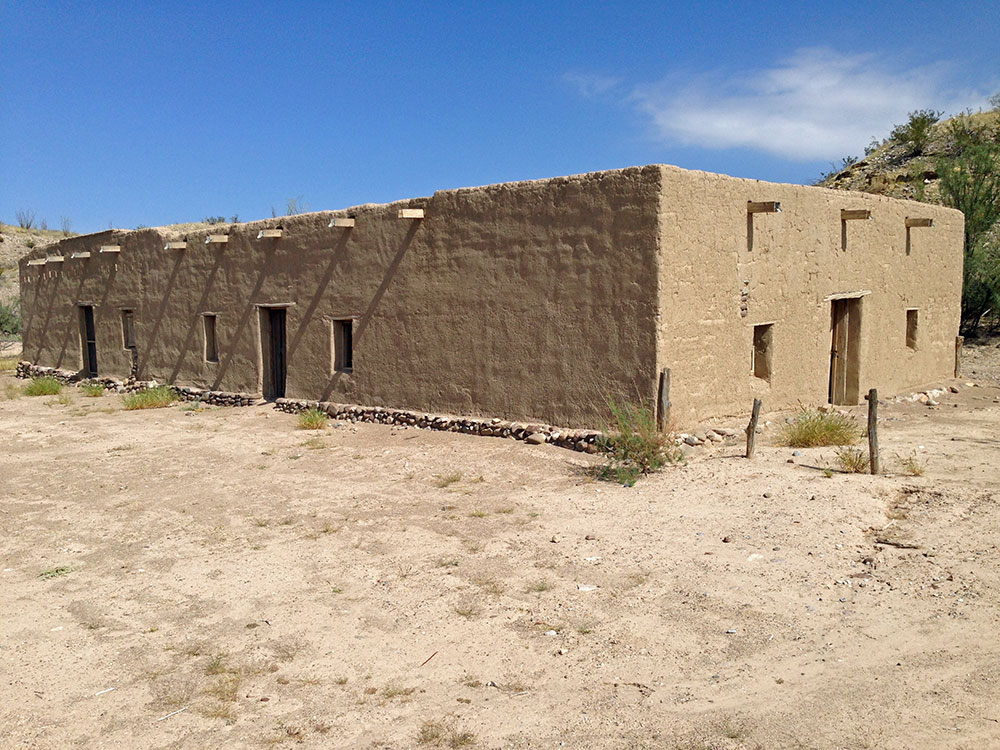
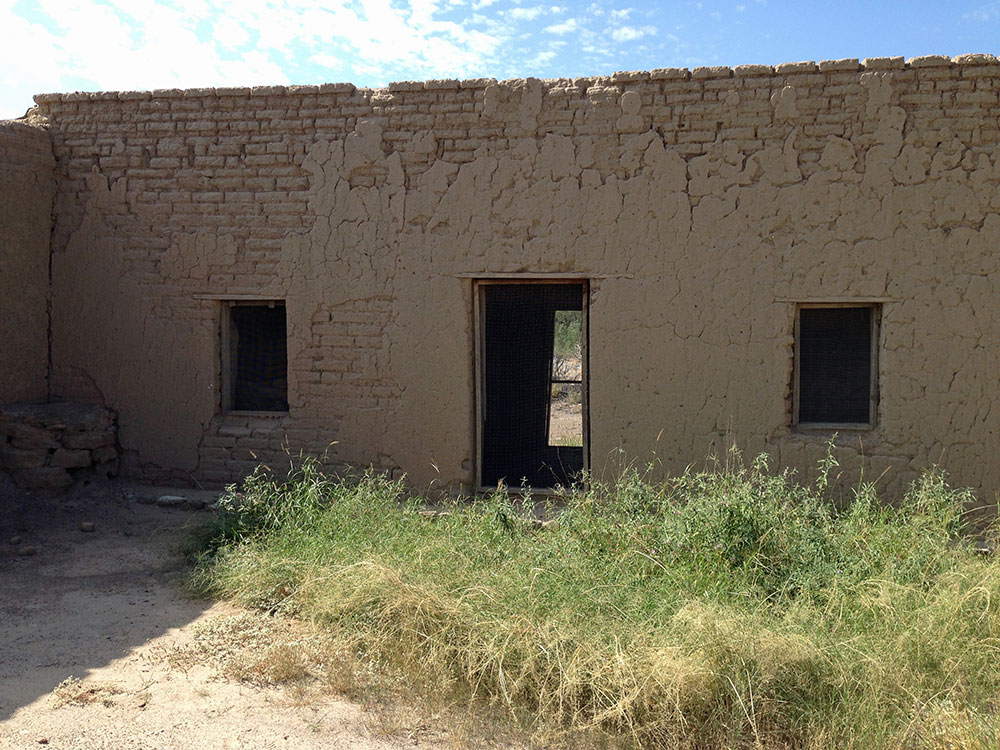
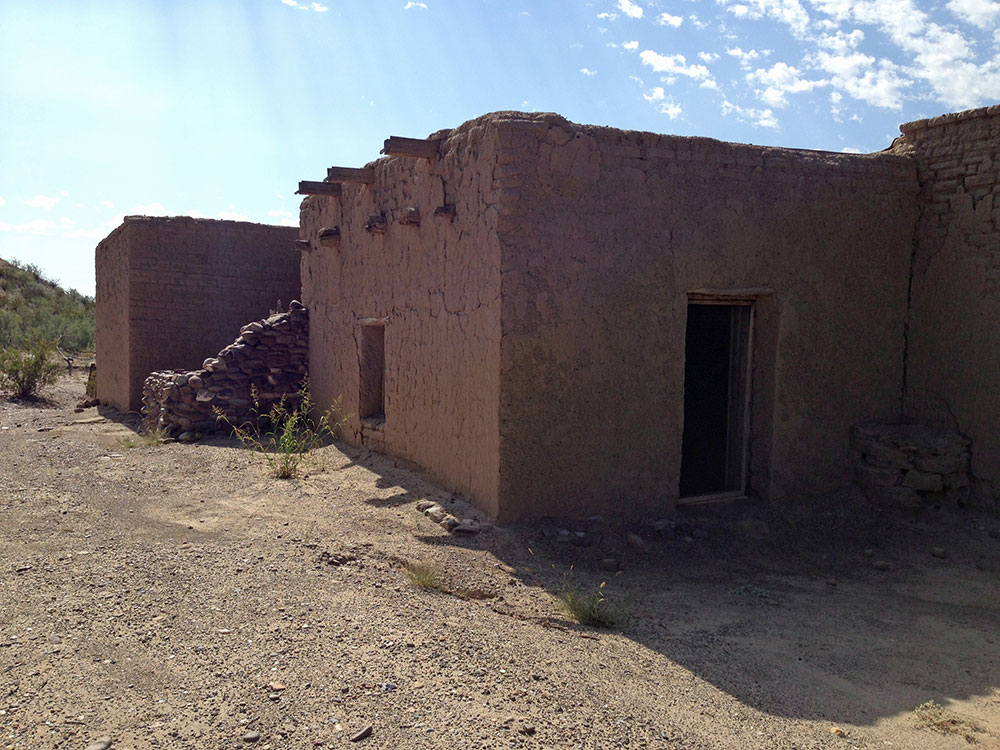
Historic desert settlement featuring preserved adobe structures, cultural exhibits, and remnants of a farming and trading community that once thrived along the river.
General Information
- Hours:
- Open daily, 24 hours a day
Historic buildings and exhibits are accessible during park operating hours
Hours for specific facilities may vary seasonally - Fees:
-
Private Vehicle Entrance Pass (7 days): $30
Motorcycle Entrance Pass (7 days): $25
Individual Entrance Pass (7 days): $15
America the Beautiful Pass accepted - Pet Policy:
- Pets are permitted in developed areas and roadways but are not allowed inside park trails or backcountry areas
- Closest cities with hotels:
- Study Butte / Terlingua (approximately 20 mi)
- Seasons:
- Open year-round; Fall, Winter, and Spring offer the most pleasant temperatures for exploration
- Location:
- Castolon Historic District, Big Bend National Park, TX
- Website:
- nps.gov/places/castolon-historic-district.htm
How to Get There
From Study Butte / Terlingua (20 mi): Take TX-118 east into Big Bend National Park, follow the main park road to Maverick Junction, turn south onto Castolon Road, and continue to the Castolon Historic District near the Rio Grande.
Overview
The Castolon Historic District preserves one of the most important cultural landscapes in Big Bend National Park, reflecting the challenges and opportunities of life along the Rio Grande in the early twentieth century. What began as a small farming and trading settlement evolved into a bustling community serving ranchers, farmers, miners, and travelers in this remote corner of Texas. Today, visitors can explore restored adobe buildings, historic residences, former military structures, and interpretive exhibits that reveal the area's rich borderlands heritage against a backdrop of dramatic desert scenery.
The district also played a significant role during periods of regional unrest along the United States-Mexico border, serving as an important military outpost during the early 1900s. Many of the preserved buildings date from the era when Castolon functioned as a commercial center supporting nearby settlements on both sides of the river. Surrounded by the rugged peaks of the Chisos Mountains and the broad floodplain of the Rio Grande, the district offers a fascinating blend of history, architecture, and natural beauty. Visitors gain a deeper appreciation for the resilience of those who built lives in one of North America's most remote and striking landscapes.
History
The U.S. Army built a camp at Castolon around 1919 during border tensions with Mexico, and the buildings later became La Harmonia trading post and store, serving farmers on both sides of the river. A wildfire in 2019 destroyed the historic La Harmonia store, but other historic buildings survive.
Things to Do
Explore the Historic Buildings
Walk among the adobe buildings of the old Army camp and farming community.
Read the Exhibits
Exhibits tell the story of life along the river.
See the Rio Grande
The river is a short drive from the district.
Drive to Santa Elena Canyon
The canyon is at the end of the Ross Maxwell Scenic Drive.
This article uses material from the Wikipedia articles and official tourism pages for the https://www.nps.gov/places/castolon-historic-district.htm, which are released under the Creative Commons Attribution-Share-Alike License 3.0.