Open-air interpretive center showcasing fossils, prehistoric ecosystems, and geological discoveries that reveal 130 million years of ancient life preserved within the region's rock formations.
General Information
- Hours:
- Open daily from dawn to dusk
- Fees:
-
Private Vehicle Entrance Pass: $30 (valid for 7 days)
Motorcycle Pass: $25 (valid for 7 days)
Individual Entrance Pass: $15 per person (valid for 7 days)
America the Beautiful passes accepted - Pet Policy:
- Pets are allowed only in developed areas and on roads; pets are not permitted on trails or in the exhibit area beyond vehicle-accessible locations.
- Closest cities with hotels:
- Marathon, Texas (approximately 40 mi)
- Seasons:
- October through April offers the most comfortable temperatures; open year-round
- Location:
- Fossil Discovery Exhibit, Big Bend National Park, TX
- Website:
- nps.gov/bibe/planyourvisit/fossil-discovery-exhibit.htm
How to Get There
From Marathon, Texas (approximately 40 mi): Take US-385 south toward Big Bend National Park, enter through Persimmon Gap, continue about 18 miles into the park, and follow signs to the Fossil Discovery Exhibit located roughly 8 miles north of Panther Junction along the main park road.
Overview
The Fossil Discovery Exhibit offers visitors a remarkable journey through deep time, presenting the story of a landscape that has transformed dramatically over the past 130 million years. Situated along the Persimmon Gap Road, the open-air exhibit combines authentic fossil specimens, detailed artwork, and engaging interpretive displays that bring prehistoric environments to life. Visitors can explore evidence of ancient seas, lush floodplains, and the diverse creatures that once inhabited the region, including dinosaurs, crocodilian relatives, and early mammals.
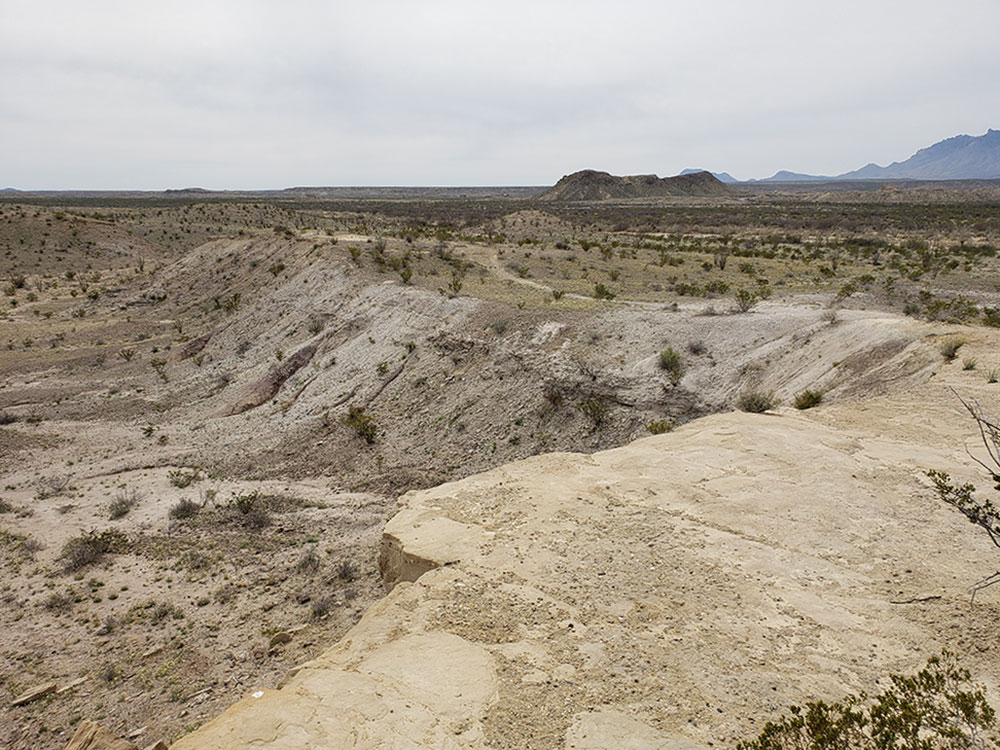
Designed to connect science with the surrounding landscape, the exhibit encourages visitors to look beyond the desert visible today and imagine the vastly different worlds preserved within the rocks. A short interpretive trail leads to panoramic viewpoints where geological layers can be observed directly in the terrain, helping explain how fossils were buried and preserved over millions of years. With accessible facilities, family-friendly displays, and one of the most significant fossil records in North America, the exhibit provides an unforgettable introduction to the natural history of the park.
History
Big Bend's rocks preserve a fossil record spanning more than 130 million years, from ancient seas to the age of dinosaurs and the rise of mammals. Famous finds include Quetzalcoatlus, one of the largest flying animals ever, and the giant crocodile Deinosuchus. The open-air Fossil Discovery Exhibit opened in 2017.
Things to Do
Explore the Exhibit
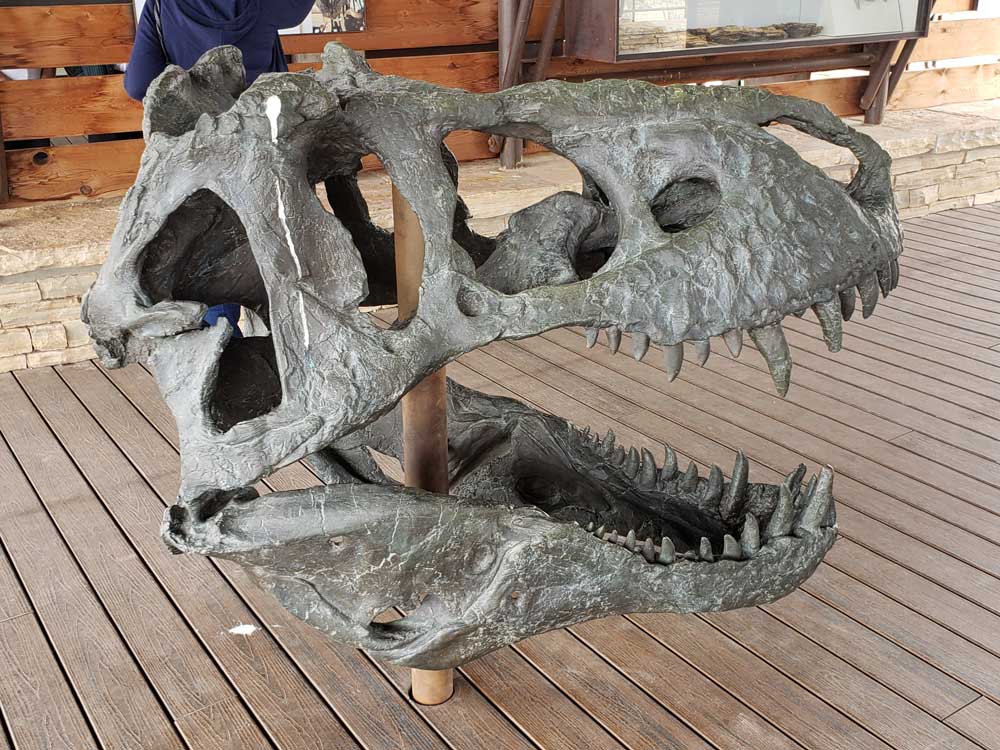
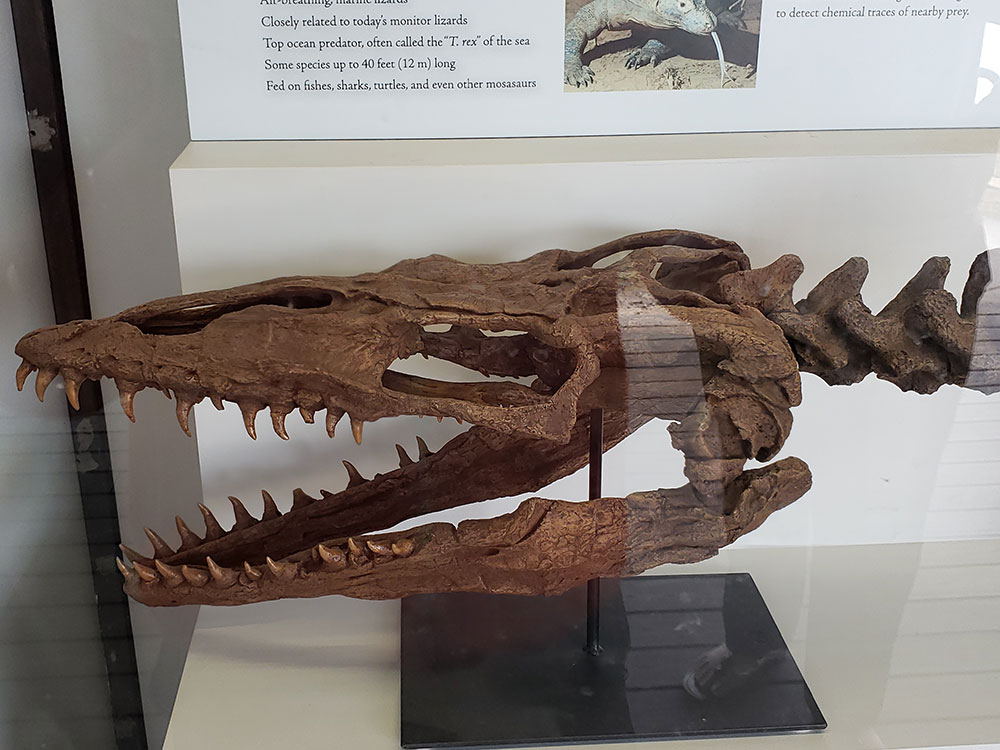
Displays walk you through time with fossils and casts found in the park.
See the Giant Crocodile
A cast of Deinosuchus shows the size of this giant predator.
Take In the View
The exhibit looks out over the desert to the Chisos Mountains.
Picnic in the Shade
Shaded picnic tables are next to the exhibit.
This article uses material from the Wikipedia articles and official National Park Service pages for the Fossil Discovery Exhibit, which are released under the Creative Commons Attribution-Share-Alike License 3.0.