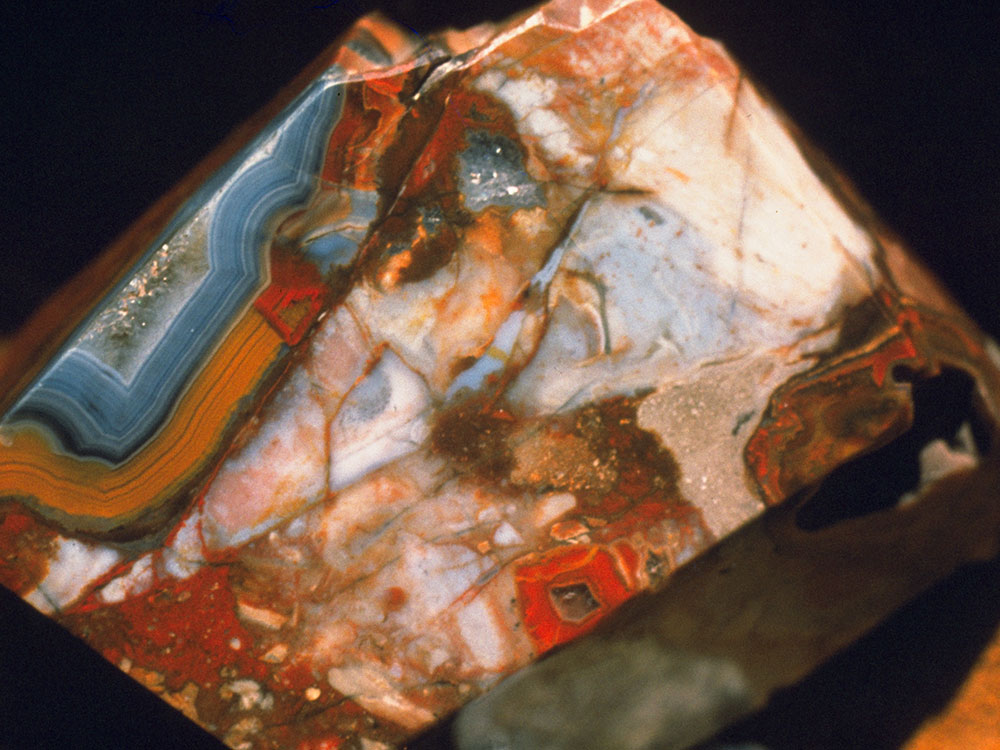
National Monument protecitng quarry pits along the red bluffs above the Canadian River containing rainbow-hued flint.
General Information
Last updated 9/14/2022
- Hours:
- Open daily 9am to 4pm
Ranger-guided quarry tours available daily at 10am and 1pm until October 22, 2022 - Fees:
- No entrance or ranger-guided tour fees
- Pet Policy:
- Pets not allowed
- Closest cities with hotels:
- Borger, 24 miles
- Seasons:
- All year
- Location:
- 37084 Alibates Rd. Potter County, TX 79036
- Website:
- nps.gov
Head east on E Amarillo Blvd/U.S. Rt. 66 toward N Pierce St, Turn left onto TX-136 N, Turn left onto Cas Johnson Rd, Continue onto Alibates Rd
Overview
Alibates Flint Quarries National Monument protects one of the most important prehistoric quarry sites in North America, set on red bluffs above the Canadian River in the Texas Panhandle. For roughly 13,000 years, people mined the area's colorful, rainbow-hued flint — prized for its sharp edges and traded across the Great Plains — to make spear points, knives, and tools; Ice Age Clovis hunters used it on Columbian mammoths, and centuries later the Antelope Creek people built stone-slabbed pueblo villages nearby between 1200 and 1450 AD. Congress established the national monument in 1965 to preserve the quarries and the archaeological record of the people who used them, and it is managed by the National Park Service together with neighboring Lake Meredith National Recreation Area. The fragile quarry pits and ruins can only be seen on a reserved, ranger-led tour — there's no walk-in access. Visitors come for the guided hike, the geology and archaeology, and the wide-open High Plains scenery.
Access
The monument is in the Texas Panhandle in Potter County, on the north side of the Canadian River breaks near Lake Meredith and the small town of Fritch. It is roughly 35 miles north of Amarillo, and nearly everyone arrives by car, following TX-136 north and then Cas Johnson Road to Alibates Road. There is no public transportation, and the final miles are in a remote area with few services, so fill your gas tank and bring water. The quarries can be visited only on a ranger-guided tour, so check the National Park Service website for the current schedule and reservation requirements before you go.
Seasons
Guided tours are most comfortable in spring and fall, when temperatures are mild and the grasslands and canyon rims are at their best, with spring wildflowers adding color. Summers on the High Plains are hot and sunny with little shade on the mesa, so tours can be strenuous and early-day visits and plenty of water are important. Winters are cold and windy, and snow, ice or severe weather can lead to cancelled tours, though the open landscape is quiet and uncrowded. Thunderstorms are common in late spring and summer, and tour schedules and the visitor center hours may vary by season.
Things to Do
Take a Ranger-Guided Quarry Tour
The monument's signature experience is a reservation-only hike to the ancient flint quarries, about 2 miles round trip with roughly 170 feet of elevation gain. Rangers cover the geology, archaeology, and native plant life along the way, and point out the pits where people extracted flint for millennia.
Visit the Visitor Center
Museum exhibits and a park film explain the significance of Alibates flint, the Native American cultures who worked it, and the history of the Texas High Plains.
View Petroglyphs
The guided tour passes ancient rock carvings left by Indigenous peoples, offering a glimpse into the region's deep cultural history.
Enjoy Panoramic Views
The mesa-top quarry tour provides sweeping views of the Canadian River breaks, surrounding grasslands, and nearby Lake Meredith.
Visitor Centers
The monument’s visitor center is the starting point for the ranger-guided quarry tours. Inside, museum exhibits and a park film explain how Alibates flint formed, how it was quarried and traded, and the history of the people who lived on the High Plains. Rangers can answer questions, issue tour information and recommend other sites in the area. Because hours and tour times change by season and staffing, confirm them with the National Park Service before you travel.
Camping and Lodging
There is no camping or lodging at the monument itself. Nearby Lake Meredith National Recreation Area offers camping and other outdoor recreation along the reservoir, and there are small-town services in Fritch. Hotels, motels and restaurants are available in Borger, about 24 miles away, and in Amarillo, roughly 35 miles to the south, which has the widest choice of chain hotels, restaurants and campgrounds. Canyon, home to Palo Duro Canyon State Park, is about an hour or so from the monument and offers more lodging and camping.
History
People have quarried the colorful Alibates flint along the Canadian River for about 13,000 years, beginning with Ice Age hunters who used it to make Clovis and Folsom points. Between about 1150 and 1450, people of the Antelope Creek culture lived in stone houses near the quarries and traded the flint across the Great Plains and beyond. Alibates Flint Quarries National Monument was established in 1965 as the first national monument in Texas.
Tour Overview
The quarries can only be visited on a ranger-guided tour, which departs from the visitor center at scheduled times. Tours last about 1.5 to 2 hours and follow a trail of about a mile round trip that climbs a mesa to the quarry pits, with rangers explaining how flint was mined and traded. Reservations are recommended, and tour schedules vary by season, so check the National Park Service website before visiting. The trail is exposed and can be hot, so bring water, sun protection and sturdy shoes, and remember that collecting flint is prohibited.
This article uses material from the Wikipedia article "Alibates Flint Quarries National Monument", which is released under the Creative Commons Attribution-Share-Alike License 3.0