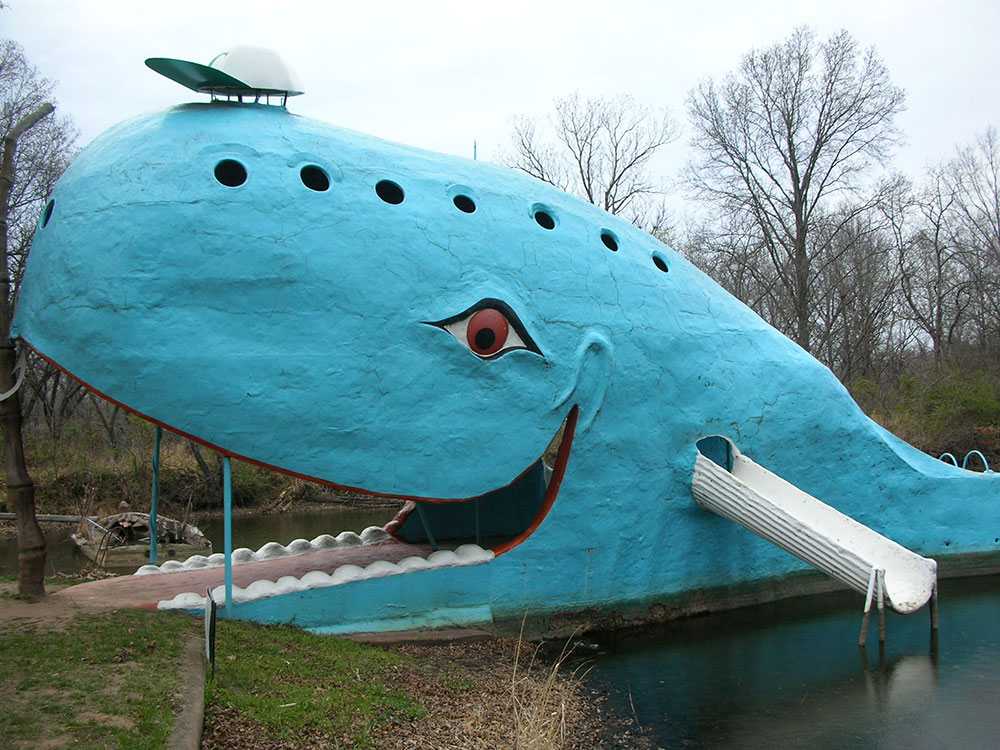

Whimsical 80-foot-long roadside sculpture surrounded by a pond, picnic grounds, and recreational space that celebrates classic American road-trip culture.
Grounds are generally accessible during daylight hours
Restroom facilities available on-site
How to Get There
From Tulsa, OK (14 mi): Take I-44 E toward Catoosa, exit onto State Highway 66/Route 66, and continue north to the attraction located beside the highway.
Overview
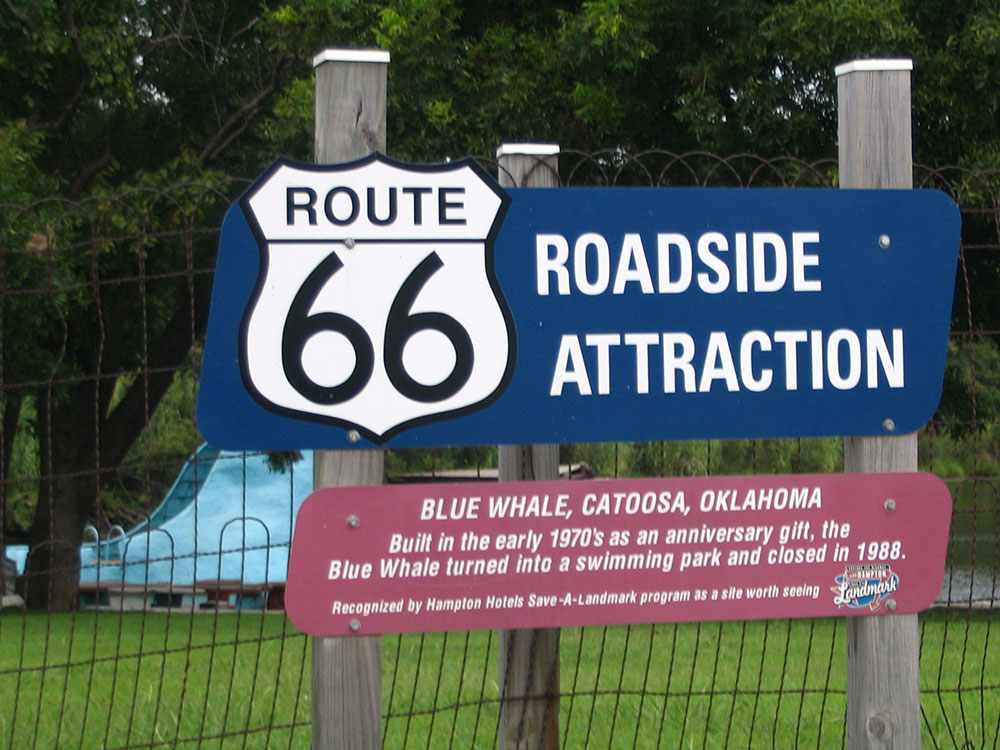
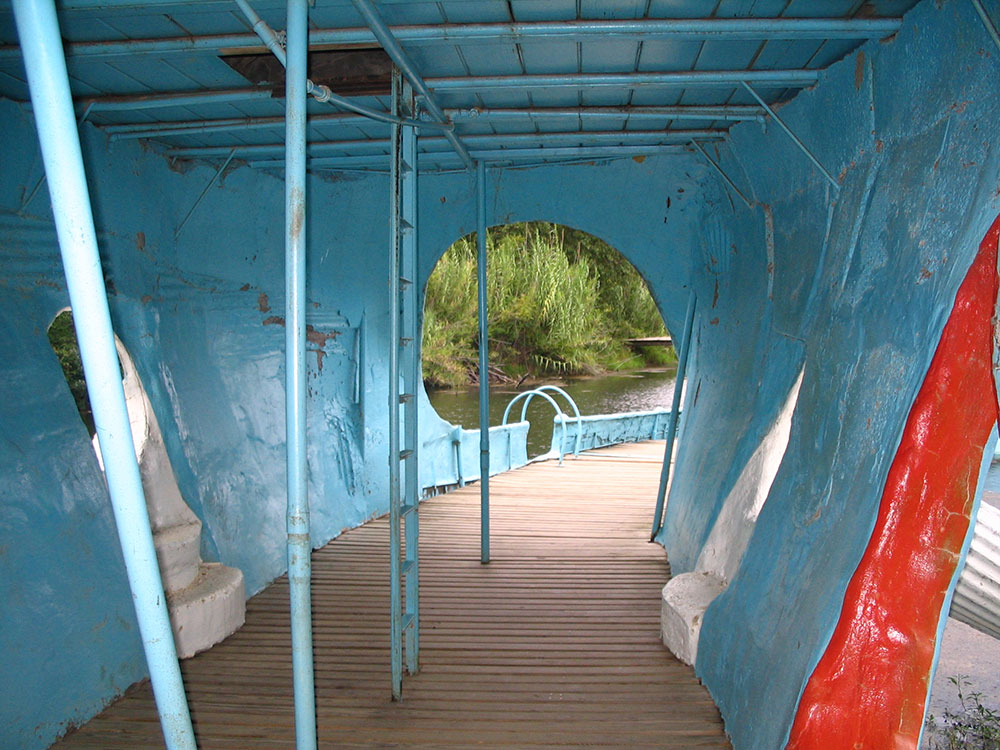
The Blue Whale of Catoosa is one of the most recognizable landmarks along historic Route 66. Built by zoologist Hugh S. Davis in the early 1970s as a gift for his wife, the giant concrete whale quickly evolved from a family project into a beloved roadside attraction. Measuring approximately 80 feet long and rising above a small pond, the cheerful structure became a gathering place where families picnicked, fished, swam, and enjoyed the outdoors. Today, while swimming is no longer permitted, the attraction remains one of the most photographed stops on Oklahoma's section of Route 66.
Visitors can stroll around the pond, enjoy the picnic areas, and admire a piece of Americana that captures the creativity and optimism of the roadside attraction era. The whale's smiling face, unique design, and fascinating history have made it a favorite destination for road-trippers, photographers, and Route 66 enthusiasts from around the world. Maintained by the City of Catoosa, the site continues to preserve an important chapter of highway travel history while offering a fun and memorable stop for travelers exploring the Mother Road.
This article uses material from official tourism and visitor information pages for the Blue Whale of Catoosa and Route 66 heritage resources, which provide publicly available historical and visitor information about the attraction.
-1000.jpg)
.jpg)