Natchez Travel Guide
City located on the Mississippi River was a prominent city in the antebellum years, a center of cotton planters and Mississippi River trade.
Places to See in Natchez
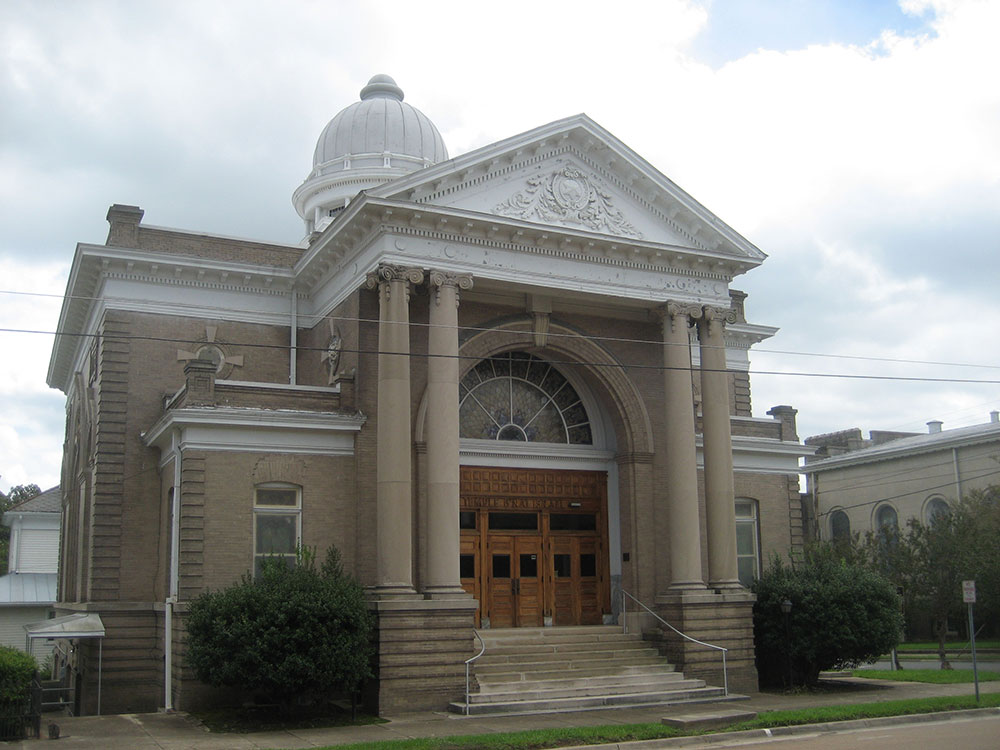
Dough4872, CC BY-SA 4.0, via Wikimedia Commons; Image Size Adjusted

Bob M Dearing Natchez State Park
Expansive natural retreat offering fishing, disc golf, hiking trails, and lakeside cabins amid Mississippi woodlands.
Dough4872, CC BY-SA 4.0, via Wikimedia Commons; Image Size Adjusted
Emerald Mound
Massive flat-topped ceremonial earthwork constructed by Mississippian peoples between 1200 and 1730 CE, featuring two secondary mounds atop a broad platform.
Dough4872, CC BY-SA 4.0, via Wikimedia Commons; Image Size Adjusted
Forks of the Road
Outdoor historical site featuring interpretive exhibits on the domestic slave trade at one of the largest slave markets in the Deep South.
Dough4872, CC BY-SA 4.0, via Wikimedia Commons; Image Size Adjusted
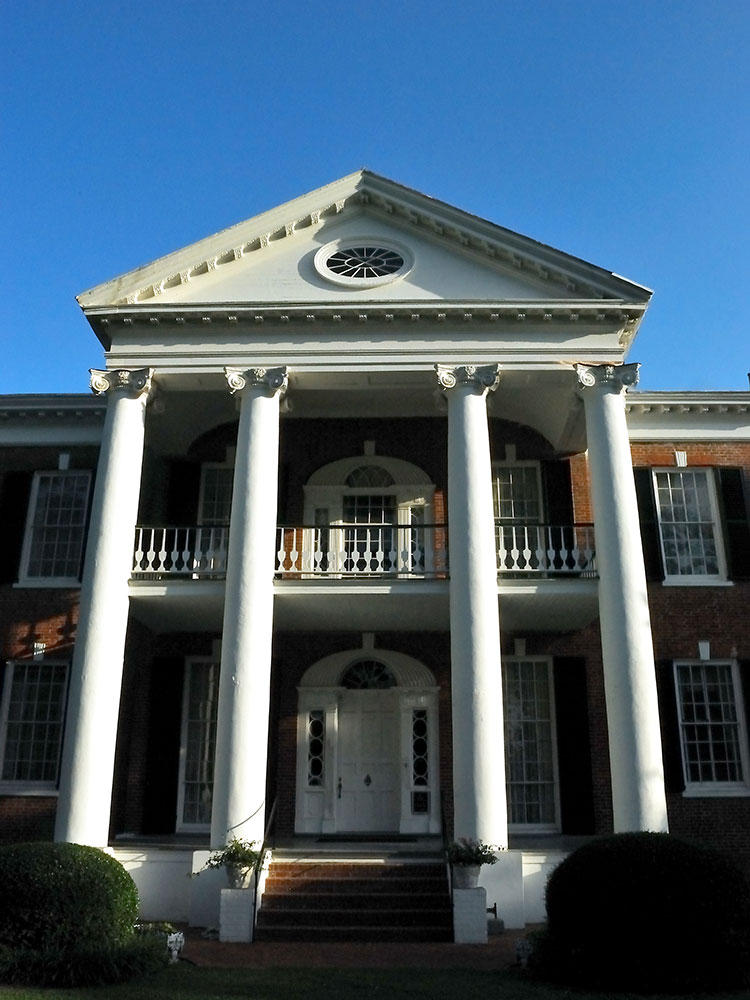
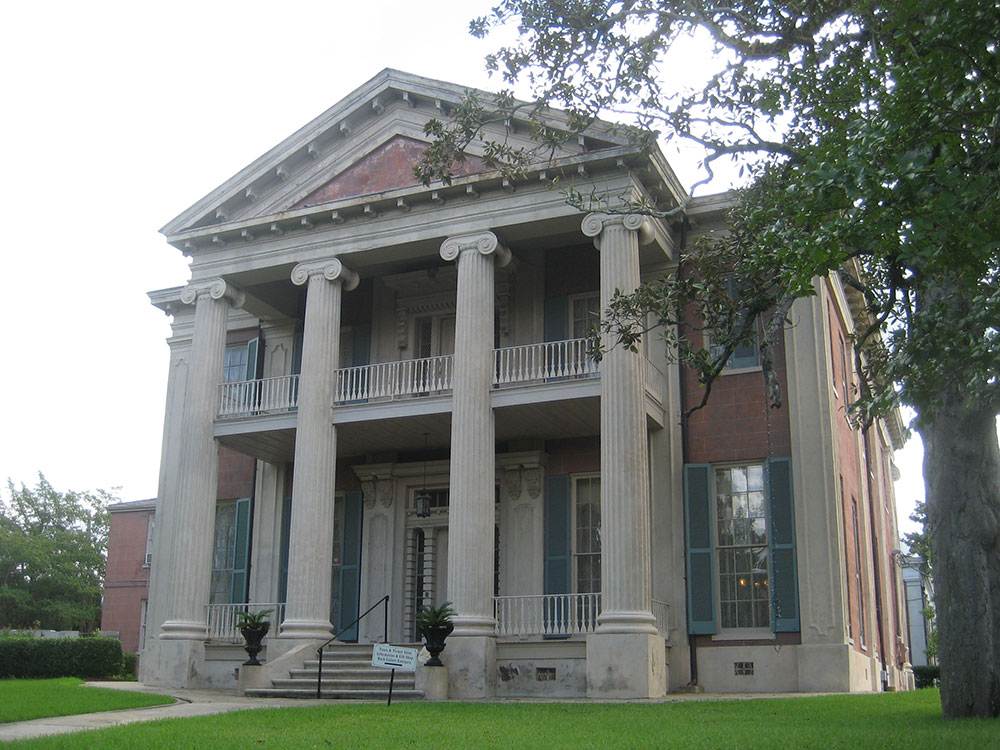
Historic Auburn
Early 19th-century mansion showcasing Greek Revival architecture, original outbuildings, and a rare unsupported spiral staircase.
Dough4872, CC BY-SA 4.0, via Wikimedia Commons; Image Size Adjusted
Longwood
Unfinished octagonal mansion featuring a byzantine dome, Civil War-era construction remnants, and original family furnishings on the completed ground floor.
Dough4872, CC BY-SA 4.0, via Wikimedia Commons; Image Size Adjusted
Magnolia Hall
Restored Greek Revival mansion featuring mid-19th-century antiques, a costume museum, and a rare brownstone façade.
Dough4872, CC BY-SA 4.0, via Wikimedia Commons; Image Size Adjusted
Mount Repose Plantation
Federal-style mansion featuring original 19th-century architecture, furnishings, and family artifacts preserved across generations.
Dough4872, CC BY-SA 4.0, via Wikimedia Commons; Image Size Adjusted
Natchez City Cemetery
Historic bluffside burial ground established in 1822, featuring elaborate ironwork, antebellum monuments, and self-guided walking tours.
Dough4872, CC BY-SA 4.0, via Wikimedia Commons; Image Size Adjusted
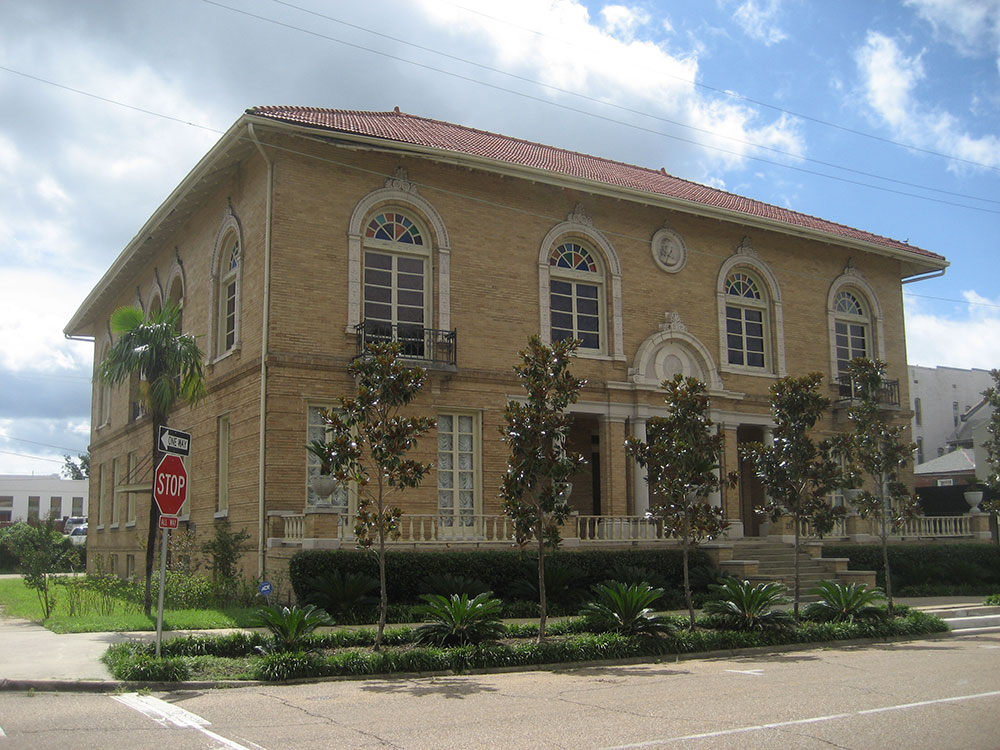
Natchez National Historical Park
Park commemorating the history of Natchez
Dough4872, CC BY-SA 4.0, via Wikimedia Commons; Image Size Adjusted
Rosalie Mansion and Gardens
Antebellum mansion overlooking the Mississippi River, featuring original furnishings, formal gardens, and Civil War-era history as a Union headquarters.
Dough4872, CC BY-SA 4.0, via Wikimedia Commons; Image Size Adjusted
St Marys Basilica
Gothic Revival Catholic church featuring stained glass windows, ornate altars, and a rich history as Mississippi’s first cathedral.
Dough4872, CC BY-SA 4.0, via Wikimedia Commons; Image Size Adjusted
Stanton Hall
Palatial Greek Revival mansion featuring original 19th-century furnishings, imported marble mantels, and elaborate pier mirrors across five grand stories.
Overview
Natchez is a small city perched on a bluff above the Mississippi River in southwest Mississippi, and it is one of the oldest European settlements in the Mississippi Valley, founded by the French in 1716. It is famous for its antebellum mansions, many of which survived the Civil War and are open for tours, and for its role as the southern end of the Natchez Trace, the historic trail to Nashville. The town's well-preserved architecture and long history give it a unique charm.
Visitors come to Natchez for tours of grand homes such as Longwood, Stanton Hall, Melrose, and Rosalie, which are especially popular during the Spring and Fall Pilgrimages. They also come for the Natchez National Historical Park, the Native American sites at Emerald Mound and the Grand Village of the Natchez Indians, and for the views of the Mississippi, and it is a good stop on the Natchez Trace Parkway.
History
The Natchez people lived in the area, building ceremonial mounds, and the French established Fort Rosalie in 1716, which led to the Natchez Wars in the 1720s. The city later passed to Britain and Spain before becoming part of the United States, and it was the capital of the Mississippi Territory. In the early 1800s, wealth from cotton plantations, built on the labor of enslaved people, made Natchez one of the richest cities in the country, and planters built grand mansions. The town was largely spared from destruction in the Civil War because it surrendered to the Union early, and its antebellum homes survived. The history of slavery is also told at sites such as the Forks of the Road, one of the largest slave markets in the Deep South.
Sightseeing and Popular Landmarks
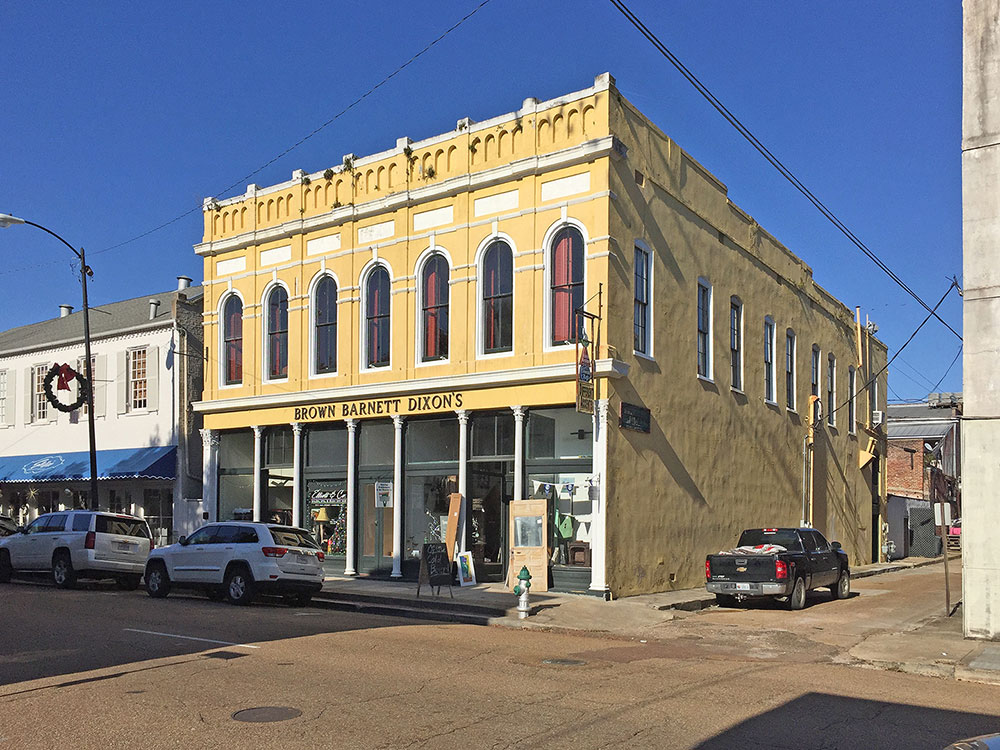
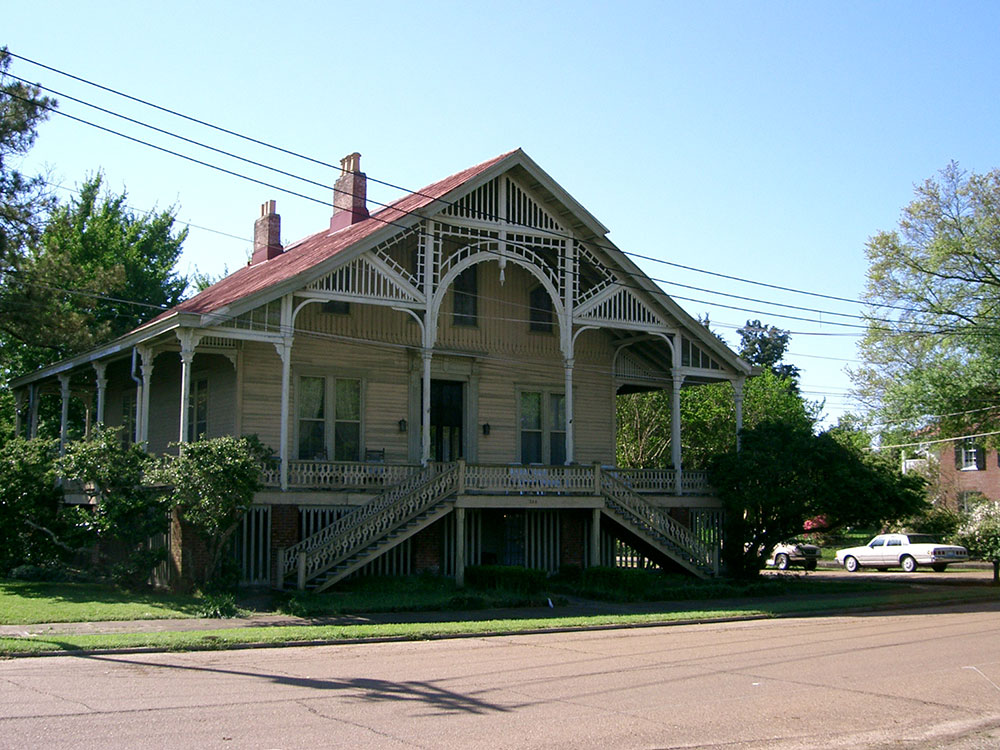
Longwood is an unfinished octagonal mansion, the largest in the United States, that was left incomplete when the Civil War began, and Stanton Hall is a grand Greek Revival mansion filling a city block. Melrose, part of the national historical park, has preserved the home and the outbuildings and shows the lives of the enslaved people who worked there, and Dunleith, Auburn, Magnolia Hall, and Rosalie are other notable houses. St. Mary's Basilica and the Natchez City Cemetery are historic landmarks.
Culture and Museums
The Natchez National Historical Park interprets the history of the city through Melrose, the William Johnson House, and the Fort Rosalie site, and the Grand Village of the Natchez Indians has a museum on the Natchez people. Forks of the Road memorializes one of the largest slave markets in the South, and Smoot's Grocery is a blues lounge. The Natchez Pilgrimage in spring and fall features house tours and costumed hostesses, and the Natchez Literary and Cinema Celebration is held in February.
Parks
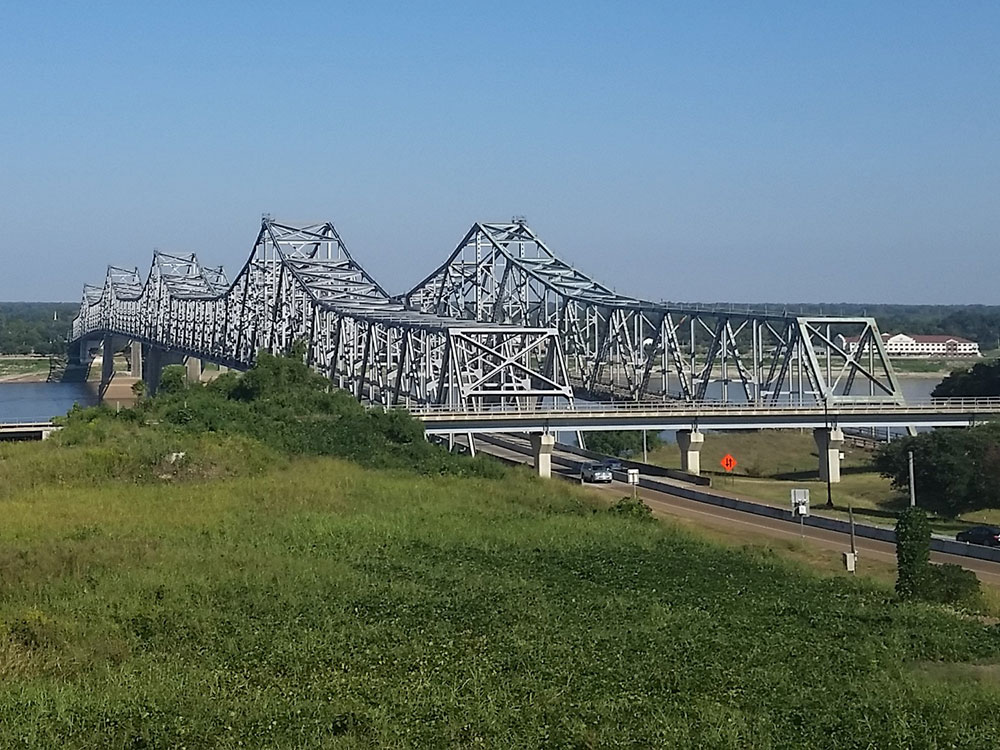
Natchez State Park has a lake, trails, and camping, and the Natchez Trace Parkway, a scenic drive managed by the National Park Service, begins just outside the city. The bluffs along the Mississippi River offer views of the river and its barges, and Under-the-Hill is the historic riverfront district, once a rowdy landing and now a quiet area with restaurants and a casino. Emerald Mound, a large Native American temple mound, is also a short drive away.
Seasons and Weather
Natchez has a humid subtropical climate. Summers are hot and humid, with highs in the 90s°F, and winters are mild, with highs in the 50s°F and almost no snow. Spring and fall are the best seasons for touring, and the Pilgrimage is held in March and April and again in October. Thunderstorms are common in spring, and hurricane remnants can bring rain in late summer.
This article uses material from Wikipedia as well as information from official tourism and institutional sources. Key references include Visit Natchez, National Park Service Natchez National Historical Park, Natchez Trace Parkway, Visit Mississippi, Natchez Pilgrimage Tours, and National Weather Service Jackson. Wikipedia material is from the article "Natchez, Mississippi", and is available under the Creative Commons Attribution-Share-Alike License 3.0.
Featured Locations

Elisa.rolle, CC BY-SA 3.0, via Wikimedia Commons; Image Size Adjusted

Natchez National Historical Park
Park commemorating the history of Natchez