Historic river region renowned for grand antebellum estates, oak-lined avenues, sugar plantations, and stories that shaped Louisiana's cultural heritage.
General Information
- Hours:
- Open year-round
Individual plantations, museums, and historic sites maintain separate operating hours - Fees:
-
No fee to explore the region
Admission fees vary by plantation and attraction - Pet Policy:
- Varies by plantation and attraction
- Seasons:
- All year (fall, winter, and spring are the most comfortable times for touring historic sites)
- Location:
- River Road Corridor, Louisiana
- Website:
- explorelouisiana.com
How to Get There
From New Orleans (25 mi): Take I-10 West or River Road routes along the Mississippi River toward St. Charles, St. John the Baptist, and St. James Parishes, where many of the region's historic plantations are located.
Overview
The Plantation Country region extends along the Mississippi River between New Orleans and Baton Rouge, where historic estates, centuries-old oak trees, and fertile riverfront lands tell the story of Louisiana's agricultural past. Often referred to as the River Road corridor, this area was once lined with hundreds of plantations that prospered through the cultivation of sugarcane and other crops. Today, a collection of preserved properties allows visitors to explore distinctive architectural styles, landscaped grounds, museums, and exhibits that examine both the wealth generated by these estates and the human experiences that shaped their history.
Visitors can tour famous landmarks such as Oak Alley Plantation, Laura Plantation, Whitney Plantation, Destrehan Plantation, and Houmas House, each offering a unique perspective on life in Louisiana's river parishes. Many modern interpretations place significant focus on the experiences of enslaved people whose labor sustained the plantation economy, providing a more complete understanding of the region's complex past. Combined with scenic river views, historic communities, and cultural attractions, Plantation Country remains one of Louisiana's most visited heritage tourism destinations.
This article uses material from the Wikipedia articles and official tourism pages for Plantation Country, which are released under the Creative Commons Attribution-Share-Alike License 3.0.
Featured Locations

Destrehan Plantation
Historic estate offering guided tours, live demonstrations, and exhibits that explore life in the antebellum South through the stories of both free and enslaved people.

Houmas House Estate and Gardens
Lavish estate featuring a grand antebellum mansion, expansive gardens, and immersive tours that bring Louisiana’s plantation history to life.

Laura Plantation
Creole heritage site offering guided tours through a restored sugar plantation that reveals the complex lives of both free and enslaved families across four generations.
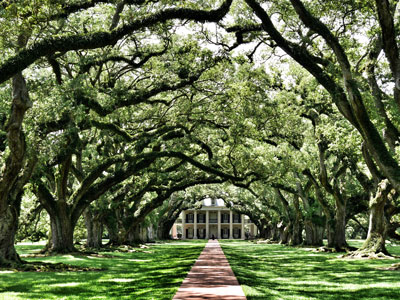
Oak Alley Plantation
Property designated a National Historic Landmark for its architecture and landscaping, and for the agricultural innovation of grafting pecan trees.

St. Joseph Plantation and Felicity Plantation
Working sugarcane plantation offering guided tours through a preserved antebellum home, original slave cabins, and exhibits on Creole culture and agriculture.

Whitney Plantation
Museum and memorial site dedicated exclusively to the history of slavery in Louisiana, featuring original structures, guided tours, and powerful exhibits honoring the lives of the enslaved.