Baton Rouge Travel Guide
Capital city of Louisiana on the eastern bank of the Mississippi River, and second-largest city in Louisiana after New Orleans and is the middle ground of South Louisiana cultures, having a mix of Cajun and Creole.
Places to See in Baton Rouge
Galvez Plaza/ North Boulevard
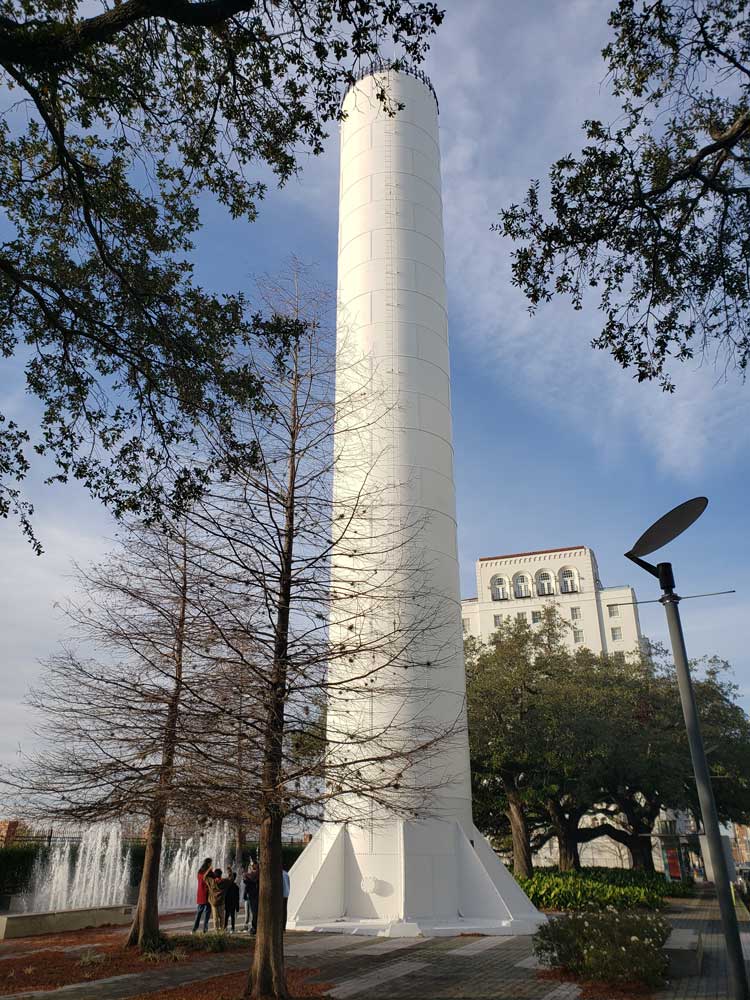
Expansive downtown civic green space featuring open lawns, interactive water features, public art, outdoor event areas, and a performance stage designed for community gatherings and festivals.
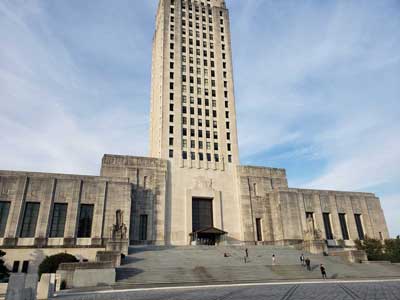
Louisiana State Capitol
At 450 feet tall and with 34 stories, it is the tallest building in Baton Rouge and tallest capitol in the United States and includes the Capitol Gardens
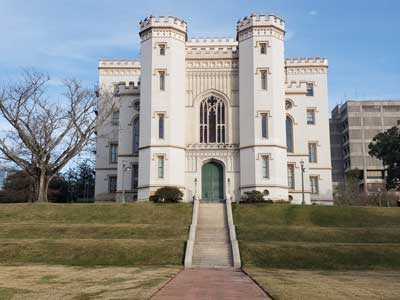
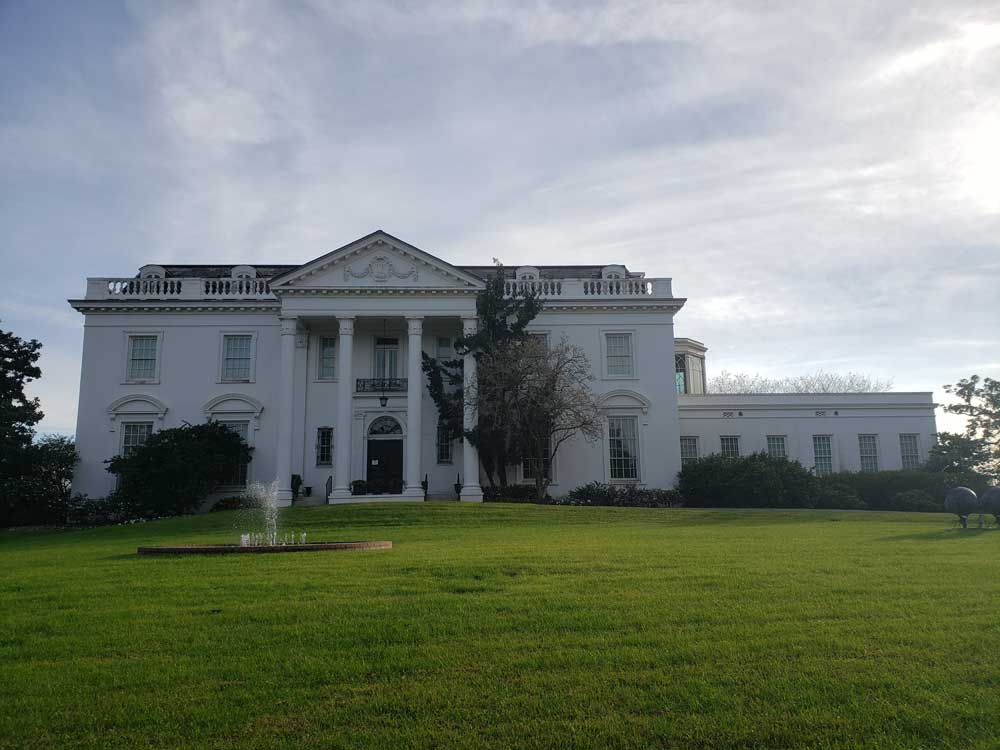
Old Louisiana State Capitol
Historic government building, and now a museum, built to both look like and function like a castle
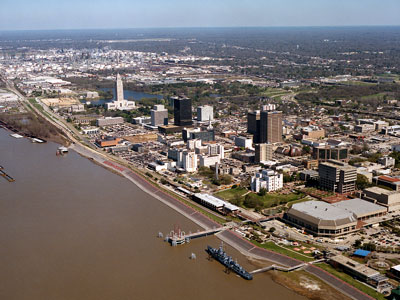
Michael Maples, U.S. Army Corps of Engineers, Public domain, via Wikimedia Commons; Image Size Adjusted

Riverfront Plaza
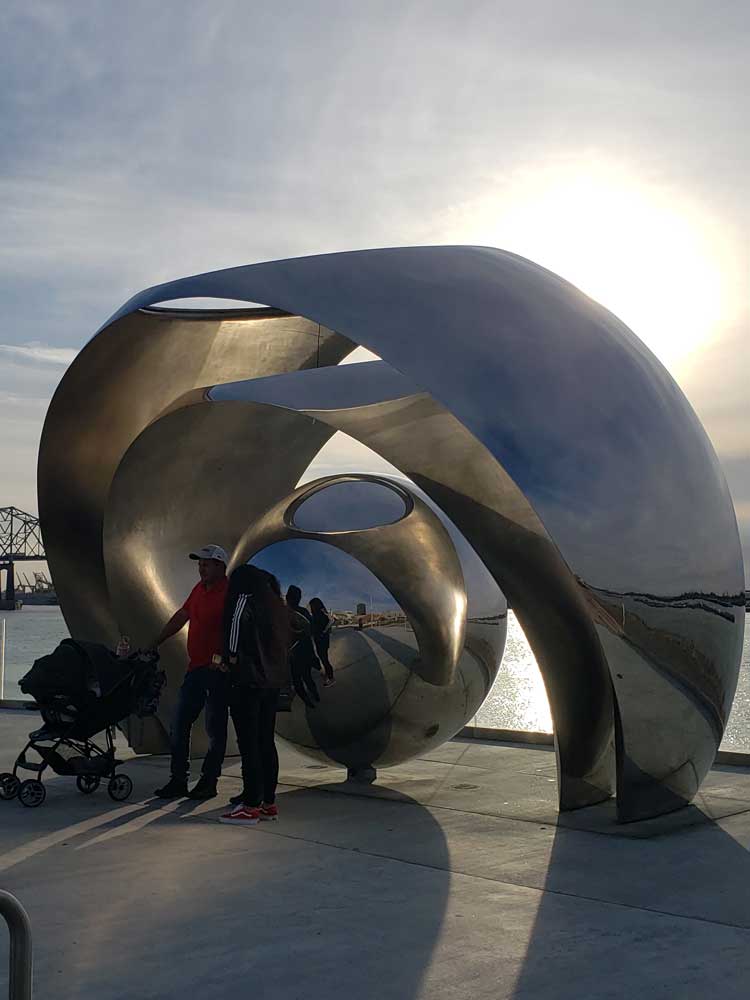
A riverside public space featuring landscaped walkways, event areas, river views, public art, and gathering spaces designed for recreation, community activities, and waterfront access.
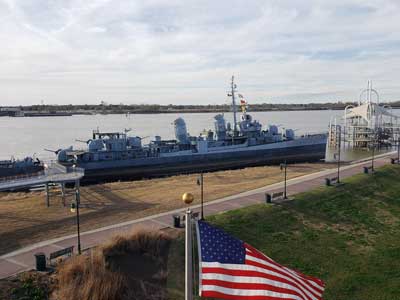
USS Kidd Veterans Memorial
Fletcher-class ship serving as a memorial for Louisiana World War II veterans
Overview
Baton Rouge is the capital of Louisiana, on the east bank of the Mississippi River in the south-central part of the state, and it is the second-largest city in Louisiana. It is known for the Louisiana State Capitol, the tallest state capitol in the country, for Louisiana State University and the LSU Tigers, and for its petrochemical industry along the river. The city blends the Cajun and Creole cultures of south Louisiana with the Southern traditions of the north, and its food, music, and festivals reflect both.
Visitors come to Baton Rouge for the Capitol and its observation deck, for the Old State Capitol, and for the battleship-era USS Kidd on the river. They also come for LSU football in Tiger Stadium, one of the loudest stadiums in college sports, for Cajun and Creole restaurants and festivals, and for nearby plantations and swamp tours, and it is about an hour from New Orleans and Lafayette.
History
The French explorer Pierre Le Moyne d'Iberville saw a red pole marking the boundary between the hunting grounds of two Native American tribes at this spot in 1699 and named the place "le bâton rouge," or "red stick." The French built a fort in the 1720s, and the area was later ruled by Britain and Spain before the West Florida Rebellion of 1810 and its incorporation into the United States. Baton Rouge became the state capital in 1849 and was occupied by Union forces in 1862 during the Civil War. In the 1930s, Governor and Senator Huey Long built the new Capitol, completed in 1932, and was assassinated there in 1935. The city grew with oil and chemical industries and with LSU.
Sightseeing and Popular Landmarks
The Louisiana State Capitol, a 450-foot Art Deco skyscraper, has an observation deck on the 27th floor with views of the Mississippi River and the city, and Huey Long's grave is in the gardens in front. The Old State Capitol is a Gothic Revival castle on a bluff over the river and now houses a museum of political history. The USS Kidd, a WWII destroyer, is open for tours next to the Louisiana Veterans Memorial Museum, and Riverfront Plaza and Galvez Plaza are downtown public spaces.
Culture and Museums
The Old State Capitol has exhibits on Louisiana politics, and the Louisiana State Museum and the Capitol Park Museum show the state's history and culture. The LSU Museum of Art, the Shaw Center for the Arts, and the LSU Rural Life Museum, an outdoor museum of Louisiana folk life, are other cultural sites. The USS Kidd Veterans Museum honors the military, and the Magnolia Mound Plantation shows life in French Creole Louisiana. The city hosts events such as the Baton Rouge Blues Festival and Mardi Gras parades.
Parks
Baton Rouge has many parks and lakes. City Park has lakes and walking trails near LSU, and the LSU Lakes, with oak trees and walking paths, are a local favorite. Bluebonnet Swamp Nature Center and the Baton Rouge Zoo offer nature experiences, and the Mississippi River levee has a walking and biking trail. The Atchafalaya Basin, with swamps and bayous, is a short drive to the west, and plantation homes along the river are popular day trips.
Seasons and Weather
Baton Rouge has a humid subtropical climate. Summers are hot and humid, with highs in the 90s°F, and winters are mild, with highs in the 60s°F and almost no snow. Fall is the most popular season, because of LSU football, and spring is pleasant. Hurricane season runs from June to November, and heavy rain and flooding can occur, as in August 2016.
This article uses material from Wikipedia as well as information from official tourism and institutional sources. Key references include Visit Baton Rouge, Louisiana State Capitol, Louisiana Office of Tourism, USS Kidd Veterans Museum, LSU Rural Life Museum, and National Weather Service New Orleans/Baton Rouge. Wikipedia material is from the article "Baton Rouge, Louisiana", and is available under the Creative Commons Attribution-Share-Alike License 3.0.