Historic estate offering guided tours of a 19th-century mansion, formal gardens, and exhibits honoring a prominent American statesman.
General Information
- Hours:
- March & December: Tuesday to Saturday, 10am to 4pm
April to November: Tuesday to Saturday, 10am to 4pm; Sunday, 1pm to 4pm
Closed Mondays, January, February, and major holidays - Fees:
-
Adults: $25
Seniors (62+), AAA, Military: $22
Students (6–18): $15
Children under 5: Free
Grounds-only admission: Free - Pet Policy:
- Pets are not allowed on the grounds or in buildings
- Seasons:
- Spring through Fall recommended for best garden and tour experiences
- Location:
- 120 Sycamore Rd, Lexington, KY 40502
- Website:
- henryclay.org
How to Get There
From downtown Lexington, take East Main Street southeast, turn right onto Sycamore Road, and follow signs to the estate entrance.
Overview
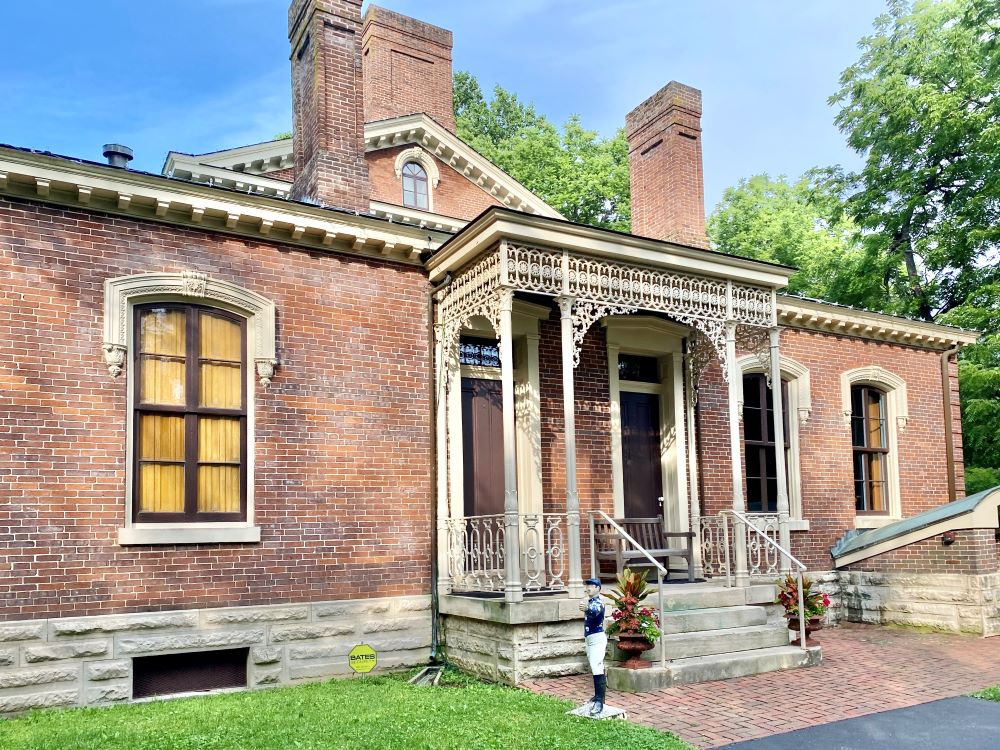
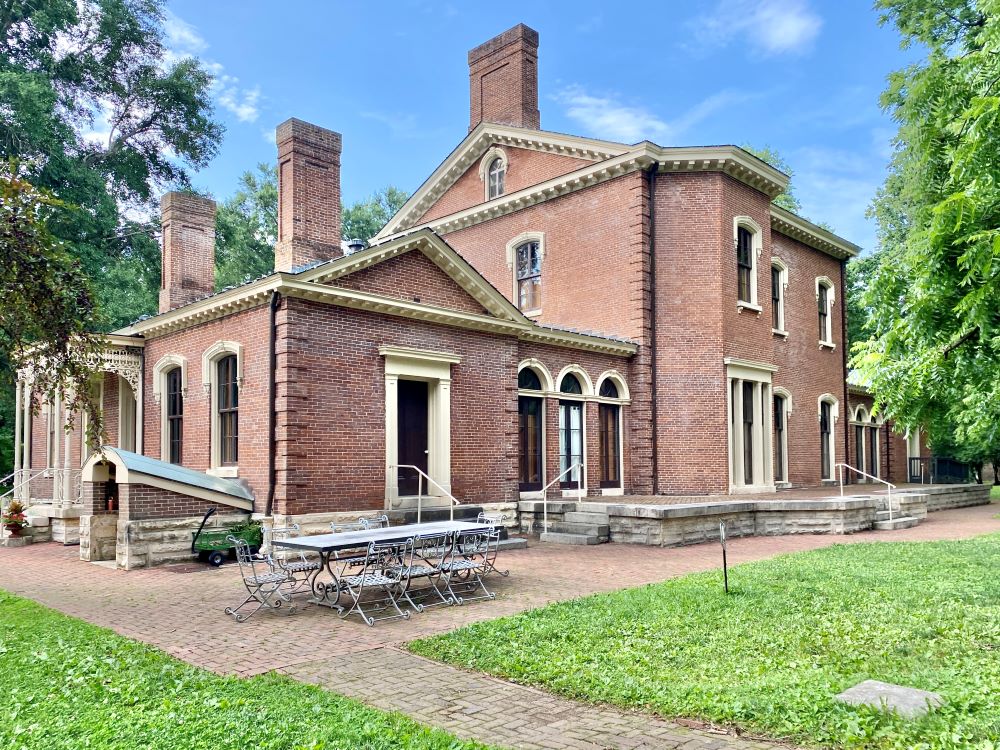
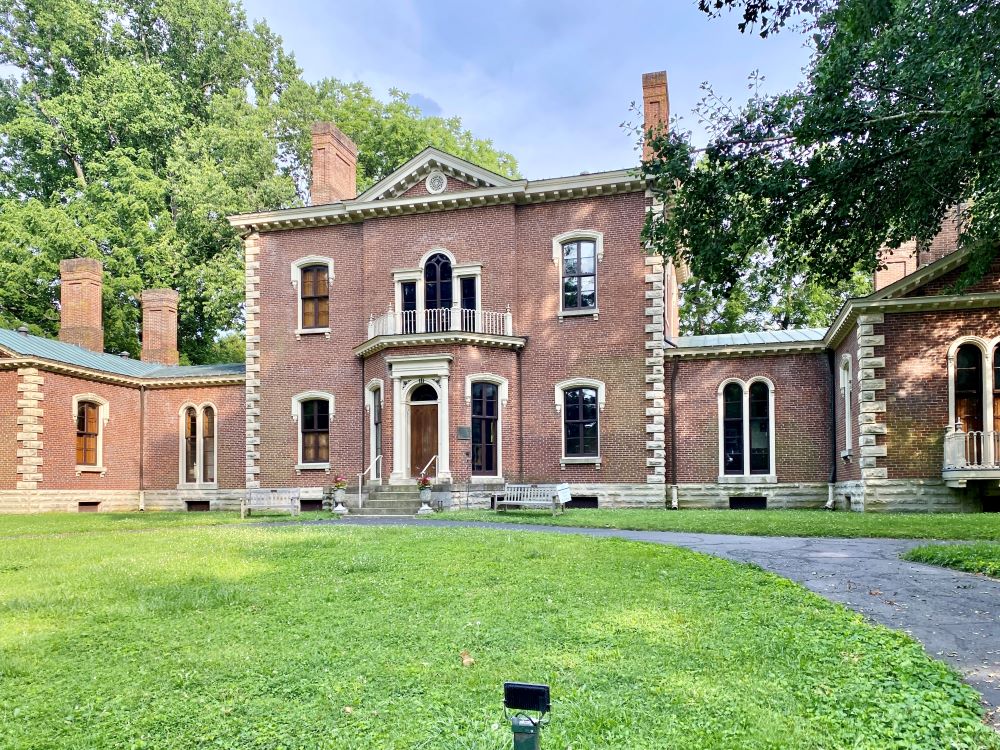
The Ashland Estate, once home to famed 19th-century statesman Henry Clay, stands as a preserved window into America’s antebellum past. Nestled on 17 acres of manicured grounds in Lexington, Kentucky, the estate features a stately mansion filled with original Clay family furnishings and artifacts. Visitors can explore the English parterre garden, stroll tree-lined paths, and take part in guided tours that delve into Clay’s political legacy, the lives of those enslaved at Ashland, and the estate’s evolution through generations of Clay descendants.
Designated a National Historic Landmark, Ashland has welcomed guests since becoming a museum in 1950. The estate offers a variety of themed tours, including the Signature Tour, Traces: Slavery at Ashland, and Women’s Voices. Beyond the mansion, the grounds host seasonal events, educational programs, and a museum store. Whether you're a history enthusiast or a casual traveler, Ashland provides a compelling and contemplative experience that connects visitors with the complexities of American history and the enduring legacy of Henry Clay.
History
Henry Clay, one of the most influential American statesmen of the 19th century, made Ashland his home from the early 1800s until his death in 1852. Known as the Great Compromiser, Clay served as Speaker of the House, secretary of state and U.S. senator. After his death, his son James rebuilt the deteriorating house on the original foundation in the 1850s, keeping much of the original plan. Clay's descendants lived on the estate until 1948, and it opened as a museum in 1950.
Tour Overview
The mansion can only be seen on a guided tour, while the grounds and gardens are free to explore on your own. The Signature Tour lasts about an hour and visits the main rooms of the house, which contain Clay family furnishings and artifacts, and specialty tours focus on topics such as slavery at Ashland and the women of the estate. Tickets can be purchased online or at the visitor center, and booking ahead is recommended on weekends. The tour includes stairs, and the museum is closed on Mondays and in January and February.
Things to Do
Tour the Mansion
Guided tours explore the home of Henry Clay.
Walk the Gardens
The formal garden and grounds are free to explore.
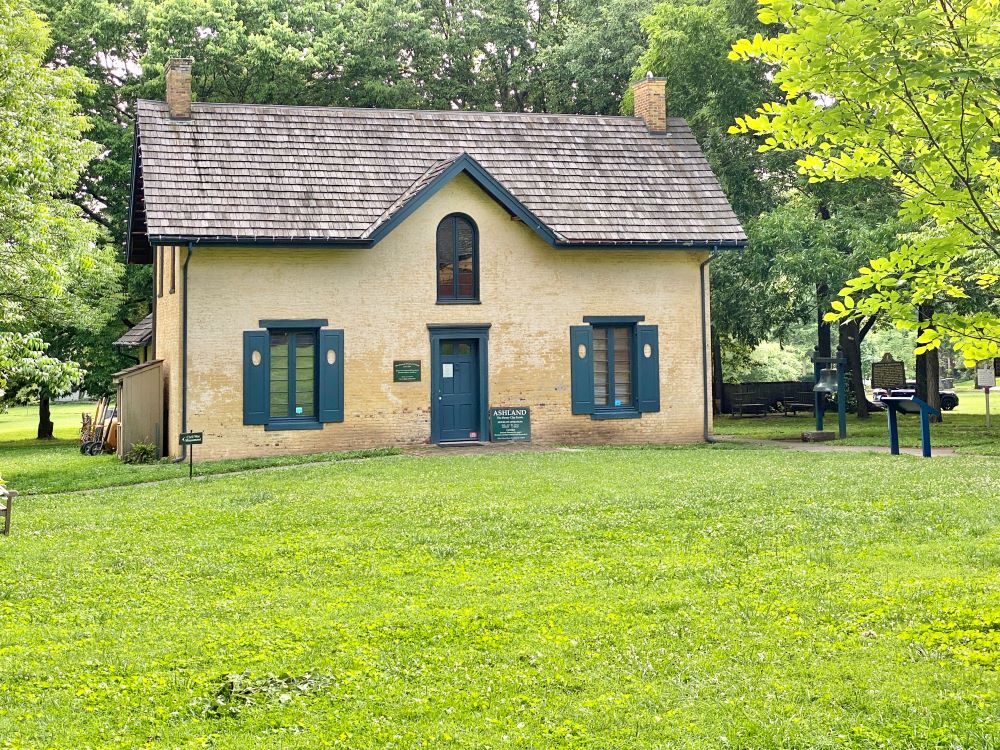
See the Outbuildings
The smokehouse and icehouses stand on the grounds.
Dine at the Café
The café serves lunch on the grounds.
This article uses material from the Wikipedia articles and official tourism pages for the Ashland, The Henry Clay Estate, which are released under the Creative Commons Attribution-Share-Alike License 3.0.