
Restored 19th-century military outpost featuring original buildings, interpretive exhibits, and reenactments that illustrate frontier life.
General Information
Visitor Center:
May 1 – Memorial Day: 8am to 5pm
Memorial Day – Labor Day: 8am to 6pm
Labor Day – September 30: 8am to 5pm
October 1 – April 30: 8am to 4pm
Closed Thanksgiving, Christmas, and New Year's Day
How to Get There
From Scottsbluff, NE (47 mi): Take US-26 W for approximately 45 miles, then turn right onto WY-160 W and follow signs to Fort Laramie National Historic Site.
Overview
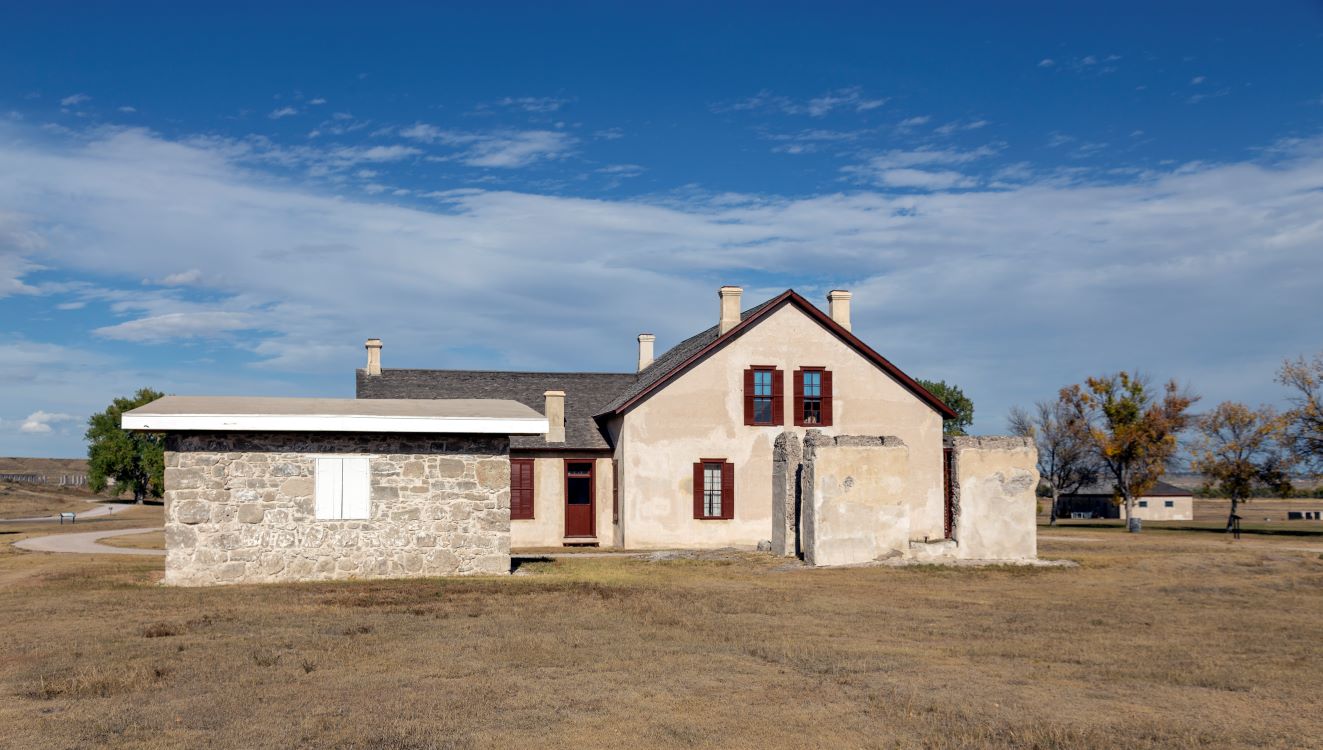
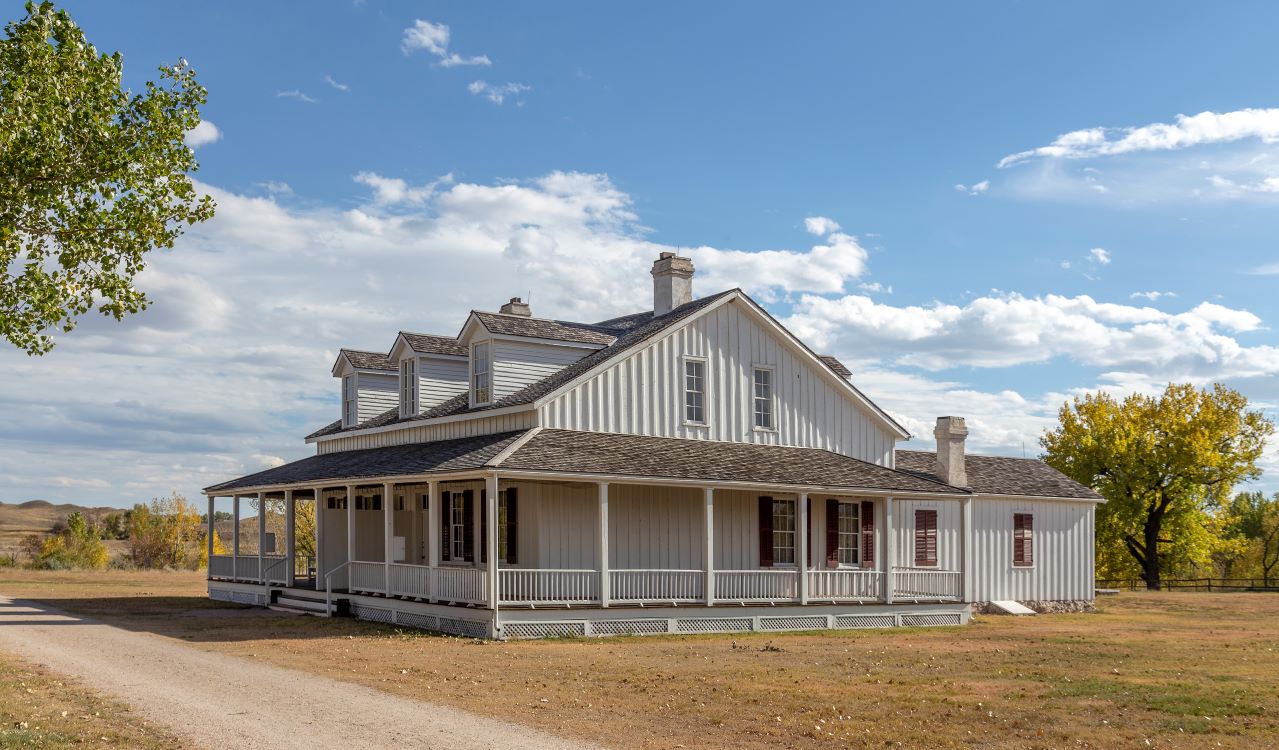
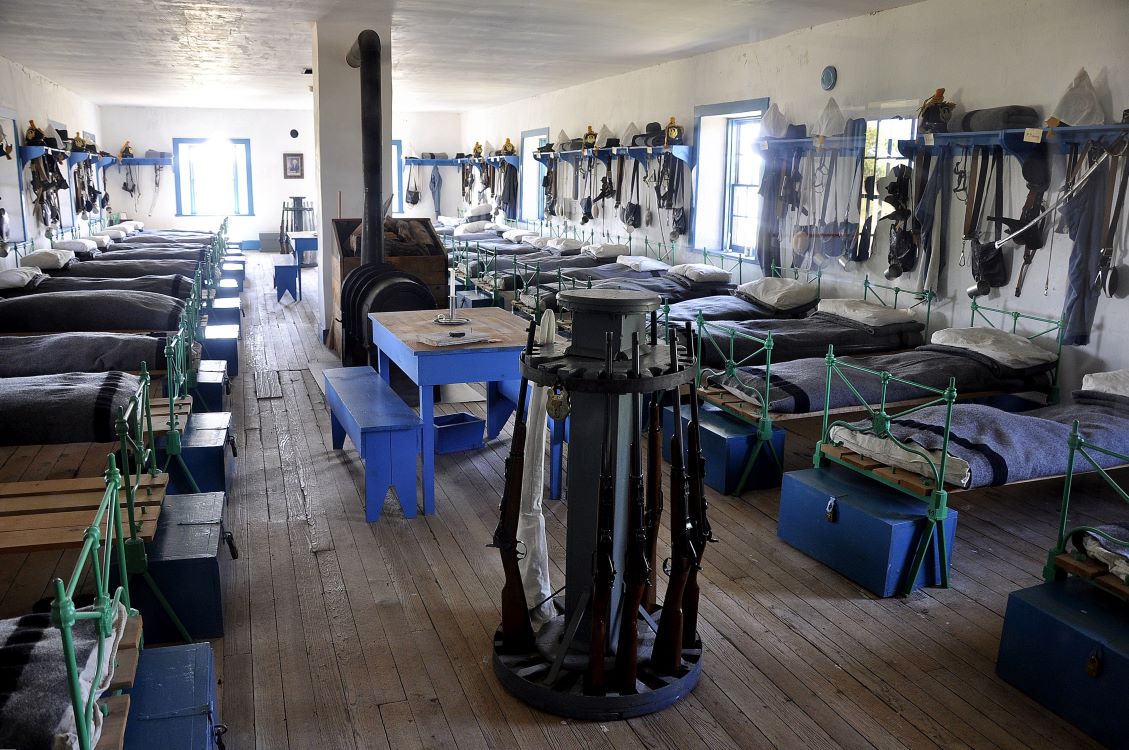
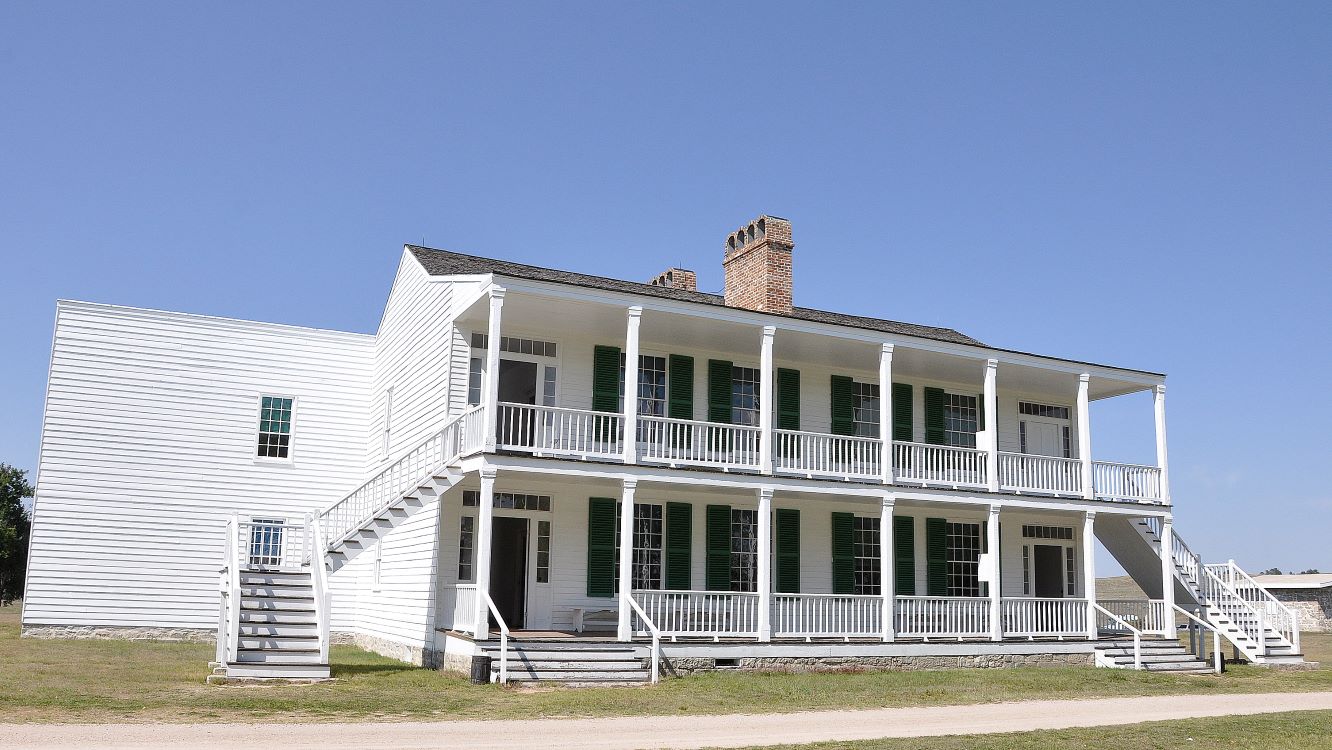
The Fort Laramie National Historic Site preserves one of the most significant military outposts of the American West. Originally established as a private fur trading post in 1834, it evolved into a major military installation that played a pivotal role in westward expansion, Native American relations, and the protection of emigrant trails such as the Oregon, California, and Mormon Trails. Visitors today can explore a variety of restored and reconstructed buildings, including officers' quarters, barracks, and the post hospital, all set against the scenic backdrop of the Wyoming plains.
Throughout the year, the site hosts living history events and interpretive programs that bring the 19th-century frontier experience to life. Rangers and volunteers in period attire demonstrate blacksmithing, cooking, and military drills, offering an immersive glimpse into daily life at the fort. With its rich historical significance and engaging educational opportunities, Fort Laramie offers a compelling destination for history enthusiasts and families alike.
Things to Do
Explore One of the Most Important Frontier Posts in the American West
Fort Laramie National Historic Site preserves a key location in the history of westward expansion, the fur trade, military operations, Native American relations, and overland migration. Originally established as a fur trading post in 1834, Fort Laramie later became the largest and most important military post on the Northern Plains before its abandonment in 1890.
Tour Historic Fort Buildings
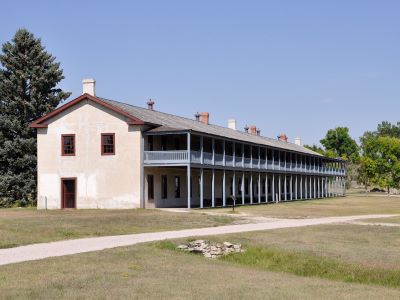
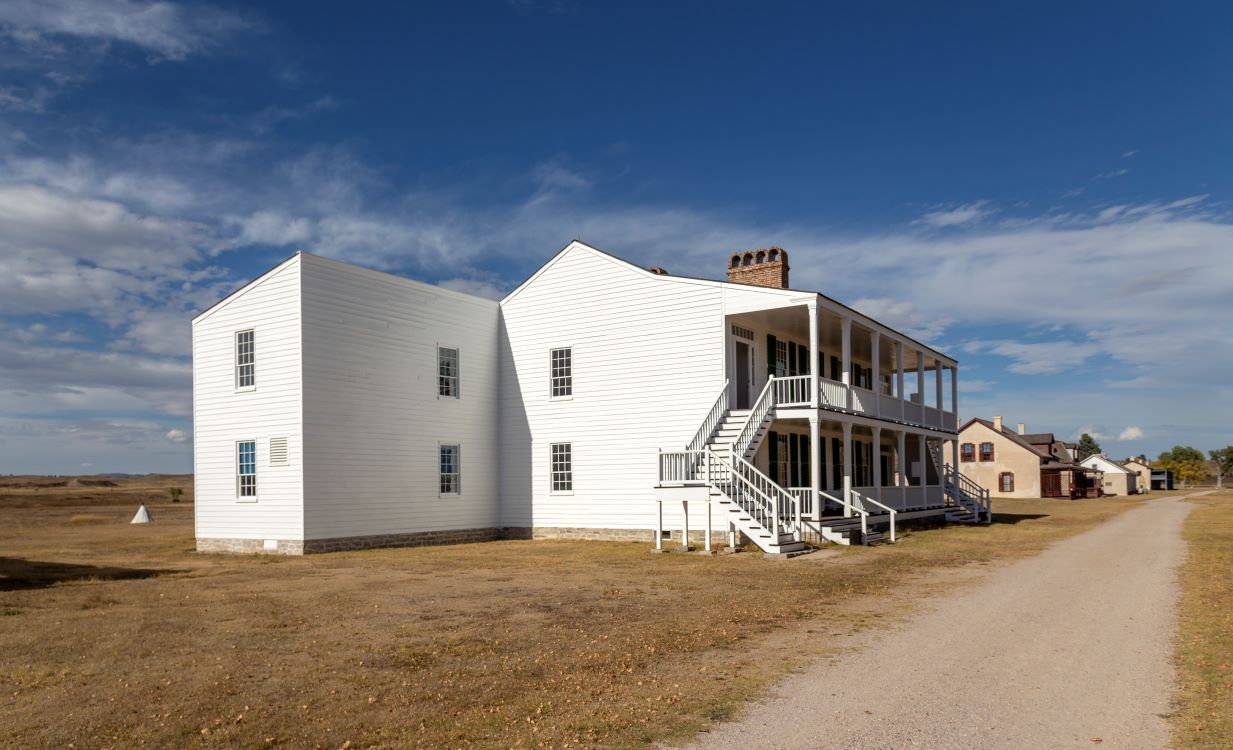
Visitors can explore numerous restored buildings and historic ruins throughout the site, including officers' quarters, barracks, the cavalry barracks, and Old Bedlam, the oldest surviving structure in Wyoming. The fort offers a rare opportunity to experience an authentic nineteenth-century frontier military post.
Visit the Visitor Center and Museum
The Visitor Center features exhibits, artifacts, educational displays, and a bookstore that provide insight into the fort's history, Native American relations, the Oregon Trail, military life, and western migration.
Attend Ranger Programs
Seasonal ranger-led programs explore major themes in Fort Laramie's history and provide visitors with a deeper understanding of the site's role in westward expansion. Programs are offered at various locations throughout the fort grounds.
Experience Living History Demonstrations
During the summer season, costumed interpreters throughout the park demonstrate aspects of nineteenth-century military and civilian life. Visitors can interact with living historians and gain a better understanding of daily life at the fort.
Watch Black Powder Demonstrations
On select weekends during the summer, visitors may attend black powder programs featuring demonstrations of historic firearms and artillery used during Fort Laramie's operational years.
Learn About the Oregon, California, and Mormon Trails
Fort Laramie served as a vital stop for thousands of emigrants traveling west. Interpretive exhibits and historic landmarks throughout the site tell the story of the pioneers, traders, soldiers, and Native peoples who passed through this important crossroads of the American frontier.
Top Trails
Confluence Trail
Length: Approximately 1.6 miles loop
Elevation Gain: Minimal
Difficulty: Easy
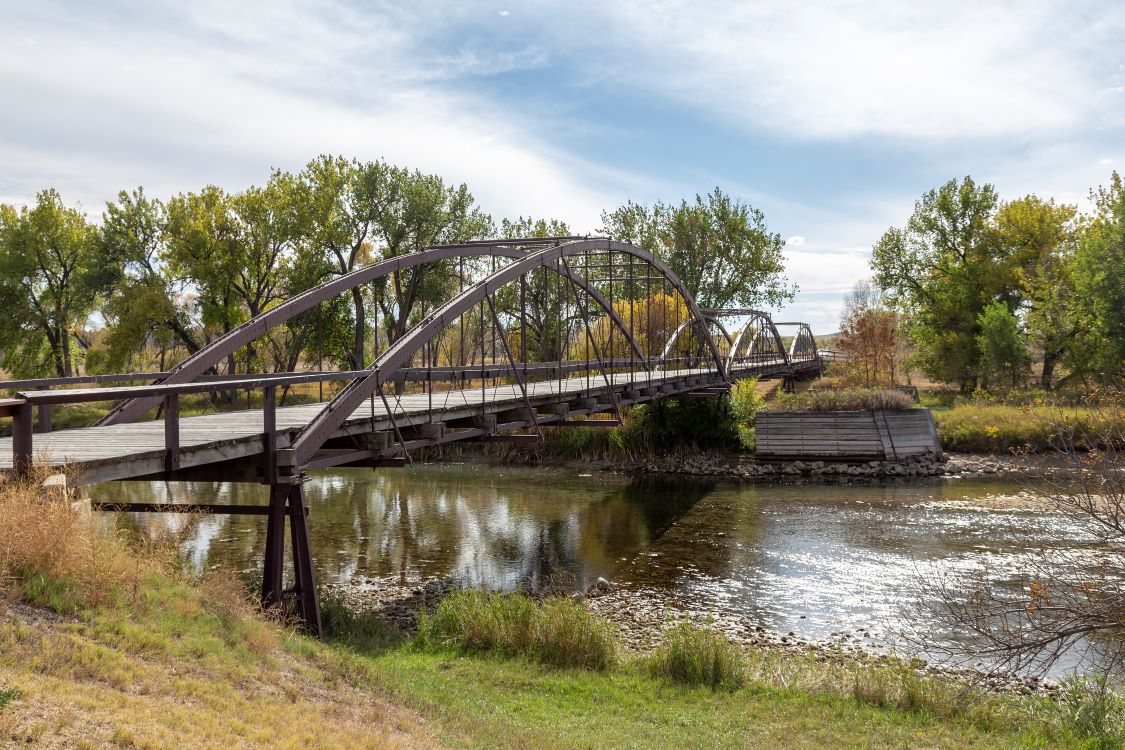
The park's signature trail follows a lasso-shaped route from the Old Army Bridge parking area to the confluence of the Laramie and North Platte Rivers. Interpretive exhibits explain the history of river crossings, transportation routes, and Fort Laramie's role in western migration. Visitors also pass through a mature cottonwood and willow forest.
Historic Fort Walking Paths
Length: Varies
Elevation Gain: Minimal
Difficulty: Easy
A network of walking paths connects the fort's restored buildings, historic ruins, museums, and interpretive exhibits. These routes provide a self-guided way to explore the fort's history and architecture.
River Access Trail
Length: Short walking route
Elevation Gain: Minimal
Difficulty: Easy
This route leads visitors to views of the Laramie River and surrounding riparian habitat. Interpretive information helps explain the importance of local waterways to trade, transportation, and military operations.
Historic Grounds Loop
Length: Approximately 1 to 2 miles depending on route
Elevation Gain: Minimal
Difficulty: Easy
Visitors can combine the fort's pathways into a leisurely walking tour featuring historic buildings, parade grounds, museums, monuments, and numerous interpretive stops that bring the frontier era to life.
Sources: National Park Service official Fort Laramie National Historic Site information covering historic buildings, ranger programs, visitor activities, living history demonstrations, black powder programs, and interpretive exhibits.
Fort Laramie National Historic Site - Things To Do
Official National Park Service outdoor recreation and trail information including the Confluence Trail, walking paths, ranger programs, living history activities, and visitor guidance.
Fort Laramie National Historic Site - Outdoor Activities
Additional historical context regarding Fort Laramie's role in the fur trade, military history, westward expansion, and the Oregon Trail.
https://www.nps.gov/fola/index.htmFort Laramie National Historic Site
This article uses material from the Wikipedia articles and official tourism pages for the Fort Laramie National Historic Site, which are released under the https://creativecommons.org/licenses/by-sa/3.0/.
.jpg)

.jpg)