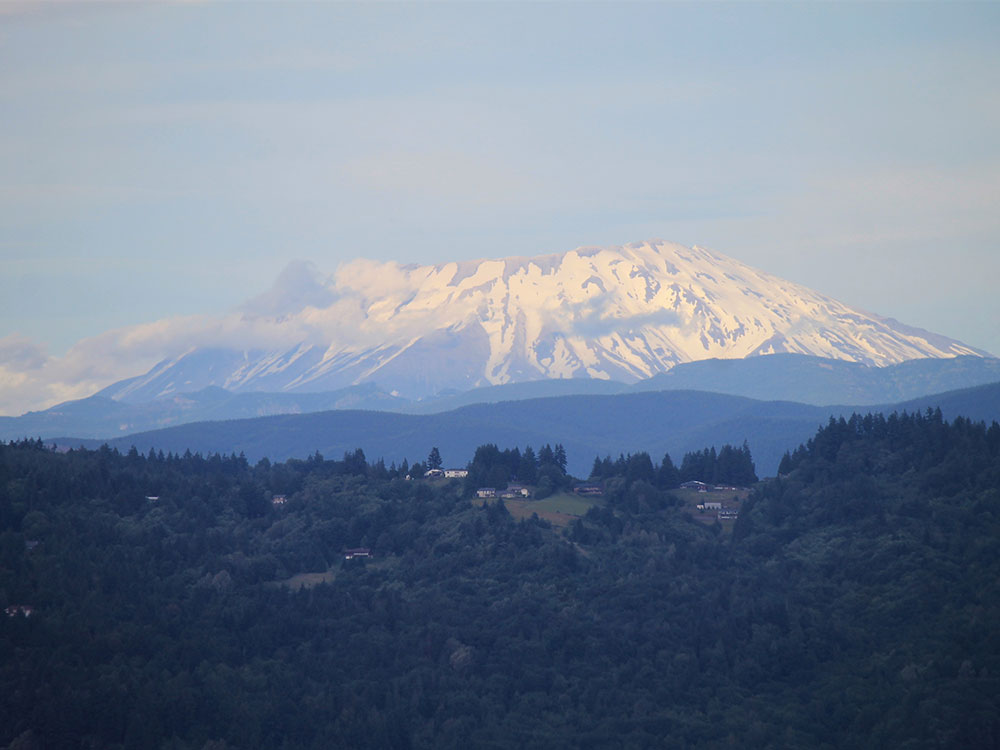
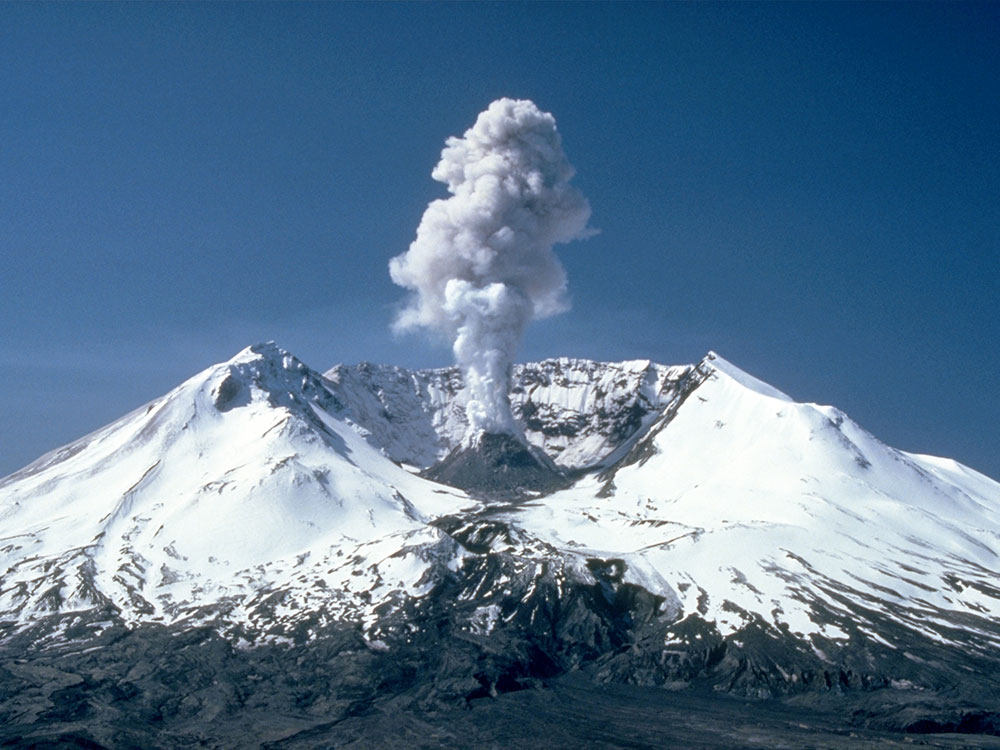
Best known as the site of the historic 1980 volcanic eruption and offers a variety of recreation opportunities, including the chance to climb to the summit.
General Information
- Hours:
-
Mount St. Helens Visitor Center
ALERT: The Mount St. Helens Visitor Center is closed at this time for construction and renovation.
- March 1 to May 15: open daily 9am to 4pm
- May 16 to Sept. 15: open daily 9am to 5pm
- Sept. 16 to Oct. 31: open daily 9am to 4pm
- Nov. 1 to Feb. 28: open Thursday through Monday 9am to 4pm
- The center is closed in observance of the following holidays: New Year's Day, Martin Luther King Jr. Day, Presidents' Day, Veterans Day, Thanksgiving, and the Friday after Christmas
Johnston Ridge Observatory
ALERT: Area Status Closed
- Fees:
-
Mount St. Helens Visitor Center at Silver Lake:
- Ages 6 and younger: Free
- Ages 7 to 17: $2.50
- Ages 18 and older: $5
- Family: $15 (two adults plus accompanying children)
Johnston Ridge Observatory: No fees
Crater climbing permits are $22/person May 15 though October 31st, a climbing quota is in effect with a limit of 100 climbers per day.
- Pet Policy:
- No pets allowed
- Closest cities with hotels:
- Kelso, 61 miles
- Seasons:
- Open all year though trail typically with snow and ice Novemebr to April
How to Get There
To Mount St Helens Visitor Center (116 miles): Follow I-5 S to Huntington Ave N in Cowlitz County. Take exit 49 from I-5 S. Follow WA-504 E to vsitor center.
To Johnston Ridge Observatory (155 miles): Follow I-5 S to WA-505 E in Lewis County. Take exit 63 from I-5 S. Drive to WA-504 E in Cougar.
Overview
Mount St. Helens National Volcanic Monument protects about 110,000 acres around the volcano that erupted explosively on May 18, 1980, in the deadliest and most economically destructive volcanic event in U.S. history. The blast flattened forests, filled valleys with debris and killed 57 people, and the monument, created by Congress in 1982, is now a living laboratory for the study of ecological recovery. Visitors can see the crater, blown-down forests, lava tubes, lakes and recovering wildlife. People come for views of the volcano, hiking, climbing, geology and the story of one of North America's most significant eruptions.
Access
The monument is in southwestern Washington, about 50 miles east of Castle Rock and about 2 hours from both Portland and Seattle. Most visitors take WA-504, the Spirit Lake Memorial Highway, east from I-5 to the Coldwater Lake and Johnston Ridge areas, or WA-503 and Forest Road 90 to the south side for Ape Cave and Climber's Bivouac. The east side is reached by Forest Road 99 to Windy Ridge. Roads are paved but can be closed by snow or damage, and some areas may be closed, so check the Forest Service website.
Seasons
The monument is open year-round, but access varies. Summer is the main season for the high roads and visitor centers, with wildflowers in July and August. Spring and fall bring changing weather, and snow typically closes high roads such as Windy Ridge from late fall to late spring. Winter is a time for snowshoeing and skiing on the lower slopes. Climbing permits are required for the summit, and hazards from the volcano or from landslides can close areas. Some facilities have been closed for repairs, so check current status.
Things to Do
See the Crater and Blast Zone
Mount St. Helens National Volcanic Monument offers views into the crater and across the blast zone from Johnston Ridge and Windy Ridge. The scale of the destruction and recovery is striking.
Visit the Visitor Centers
Exhibits and films at the monument's centers, such as Johnston Ridge Observatory and Coldwater Lake, explain the eruption and recovery. Hours and status vary, so check ahead.
Hike the Pumice Plain and Hummocks
Trails cross the debris avalanche and blast zone, with views of the mountain. Interpretive signs describe the geology and ecology.
Explore Ape Cave
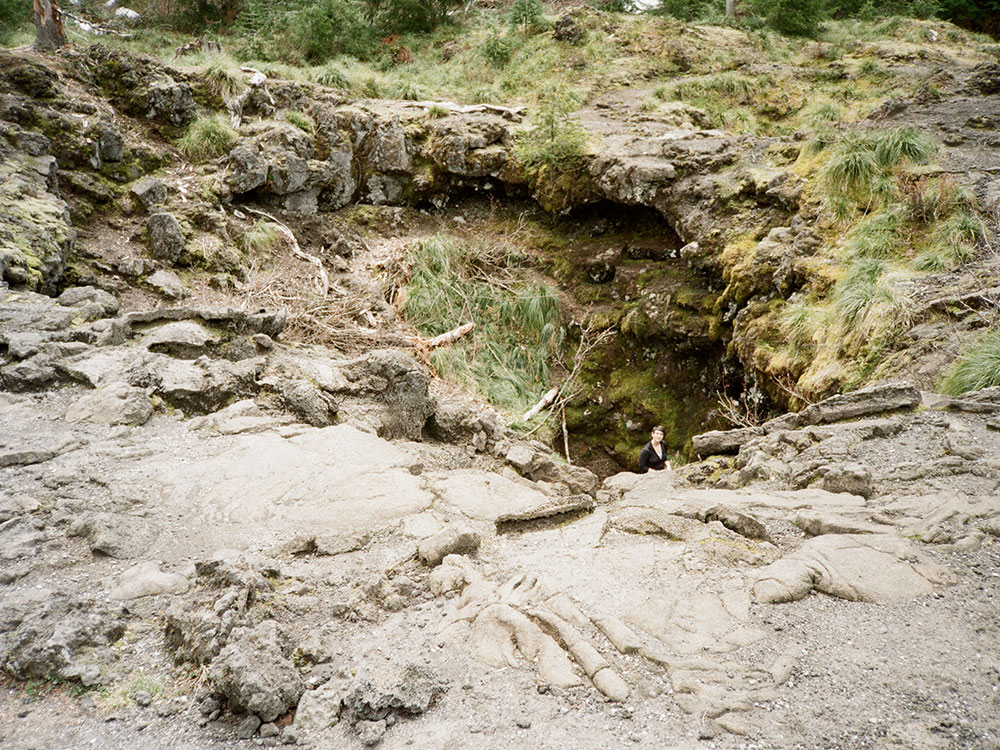
This long lava tube on the south side is among the longest in North America. Visitors can walk the lower or upper route with lights and warm clothes.
Climb the Volcano
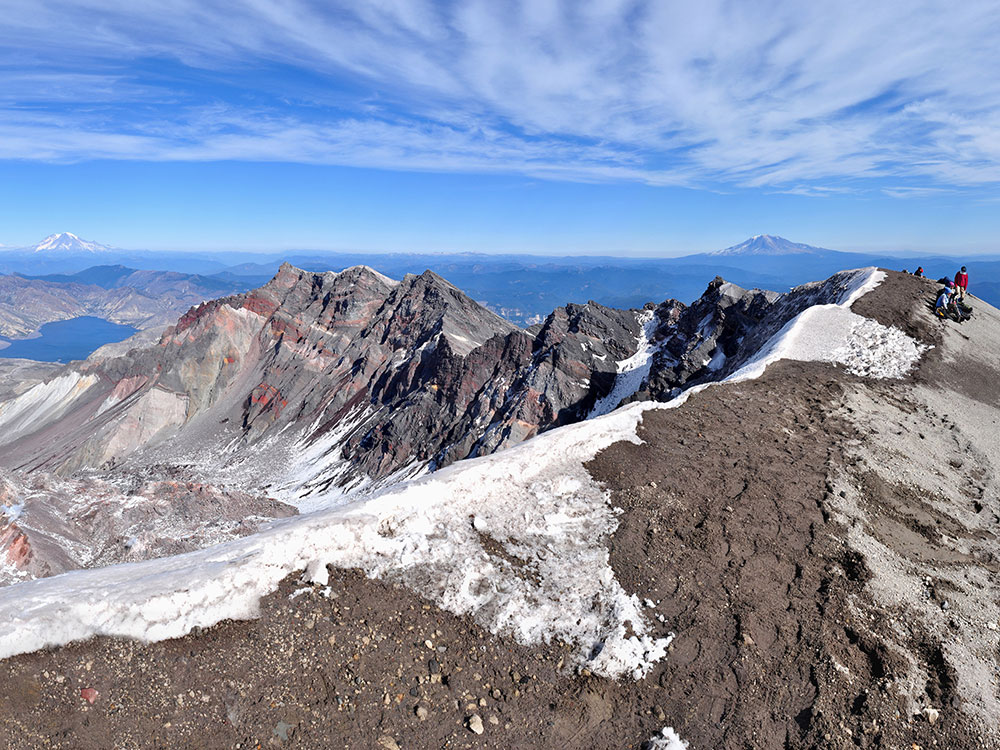
Climbers can reach the crater rim by the Monitor Ridge route with a permit. It is a strenuous, all-day climb.
Top Trails
Hummocks Trail
Length: Approximately 2.3 miles loop
Elevation Gain: Minimal
Difficulty: Easy
This loop crosses the debris avalanche deposit, with small hills and ponds and views of the mountain. It is an easy introduction to the blast zone.
Harry's Ridge Trail
Length: Approximately 8 miles round trip
Elevation Gain: Approximately 1,000 feet
Difficulty: Moderate
This ridge trail from Johnston Ridge offers views into the crater and over Spirit Lake. It is exposed and best on a clear day.
Ape Cave Lower Route
Length: Approximately 1.5 miles round trip
Elevation Gain: Minimal
Difficulty: Easy
A walk through the lower lava tube is cool and dark. Bring two light sources and a jacket.
Monitor Ridge Climbing Route
Length: Approximately 10 miles round trip
Elevation Gain: Approximately 4,500 feet
Difficulty: Strenuous
The standard summit route climbs rock and ash to the crater rim. A climbing permit is required and conditions can be hazardous.
Visitor Centers
The monument has several visitor facilities, including the Mount St. Helens Visitor Center near Silver Lake, the Coldwater Science and Learning Center and the Johnston Ridge Observatory on WA-504. Some facilities have been closed for renovation or road damage, and hours vary seasonally. Rangers provide maps, climbing permit information and exhibits. Check the Gifford Pinchot National Forest website for current status.
Camping and Lodging
Campgrounds on the monument include Iron Creek, Cougar and Lower Falls, with tent and RV sites, and Seaquest State Park near Silver Lake offers camping close to the visitor center. Lodging is found in Castle Rock, Kelso and Longview, 30 to 60 minutes west, with chain hotels, and in Cougar, on the south side, which has cabins such as Lone Fir Resort. Randle on the east side has motels and cabins, and Portland and Vancouver, about 1.5 to 2 hours away, offer a full range of lodging. Check each property's website for current availability.
This article uses material from the Wikipedia article and official pages for Mount St. Helens National Volcanic Monument, U.S. Forest Service: Mount St. Helens National Volcanic Monument, released under the Creative Commons Attribution-Share-Alike License 3.0.