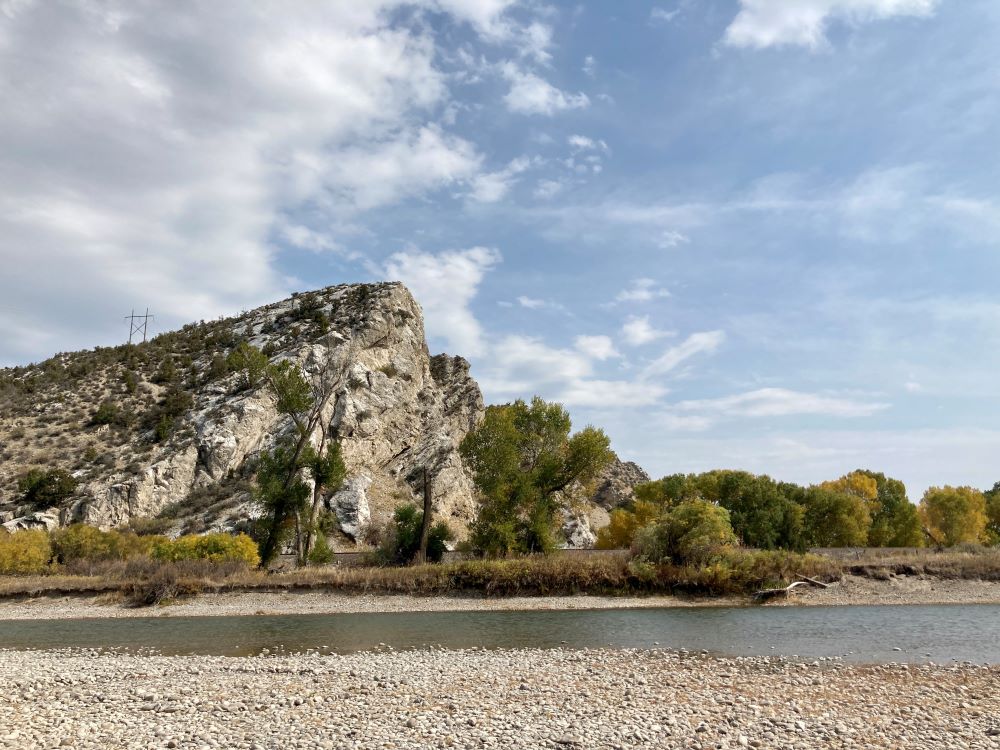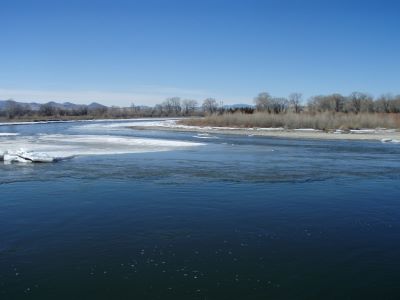

Prominent sandstone formation overlooking the Missouri River corridor and preserving a landmark recognized by Native peoples, explorers, and westward-bound travelers for centuries.
How to Get There
From Great Falls (35 mi): Take I-15 S toward Cascade, use Exit 247 near the Missouri River corridor, and follow local access roads and signs leading to Tower Rock State Park.
Overview
Tower Rock State Park preserves one of the most recognizable natural landmarks along the historic route followed by the Lewis and Clark Expedition. Rising dramatically above the surrounding landscape, the striking sandstone monolith was described by Meriwether Lewis in 1805 during the Corps of Discovery's journey through what is now Montana. The formation had long served as an important landmark for Native American tribes traveling through the Missouri River valley and later became a familiar sight for explorers, traders, and emigrants moving across the northern Great Plains. Today, visitors can experience the same remarkable geological feature that captured the attention of travelers more than two centuries ago.
A short trail leads through scenic terrain to viewpoints beneath the towering rock formation, offering excellent opportunities for photography, wildlife observation, and historical reflection. Interpretive information helps explain the site's geological origins as well as its significance within the broader story of exploration in the American West. Surrounded by rugged landscapes and the Missouri River corridor, the park combines natural beauty with historical importance, making it a rewarding stop for travelers interested in the legacy of the Lewis and Clark Expedition and Montana's frontier heritage.
This article uses material from the Wikipedia articles and official tourism pages for the https://fwp.mt.gov/stateparks/tower-rockTower Rock State Park, which are released under the Creative Commons Attribution-Share-Alike License 3.0.