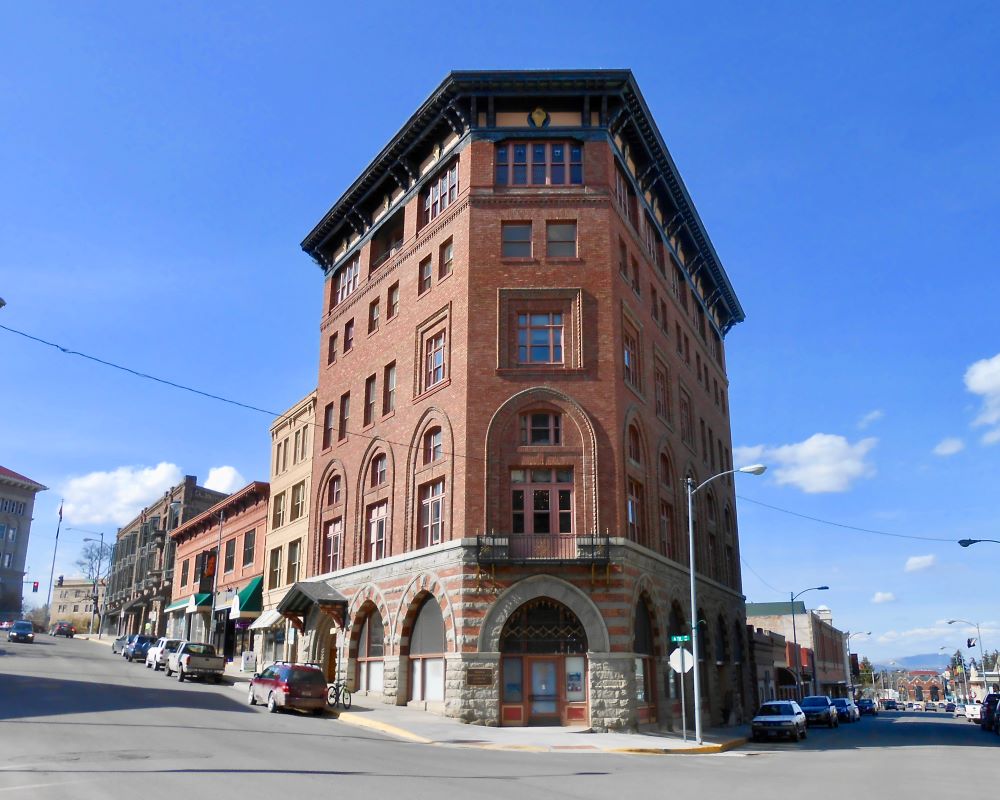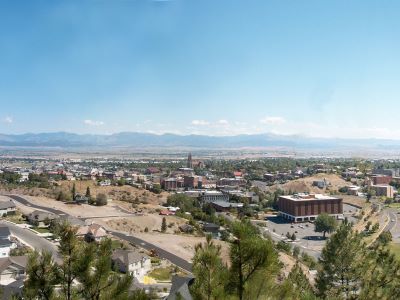
Historic state capital city known for its gold rush heritage, Victorian architecture, mountain scenery, outdoor recreation, and significant role in Montana's political and cultural history.
General Information
- Hours:
- Open year-round
Businesses, museums, government facilities, and attractions operate on varying schedules - Fees:
-
No admission fee to visit the city
Individual attractions, museums, tours, and recreation areas may charge separate fees - Pet Policy:
- Pets are allowed in public outdoor areas when leashed; policies vary by business, attraction, and lodging property
- Closest cities with hotels:
- Helena (0 mi)
- Seasons:
- All year; summer is ideal for outdoor recreation, while fall offers mild weather and colorful scenery
- Location:
- Helena, MT 59601
- Website:
- helenamt.com
How to Get There
From Bozeman (97 mi): Take I-90 west to US-287 north, connect with I-15 north, and continue into Helena in the heart of western Montana.
Overview
Helena is the capital of Montana, in the Prickly Pear Valley of west-central Montana, at the foot of the Rocky Mountains, and it was founded in 1864 after the discovery of gold at Last Chance Gulch. It is known for its Gothic cathedral, its Victorian mansions built on gold money, and the Montana State Capitol, which has paintings by Charles M. Russell. The city is also near the Missouri River's scenic Gates of the Mountains and has access to hiking, fishing, and skiing.
Visitors come to Helena for the State Capitol, the Cathedral of Saint Helena, and the Montana Heritage Center. They also come for Last Chance Gulch, with its downtown pedestrian mall, for Reeder's Alley, and for boat tours of the Gates of the Mountains.
History
On July 14, 1864, four prospectors known as the "Four Georgians" struck gold in a gulch they called Last Chance, and a boomtown of miners sprang up. The camp was named Helena, probably for Helena, Minnesota, and became the territorial capital in 1875 and the state capital in 1894. Placer mining produced about $19 million in gold in the first years, and in the 1880s, Helena was said to have more millionaires per capita than any other city in the world. A series of fires and an earthquake in 1935 damaged the downtown, but many Victorian buildings survived.
Sightseeing and Popular Landmarks
The Montana State Capitol, completed in 1902, has a copper dome and a collection of western art, including Russell's huge painting Lewis and Clark Meeting the Flathead Indians at Ross' Hole. The Cathedral of Saint Helena, a Gothic Revival church modeled after the Votivkirche in Vienna, has twin spires and stained glass, and Last Chance Gulch is a downtown pedestrian mall following the original gold-bearing creek. Reeder's Alley, built in 1875 for miners, is a historic row of stone buildings, and Acropolis Crest is a hillside viewpoint.
Culture and Museums
The Montana Historical Society's Heritage Center has a large collection of Western art, including Russell's work, and exhibits on Montana's history. The Original Governor's Mansion, a Queen Anne house from 1888, the Holter Museum of Art, and the Archie Bray Foundation for the Ceramic Arts are other attractions. The Helena Symphony and the Myrna Loy Center host performances, and the Last Chance Tour Train takes visitors around the historic districts.
Parks
Mount Helena City Park has trails to a summit with views, and the Gates of the Mountains Wilderness, on the Missouri River, can be seen on boat tours that follow the route Lewis and Clark took. Spring Meadow Lake State Park, Hauser Lake, and Canyon Ferry Lake offer boating and fishing, and the Continental Divide Trail passes close to town. Great Northern Town Center and the Great Northern Carousel are in the city.
Seasons and Weather
Helena has a semi-arid continental climate. Summers are warm and dry, with highs in the 80s°F, and winters are cold, with highs in the 20s and 30s°F and about 45 inches of snow, with chinook winds common. Spring and fall are pleasant but short.
This article uses material from Wikipedia as well as information from official tourism and institutional sources. Key references include Visit Helena, Montana Historical Society, Montana State Capitol, Montana Office of Tourism, and National Weather Service Missoula. Wikipedia material is from the article "Helena, Montana", and is available under the Creative Commons Attribution-Share-Alike License 3.0.
Featured Locations
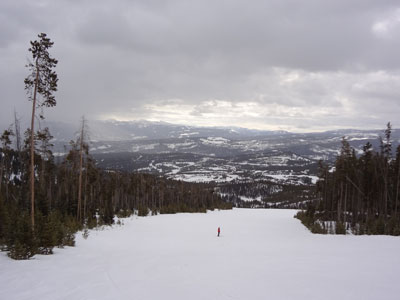
Lambchop22, CC BY-SA 3.0, via Wikimedia Commons; Image Size Adjusted
Acropolis Crest
Scenic overlook atop a rocky ridge offering panoramic views of Helena Valley, surrounding mountains, and access to nearby hiking trails.

Jeff P from Berkeley, CA, USA, CC BY 2.0, via Wikimedia Commons; Image Size Adjusted
Cathedral of Saint Helena
Gothic Revival cathedral renowned for its soaring twin spires, stained-glass windows, religious artwork, and architectural beauty inspired by European cathedrals.
Lambchop22, CC BY-SA 3.0, via Wikimedia Commons; Image Size Adjusted
Montana Heritage Center
State history museum featuring immersive exhibitions, fine art, historical artifacts, archival collections, and interactive displays that tell the stories of Montana's people, cultures, and landscapes.
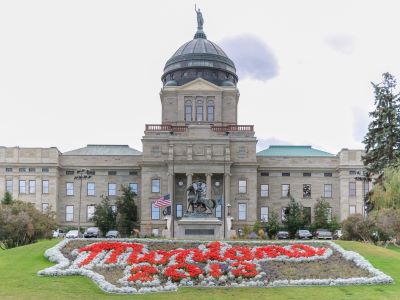
Jeff P from Berkeley, CA, USA, CC BY 2.0, via Wikimedia Commons; Image Size Adjusted
Montana State Capitol
Beaux-Arts style government building featuring a copper dome, historic murals, and legislative chambers open to the public for tours and civic events.
Lambchop22, CC BY-SA 3.0, via Wikimedia Commons; Image Size Adjusted
North Last Chance Gulch
Pedestrian-friendly historic district lined with shops, restaurants, public art, and preserved architecture reflecting Helena’s gold rush heritage.
Lambchop22, CC BY-SA 3.0, via Wikimedia Commons; Image Size Adjusted
Reeder's Alley
Historic brick and stone buildings dating to the 1860s, preserved as a pedestrian alleyway showcasing early frontier architecture and local heritage.