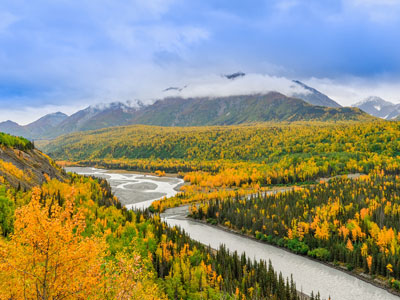
Anchorage and Matanuska Susitna Valley Travel Guide
Region that offers a unique blend of urban amenities and stunning natural landscapes. Anchorage, the largest city in Alaska, serves as a gateway to the wilderness, while the Matanuska Susitna Valley is known for its breathtaking scenery, outdoor recreational opportunities, and rich cultural heritage. Visitors can explore the vibrant city life of Anchorage, with its museums, restaurants, and shops, before venturing into the valley to experience activities such as hiking, fishing, and wildlife viewing amidst the backdrop of majestic mountains and glaciers.
Places to See in Anchorage and Matanuska Susitna Valley

Jeff P from Berkeley, CA, USA, CC BY 2.0, via Wikimedia Commons; Image Size Adjusted

Alaska Native Heritage Center
Interactive cultural center featuring exhibits, performances, and life-sized village sites that share the traditions, history, and living heritage of Indigenous peoples.
Frank Kovalchek from Anchorage, Alaska, USA, CC BY 2.0, via Wikimedia Commons; Image Size Adjusted

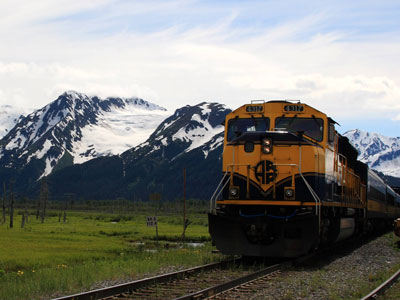
Alaska Railroad
Long-distance passenger rail system offering scenic journeys through mountains, glaciers, forests, and remote wilderness with panoramic views and onboard amenities.
Frank Kovalchek from Anchorage, Alaska, USA, CC BY 2.0, via Wikimedia Commons; Image Size Adjusted
Alyeska Aerial Tram
Scenic aerial tramway ascending from a mountain resort to a high alpine observation area with panoramic views of glaciers, mountains, forests, and coastal waterways.
Frank Kovalchek from Anchorage, Alaska, USA, CC BY 2.0, via Wikimedia Commons; Image Size Adjusted
Alyeska Resort
Year-round mountain resort offering luxury accommodations, outdoor adventure, fine dining, alpine recreation, and remarkable views of glaciers, forests, and surrounding peaks.
Frank Kovalchek from Anchorage, Alaska, USA, CC BY 2.0, via Wikimedia Commons; Image Size Adjusted
Anchorage
Major urban center that combines modern amenities, cultural institutions, outdoor recreation, and access to expansive wilderness landscapes.
Diego Delso, CC BY-SA 4.0, via Wikimedia Commons; Image Size Adjusted

April Bowl Trail
4.8 miles roundtrip, 2,000 feet elevation gain, Strenuous
Alpine hiking route climbing through mountain terrain to a scenic bowl surrounded by rugged peaks, seasonal wildflowers, and expansive views of glaciers and coastal landscapes.
Frank Kovalchek from Anchorage, Alaska, USA, CC BY 2.0, via Wikimedia Commons; Image Size Adjusted
Beluga Point
Scenic coastal overlook featuring panoramic inlet views, wildlife observation opportunities, interpretive displays, and one of the most accessible vantage points for experiencing Alaska's dramatic tidal landscape.
Diego Delso, CC BY-SA 4.0, via Wikimedia Commons; Image Size Adjusted
Chugach State Park
Expansive wilderness park featuring mountains, glaciers, lakes, and hundreds of miles of trails for hiking, wildlife viewing, and outdoor recreation.
Frank Kovalchek from Anchorage, Alaska, USA, CC BY 2.0, via Wikimedia Commons; Image Size Adjusted
Girdwood
Mountain community surrounded by glaciers, forests, and rugged peaks that serves as a gateway to outdoor adventure, scenic recreation, and year-round alpine experiences.
Diego Delso, CC BY-SA 4.0, via Wikimedia Commons; Image Size Adjusted
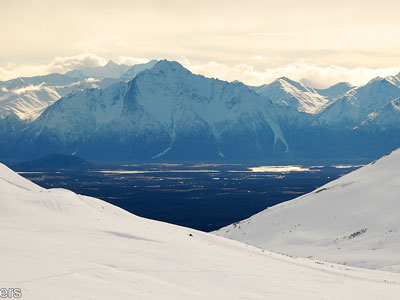
Gold Cord Lake Trail
2 miles roundtrip, 450 feet elevation gain, Moderate
Short alpine hiking trail leading to a striking mountain lake surrounded by steep rocky slopes, historic mining remnants, and expansive high-country scenery.
Cecil Sanders, CC BY 2.0, via Wikimedia Commons; Image Size Adjusted

Hatcher Pass
Scenic alpine mountain pass offering hiking trails, historic mining sites, sweeping valley views, and year-round outdoor recreation in a rugged wilderness setting.
Diego Delso, CC BY-SA 4.0, via Wikimedia Commons; Image Size Adjusted
Iditarod
Historic sled dog racing headquarters showcasing exhibits, memorabilia, educational displays, and seasonal dog team experiences celebrating one of the world's most famous endurance races.
Cecil Sanders, CC BY 2.0, via Wikimedia Commons; Image Size Adjusted
Independence Mine State Historical Park
Historic mining district featuring preserved industrial buildings, interpretive exhibits, alpine scenery, and insights into Alaska's early twentieth-century gold mining era.
Grinnell Point and Swiftcurrent Lake from the Many Glacier Hotel
Jeff P from Berkeley, CA, USA, CC BY 2.0, via Wikimedia Commons; Image Size Adjusted
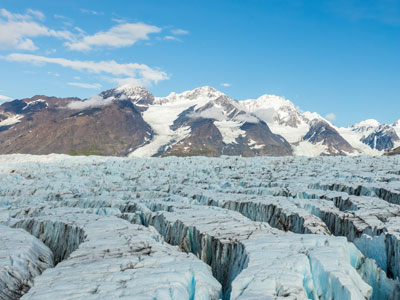
Matanuska Glacier
Massive valley glacier accessible by road that offers visitors close-up views of towering ice formations, crevasses, and one of Alaska's most impressive glacial landscapes.
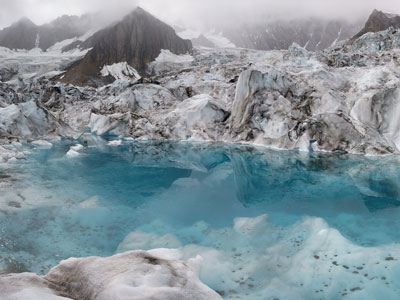
Leijurv, CC BY-SA 4.0, via Wikimedia Commons; Image Size Adjusted

Matanuska Susitna Valley
Vast scenic region encompassing mountains, glaciers, rivers, and small towns that provide year-round opportunities for outdoor adventure, wildlife viewing, and cultural experiences.
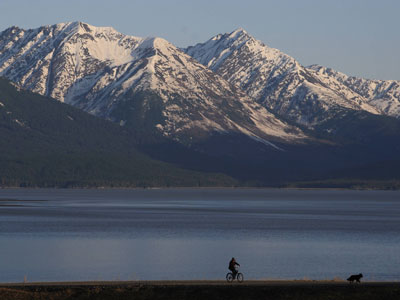
Frank K. from Anchorage, Alaska, USA, CC BY 2.0, via Wikimedia Commons; Image Size Adjusted

Turnagain Arm
Scenic coastal inlet known for dramatic mountain views, tidal flats, wildlife sightings, and the unique bore tide phenomenon along a world-class highway.
Frank Kovalchek from Anchorage, Alaska, USA, CC BY 2.0, via Wikimedia Commons; Image Size Adjusted
Virgin Creek Falls Trail
1 mile roundtrip, 150 feet elevation gain, Easy
Short forested hiking trail leading to a picturesque waterfall cascading through a lush gorge surrounded by dense coastal rainforest and abundant vegetation.
Diego Delso, CC BY-SA 4.0, via Wikimedia Commons; Image Size Adjusted
Wasilla
Growing community in the Mat-Su Valley known for its lakes, outdoor recreation, local history, and role as a gateway to some of Alaska's most popular attractions and wilderness areas.
Diego Delso, CC BY-SA 4.0, via Wikimedia Commons; Image Size Adjusted
Wasilla Museum and Visitor Center
Local history museum and visitor center showcasing regional heritage, cultural exhibits, community artifacts, and travel information for exploring the surrounding Mat-Su Valley.
Overview
Anchorage and the Matanuska-Susitna Valley make up Southcentral Alaska’s population center, home to roughly 40 percent of the state’s residents. Anchorage, the state’s largest city and main gateway, combines urban museums and restaurants with wilderness at its doorstep, and the Mat-Su Valley to the north offers farms, glaciers, and mountain views.
Visitors come for the Anchorage Coastal Trail, wildlife viewing, glacier cruises and hikes, flightseeing, and the Alaska Railroad. The area is also the starting point for trips to Denali, the Kenai Peninsula, and Prince William Sound.
Geography
Anchorage sits at the head of Cook Inlet between Knik Arm and Turnagain Arm, with the Chugach Mountains rising directly east of the city. Turnagain Arm has one of the largest tidal ranges in the United States and a famous tidal bore. The Matanuska and Susitna river valleys stretch north from the city between the Chugach, Talkeetna, and Alaska ranges, and Denali can be seen on clear days. The climate is milder than the Interior, with cool summers and cold winters.
History
The Dena’ina Athabascans have lived around Cook Inlet for thousands of years. Captain James Cook explored the inlet in 1778, and Anchorage was founded in 1915 as a tent city for the construction of the Alaska Railroad. Military bases brought rapid growth in World War II, and in 1935 the federal government moved Midwestern farm families to the Matanuska Valley as part of a New Deal colony. The 1964 Good Friday earthquake, the strongest in North American history, heavily damaged Anchorage, and the discovery of oil in the 1960s and the pipeline in the 1970s fueled the city’s growth.
Cities and Towns
Anchorage has the Alaska Native Heritage Center, the Anchorage Museum, and an airport that is a major cargo hub. Girdwood, home to Alyeska Resort, lies along Turnagain Arm on the Seward Highway. In the Mat-Su Valley, Palmer and Wasilla are the main towns, and Talkeetna is a popular base for flightseeing and Denali climbers.
National Protected Areas
The Anchorage and Mat-Su area has no national park unit within it, and nearby Chugach National Forest is not covered here. National parks within reach include Denali National Park and Preserve to the north, Kenai Fjords National Park to the south, and Lake Clark National Park and Preserve across Cook Inlet, accessible by small plane. The Iditarod National Historic Trail passes through the region.
State Parks and Historic Sites
Chugach State Park is one of the largest state parks in the country, with nearly half a million acres of trails, Flattop Mountain, and wildlife just outside Anchorage. Independence Mine State Historical Park at Hatcher Pass preserves a 1930s gold-mining camp, and Matanuska Glacier State Recreation Area lets visitors walk on a glacier along the Glenn Highway. Denali State Park and Eklutna Lake offer more hiking and camping, and Eklutna’s historic village is known for its Russian Orthodox spirit houses.
Seasons and Best Time to Visit
Summer is the main season, with up to 19 hours of daylight, wildflowers, salmon runs, and the Alaska State Fair in Palmer in late August. Fall brings colors in September, the first northern lights, and fewer crowds. Winter is the season for skiing at Alyeska, the Fur Rendezvous festival, and the ceremonial start of the Iditarod in Anchorage in early March. Spring breakup brings mud, and heavy snow and short days make winter driving slower.
This article uses material from the Wikipedia article "Anchorage, Alaska", which is released under the Creative Commons Attribution-Share-Alike License 3.0. Additional information is from the National Park Service page for Denali National Park and Preserve, Alaska State Parks, and Visit Anchorage.