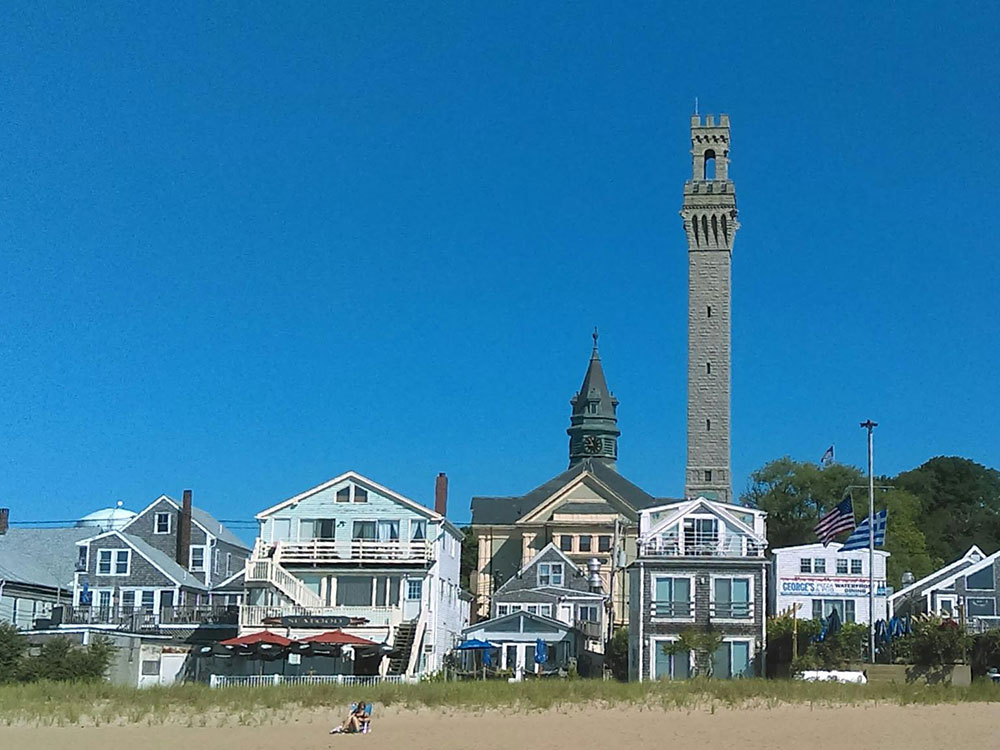
New England town located at the extreme tip of Cape Cod known for its beaches, harbor, artists, tourist industry, and its status as a vacation destination for the LGBT+ community.
General Information
- Hours:
- Town open year-round; peak season Memorial Day through Columbus Day
Many seasonal businesses close November through April; year-round residents maintain an active off-season community - Fees:
- Free to visit public areas; Commercial St and MacMillan Wharf are free
Beach parking permits required in summer for non-residents; Pilgrim Monument admission charged separately
Boston–Provincetown high-speed ferry: approximately $60–$100 round trip (seasonal) - Pet Policy:
- Leashed pets welcome throughout much of town; restrictions at beaches and within Cape Cod National Seashore areas; many Provincetown shops and outdoor areas are famously pet-friendly
- Closest cities with hotels:
- Hotels, inns, and guesthouses throughout Provincetown; Truro, MA (approximately 8 miles south); Wellfleet, MA (approximately 16 miles south)
- Seasons:
- Year-round; summer (June–September) peak season for beaches, whale watching, art galleries, and festivals; fall for quieter atmosphere and foliage; winter for solitude — many businesses close but the dramatic landscape remains; accessible year-round by car or ferry
- Location:
- Provincetown, MA 02657 (at the very tip of Cape Cod, approximately 115 miles from Boston)
- Website:
- provincetown.com
How to Get There
By car from Boston (approximately 115 miles, 2–2.5 hours): Take MA-3 S across the Sagamore Bridge to US-6 E all the way to the end of Cape Cod — the highway terminates in Provincetown. By high-speed ferry from Boston (approximately 90 minutes): Bay State Cruise Company and Boston Harbor Cruises operate seasonal ferries from Boston's Commonwealth Pier to MacMillan Wharf in Provincetown — the fastest and most scenic option in summer.
Overview
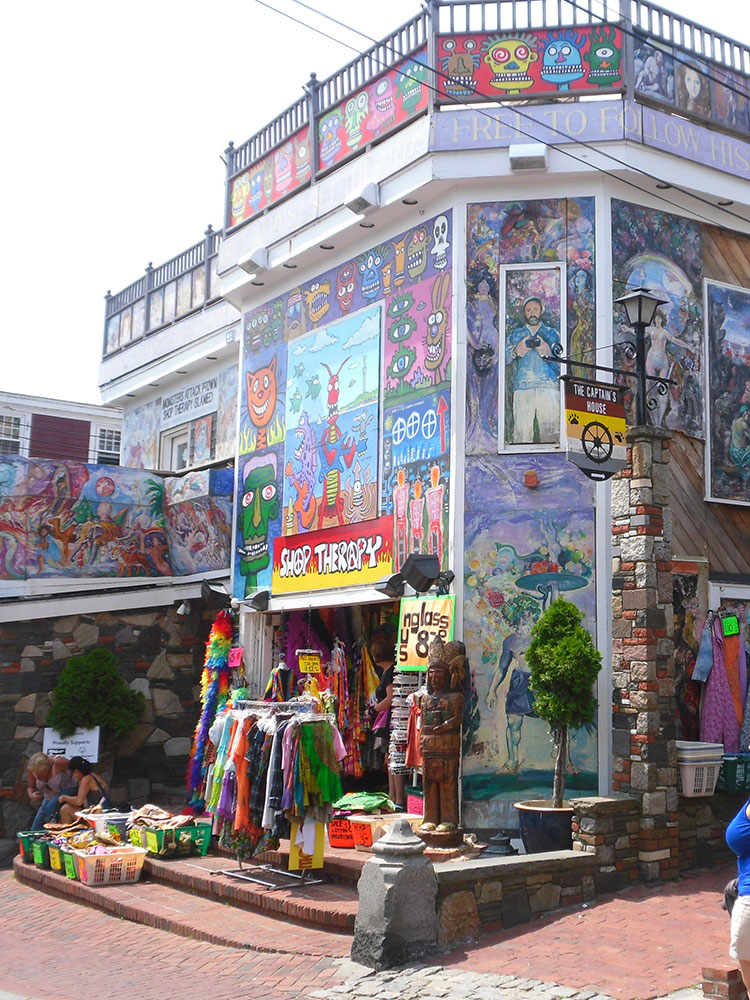
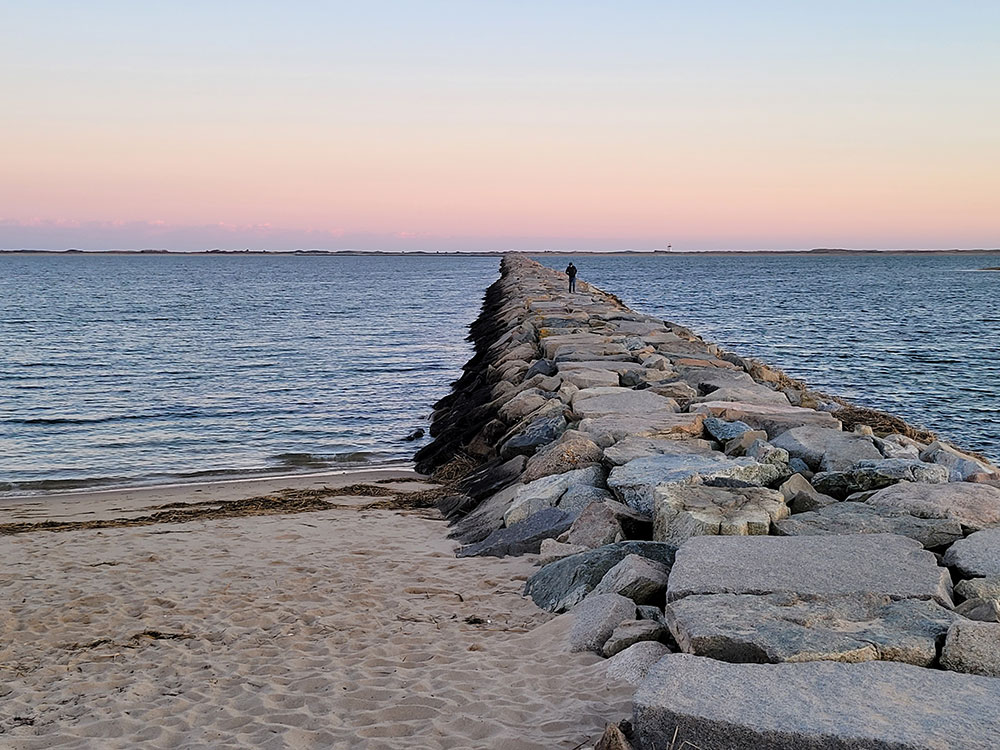
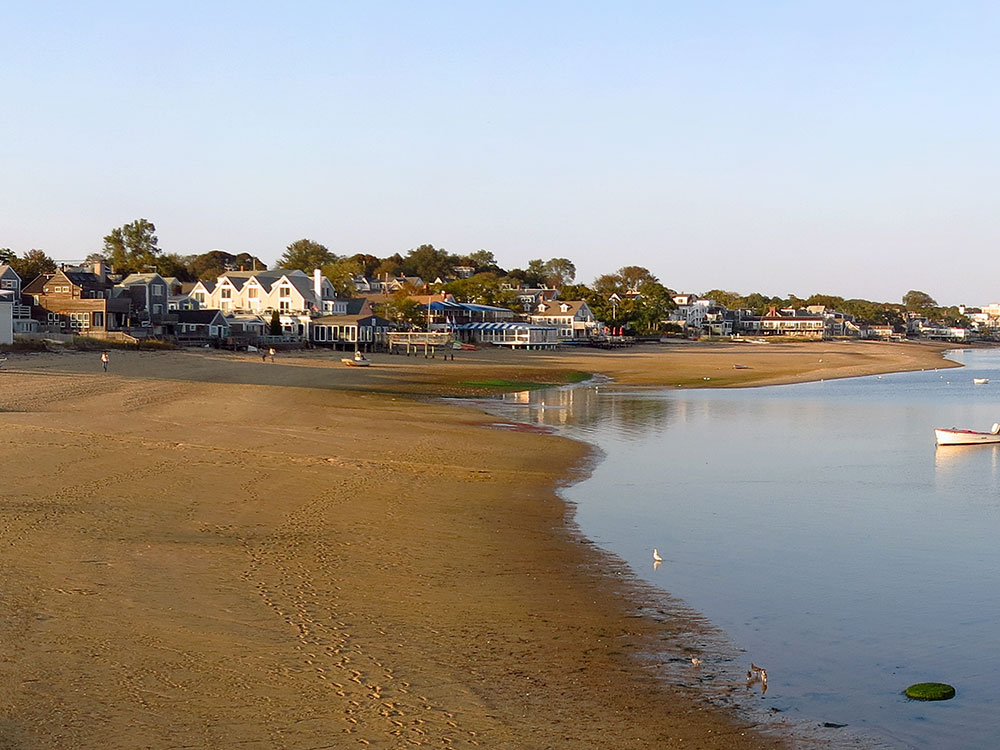
Provincetown is a small seaside town at the very tip of Cape Cod, Massachusetts, surrounded on three sides by water, and it is known for its art colony, its vibrant LGBTQ+ community, its beaches and dunes, and its historic role as the place where the Pilgrims first landed in 1620. The town's Commercial Street is lined with galleries, restaurants, and shops, and the landscape of dunes, salt marshes, and beaches has attracted artists and writers for more than a century. It is a lively destination, particularly in summer, and a quiet, windswept one in winter.
Visitors come to Provincetown for the Pilgrim Monument, for the beaches and trails of Cape Cod National Seashore, and for whale watching on Stellwagen Bank. They also come for art galleries, cabaret and theater, the Portuguese fishing heritage, and the summer festivals, including Carnival in August.
History
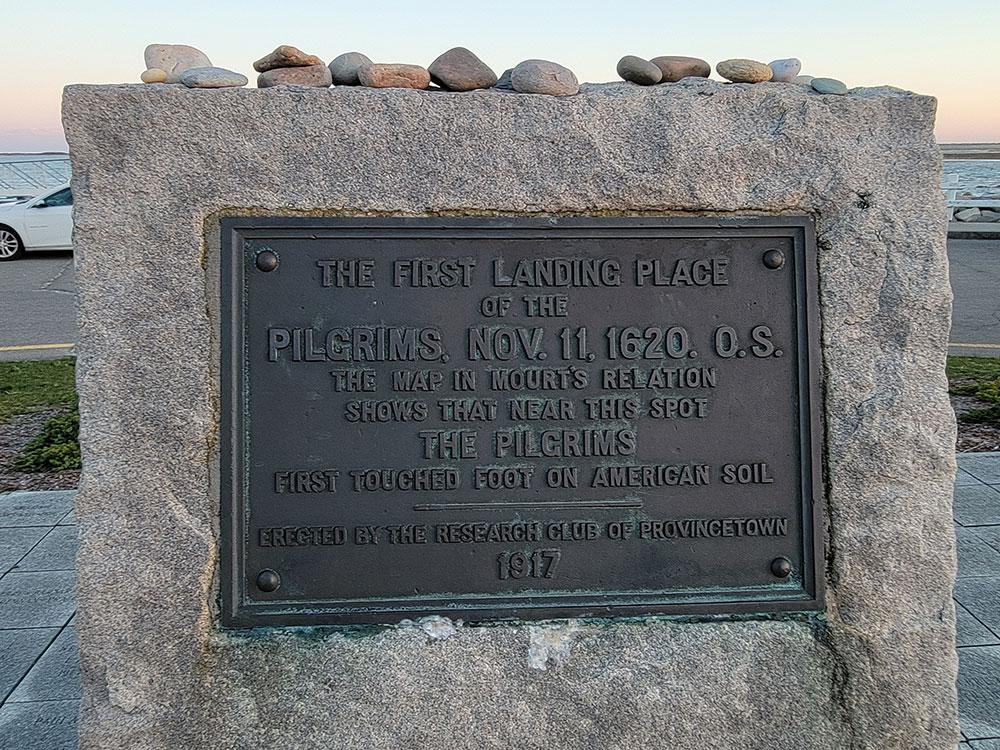
On November 11, 1620, the Mayflower anchored in Provincetown Harbor, and the Pilgrims signed the Mayflower Compact aboard the ship before exploring the area for five weeks and then sailing on to Plymouth. The town was incorporated in 1727, and it grew as a fishing and whaling port, with a large Portuguese community, from the Azores, that came in the nineteenth century. In 1899, Charles Hawthorne established the Cape Cod School of Art, which started an art colony that attracted painters, and in 1916 the Provincetown Players staged Eugene O'Neill's first plays on a wharf. By the mid-twentieth century, the town was known as a haven for artists and the LGBTQ+ community, and it has been a leader in the gay rights movement.
Sightseeing and Popular Landmarks
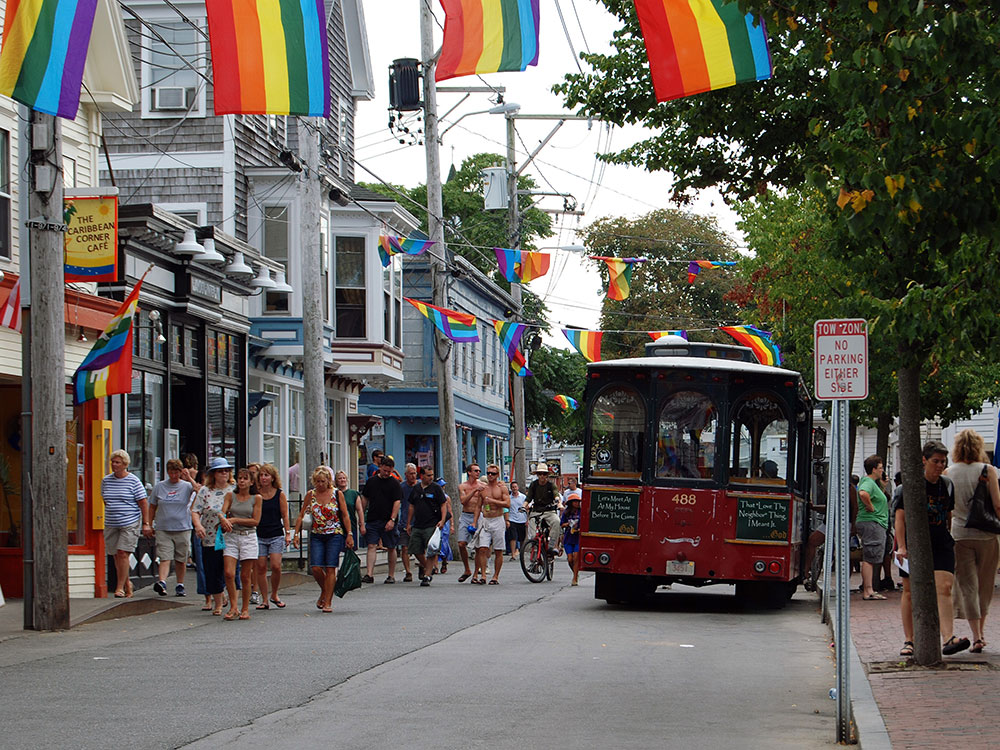
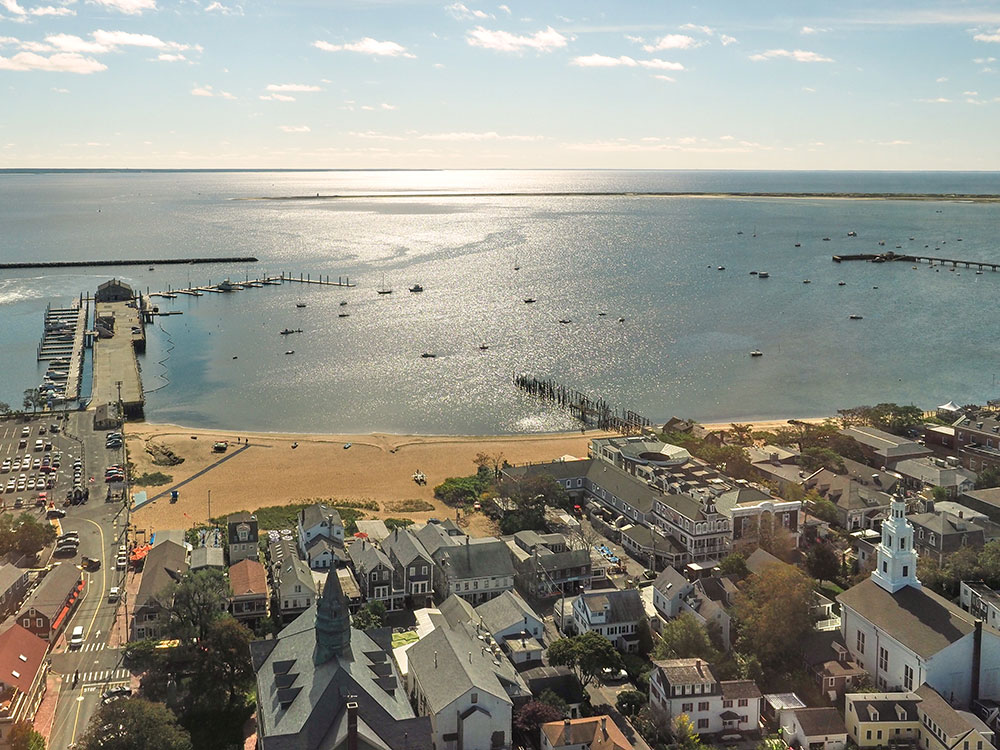
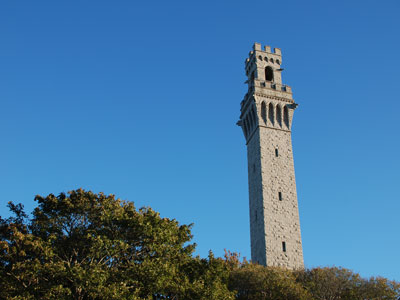
The Pilgrim Monument, a 252-foot granite tower completed in 1910, is the tallest all-granite structure in the United States and has views of the Cape from the top, and the Provincetown Museum at its base tells the story of the Pilgrim landing. Commercial Street is the main thoroughfare, with galleries, restaurants, and bars, and MacMillan Wharf is the center of the working waterfront. Race Point Light and Long Point Light are lighthouses on the shore, and the Dune Shacks of Peaked Hill Bars are historic artists' cottages in the dunes.
Culture and Museums
The Provincetown Art Association and Museum has a collection of works by local artists, and the Provincetown Museum and Pilgrim Monument covers the history of the Pilgrims' first landing and the town. The town has a lively theater and cabaret scene, with performances throughout the summer, and events such as the Provincetown International Film Festival in June and Carnival Week in August. The Atlantic House, one of the oldest gay bars in America, and the town's many galleries are part of its culture.
Parks
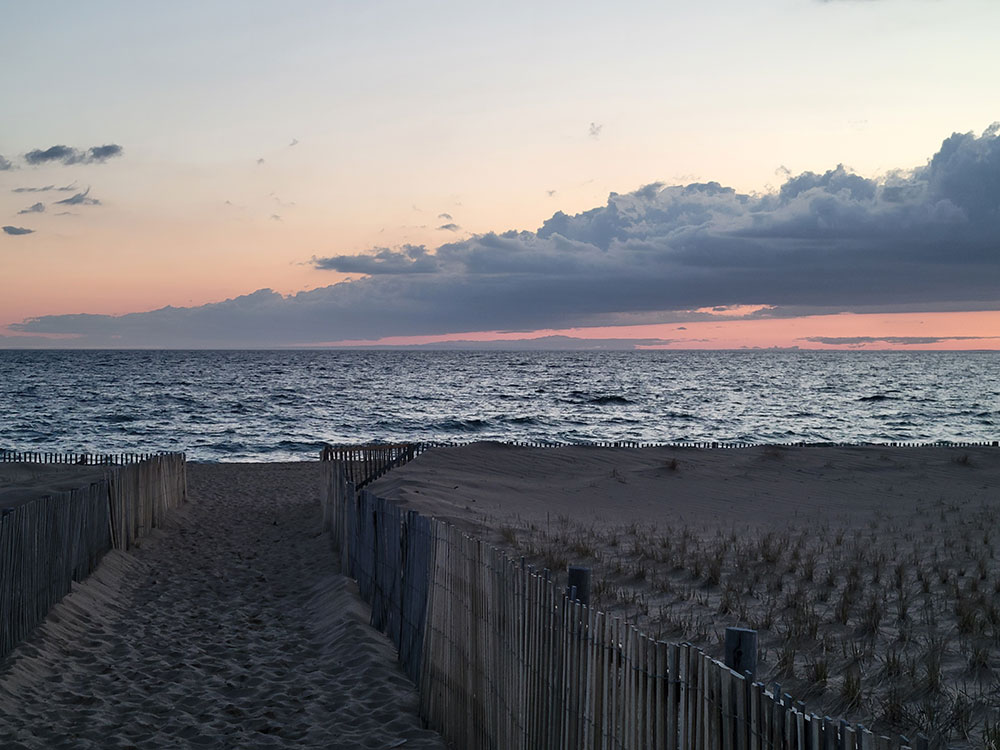
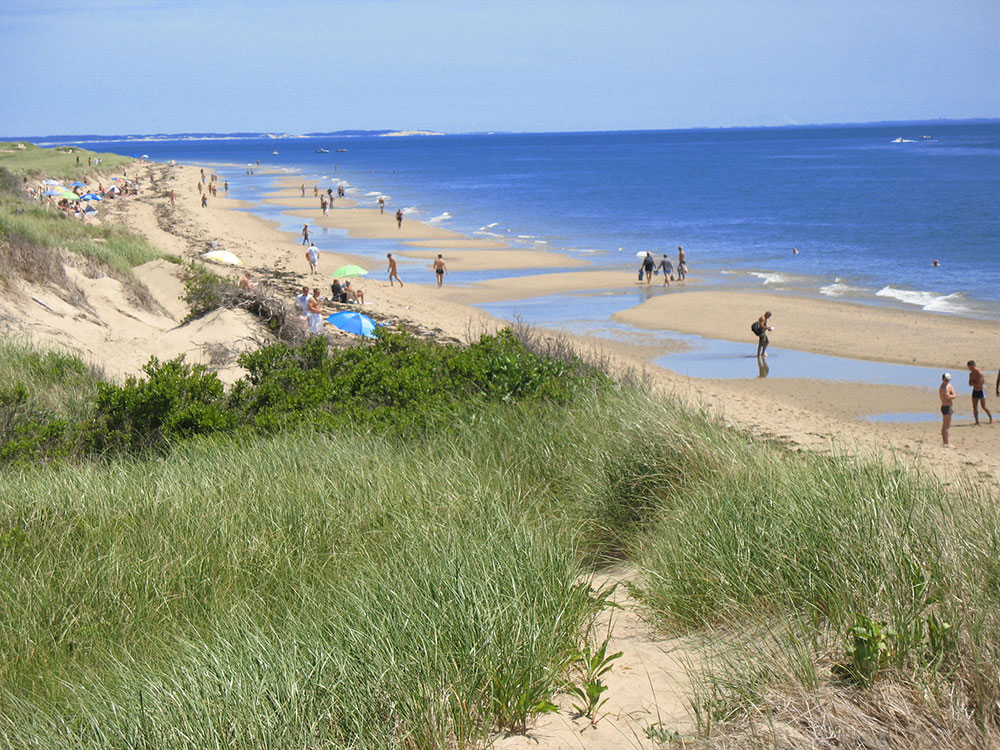
Cape Cod National Seashore protects miles of beach, dunes, and forest, with Race Point Beach and Herring Cove Beach popular for swimming and watching sunsets over the bay. The Province Lands Bike Trail winds through the dunes, and the Beech Forest Trail and Wood End Lighthouse are other spots to walk. Whale watching tours leave from MacMillan Wharf and go to Stellwagen Bank National Marine Sanctuary, one of the best places to see humpback whales on the East Coast.
Seasons and Weather
Provincetown has a humid continental climate moderated by the ocean. Summers are comfortable, with highs in the upper 70s°F, and winters are cold, with highs in the 30s°F and about 30 inches of snow. Summer is the busiest season, and many businesses close in winter, with whale watching from April to October.
This article uses material from Wikipedia as well as information from official tourism and institutional sources. Key references include Provincetown Chamber of Commerce, Pilgrim Monument & Provincetown Museum, National Park Service Cape Cod National Seashore, Provincetown Art Association and Museum, Mass.gov Visit Massachusetts, and National Weather Service Boston/Norton. Wikipedia material is from the article "Provincetown, Massachusetts", and is available under the Creative Commons Attribution-Share-Alike License 3.0.
Featured Locations
Grinnell Point and Swiftcurrent Lake from the Many Glacier Hotel
Jeff P from Berkeley, CA, USA, CC BY 2.0, via Wikimedia Commons; Image Size Adjusted

Dune Shacks of Peaked Hill Bars Historic District
Dune shacks that were home to American artists and writers from the 1920s to present day
Meatba11, CC BY-SA 3.0, via Wikimedia Commons; Image Size Adjusted

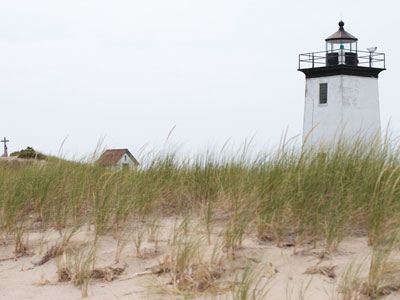
Long Point Light
Historic lighthouse at the northeast tip of Long Point in Provincetown
Adavyd, CC BY-SA 3.0, via Wikimedia Commons; Image Size Adjusted

Pilgrim Monument
Built between 1907 and 1910 to commemorate the first landfall of the Pilgrims in 1620 and the signing of the Mayflower Compact in Provincetown Harbor
Kenneth C. Zirkel, CC BY-SA 4.0, via Wikimedia Commons; Image Size Adjusted

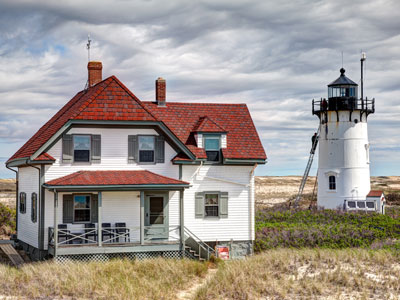
Race Point Light
Historic lighthouse on Cape Cod, in Provincetown and on the National Register of Historic Places