_-_DSC00167.JPG)
Historic Beacon Hill landmark that evolved from a segregated church into a center of abolition, civil rights activism, and community transformation.
How to Get There
In Boston: Located in the Beacon Hill neighborhood at the corner of Charles and Mt. Vernon Streets. Easily accessible by foot from Boston Common or via the MBTA Red Line (Charles/MGH stop).
Overview
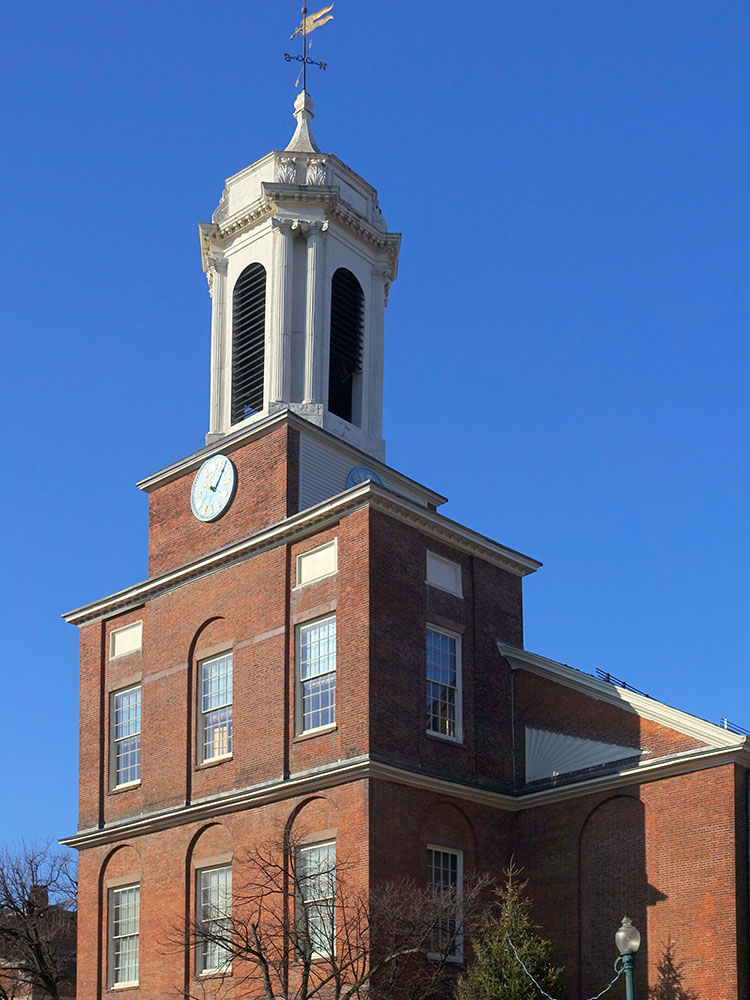
The Charles Street Meeting House is one of Boston’s most historically significant buildings, originally constructed between 1804 and 1807 as the home of the Third Baptist Church. Designed in a classic Federal style, the structure reflects early American religious architecture while also telling a deeper story about social change. The church initially enforced segregated seating, a practice common at the time, which sparked internal conflict and helped inspire early movements toward integration.
Over the decades, the meeting house became a focal point for activism and reform. During the 19th century, it served as a gathering place for abolitionists and hosted speeches and discussions tied to the anti-slavery movement. In 1876, the building was purchased by the First African Methodist Episcopal Church, becoming a major center for Boston’s Black community and marking a significant shift in its role within the neighborhood.
Today, while no longer functioning as a traditional church, the building remains an important landmark on Boston’s Black Heritage Trail and part of the Beacon Hill Historic District. Its exterior has been preserved, while the interior has been adapted for modern uses such as offices and retail spaces. The meeting house stands as a symbol of evolving social values, reflecting centuries of religious life, activism, and community change in Boston.
This article uses material from the Wikipedia articles and official tourism pages for the Charles Street Meeting House, which are released under the Creative Commons Attribution-Share-Alike License 3.0.