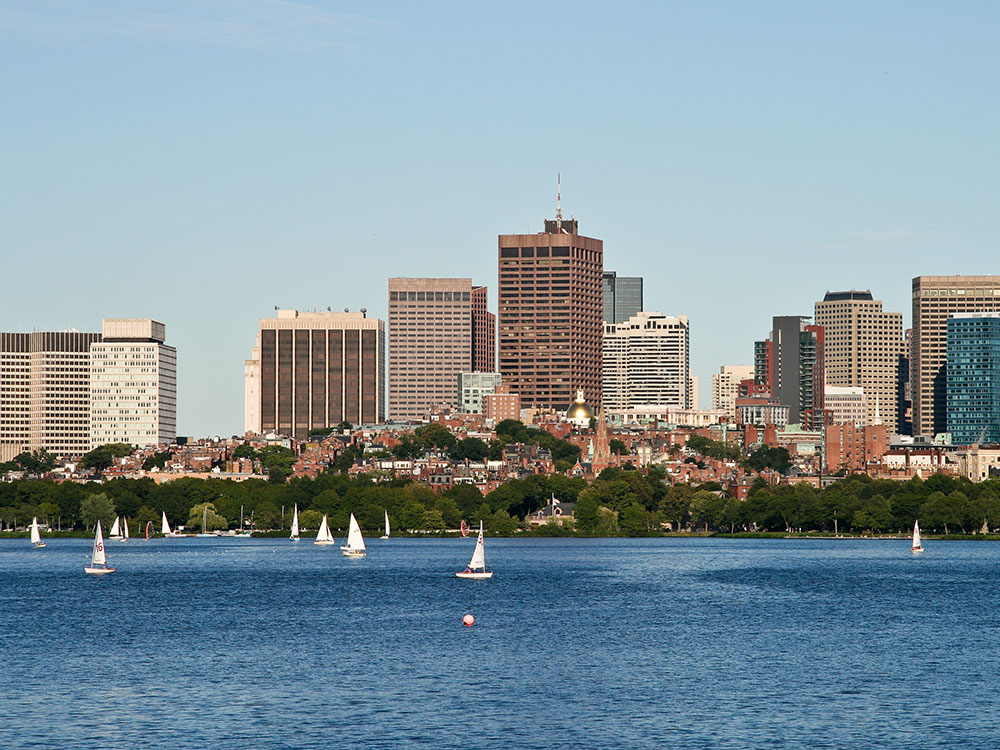
Scenic region known for its cultural attractions, outdoor recreation, and vibrant arts scene.
General Information
- Hours:
- Hours vary by attraction and season; many museums and outdoor sites are open daily from 10am to 5pm during peak months.
- Fees:
- Pricing depends on the specific venue or activity; many outdoor areas are free, while museums and performances may charge admission ranging from $10–$30.
- Pet Policy:
- Pets are welcome in many outdoor areas and some accommodations; always check individual policies before visiting.
- Seasons:
- Spring, Summer, Fall, and Winter — each season offers unique experiences.
- Location:
- Berkshire County, MA
- Website:
- berkshires.org
How to Get There
From Springfield, MA (45 mi): Take US-20 W to MA-8 N, then follow signs for Pittsfield and continue into the heart of the Berkshires region.
Overview
The Berkshires are a highland region in western Massachusetts, celebrated for their blend of natural beauty and cultural richness. With rolling hills, dense forests, and charming towns, they have long attracted artists, writers, and vacationers seeking inspiration and tranquility.
The region is home to world-renowned institutions such as Tanglewood, the summer home of the Boston Symphony Orchestra, and the Massachusetts Museum of Contemporary Art (MASS MoCA). Outdoor activities include hiking the Appalachian Trail, skiing in winter, and exploring historic estates like The Mount, Edith Wharton’s home, or wellness retreats such as the Kripalu Center for Yoga & Health.
Geography
The Berkshires fill Berkshire County, a roughly 50-mile-long highland between the Connecticut River Valley to the east and the Taconic Mountains and the New York border to the west. Mount Greylock, at 3,491 feet, is the highest point in Massachusetts. The Housatonic River winds through the central valley, and the Appalachian Trail crosses the county for about 90 miles. Forests of maple, beech, and birch cover most of the hills.
History
The Mohican (Stockbridge-Munsee) people lived in the area before English missionaries and settlers arrived in the 1700s. Stockbridge was founded as a mission town in 1734. Shays’ Rebellion in 1787 centered on Great Barrington, and the region later became a mill-and-paper-making center, with Dalton still producing paper for U.S. currency. In the Gilded Age, wealthy New Yorkers built grand summer “cottages” in Lenox and Stockbridge, and writers including Herman Melville and Nathaniel Hawthorne lived and worked here. W. E. B. Du Bois was born in Great Barrington in 1868.
Cities and Towns
Lenox and Stockbridge are classic New England towns with historic inns, Tanglewood, and the Norman Rockwell Museum. Great Barrington is known for its arts scene and restaurants, Williamstown for the Clark Art Institute and Williams College, and North Adams for MASS MoCA. Pittsfield is the county seat, and Lee and Great Barrington offer outlets and farm stands.
National Protected Areas
The Berkshires have no national park of their own, but the Appalachian National Scenic Trail runs through the county, passing over Mount Greylock and through the Housatonic Valley. The W. E. B. Du Bois Boyhood Homesite in Great Barrington is a National Historic Landmark. Much of the high country is in state forest or private conservation land, and the nearest national park units are in the Hudson Valley and Cape Cod.
State Parks and Historic Sites
Mount Greylock State Reservation has a war memorial tower, Bascom Lodge, and trails, and October Mountain State Forest is the largest state forest in Massachusetts. Bash Bish Falls State Park has the tallest waterfall in the state, and Beartown and Pittsfield state forests offer hiking and camping. Cultural sites include Hancock Shaker Village, Arrowhead (Herman Melville’s home), and The Mount.
Seasons and Best Time to Visit
Summer is the cultural high season, with Tanglewood, Jacob’s Pillow Dance, and the Williamstown Theatre Festival running from late June through August. Fall foliage usually peaks in early to mid-October and draws large crowds. Winter brings skiing at Jiminy Peak, Bousquet, and Catamount, and cozy inns, while spring is mud season followed by maple sugaring in March and early blooms in May. The Appalachian Trail is best hiked from late spring to fall.
This article uses material from the Wikipedia articles and official tourism pages for the Berkshires, which are released under the Creative Commons Attribution-Share-Alike License 3.0. Additional information is from the National Park Service page for the Appalachian National Scenic Trail, the Massachusetts Department of Conservation and Recreation, and Tanglewood.
Featured Locations
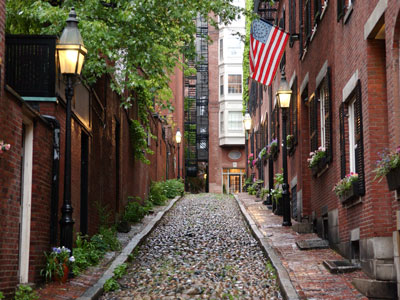
Ian Howard, CC BY-SA 3.0, via Wikimedia Commons; Image Size Adjusted
Herman Melville's Arrowhead
Historic farmhouse museum preserving the residence where a celebrated American author wrote Moby-Dick, featuring period furnishings, literary exhibits, scenic grounds, and guided tours that explore nineteenth-century Berkshire life.
Ian Howard, CC BY-SA 3.0, via Wikimedia Commons; Image Size Adjusted
Lenox
Picturesque Berkshire community featuring Gilded Age estates, renowned cultural attractions, mountain scenery, historic architecture, and year-round outdoor recreation in the heart of western Massachusetts.
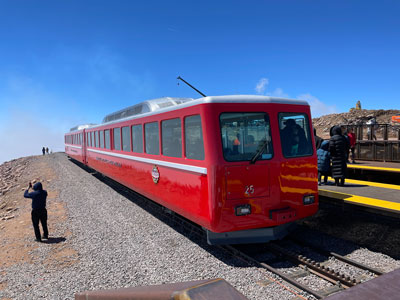
Dough4872, CC BY-SA 4.0, via Wikimedia Commons; Image Size Adjusted

Mass Moca
Expansive contemporary art museum featuring immersive installations, live performances, and rotating exhibitions in a converted factory complex.
Ian Howard, CC BY-SA 3.0, via Wikimedia Commons; Image Size Adjusted
Mohawk Trail
Historic scenic driving route featuring mountain vistas, forested landscapes, charming New England villages, cultural attractions, waterfalls, and outdoor recreation across western Massachusetts.
Ian Howard, CC BY-SA 3.0, via Wikimedia Commons; Image Size Adjusted
Mohawk Trail State Forest
Mountain forest recreation area featuring old-growth trees, hiking trails, river access, scenic campsites, and diverse wildlife within one of Massachusetts' most celebrated natural landscapes.
Dough4872, .0">CC BY-SA 4.0, via Wikimedia Commons; Image Size Adjusted
Norman Rockwell Museum
Museum dedicated to American illustration, featuring the world's largest public collection of Norman Rockwell's original artworks, archival materials, and exhibits exploring visual storytelling and cultural history.
Dough4872, CC BY-SA 4.0, via Wikimedia Commons; Image Size Adjusted
Pittsfield
Bustling small city offering a vibrant arts scene, historic landmarks, and abundant outdoor recreation in every season.
Dough4872, CC BY-SA 4.0, via Wikimedia Commons; Image Size Adjusted
Stockbridge
Charming village known for its artistic heritage, historic estates, and walkable downtown filled with galleries and gardens.