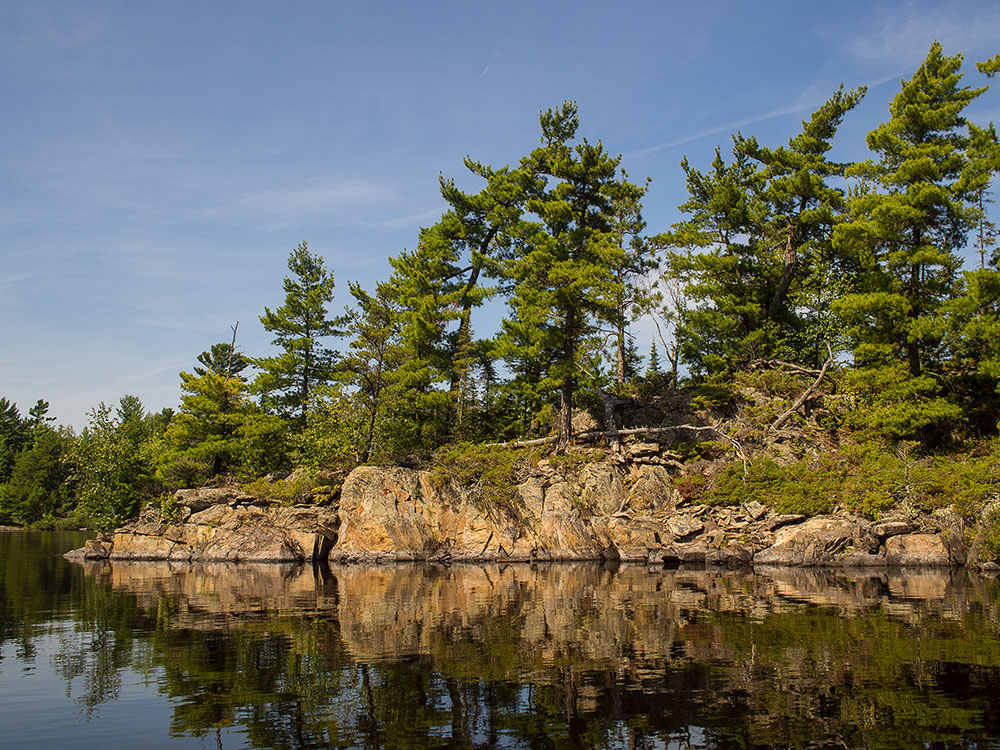
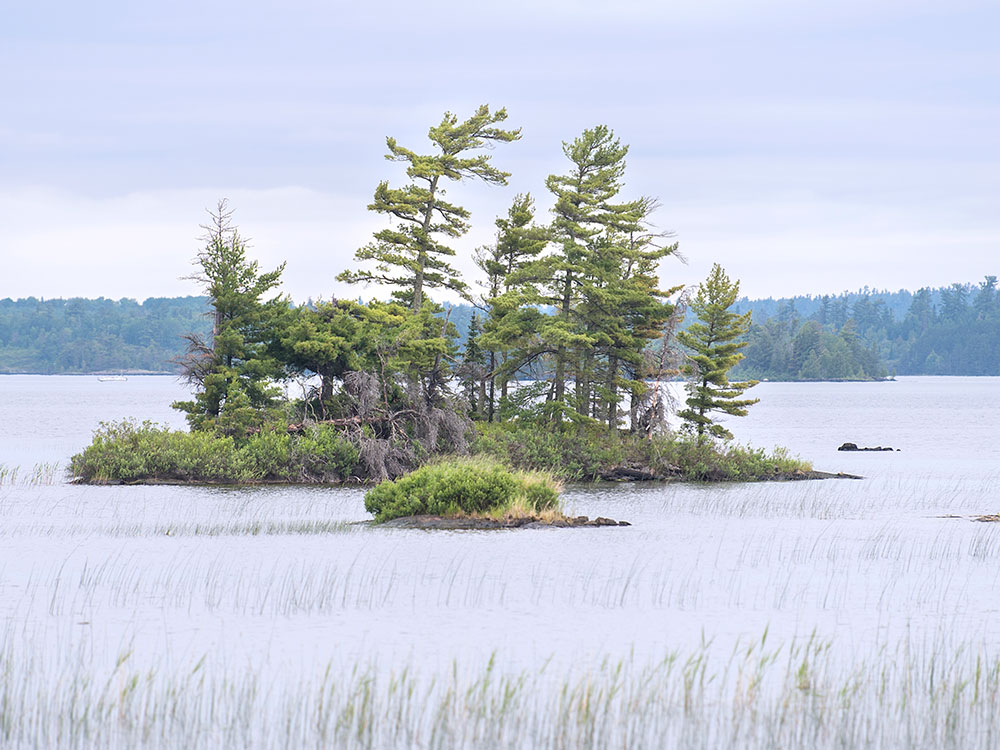
Expansive wilderness lake featuring hundreds of forested islands, rugged shorelines, exceptional boating opportunities, and direct access to remote national park landscapes.
General Information
- Hours:
- Open year-round; water access and activities are subject to weather and ice conditions
- Fees:
-
Free access to the lake
No entrance fee required for Voyageurs National Park
Camping permits and tour fees may apply for certain activities - Pet Policy:
- Pets are permitted in accordance with Voyageurs National Park regulations and must remain under control at all times
- Closest cities with hotels:
- International Falls, Minnesota (11 mi)
- Seasons:
- All year; summer for boating and fishing, fall for foliage, winter for ice recreation
- Location:
- Rainy Lake, Minnesota
- Website:
- nps.gov/voya
How to Get There
From International Falls (11 mi): Follow MN-11 east along the international border to the Rainy Lake Visitor Center or one of the public boat launches providing access to the lake and Voyageurs National Park.
Overview
The Rainy Lake region serves as one of the primary gateways to Voyageurs National Park and is renowned for its vast expanse of water, scenic islands, and remote wilderness character. Stretching approximately 60 miles in length and covering more than 227,000 acres, the lake contains hundreds of islands, countless bays, and nearly a thousand miles of shoreline. The portion within Voyageurs National Park provides outstanding opportunities for boating, paddling, fishing, camping, and wildlife viewing, making it one of the most popular destinations in northern Minnesota.
For centuries, Rainy Lake has been an important transportation corridor for Indigenous peoples, voyageurs, traders, miners, and settlers. Today, visitors can explore historic sites such as Little American Island, paddle through quiet island channels, join ranger-led boat tours, or simply enjoy panoramic views from the Rainy Lake Visitor Center overlooking Black Bay. Bald eagles, loons, otters, black bears, and other wildlife thrive throughout the region, while dark night skies and pristine waters help preserve the sense of wilderness that continues to attract adventurers from around the world.
This article uses material from the Wikipedia articles and official tourism pages for Rainy Lake, which are released under the Creative Commons Attribution-Share-Alike License 3.0.