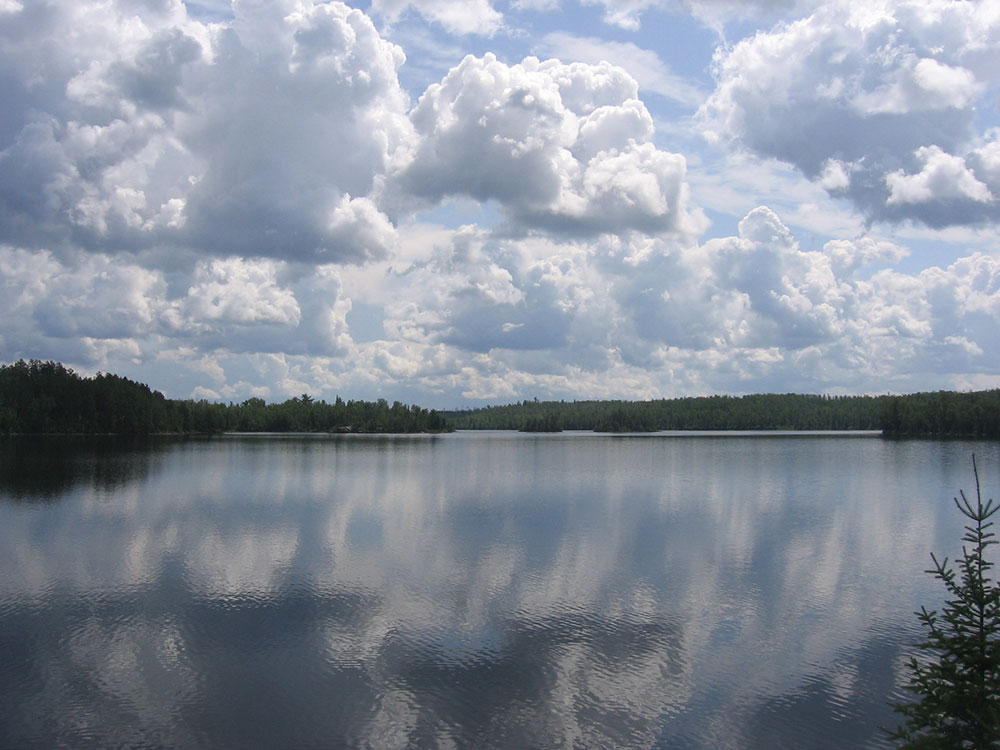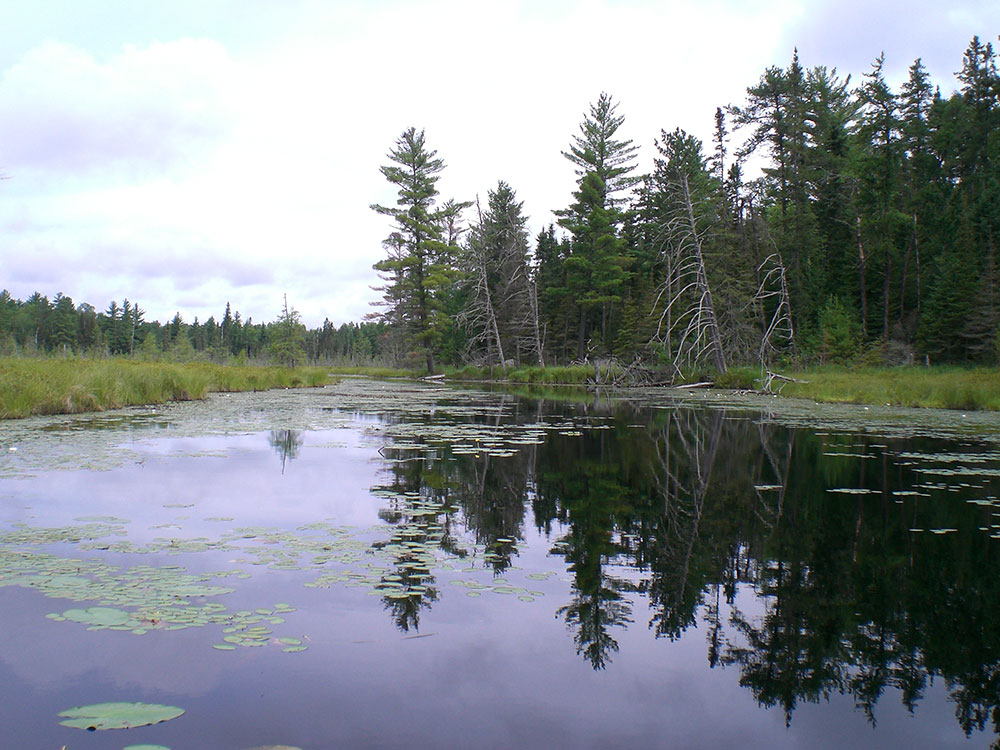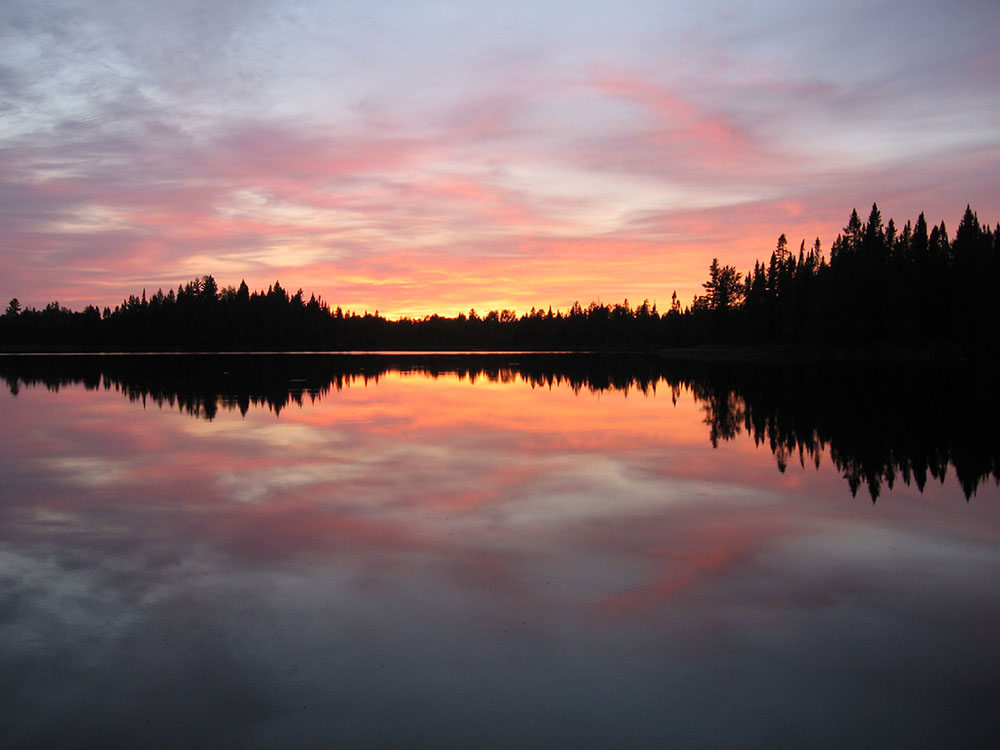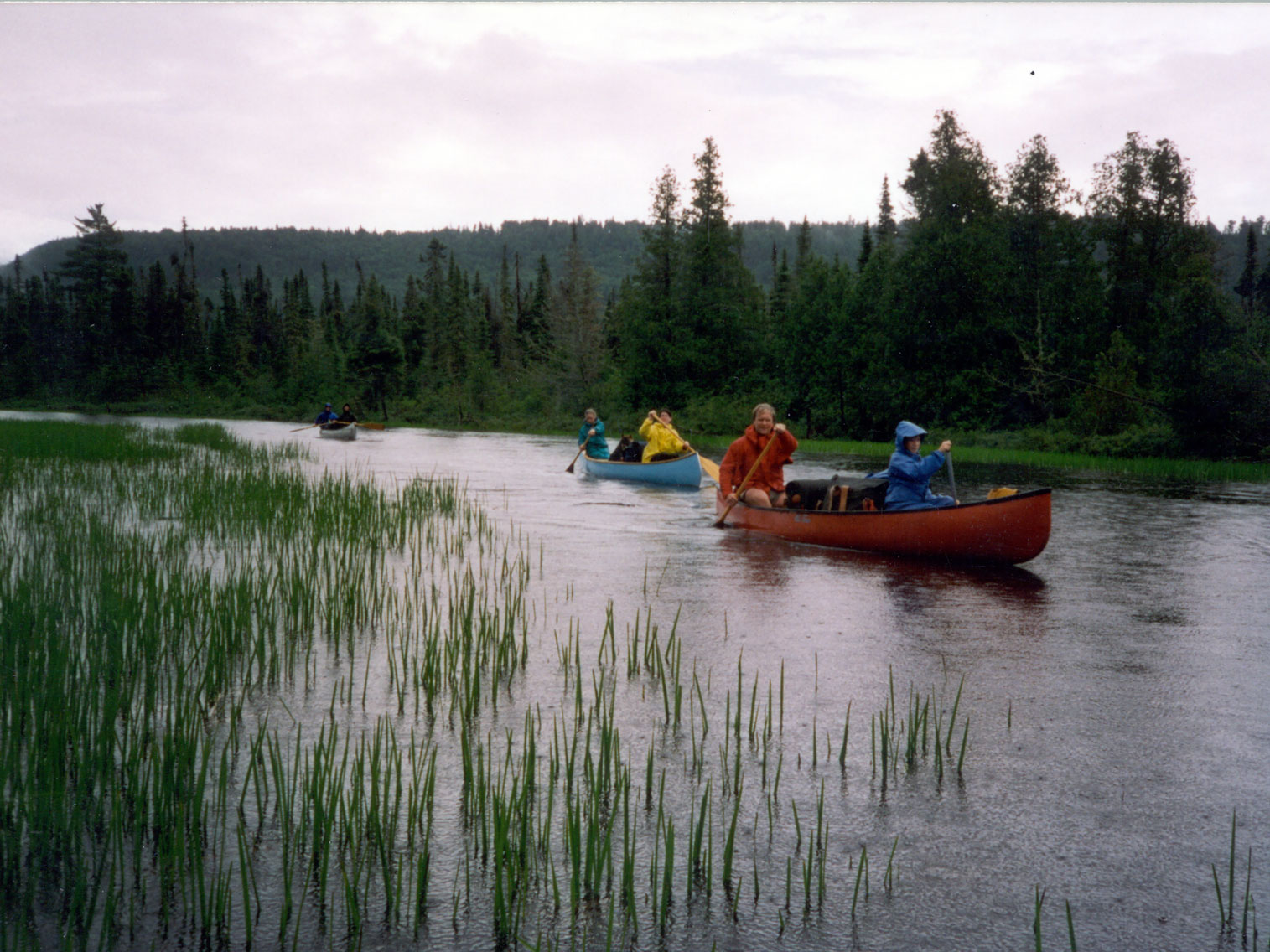

1,090,000-acre wilderness area in northeastern part of Minnesota with a mixture of forests, glacial lakes, and streams, and is a popular destination for canoeing, hiking, and fishing, and is one of the most visited wildernesses in the United States.
General Information
- Hours:
- Open daily (overnight permits required)
- Fees:
- Free day use; overnight permit $16/person
- Pet Policy:
- Pets allowed; must not disturb wildlife
- Closest cities with major hotel chains:
- Duluth, MN, 120 miles
- Seasons:
- All year
- Location:
- Superior National Forest, northeastern Minnesota (multiple entry points)
- Website:
- fs.usda.gov/superior
How to Get There
From Duluth, MN (120 mi): Take US-53 N from Duluth approximately 60 miles to Virginia, MN, then continue north on US-169 to Ely for western entry points, or take MN-61 E from Duluth to Grand Marais for the eastern entry points.
Overview
Boundary Waters Canoe Area Wilderness is a vast network of lakes, rivers and forests along the Minnesota-Ontario border, covering about 1.1 million acres in the Superior National Forest. It is the most visited wilderness area in the United States, with about 1,100 lakes and 1,200 miles of canoe routes, and it prohibits motors in most areas. The wilderness has clear water, granite shores, loons, moose, wolves and dark skies. Visitors come to paddle, portage and camp in one of the last great canoe country wildernesses.
Access
The wilderness is in northeastern Minnesota, with entry points reached from Ely, Grand Marais and the Gunflint Trail. Visitors drive from Duluth, about 2 hours to Ely or Grand Marais, and then to one of the roughly 70 entry points. Overnight visitors need a permit, usually reserved far in advance. Access is by canoe or on foot only, and outfitters in Ely and on the Gunflint Trail provide gear, shuttles and guidance.
Seasons
The paddling season runs from May through September, with ice leaving the lakes in late April or early May. June and July bring bugs, especially mosquitoes and black flies, and warm weather. August and September are quieter, with cool nights and fall colors in late September. Winter turns the wilderness into a place for dog sledding, skiing and winter camping. Permits are most difficult to get in summer.
Things to Do
Paddle and Portage Through Canoe Country
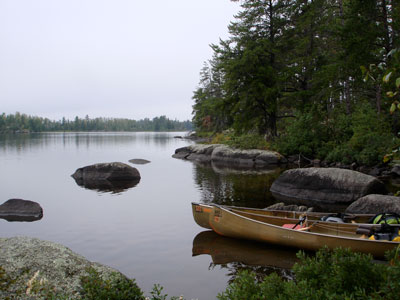
Boundary Waters Canoe Area Wilderness is best explored by canoe, with routes ranging from a night to a week. The scenery is classic lake country.
Camp on Remote Islands and Shores
Campsites are designated, with a fire grate and latrine, scattered across the wilderness. Each is a quiet base.
Fish for Walleye, Pike and Trout
Fishing is a key activity, with an abundance of species. A Minnesota license is required.
Watch for Wildlife and Loons
Loons, moose, bears and wolves live here. Evening calls of loons are a highlight.
Stargaze and Look for the Northern Lights
With very little light pollution, the sky is spectacular. The northern lights are sometimes visible.
Top Trails
Kekekabic Trail
Length: Approximately 40 miles one way
Elevation Gain: Moderate
Difficulty: Moderate to Strenuous
This long trail crosses the wilderness through forests and past lakes. Backpackers need a permit and good navigation.
Border Route Trail
Length: Approximately 65 miles one way
Elevation Gain: Moderate
Difficulty: Strenuous
The trail follows the border cliffs and lakes, with views and solitude. It is a demanding multi-day trek.
Day Trip Paddle From Ely
Length: Approximately 5 to 10 miles round trip
Elevation Gain: Minimal
Difficulty: Easy to Moderate
A day trip on a lake near an entry point offers a taste of canoe country. Day use does not require a permit in many areas.
Visitor Centers
The Kawishiwi Ranger District office in Ely and the Gunflint Ranger District office in Grand Marais provide permits, maps and ranger advice, and the Northern Lights Visitor Center in Ely and the Ely Visitor Center add resources. The International Wolf Center in Ely is also nearby. Check the Forest Service website and Recreation.gov for permit rules.
Camping and Lodging
Camping within the wilderness is at designated sites with a permit, and campgrounds outside the boundary include Fall Lake, Birch Lake and Sawbill. In Ely, lodging includes the Grand Ely Lodge, Wintergreen Lodge and many resorts and motels, and Grand Marais and the Gunflint Trail have resorts such as Gunflint Lodge and Naniboujou Lodge. Duluth, about 2 hours away, has a full range of hotels. Check each property's website for current availability.
This article uses material from the Wikipedia article and official pages for Boundary Waters Canoe Area Wilderness, U.S. Forest Service: Boundary Waters Canoe Area Wilderness, released under the Creative Commons Attribution-Share-Alike License 3.0.